9 Tongue Clues That Could Point to Insulin Resistance — What To Watch For
We tend to think of insulin resistance as a number on a lab report or a risk factor you manage with diet and exercise. But our bodies often give early, visible signals long before labs become alarming, and the tongue is one of those surprisingly informative places. In this text we’ll walk through nine specific tongue clues that can be associated with insulin resistance, explain why the tongue reflects metabolic health, and show how to monitor changes, when to seek care, and which tests to request. This isn’t a substitute for medical advice, but focusing to oral signs and combining them with other risk factors we can catch problems earlier and take practical steps to support insulin sensitivity in 2026.
Why Your Tongue Can Reflect Metabolic Health
The tongue is more than a taste organ, it’s a mirror of systemic physiology. It’s richly vascularized, covered in specialized epithelium, and colonized by diverse microbes. Those features make it sensitive to changes in circulation, immune function, hydration, and metabolic state. When insulin signaling starts to falter, a cascade of biochemical and structural changes can show up in oral tissues. For example, insulin resistance often coincides with low-grade inflammation, altered immune responses, and changes in saliva composition, all of which influence the tongue’s appearance.
There are a few physiological reasons the tongue can display clues related to insulin resistance:
- Microvascular changes: Insulin resistance is linked to endothelial dysfunction and impaired microcirculation. The tongue’s thin mucosa can become paler or dusky when blood flow is affected, or it may show swelling if lymphatic drainage is altered.
- Immune and microbial shifts: High blood sugar and insulin dysregulation change the oral microbiome and create a more permissive environment for fungal or bacterial overgrowth. That’s why we sometimes see thick coatings or unusual patches on the tongue.
- Saliva and hydration: Insulin resistance correlates with altered saliva secretion and composition (electrolytes, enzymes, and immunoglobulins). Reduced saliva flow contributes to dryness, malodor, and slow clearance of pathogens.
- Tissue repair and inflammation: Chronic metabolic stress impairs wound healing and raises baseline inflammation. Small ulcers, persistent soreness, or a smooth, atrophic-looking tongue can reflect these processes.
Taken together, these mechanisms explain why seemingly minor oral findings may be early indicators of systemic metabolic issues. That said, tongue changes are not diagnostic on their own: they’re best interpreted alongside risk factors such as central obesity, family history of type 2 diabetes, elevated fasting glucose, or a sedentary lifestyle. We’ll unpack nine specific tongue clues and what each might suggest about insulin sensitivity.
How Insulin Resistance Affects Oral Tissues And The Tongue
Understanding how insulin resistance impacts oral tissues helps us interpret the signs we’ll describe. Insulin resistance disrupts normal metabolic homeostasis, and a few pathways are especially relevant to the tongue:
- Inflammation and immune dysregulation: Insulin resistance is associated with elevated inflammatory markers (e.g., CRP, TNF-alpha). Chronic, low-grade inflammation alters mucosal immunity in the oral cavity, impairing the local barrier and making the tongue more susceptible to infections, irritation, and delayed healing.
- Glycemic environment and microbial growth: Even modest elevations in blood glucose change the oral milieu. Glucose-rich saliva can favor growth of Candida and certain bacteria. That shift often manifests as a white or yellow coating, geographic patches, or persistent halitosis.
- Vascular and neuropathic effects: Insulin resistance precedes many vascular changes that affect microcirculation. Reduced capillary perfusion in the tongue can produce pallor, dusky discoloration, or swelling due to impaired fluid dynamics. Over time, metabolic neuropathy may alter sensation, patients might report numbness or altered taste.
- Altered salivary gland function: Insulin signaling plays a role in glandular biology. In insulin-resistant states we may see reduced salivary flow (xerostomia) and changes in saliva’s buffering capacity. Dry mouth leads to mucosal vulnerability, fissures, and a greater risk of dental caries and oral infections.
- Impaired tissue repair: Insulin and related growth factors influence epithelial regeneration. When these pathways are blunted, ulcers and soreness may last longer and superficial atrophy of the tongue’s papillae can occur, leaving a smooth or glossy surface.
While these mechanisms link insulin resistance to oral findings, we must remember the mouth is affected by many factors, medications, vitamin deficiencies, autoimmune conditions, smoking, alcohol, and local dental issues can produce similar changes. Still, when tongue clues cluster with metabolic risk factors, they strengthen the case for screening and early intervention.
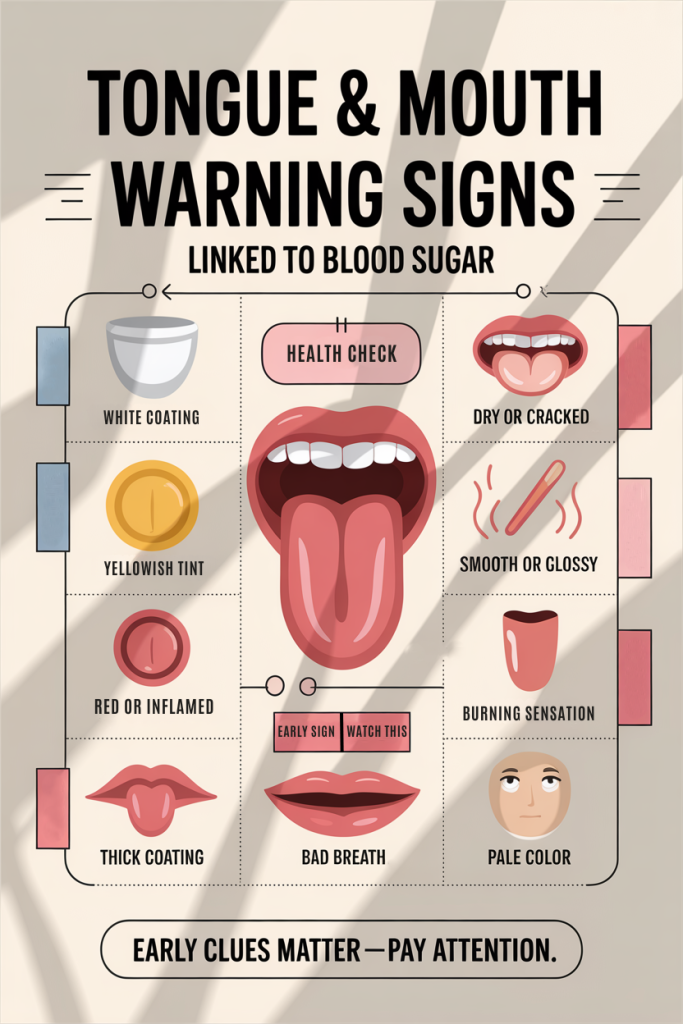
9 Tongue Clues To Look For (Grouped By Appearance And Symptom)
Below we group nine tongue clues by their visual or symptomatic patterns. For each group we’ll describe what to look for, why it might relate to insulin resistance, and red flags that warrant prompt evaluation.
Pale Or Dusky Tongue And Swollen Or Fissured Tongue (Clues 1 & 2)
Clue 1: Pale or dusky tongue
What to look for: A tongue that looks paler than usual, with a muted pink or grayish tone, sometimes with cool or slightly bluish undertones. It may feel slightly firmer than expected or show less visible vascular pattern.
Why it might relate to insulin resistance: Paleness can signal reduced capillary perfusion or anemia: both are more common in people with metabolic dysfunction. Endothelial dysfunction associated with insulin resistance reduces blood flow at the microvascular level, making mucosal surfaces appear less rosy. Also, chronic inflammation can cause subtle shifts in tissue oxygenation that change color.
Red flags: Sudden onset pallor, associated lightheadedness, or unexplained fatigue needs urgent evaluation for anemia or cardiovascular issues. If pallor is accompanied by ulcers or white patches, consider additional causes like nutritional deficiencies or autoimmune disease.
Clue 2: Swollen or fissured tongue
What to look for: A tongue that seems enlarged, with deep grooves (fissures) down the midline or along the sides. It may feel tender or catch food particles in the fissures.
Why it might relate to insulin resistance: Chronic low-grade inflammation and altered lymphatic/vascular dynamics in metabolic syndrome can cause mild tongue swelling. Fissuring often occurs when the surface epithelium is irregularly shed or when dryness and mechanical irritation exacerbate natural grooves. Insulin-resistant states also correlate with nutritional imbalances (B vitamins, iron) that can contribute to fissuring.
Red flags: Rapid swelling affecting breathing or speech is an emergency. Deep, painful fissures with signs of infection (pus, spreading redness) require prompt care.
Practical note: We can often notice these clues by simply looking in a bright mirror, sticking the tongue out, and observing color, size, and surface patterns. Photograph changes periodically, a visual record helps when consulting a clinician.
Thick White Coating And Geographic Patches (Clues 3 & 4)
Clue 3: Thick white coating
What to look for: A noticeable, removable white film across the dorsum of the tongue. It may be filamentous or pasty and sometimes smells unpleasant. Gentle scraping often reveals raw underlying mucosa.
Why it might relate to insulin resistance: A white coating frequently indicates overgrowth of Candida or a shift in bacterial populations. Elevated salivary glucose and reduced local immunity in insulin-resistant states encourage fungal proliferation. Poor saliva flow and mouth breathing, both more common with metabolic problems, also worsen coating.
Red flags: If the coating is painful, bleeds when scraped, or is accompanied by fever or difficulty swallowing, seek medical attention to evaluate for thrush, bacterial infection, or other causes.
Clue 4: Geographic tongue (patchy, map-like areas)
What to look for: Irregular, smooth, red patches on the tongue bordered by white lines that migrate over days or weeks. The appearance resembles a map and can be mildly sensitive or itchy.
Why it might relate to insulin resistance: Geographic tongue is a benign inflammatory condition with unclear etiology, but it’s associated with systemic inflammatory states and certain metabolic disturbances. Shifts in immune function and oral microbiota that accompany insulin resistance may influence its appearance or severity.
Red flags: Geographic tongue is typically harmless: persistent severe pain or concurrent oral ulcers should prompt evaluation for other inflammatory or autoimmune disorders.
Practical note: For both white coating and geographic patterns, improving oral hygiene, addressing dry mouth, and managing blood sugar (if elevated) often reduce severity. Antifungal therapy is sometimes necessary for Candida overgrowth, and that should be guided by a clinician.
Red Or Strawberry Tongue And Smooth, Glossy Tongue (Clues 5 & 6)
Clue 5: Red or strawberry tongue
What to look for: A diffusely red tongue, sometimes with enlarged, prominent papillae that give a bumpy “strawberry” texture. The color is brighter than normal and may be accompanied by a sore throat or fever if infectious causes are present.
Why it might relate to insulin resistance: A red tongue can indicate inflammation, vitamin deficiencies (especially B12), or changes in mucosal blood flow. Insulin resistance correlates with nutritional imbalances and systemic inflammation, both of which can make the tongue appear reddened. In some cases, concurrent infections (like streptococcal pharyngitis) cause a strawberry tongue: while not caused by insulin resistance, immunologic shifts in metabolic syndrome can increase susceptibility to infections.
Red flags: High fever, systemic illness, or rapid-onset intense redness requires urgent care. If redness follows new medications, consider drug reactions.
Clue 6: Smooth, glossy (atrophic) tongue
What to look for: Loss of the normal papillae, leaving a shiny, smooth surface that may be sensitive to spicy or acidic foods.
Why it might relate to insulin resistance: Atrophy of papillae often stems from nutritional deficiencies (B vitamins, iron, folate) or chronic inflammation. Insulin resistance is linked to poorer nutrient absorption and chronic inflammatory signaling that can impair epithelial turnover. Reduced saliva and frequent mucosal irritation also contribute.
Red flags: Severe pain, weight loss, or signs of systemic disease should prompt testing for underlying causes including anemia, autoimmune disease, or malabsorption.
Practical note: When we see a smooth, glossy tongue, we consider simple remedies (dietary correction of deficiencies, improved oral care) but also check labs for B12, ferritin, and folate. Reversing deficiencies often restores papillae over weeks to months.
Yellowish Coating, Persistent Bad Breath, Or Dry Mouth (Clues 7 & 8)
Clue 7: Yellowish coating and persistent bad breath (halitosis)
What to look for: A yellow-to-brown discoloration on parts of the tongue, often accompanied by chronic bad breath that doesn’t fully respond to brushing or mouthwash.
Why it might relate to insulin resistance: Changes in oral flora and reduced salivary clearance, both associated with insulin resistance, can increase volatile sulfur compound production and pigment-producing bacteria, causing yellowish coatings and halitosis. Diets high in simple sugars, frequent snacking, and poor glycemic control feed these microbes.
Red flags: Foul-smelling breath with systemic symptoms (fever, weight loss) may indicate infection or other medical issues. Sudden onset severe halitosis with pain could mean an abscess.
Clue 8: Dry mouth (xerostomia)
What to look for: A persistent sensation of oral dryness, difficulty swallowing, sticky saliva, or frequent thirst even though adequate fluid intake.
Why it might relate to insulin resistance: Metabolic dysregulation alters autonomic function and can reduce salivary gland output. Dehydration from high blood glucose and medications commonly used in metabolic disease (e.g., diuretics) also produce dry mouth. Low saliva worsens bacterial overgrowth and impairs mucosal protection.
Red flags: Sudden severe dry mouth with concurrent visual problems, extreme fatigue, or other neurologic signs needs urgent assessment. Chronic xerostomia should prompt a medication review and evaluation for conditions like Sjögren’s syndrome.
Practical note: Addressing dry mouth (hydration, sugar-free lozenges, saliva stimulants) and improving glycemic control often reduces halitosis and discoloration. We suggest minimizing alcohol, tobacco, and overnight mouth breathing, all contributors to dryness.
Altered Taste, Slow-Healing Ulcers, Or Persistent Soreness (Clue 9 And Related Signs)
Clue 9: Altered taste, slow-healing ulcers, or persistent soreness
What to look for: Changes in taste perception (metallic taste, reduced acuity), frequent or prolonged tongue ulcers, or continuous soreness that doesn’t respond to basic oral care.
Why it might relate to insulin resistance: Impaired tissue repair and chronic inflammation, hallmarks of insulin resistance, slow mucosal healing and predispose to persistent sores. Neuropathic changes may alter taste sensation. Plus, candidal infections or bacterial imbalances can provoke both soreness and taste changes, particularly in a high-glucose environment.
Red flags: Ulcers lasting more than two weeks, especially if indurated, bleeding, or associated with weight loss, should be evaluated urgently for malignancy or serious infection. Sudden severe taste loss accompanied by neurologic symptoms merits immediate assessment.
Practical note: For minor ulcers and soreness we recommend meticulous oral hygiene, topical protective agents as advised by a dentist, and evaluation of blood sugar and nutritional status. When taste changes persist even though correction of reversible factors, referral to ENT or oral medicine may be necessary.
Synthesis of Clue 9 with other signs: Isolated taste change is rarely diagnostic, but when it appears along with coatings, dryness, or delayed healing it strengthens suspicion that systemic metabolic dysfunction is at play.
When To See A Healthcare Provider And What Tests To Ask For
Knowing when to seek care can speed diagnosis and treatment. We recommend seeing a healthcare provider when:
- Tongue changes are new, progressive, or persistent for more than two weeks.
- Changes are accompanied by systemic symptoms (unexplained fatigue, weight loss, recurrent infections, fever).
- There is severe pain, difficulty swallowing, breathing, or chewing.
- Ulcers are non-healing, bleeding, or indurated.
What to tell your clinician: Describe the timeline, any associated symptoms (thirst, urination changes, fatigue), medications, oral hygiene habits, and diet. Photographs taken over days or weeks can be very helpful.
Key tests to consider (we’ll list practical, evidence-based options):
- Basic metabolic screen: Fasting plasma glucose, HbA1c, and fasting insulin (if available) help evaluate insulin resistance and prediabetes. The Homeostatic Model Assessment (HOMA-IR) can be calculated if fasting insulin is measured.
- Lipid panel and high-sensitivity CRP: Metabolic syndrome components often cluster: an elevated CRP supports the presence of systemic inflammation.
- Complete blood count and iron studies: To assess for anemia, which can explain pallor or papillary atrophy.
- Vitamin B12, folate, and ferritin: Deficiencies contribute to glossitis, smooth tongue, and fissuring.
- Oral swab or culture: If a thick coating or suspected candidiasis is present, a targeted swab can confirm fungal overgrowth and guide antifungal therapy.
- Salivary flow assessment or referral to dentistry/ENT: For persistent dry mouth, specialized evaluation helps identify causes including medication effects or autoimmune conditions.
- HbA1c or oral glucose tolerance test (OGTT): If fasting glucose is borderline and suspicion is high, OGTT can unmask postprandial dysglycemia often missed by fasting measures.
- Autoimmune panel when indicated: If the clinical picture suggests autoimmune disease (Sjögren’s, lichen planus), targeted serologies or biopsy may be necessary.
How we prioritize tests: For most patients who present with tongue changes plus metabolic risk factors (central obesity, family history, hypertension), we start with fasting glucose, HbA1c, lipid panel, and basic bloodwork (CBC, B12, ferritin). If those point toward insulin resistance or deficiencies, we expand testing accordingly.
Communication tip: Ask your provider specifically about measuring fasting insulin or calculating HOMA-IR if you suspect early insulin resistance, many clinicians focus on glucose alone and may not order fasting insulin unless prompted.
How To Monitor Your Tongue, Reduce Risk, And Support Insulin Sensitivity
Monitoring and prevention are practical and empowering. Here’s a stepwise plan we can adopt to track tongue changes and improve metabolic health.
- Create a simple baseline and photo log
Take clear photos of your tongue under natural light once a week for a month, then monthly. Note symptoms (dry mouth, taste changes, soreness) and relevant behaviors (new medication, dietary changes). This record helps both you and your clinician spot trends.
- Optimize oral hygiene and hydration
- Brush the tongue gently daily with a soft toothbrush or a tongue scraper to remove debris and reduce microbial load.
- Use alcohol-free mouthwashes: alcohol can worsen dryness.
- Stay hydrated and avoid excessive caffeine or alcohol, which dry the mouth.
- Address modifiable lifestyle drivers of insulin resistance
- Prioritize weight management through a mix of resistance training and aerobic activity, both improve insulin sensitivity.
- Choose a dietary pattern focused on whole foods: nonstarchy vegetables, lean proteins, healthy fats, and lower-glycemic carbohydrates. Reducing frequent sugar intake lowers salivary glucose that feeds pathogenic microbes.
- Aim for consistent sleep and stress management: both sleep deprivation and chronic stress worsen insulin resistance.
- Correct nutritional deficiencies
If labs show low B12, iron, or folate, follow clinician guidance on supplementation. We’ve seen patients’ tongues improve within weeks to months after correcting deficiencies.
- Treat oral contributors directly
- For suspected candidiasis, antifungal treatment under medical supervision often clears thick white coatings and reduces soreness.
- Saliva stimulants (sugar-free gum, pilocarpine when prescribed) and topical moisturizers can relieve xerostomia.
- Regular dental care: professional cleanings and dental evaluations reduce plaque, periodontal disease, and microbial reservoirs that worsen halitosis and coatings.
- Monitor metabolic markers regularly
Recheck fasting glucose and HbA1c per your clinician’s advice, typically every 3–6 months if abnormal or yearly if normal but at risk. If fasting insulin or HOMA-IR was elevated, discuss follow-up testing and personalized interventions.
- Use targeted medical therapies when needed
If lifestyle changes are insufficient and labs confirm insulin resistance or prediabetes, pharmacologic options (metformin, GLP-1 receptor agonists in selected patients) may be appropriate. Improved glycemic control often reduces oral manifestations: discuss risks and benefits with your clinician.
- Know when to escalate care
Persistent worsening of tongue lesions, non-healing ulcers beyond two weeks, or systemic signs require more urgent assessment. Collaboration between primary care, dentistry, ENT, and endocrinology often yields the best outcomes.
Practical checklist we can follow:
- Weekly photos of the tongue for 4 weeks, then monthly.
- Daily gentle tongue cleaning and hydration.
- Quarterly to yearly metabolic screening as advised.
- Prompt lab testing for nutritional markers if papillary atrophy, fissuring, or chronic soreness appears.
- Dental visit every 6–12 months and earlier if signs of infection.
By integrating tongue monitoring into our regular health routine, we make an unobtrusive but powerful addition to early detection. Small daily actions that improve oral environment and metabolic health often lead to visible improvements in weeks to months.