10 Tongue Changes That May Signal Prediabetes Early (What To Watch For)
Prediabetes often develops quietly, and many people don’t recognize early warning signs until glucose levels have climbed significantly. While blood tests remain the gold standard for diagnosis, subtle changes in the mouth, especially the tongue, can be early clues that something metabolic is shifting. In this text we’ll walk through 10 tongue changes that may signal prediabetes early, explain why each change can occur, and give practical guidance on when to seek testing or treatment.
We’re writing from a clinical-observational perspective: these oral findings aren’t diagnostic on their own, but they’re useful red flags. Some results reflect immune changes, others stem from altered oral microbiomes, fungal overgrowth, dry mouth, or microvascular effects of hyperglycemia. We’ll also highlight which changes warrant urgent attention and which are common but less specific. Our goal is to help you and your patients spot patterns earlier so testing, lifestyle changes, or medical care can begin before diabetes develops. Throughout we’ll stick to evidence-informed explanations and actionable next steps, no scare tactics, just clear direction on what to watch for and what to do next.
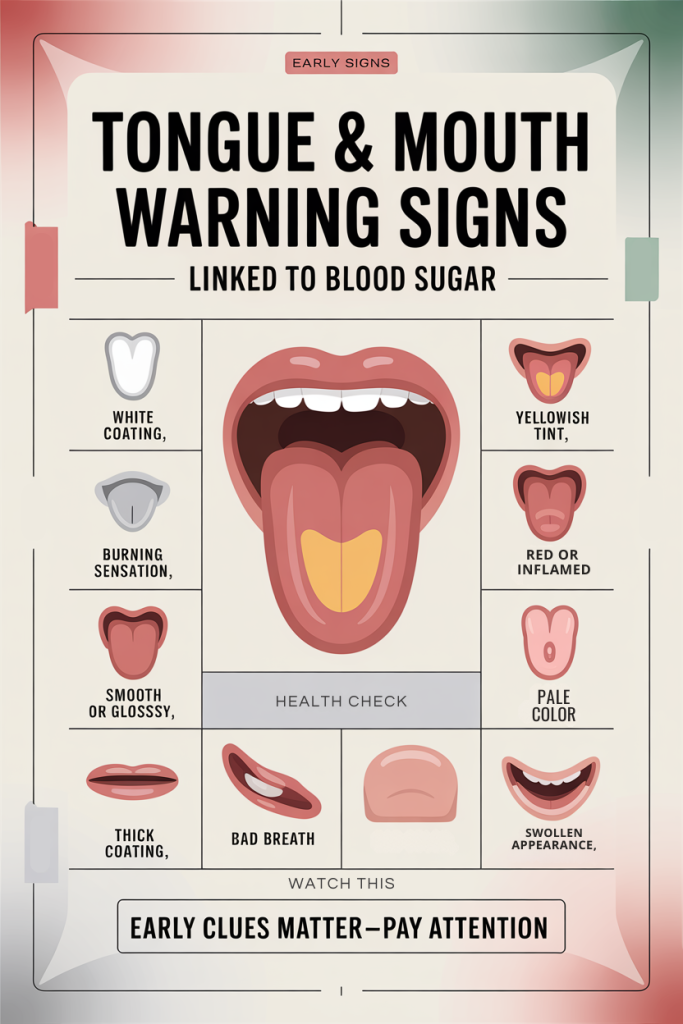
Persistent Glossy Red Or Inflamed Patches
What we’re seeing: Persistent, smooth, glossy red patches, often described as atrophic or inflamed areas, can appear on the tongue and sometimes on other oral mucosa. These patches may look raw, feel tender, and fail to resolve with routine oral hygiene.
Why it may link to prediabetes: Elevated blood glucose impairs local immune defenses and alters tissue repair. Microvascular changes reduce oxygen and nutrient delivery to mucosal surfaces, making them more vulnerable to inflammation. Also, shifts in the oral microbiome and local fungal overgrowth (see thrush section) contribute to persistent redness. In people with impaired glucose tolerance, these patches are more likely to linger and resist simple home remedies.
Clinical clues and timing: If a patient reports a red, tender area on the tongue lasting more than two weeks, especially if paired with other metabolic risk factors (family history, obesity, hypertension), we consider blood glucose testing. The area may feel smoother than surrounding tissue because of loss of papillae.
What to do: We recommend a two-step approach, local and systemic. Locally, improve oral hygiene, avoid irritating foods (spicy, acidic), and consult a dentist for topical antiseptics or corticosteroids if indicated. Systemically, check fasting glucose and HbA1c to evaluate prediabetes. If testing is normal but the patch persists, biopsy or ENT evaluation may be appropriate to exclude other causes like lichen planus or nutritional deficiencies.
Red flags: Rapid enlargement, ulceration, bleeding, or associated lymphadenopathy deserves urgent evaluation. Persistent inflamed patches in adults should not be dismissed as simple irritation.
Pale Tongue Or Loss Of Normal Pink Color
What we’re seeing: A tongue that appears paler than usual or uniformly less pink can be subtle but clinically meaningful. Instead of the healthy pink with visible papillae, the surface looks washed out, sometimes glossy, sometimes dry.
Why it may link to prediabetes: Several mechanisms can produce pallor in the oral mucosa. One is anemia, commonly iron deficiency or B12 deficiency, which can co-occur with metabolic syndrome for nutritional or absorption reasons. Another is reduced microcirculation from chronic hyperglycemia: the small blood vessels that give mucosa its pink tone function less effectively when glucose control is poor. Finally, chronic inflammation and candidal overgrowth can mask normal color.
Clinical clues and timing: We pay attention to pallor when it’s new or progressive. Ask about fatigue, exercise intolerance, heavy menstrual bleeding, or dietary changes that suggest nutritional deficits. In those with obesity or other metabolic risk factors, a pale tongue paired with fatigue raises our index of suspicion for early systemic metabolic issues.
What to do: Start with basic labs, CBC to check for anemia, ferritin and iron studies, and B12. Simultaneously check fasting glucose and HbA1c. If anemia is identified, treat the underlying cause while addressing glucose risk. Improving diet, emphasizing iron-rich foods, vitamin C for absorption, and balanced macronutrients, helps both anemia and metabolic health.
Red flags: Severe pallor with syncope, chest pain, or progressive weakness requires urgent care. Don’t assume pallor is benign, get baseline labs.
Smooth, Shiny Or Atrophied (Glossy) Tongue
What we’re seeing: An atrophied or ‘smooth’ tongue lacks the typical roughness of papillae: it feels shiny and sometimes painful. Patients often describe sensitivity to hot or spicy foods and a metallic or altered taste.
Why it may link to prediabetes: Glossy tongue can arise from loss of filiform papillae due to chronic inflammation, nutritional deficiencies (B vitamins), or fungal overgrowth. In prediabetes, chronic low-level inflammation, altered oral microbiome, and microvascular compromise make mucosal atrophy more likely. Also, long-standing hyperglycemia can blunt salivary function, worsening mucosal health and accelerating atrophy.
Clinical clues and timing: This tends to develop gradually and may be associated with taste changes (dysgeusia). We look for coexisting signs: angular cheilosis, burning mouth sensations, or recurrent infections. If glossitis appears alongside polyuria, excessive thirst, or unexplained weight changes, we prioritize metabolic testing.
What to do: Evaluate for B12, folate, and iron deficiencies: replace deficiencies as indicated. Check fasting glucose and HbA1c for prediabetes. Symptomatic care includes gentle oral care, avoiding irritants, and using a bland, hydrating mouthwash. If fungal infection is suspected, antifungal therapy can help restore mucosal architecture.
Red flags: Rapid onset glossitis with systemic symptoms, fever, weight loss, or severe pain, needs urgent medical assessment to exclude autoimmune or infectious causes.
Thick White Coating And Recurrent Oral Thrush
What we’re seeing: A thick, white coating that scrapes off partially (often leaving a red surface) is classic for oral thrush (candidiasis). Recurrent episodes or persistent coating even though treatment raise concern.
Why it may link to prediabetes: Elevated glucose levels in saliva create a favorable environment for Candida species to proliferate. Impaired local immunity and reduced salivary flow, common in early metabolic dysregulation, also contribute. Prediabetes doesn’t always cause overt diabetes-level fungal issues, but recurrent or treatment-resistant thrush is a noteworthy sign.
Clinical clues and timing: Thrush often causes burning, bad taste, and visible white plaques on the tongue, inner cheeks, or palate. Recurrent thrush, more than twice in six months, should prompt us to check blood sugar. We also review inhaled steroid use, antibiotic history, denture hygiene, and smoking, as these are additional risk factors.
What to do: Treat acute thrush with topical antifungals (nystatin, clotrimazole) or systemic fluconazole when indicated. Simultaneously evaluate fasting glucose and HbA1c. Address contributing factors: optimize denture hygiene, review medications (inhaler technique, need for antibiotics), and improve glycemic control if elevated. Reinforcing oral hydration and sugar-free saliva substitutes helps as well.
Red flags: Thrush that is painful, accompanied by fevers, or associated with weight loss or dysphagia should prompt urgent evaluation for systemic disease or advanced immunosuppression.
Brown Or Black ‘Hairy’ Coating And Poor Oral Hygiene Signs
What we’re seeing: A brown or black discoloration with a hair-like appearance, often called “black hairy tongue”, occurs when filiform papillae overgrow and trap pigments, bacteria, or debris. It’s usually benign but may signal broader issues when persistent.
Why it may link to prediabetes: Prediabetes can contribute indirectly: reduced salivary flow, altered oral flora, and increased carbohydrate availability encourage bacterial growth and pigment deposition. Smoking, certain antibiotics, and poor oral hygiene are common triggers. In someone with metabolic risk factors, persistent discoloration paired with other tongue changes may reflect an oral environment favorable to overgrowths and infections.
Clinical clues and timing: Black hairy tongue often develops over weeks, with patients noticing discoloration and a coating that can retain tastes or cause halitosis. Ask about tobacco, alcohol, antibiotics, and diet high in sugars or soft, processed foods that reduce mechanical abrasion.
What to do: Management focuses on mechanical debridement, tongue brushing or a tongue scraper, improved oral hygiene, smoking cessation, and addressing dry mouth. If black discoloration doesn’t respond, evaluate medications and consider switching offending drugs in consultation with prescribers. Check fasting glucose and HbA1c if other signs of metabolic dysfunction are present.
Red flags: If discoloration is patchy, ulcerated, or associated with pain or bleeding, biopsy may be needed to exclude pigmented lesions or malignancy. But most black hairy tongue cases are reversible with simple measures.
Fissures, Cracks, Or Deep Grooves On The Tongue Surface
What we’re seeing: Fissured tongue presents as one or more deep grooves or cracks along the dorsal surface. It may trap food, retain bacteria, and cause irritation or bad breath.
Why it may link to prediabetes: Fissures themselves are multifactorial, genetics, aging, dehydration, and nutritional deficiencies (B vitamins) play roles. In the context of prediabetes, chronic dry mouth and altered mucosal resilience from microvascular changes can worsen or accentuate fissures. Recurrent infections in fissures are more likely when local immunity and salivary defenses are reduced.
Clinical clues and timing: Fissured tongues can be longstanding and benign, but new or deepening fissures deserve attention. Patients may complain of trapped food, halitosis, or intermittent discomfort. If fissures are accompanied by redness, white plaques, or burning sensations, suspect secondary candidiasis or inflammation linked to metabolic changes.
What to do: Improve hygiene with gentle tongue cleaning and consider topical antiseptics to reduce microbial load. Evaluate hydration and salivary function, and correct any nutritional deficiencies. In patients with risk factors or other tongue abnormalities, assess fasting glucose and HbA1c. If fissures are associated with geographic tongue patterns or systemic symptoms, dermatology or oral medicine consultation can help.
Red flags: Deep, painful fissures with purulent drainage or systemic symptoms require urgent evaluation for infection or other systemic disease.
Swollen, Puffy, Or Enlarged Tongue (Macroglossia)
What we’re seeing: Macroglossia, the tongue appears larger, may protrude beyond the teeth, or feel bulky, can interfere with speech, swallowing, and dentition alignment.
Why it may link to prediabetes: While true macroglossia is more classically linked to conditions like hypothyroidism, amyloidosis, or genetic syndromes, metabolic factors can contribute to mild tongue swelling. Poor glycemic control promotes glycation and low-grade tissue inflammation. Also, fluid retention related to nephropathy or heart failure (both linked with metabolic disease) can cause oral soft-tissue edema. Finally, obstructive sleep apnea, closely tied to obesity and prediabetes, often coincides with tongue enlargement or relative airway crowding.
Clinical clues and timing: Progressive tongue enlargement or a feeling of fullness in the mouth warrants evaluation. Ask about snoring, daytime sleepiness, difficulty swallowing, or changes in bite alignment. If enlargement is asymmetric, painful, or sudden, differential diagnoses include angioedema, infection, or trauma.
What to do: Assess for systemic causes: check thyroid function, HbA1c, and signs of renal or cardiac dysfunction as clinically indicated. For sleep-related symptoms, screen for obstructive sleep apnea. Mild enlargement tied to metabolic syndrome may improve with weight loss and better glucose control. For significant macroglossia affecting function, refer to ENT or oral surgery for further evaluation.
Red flags: Rapid swelling, airway compromise, or associated anaphylaxis requires immediate emergency care.
Burning, Tingling, Or Painful Tongue Sensation
What we’re seeing: A burning or tingling sensation, often described as burning mouth syndrome, can be diffuse or localized to the tongue. It may coexist with dry mouth and taste changes, and patients sometimes report heightened sensitivity.
Why it may link to prediabetes: Neuropathy isn’t limited to peripheral nerves in the limbs: small-fiber neuropathy can affect oral mucosa and taste nerves. Early dysglycemia may cause subtle nerve dysfunction manifesting as burning or paresthesia in the tongue. Contributing factors include nutritional deficiencies (B12, folate), dry mouth, and candidal infections. Psychological factors (anxiety, depression) may also amplify symptoms.
Clinical clues and timing: Burning sensations often follow a chronic course and are worse in the evening. They may be multifactorial: check for oral thrush, medication side effects, and nutritional deficits. If patients have other neuropathic symptoms, tingling in the hands or feet, numbness, we increasingly suspect metabolic neuropathy.
What to do: Evaluate fasting glucose and HbA1c, and screen for B12 and folate. Treat reversible causes such as thrush or dry mouth. For neuropathic pain, medications like low-dose gabapentin, certain antidepressants, or topical agents may help under clinician guidance. Behavioral strategies, stress reduction, cognitive therapy, can also improve quality of life.
Red flags: New severe pain, rapidly progressive sensory loss, or focal neurological deficits need immediate neurologic assessment.
Dry, Sticky Mouth And Persistent Bad Taste Or Odor (Dryness And Coating Combined)
What we’re seeing: Xerostomia (dry mouth) produces a sticky sensation, difficulty swallowing dry foods, and a tendency for mucosal coatings to persist. Patients also report persistent bad taste (dysgeusia) or halitosis even though oral care.
Why it may link to prediabetes: Salivary glands are sensitive to metabolic changes. Elevated glucose levels and dehydration from polyuria reduce salivary flow. Reduced saliva increases bacterial and fungal growth, leading to coating and odor. Medications commonly used for comorbid conditions (antihypertensives, antidepressants) also contribute, compounding the effect in people with prediabetes.
Clinical clues and timing: We ask about nighttime dry mouth, difficulty forming a bolus, or needing water frequently. Examine for thick coatings, caries, and gingival inflammation. If dry mouth is new or unexplained, we check glucose and HbA1c and review medications.
What to do: Address reversible contributors, adjust medications where possible, increase hydration, and use saliva-stimulating strategies (sugar-free gum, pilocarpine if indicated). Recommend meticulous oral hygiene and alcohol-free mouthwashes. For persistent odor, evaluate for periodontal disease or chronic infections and refer to a dentist. Improving glycemic control often reduces xerostomia and its downstream effects.
Red flags: Severe dry mouth with difficulty eating, speaking, or progressive dental decay necessitates urgent dental or medical review.
Conclusion: When To See Your Provider And Next Steps
Tongue changes are rarely diagnostic on their own, but they’re meaningful pieces of a larger metabolic picture. When we observe persistent or recurrent tongue abnormalities, especially multiple signs together such as coating plus burning, or recurrent thrush with pallor, we prioritize metabolic screening. A fasting glucose and HbA1c are inexpensive, widely available tests that can detect prediabetes early when lifestyle changes are most effective.
Practical next steps we recommend:
- Get tested: If you notice persistent tongue changes plus any risk factors (family history, excess weight, high blood pressure), arrange fasting glucose and HbA1c testing.
- Improve oral care: Regular dental visits, tongue cleaning, hydration, and smoking cessation reduce local triggers.
- Address nutrient gaps: Screen and treat iron, B12, and folate deficiencies when indicated.
- Treat infections promptly: Recurrent thrush or resistant coatings warrant antifungal therapy and metabolic evaluation.
- Work on metabolic risk: Weight management, physical activity, and dietary changes reduce progression to type 2 diabetes.
If you’re unsure whether a tongue change is significant, we suggest documenting it with a photo and sharing that with your primary care provider or dentist. Early detection gives us options: modest, evidence-based interventions now can prevent much bigger problems later.