Cortisol Vs Sleep: The Hidden Weight‑Gain Connection — How To Break The Cycle In 2026
We often talk about calories, macros, and workouts when weight creeps up, but there’s a quieter culprit working behind the scenes: cortisol. In 2026, with stressors multiplying and our sleep windows fragmenting, understanding the interplay between cortisol and sleep isn’t optional, it’s essential. This article maps the physiological conversation between our stress hormone and nightly rest and explains why that relationship matters for weight, appetite, and metabolic health. We’ll unpack how cortisol normally cycles through our day, how poor sleep disrupts that rhythm, and the metabolic consequences when cortisol stays elevated. Most importantly, we’ll give practical, evidence-informed strategies you can use tonight and going forward to lower cortisol, restore better sleep timing, and reduce the hormonal nudges that favor fat storage. Read on if you want clear, actionable steps to break the cortisol–sleep–weight gain cycle and regain control of your body and energy in 2026.
What Cortisol Is And Why It Matters For Weight And Sleep
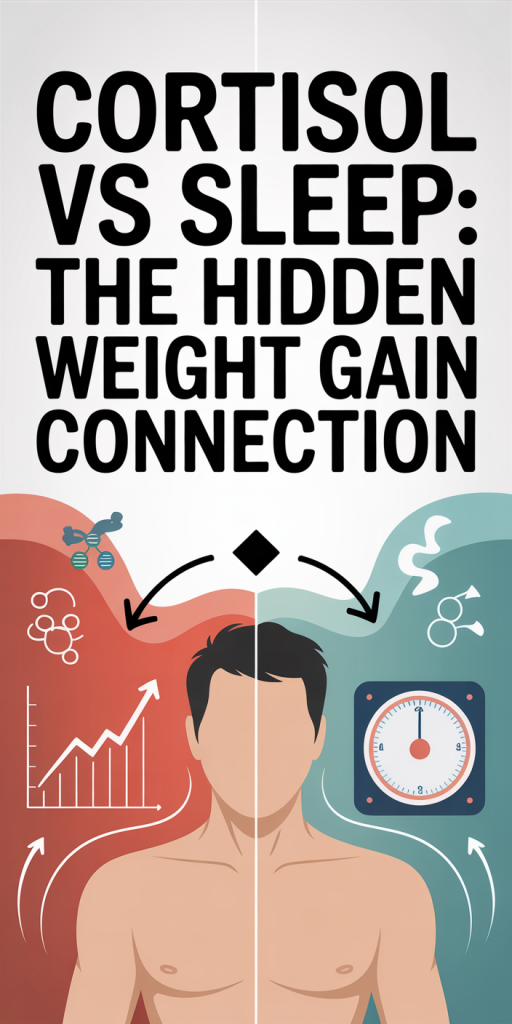
Cortisol is a steroid hormone produced by the adrenal glands that plays a central role in our stress response, energy availability, and circadian biology. We’re used to thinking of cortisol as the “stress hormone,” but that label misses the nuance: cortisol is crucial for glucose regulation, appetite signaling, blood pressure, and inflammation control. Its levels rise and fall in a predictable pattern tied to our internal clock, and when that pattern derails, the ripple effects include disrupted sleep and altered metabolism that can promote weight gain.
From a weight perspective, cortisol influences where we store fat (favoring visceral fat), how readily we break down muscle, and how insulin-sensitive our tissues are. For sleep, cortisol is both a cause and consequence: poor sleep elevates cortisol the next day, while an inappropriately high evening cortisol level can make it harder to fall and stay asleep. That feedback loop is why we must treat cortisol not as an isolated lab value but as part of a dynamic system that directly interacts with our nightly restoration and daily energy balance.
In short, understanding cortisol’s normal rhythm and the circumstances that push it upward gives us a roadmap for practical interventions that improve both sleep and body composition.
How Sleep Regulates Cortisol And Hormone Timing
Sleep isn’t just a passive state, it’s a regulator of hormonal timing. When we get consolidated, high‑quality sleep, several hormonal cascades align: leptin (satiety hormone) tends to stay stable, ghrelin (hunger hormone) drops, insulin sensitivity improves, and cortisol follows its natural trough overnight and a robust rise toward morning. That morning rise helps us wake and mobilize energy. But when sleep is fragmented, shortened, or mistimed, that coordination frays.
Chronic short sleep raises evening and next‑day cortisol, shifts the cortisol awakening response, and blunts the amplitude of daily hormone rhythms. We see this in shift workers and people with social jet lag: their cortisol curve flattens, removing the clear signal that separates night from day for metabolism. The result is misaligned eating cues, greater appetite for calorie-dense foods, and poorer glucose handling.
Restoring sleep regularity, consistent bed and wake times, sufficient duration, and prioritizing the biological night, helps re-anchor cortisol timing. In practice, improving sleep timing is one of the most powerful levers we have to normalize cortisol and, by extension, protect metabolic health.
How Elevated Cortisol Drives Weight Gain
When cortisol is persistently elevated, whether from chronic stress, sleep loss, or medical conditions, it nudges physiology toward energy storage and conservation. We should think of cortisol’s role like a thermostat that, when cranked up, favors holding onto energy: increased appetite (especially for sugars and fats), cravings for quick energy sources, and shifts in where the body deposits fat.
Elevated cortisol affects the body in multiple converging ways that promote weight gain. First, it increases lipogenesis in the visceral region, meaning fat accumulates around organs where it’s metabolically active and harmful. Second, cortisol promotes muscle protein breakdown to free amino acids for gluconeogenesis, reducing lean mass and lowering resting metabolic rate over time. Third, cortisol interferes with insulin signaling, leading to higher circulating glucose and eventual insulin resistance, a major driver of fat accumulation and metabolic disease.
From a behavioral angle, higher cortisol correlates with emotional eating, disrupted meal timing, and reduced motivation for physical activity. Combined, these physiological and behavioral effects make cortisol a powerful, though often invisible, contributor to gradual weight gain.
Practical Strategies To Lower Cortisol And Improve Sleep Quality
Addressing cortisol and sleep together delivers outsized benefits for weight and metabolic health. Below we outline practical, science-based strategies that we can adopt without radical life upheaval.
- Evening Routines and Sleep Environment
- Dim lights an hour before bed and limit screen time to reduce blue light exposure, which can blunt melatonin and delay sleep onset. Use warm lighting and consider low‑blue night settings on devices.
- Keep the bedroom cool (around 65°F/18°C), dark, and quiet: these conditions help deepen slow‑wave sleep, when cortisol suppression is strongest.
2. Stress Reduction Practices
- Daily brief practices (10–20 minutes) like mindfulness meditation, deep diaphragmatic breathing, or progressive muscle relaxation lower sympathetic tone and blunt cortisol spikes. We find consistency matters more than duration, even five minutes nightly can shift physiology.
- Cognitive strategies: write a short “worry list” before bed to offload rumination. This simple habit often short‑circuits evening arousal.
3. Nutrition and Timing
- Avoid large meals, caffeine, and alcohol within 2–3 hours of bedtime. Late caffeine increases nocturnal cortisol for some people: alcohol fragments sleep and raises next‑day cortisol.
- Prioritize balanced meals with protein, fiber, and healthy fats earlier in the evening to stabilize blood sugar and reduce nocturnal hunger-driven cortisol surges.
4. Timing of Exercise
- Regular exercise lowers baseline cortisol and improves sleep over weeks. But, intense workouts right before bed can transiently elevate cortisol and impair sleep for sensitive individuals. Schedule vigorous training earlier in the day when possible: reserve light yoga or stretching for evening.
5. Light Exposure and Circadian Anchors
- Get bright light exposure soon after waking to strengthen the cortisol awakening response and align circadian timing. Consistent meal and activity timing also reinforce daily hormone rhythms.
These strategies are synergistic: small wins in sleep environment, stress management, and timing of food and exercise add up, bringing cortisol back into a healthy rhythm and reducing its weight‑promoting effects.
Evening Routines, Stress Reduction, Nutrition, And Timing Of Exercise
We’ll dive deeper into the practical pillars that most reliably lower evening cortisol and improve sleep architecture.
Evening Routines: Rituals prime the brain for sleep. We recommend a 30–60 minute wind‑down that is predictable: light stretching, reading a paper book, or a warm bath. A warm bath followed by a cool bedroom facilitates the drop in core temperature that signals sleep onset. Consistency in bedtime creates a circadian cue that lowers nocturnal arousal and reduces cortisol.
Stress Reduction: For many of us, daytime stress accumulates and shows up at night. We suggest integrating short, evidence-based practices: 10 minutes of mindfulness in the morning and 10 minutes of diaphragmatic breathing at night. When stress spikes, use the 4‑7‑8 breathing pattern or box breathing to quickly reduce sympathetic activation. Over weeks, these practices lower basal cortisol and improve sleep initiation.
Nutrition: Timing matters. Eat your largest meal earlier in the day and avoid heavy, high‑glycemic meals close to bedtime. Small protein-rich evening snacks can be acceptable if they prevent hypoglycemia-driven arousal. Limit alcohol and caffeine, and be mindful that some people are more sensitive to late caffeine than they realize.
Timing of Exercise: Schedule high‑intensity sessions in the morning or late afternoon. If evening is the only option, allow at least 90–120 minutes between training and lights‑out and finish with a cooling-down routine that includes breathing and gentle stretching to lower heart rate and cortisol.
Conclusion
Cortisol versus sleep is less a battle than a conversation: when we improve one, the other tends to follow. In 2026, the practical wisdom is clear, prioritize regular sleep timing, reduce evening arousal, and align nutrition and exercise with your circadian rhythm to reset cortisol and protect metabolic health. Small, consistent changes in routines, stress management, and timing add up to meaningful shifts in weight trajectory and energy. If you’re struggling even though these measures, seek medical evaluation to rule out underlying disorders and get tailored treatments. We can break the cycle, one night, one routine, and one habit at a time.