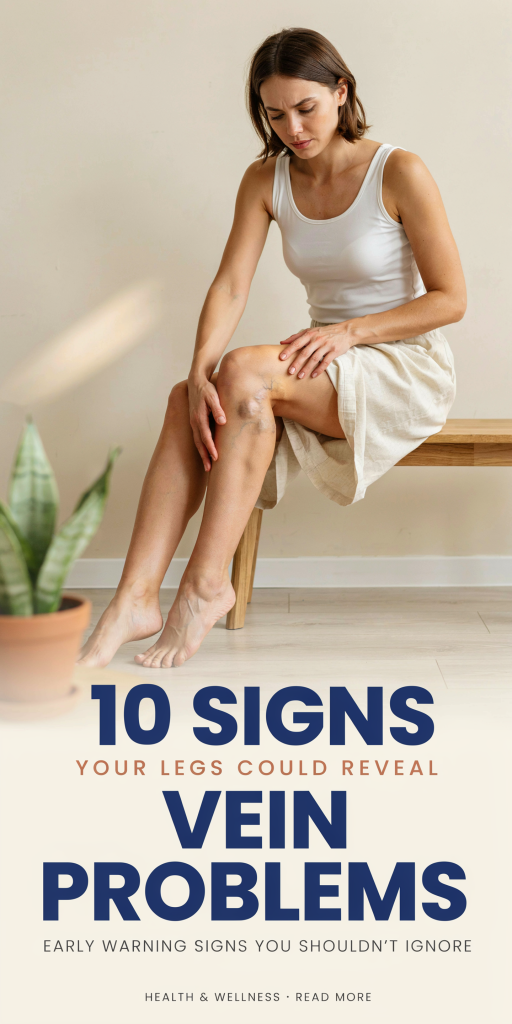
10 Signs Your Legs Could Reveal Vein Problems — What To Watch For In 2026
Our legs often tell a story about vascular health long before other symptoms appear. In 2026, with better diagnostic tools and more awareness, recognizing early signs of vein problems can prevent pain, infection, and more serious complications. In this guide we’ll walk through the ten most important signs your legs could reveal vein problems, why they matter, and when to get checked. We want you to feel confident spotting warning signs, understanding what they might mean, and taking smart next steps. Whether you’ve noticed cosmetic changes, persistent discomfort, or changes in skin and circulation, this article breaks down what’s common, what’s urgent, and what treatments are available today. Read on so you and your healthcare team can make timely, informed choices about vein health.
Why Leg Vein Health Matters And When To Get Checked
Leg vein health isn’t just about appearance, it’s about circulation, comfort, and preventing complications. Veins return blood to the heart: when they struggle, blood can pool, pressure rises, and tissues suffer from poor oxygenation. Over time this can lead to chronic venous insufficiency (CVI), skin changes, ulcers, and in rare cases, blood clots. Early detection matters because many effective, minimally invasive treatments exist now: compression therapy, sclerotherapy, endovenous ablation, and lifestyle adjustments can halt or reverse progression.
We recommend getting checked when symptoms begin to affect daily life: persistent aching, swelling that doesn’t resolve after rest, visible vein changes, or skin discoloration. Also, seek evaluation if you have risk factors, a family history of varicose veins, prior deep vein thrombosis (DVT), pregnancy, obesity, or prolonged standing or sitting. A vascular specialist will typically perform a history, physical exam, and duplex ultrasound to map flow and valve function. Acting sooner often means simpler treatments, fewer recurrences, and better long-term outcomes for mobility and comfort.
How Vein Problems Develop And Who’s At Higher Risk
Vein problems most commonly stem from valve dysfunction. Healthy leg veins have one-way valves that prevent backflow. When valves weaken or fail, blood pools, veins dilate, and pressure increases, that’s the pathway to varicose veins and CVI. Contributing factors include genetics, hormonal changes, pregnancy (increased blood volume and pressure), prolonged standing or sitting, obesity, and prior leg injury or surgery. Age matters too: valves and vein walls lose elasticity over decades.
Certain groups face higher risk. Women develop symptomatic varicose veins more often than men, partly due to hormonal influences and pregnancy. People with a family history have a markedly increased likelihood. Occupations with long periods of standing (teachers, retail workers, nurses) or extended immobility (truck drivers, frequent flyers) also raise risk. A history of deep vein thrombosis or clotting disorders is a red flag because DVT can damage valves permanently. We always ask about medication, pregnancies, activity patterns, and prior clots during assessment because these shape both prognosis and treatment choices.
Visible Varicose And Spider Veins: Not Just Cosmetic
Visible veins are often the first thing people notice, but they’re not merely a cosmetic issue. Spider veins are small, web-like capillaries near the skin surface: varicose veins are larger, bulging, twisted veins that can be felt and sometimes hurt. Both indicate underlying venous pressure or valve dysfunction. While spider veins rarely signal severe disease, they can cause discomfort and reflect deeper reflux in feeding veins. Varicose veins more commonly produce symptoms and complications like aching, swelling, or skin changes.
Our approach is to evaluate visible veins in context. If varicose veins are symptomatic or pose a clot risk, treatment is usually recommended. Minimally invasive procedures such as foam or liquid sclerotherapy, endovenous laser ablation, and radiofrequency ablation effectively close malfunctioning veins, redirecting blood to healthier channels. We emphasize that treating visible veins can improve symptoms, reduce future problems, and improve mobility, not just appearance. If you’re self-conscious, bring that up: cosmetic outcomes matter to quality of life and often align with medical benefits.
Persistent Leg Pain, Aching, Or A Feeling Of Heaviness
A persistent dull ache or a sense of heaviness in the legs is one of the most common complaints linked to venous problems. It often starts as an end-of-day fatigue that gets better with leg elevation but can progress to nearly constant discomfort. Unlike arterial claudication, which causes cramping during exertion, venous pain frequently worsens with prolonged standing or when legs are dependent and improves with rest and elevation.
We ask patients to describe timing, triggers, and relief patterns. If pain lasts after rest, is accompanied by swelling or visible veins, or progressively limits walking, a venous cause is likely. Simple measures such as graduated compression stockings, weight loss, and regular walking can lessen symptoms early on. If pain persists, procedural options can target refluxing veins and relieve pressure. Importantly, new, severe unilateral leg pain should be evaluated promptly to exclude deep vein thrombosis, an urgent condition with different treatment needs.
Swelling, Edema, Or A Sense Of Tightness In The Calves Or Ankles
Swelling in the calves or ankles, especially if it’s worse at the end of the day and improves overnight, is a hallmark of venous insufficiency. Fluid pools when venous return is impaired, creating pitting edema and a sensation of tightness. Chronic edema stretches skin and tissues, which increases the risk of skin breakdown and ulcers over time.
We differentiate venous edema from other causes like heart failure or kidney disease through history, physical exam, and targeted tests. Venous swelling often correlates with visible varicose veins, skin discoloration, or aching. Compression therapy remains the cornerstone of early management and provides immediate symptom relief for many. For persistent or asymmetric swelling, duplex ultrasound helps detect reflux or obstructive issues, and interventions to correct reflux can reduce edema long-term. Addressing contributing factors, elevated BMI, inactivity, and certain medications, also plays a key role in management.
Itching, Skin Discoloration, Or Changes In Skin Texture
Skin changes around the lower leg and ankle often signal advanced venous disease. Hemosiderin deposition, brownish discoloration, happens when red blood cells leak from congested veins into surrounding tissues. The skin may become thin, shiny, or scaly, and chronic inflammation can cause persistent itching. These changes are not just cosmetic: they indicate ongoing microvascular damage and an increased risk for ulcer formation.
We view early skin changes as a call to action. Moisturizers and topical treatments can soothe symptoms, but managing the underlying venous hypertension is crucial to prevent progression. Compression stockings and venous interventions that correct reflux reduce pressure and can stabilize or partially reverse skin changes. If we see severe eczema-like dermatitis or progressive discoloration, we often coordinate care with dermatology and wound specialists, because addressing both the skin and circulation yields the best outcomes.
Cramping, Restless Legs, Or Frequent Night Cramps
Night cramps and restless leg sensations are common complaints with multiple causes, but venous insufficiency is an under-recognized contributor. Increased venous pressure can disrupt normal muscle perfusion and nerve signaling, producing cramping, tingling, or restless sensations, especially at night. These symptoms often interfere with sleep and daytime function.
We evaluate cramping by timing and associated signs. If cramps improve with leg elevation, exercise, or compression, a venous component is likely. Stretching, hydration, magnesium where appropriate, and wearing compression garments at night can provide relief for many patients. For persistent nocturnal symptoms that align with other venous signs, treating the underlying reflux often reduces frequency and severity. Because restless legs can also stem from neurological or metabolic causes, we take a broad view and coordinate testing if symptoms don’t respond to initial venous-focused measures.
Slow-Healing Sores, Ulcers, Or Changes Around The Ankle
One of the most serious signs of chronic venous disease is a venous leg ulcer. These typically appear near the medial ankle and start as small sores that fail to heal, often after minor trauma. Ulcers result from prolonged venous hypertension, which impairs tissue oxygenation and healing. They can be painful, may become infected, and significantly reduce quality of life.
We treat ulcers aggressively and holistically. Standard care includes compression therapy to address the venous hypertension, wound care to promote healing, and evaluation for deep venous obstruction or reflux that might need intervention. Duplex ultrasound guides targeted treatments such as endovenous ablation of refluxing veins or venous stenting when obstruction is present. Prompt attention improves healing rates and decreases recurrence. If you notice any sore around the ankle that doesn’t improve in a couple weeks, get it assessed, early specialist involvement makes a big difference.
Burning, Throbbing, Sudden Sharp Pain Or Bleeding From Veins
Acute sensations like burning, throbbing, or sudden sharp pain in a visible vein can indicate superficial thrombophlebitis or ruptured varicosities. Superficial thrombophlebitis is inflammation and clotting within a superficial vein, it causes localized tenderness, redness, and a cordlike hard vein. While less dangerous than deep vein thrombosis, it can be painful and may require anticoagulation or anti-inflammatory treatment in some cases.
Spontaneous bleeding from varicose veins, usually following minor trauma, can be alarming. Although most bleeding is controllable with pressure and elevation, recurrent bleeding or large-volume hemorrhage needs urgent care and definitive treatment of the underlying venous pathology. We advise patients with sudden severe pain, rapid swelling, or bleeding that doesn’t stop within 10–15 minutes to seek emergency care. For non-emergent superficial issues, we offer bedside procedures and plan ablation or phlebectomy to prevent recurrence and reduce pain.
Conclusion: When To See A Specialist And Next Steps
Vein problems are common but not inevitable outcomes of aging or pregnancy. We’ve covered ten signs that range from cosmetic changes to urgent symptoms signaling complications. If you notice persistent aching, swelling, skin changes, non-healing sores, or sudden painful events in your legs, it’s time to consult a specialist. Early evaluation with a vascular exam and duplex ultrasound lets us tailor treatment, often with minimally invasive options that relieve symptoms and prevent progression.
Next steps: start with conservative measures like compression stockings, regular walking, weight management, and leg elevation: document symptoms and triggers: and schedule a vascular assessment if issues persist beyond a few weeks or worsen. We encourage proactive conversations with your primary care provider or a vein specialist, catching problems early leads to simpler, more effective care and better long-term leg health.