10 Warning Signs Your Liver May Be Overloaded (What To Watch For In 2026)
Our liver quietly handles hundreds of jobs every day: filtering toxins, processing medications, making bile for digestion, storing energy, and helping manage cholesterol and hormones. When it’s overwhelmed, whether by too much alcohol, a medication mix, chronic fatty liver changes, or metabolic stress, the first signs are often subtle. We may dismiss them as stress, aging, or a bad night’s sleep. But catching early signals can prevent serious damage. In this text we’ll walk through what “liver overloaded” actually means, the common causes, ten warning symptoms to watch for, how clinicians test for trouble, and practical steps we can take now to ease liver strain. Our aim is to help you spot red flags earlier and make informed choices about testing and lifestyle changes.
What “Liver Overloaded” Means — When To Be Concerned
“Liver overloaded” isn’t a single medical diagnosis, it’s a practical way to describe when the liver’s normal workload exceeds its capacity to perform key functions. That can be transient (a big night of drinking, an acetaminophen overdose) or chronic (nonalcoholic fatty liver disease, long-term viral hepatitis, or repeated exposure to toxins). When the liver is overloaded, metabolic processes slow, waste products build up, inflammation increases, and liver cells can become injured or die.
We should be concerned when symptoms are persistent, progressive, or accompanied by signs like jaundice, confusion, uncontrolled bleeding, or severe abdominal pain. Short-lived fatigue after a stressful week is different from persistent fatigue with poor appetite and abdominal swelling. The tipping points we watch for are changes that affect daily function or appear together: digestive upset plus skin yellowing, new swelling plus easy bruising, or cognitive changes with abnormal lab tests.
Clinically, overload often shows up as elevated liver enzymes (ALT, AST), changes in bilirubin, and abnormalities in synthetic function markers (albumin, INR). But symptoms can precede lab abnormalities, or labs can be abnormal before symptoms appear, which is why both awareness and appropriate testing matter. In short: pay attention to clusters of signs and to anything that’s new or worsening.
Common Causes That Can Overwork Your Liver
Several common situations can push the liver beyond its comfortable workload. Knowing the causes helps us connect symptoms to likely origins.
- Alcohol use: Heavy or binge drinking is a classic, reversible cause of liver overload. Even regular moderate drinking combined with other risk factors can be harmful.
- Medications and supplements: Over-the-counter acetaminophen (paracetamol) is a leading cause of acute liver injury when taken in high doses or mixed with alcohol. Certain prescription drugs, herbal supplements (like kava or green tea extract in high doses), and some antibiotics or statins can stress the liver.
- Metabolic conditions: Nonalcoholic fatty liver disease (NAFLD) and its progressive form, nonalcoholic steatohepatitis (NASH), are driven by insulin resistance, obesity, high triglycerides, and type 2 diabetes. NAFLD is now the most common chronic liver condition in many countries.
- Viral infections: Hepatitis B and C can cause chronic inflammation and slow damage over years. Acute viral hepatitis (A, B) can also temporarily overload the liver.
- Toxins and chemicals: Workplace exposures, industrial solvents, and certain herbal or traditional medicines can be hepatotoxic.
- Autoimmune and genetic conditions: Autoimmune hepatitis, hemochromatosis (iron overload), and Wilson disease (copper overload) are less common but important causes, especially in younger people or when family history suggests a genetic issue.
Often more than one factor contributes, for example, alcohol plus obesity plus a new medication. That cumulative stress is exactly what we mean by an overloaded liver. Addressing multiple contributors usually gives the best chance of recovery.
Early Warning Symptoms: Digestive Trouble, Bloating, And Nausea
Digestive symptoms are among the earliest and most common hints that the liver is struggling. Because the liver and bile system are closely tied to digestion, we can experience subtle but persistent changes.
- Bloating and fullness: We may feel bloated after meals or notice early satiety. If bile production or flow is reduced, fat digestion suffers, and meals, especially fatty ones, can leave us uncomfortable.
- Chronic nausea: A persistent queasy feeling that’s not explained by food poisoning or pregnancy is concerning. Ongoing nausea with poor appetite can be a sign of liver inflammation or toxin accumulation.
- Indigestion and acid reflux: Though common for many causes, when indigestion is chronic and appears alongside other liver-related symptoms, it should trigger evaluation.
- Changes in bowel habits: Pale stools (clay-colored) can indicate impaired bile excretion. Conversely, persistent diarrhea after fatty meals may signal fat malabsorption.
- Gas and burping: While often benign, a noticeable change from our baseline, particularly alongside fatigue or skin changes, is worth noting.
Because these symptoms are common in benign conditions, context matters. We should be more concerned when digestive issues persist even though dietary adjustments, come with weight changes, or are coupled with systemic signs like jaundice or swelling.
Appetite And Weight Changes: Unintentional Loss, Cravings, Or Sudden Gain
The liver is central to energy balance: when it’s stressed we often see appetite and weight changes that aren’t explained by lifestyle.
- Unintentional weight loss and poor appetite: Inflammatory liver conditions and toxins can blunt appetite. If we lose weight without trying and feel weaker or less able to exercise, that’s a red flag.
- Sudden weight gain and abdominal fat: Conversely, progressive fatty liver disease links closely to central weight gain. We might notice a growing “belly” even if we haven’t changed our diet dramatically.
- Cravings, especially for sweets or carbs: Metabolic disturbances and insulin resistance associated with NAFLD can increase carbohydrate cravings. These cravings can create a vicious cycle that worsens liver fat.
- Difficulty gaining meaningful muscle: Chronic liver stress can impair protein metabolism and energy, making it harder to build or maintain muscle mass, even with exercise.
We should track these patterns. Appetite changes with persistent digestive symptoms, or rapid unexplained weight changes, increase the likelihood that the liver is involved. Combining weight monitoring with simple blood tests can quickly clarify whether the liver is part of the problem.
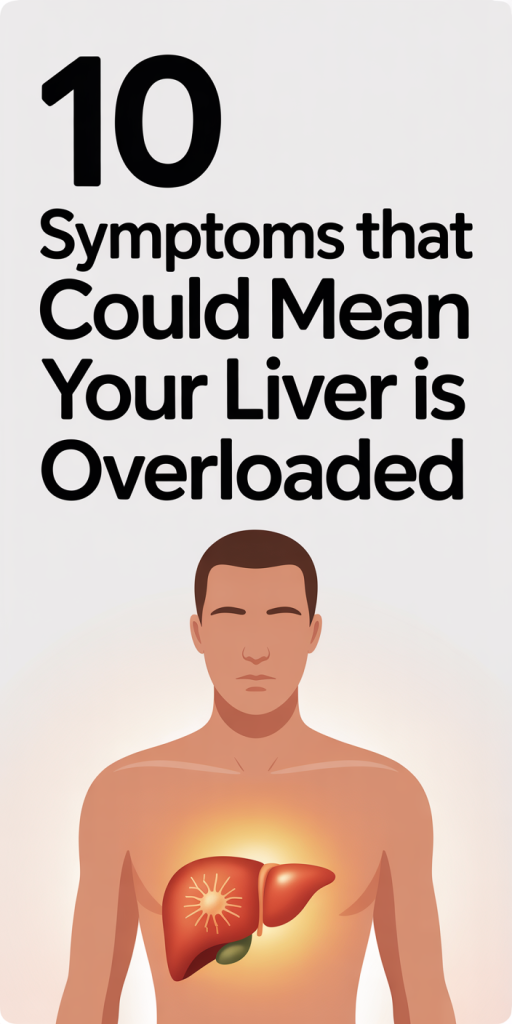
Skin, Eyes, And Urine Clues: Jaundice, Itching, And Dark Urine
Some of the most obvious external signs of liver strain show up on the skin, eyes, and urine. These are the cues that often push people to seek care.
- Jaundice (yellowing of skin and eyes): Jaundice results from elevated bilirubin when the liver can’t process or excrete it efficiently. Even mild yellowing of the whites of the eyes is an important sign.
- Dark urine and pale stools: Dark urine occurs when conjugated bilirubin is excreted by the kidneys. Pale or clay-colored stools suggest lack of bile reaching the intestines.
- Itching (pruritus): Persistent, unexplained itching, often worse at night, can occur when bile salts accumulate in the skin. Itching may precede jaundice.
- Easy bruising and bleeding: The liver makes clotting factors: when synthetic function falls, we bruise or bleed more easily.
- Spider angiomas and palmar erythema: Small blood vessel patterns on the skin or reddening of the palms are classic signs seen in chronic liver disease.
These signs are more specific than many early symptoms. If we notice any of them, even mild jaundice or ongoing itching, we should arrange prompt evaluation. They often correlate with changes on blood tests and can indicate more significant liver dysfunction.
Systemic Signs: Fatigue, Brain Fog, And Swelling (Ascites/Edema)
When the liver’s workload increases substantially or its function declines, systemic symptoms can develop because waste products build up and fluid balance changes.
- Persistent fatigue: This is one of the most common complaints. It’s more than being tired after a long day, it’s a deep, ongoing lack of energy that affects work and motivation. In liver disease, inflammation and metabolic disruption play central roles.
- Brain fog and cognitive changes: We may notice slowed thinking, trouble concentrating, or forgetfulness. In more severe cases, confusion or personality changes (hepatic encephalopathy) can occur as toxins like ammonia rise.
- Swelling in the legs and abdomen: Peripheral edema (leg swelling) and ascites (fluid accumulation in the abdomen) are signs of advanced liver dysfunction. They reflect changes in albumin production, blood pressure in the portal circulation, and hormonal shifts that affect fluid retention.
- Muscle wasting (sarcopenia): Over time, chronic liver strain can lead to loss of lean muscle mass, which worsens weakness and fatigue.
These systemic signs indicate the liver’s impact beyond digestion. They usually appear later than digestive symptoms, and when present they call for timely medical review. We shouldn’t ignore persistent fatigue, especially when paired with other signs described above.
When To See A Doctor: Tests, Red Flags, And What To Expect
Knowing when to consult a clinician helps us avoid unnecessary anxiety but also ensures timely care. Seek medical attention promptly if you have sudden jaundice, severe abdominal pain, high fever, vomiting that prevents keeping fluids down, uncontrolled bleeding, or confusion. For persistent or multiple mild symptoms, schedule a routine visit.
Typical evaluation steps we can expect:
- Medical history and medication review: Bring a list of prescription drugs, over-the-counter meds (especially acetaminophen), herbal supplements, and alcohol use. Family history matters for genetic conditions.
- Physical exam: The clinician will check for jaundice, abdominal tenderness or enlargement, signs of fluid retention, and stigmata of chronic liver disease.
- Blood tests: A basic liver panel includes ALT and AST (liver injury markers), alkaline phosphatase (bile duct involvement), total and direct bilirubin, albumin, and INR/PT (synthetic function). Additional tests may check viral hepatitis, autoimmune markers, iron studies, and fasting lipids and glucose.
- Imaging: An ultrasound is the usual first-line imaging study to look for fatty liver, bile duct obstruction, masses, or ascites. FibroScan (transient elastography) can estimate liver stiffness (fibrosis) noninvasively.
- Specialist referral: Gastroenterology/hepatology referral is indicated for persistent abnormalities, suspected advanced disease, or complex causes.
Don’t delay if red-flag symptoms appear. Early detection often translates into more treatment options and better outcomes. If tests are abnormal, we’ll work with our clinician to identify reversible causes and to monitor or treat accordingly.
Practical Steps To Support Liver Health Now
Whether we’re preventing overload or recovering from a mild insult, there are concrete, evidence-based steps we can take immediately.
- Cut back or stop alcohol: Reducing alcohol is the single most impactful change for many people. Even moderate reduction improves liver enzymes and inflammation.
- Review medications and supplements with our clinician: Avoid unintentional acetaminophen overdose and be cautious with herbal products. Some supplements marketed as “natural” can be hepatotoxic in high doses.
- Improve diet quality: Focus on a Mediterranean-style diet rich in vegetables, lean protein, whole grains, and healthy fats (olive oil, nuts). This pattern consistently helps reduce liver fat and improves metabolic markers.
- Lose weight if needed, safely: For people with NAFLD, even modest weight loss (5–10% of body weight) can reduce liver fat and inflammation. Aim for gradual progress: rapid weight loss can sometimes worsen inflammation.
- Increase physical activity: Regular aerobic exercise plus resistance training improves insulin sensitivity and reduces liver fat independent of weight loss.
- Manage metabolic risk factors: Control diabetes, high cholesterol, and high blood pressure with lifestyle measures and medications when indicated.
- Vaccinations: Ensure we’re vaccinated against hepatitis A and B if at risk. Vaccination prevents infections that can severely impact the liver.
- Avoid unnecessary toxin exposure: Use protective equipment with solvents, be cautious with household chemicals, and avoid dubious herbal products.
- Stay hydrated and sleep well: Good sleep and hydration support overall metabolic health and help the liver’s daily repair processes.
These steps are practical and typically safe. We should make changes in consultation with healthcare providers, especially if we have existing liver disease or take multiple medications. Small, consistent changes often yield the most durable benefits.
Conclusion
Our liver rarely shouts, it signals quietly through digestion, energy, skin, and mental clarity. Paying attention to clusters of symptoms, persistent digestive trouble, appetite or weight shifts, skin or eye changes, and systemic fatigue or swelling, helps us catch overload early. When in doubt, a medical review that includes a medication check and basic liver tests will clarify risks and guide next steps. The good news: many causes of liver overload are reversible or manageable with lifestyle changes, medication adjustments, and timely medical care. Let’s stay alert to the signs and act early, our liver does so much for us, and a few smart choices can make a big difference.