
What To Eat To Build Muscle And Lose Fat: A Practical Nutrition Plan For 2026
In 2026, the idea that you must choose between building muscle or losing fat is outdated. With thoughtful calorie management, strategic protein intake, and training aligned to our goals, we can make meaningful body recomposition progress, gaining lean mass while shedding fat. This article gives a practical, science-forward nutrition plan for people who lift, sprint, or otherwise prioritize strength and appearance.
We’ll walk through how recomposition works, how to calculate calories and macros, the best protein practices (how much, when, and which sources), sensible carbohydrate and fat choices, and real-world meal templates you can actually follow. We’ll also cover supplements that deliver value and the common mistakes that slow progress. Read on and you’ll have an actionable eating strategy you can start using this week.
How Muscle Gain And Fat Loss Can Happen At The Same Time
Muscle gain and fat loss are driven by different physiological signals: muscle growth needs progressive overload, sufficient protein, and anabolic hormonal signals: fat loss requires a caloric deficit. Recomposition happens when we create an environment that supplies enough stimulus and building blocks for muscle while maintaining a modest energy deficit that forces the body to tap stored fat.
Who recomposes most efficiently? Beginners, people returning after a layoff, and those with higher body fat percentages tend to see simultaneous gains and losses more readily. That said, even experienced lifters can recomposition, but progress is slower and more nuanced.
Key principles that let both processes coexist:
- Resistance training is non-negotiable. Mechanical tension and volume provide the stimulus for muscle protein synthesis and favorable shifts in body composition.
- A modest calorie deficit (or at times small surplus cycles) preserves performance while allowing fat loss. Very large deficits impair muscle growth and recovery.
- High protein intake supports muscle repair and satiety, and favors retention of lean tissue during weight loss.
- Progressive overload still matters. If we stop increasing stress, the body has little reason to add muscle.
Put simply: recomposition is a balance of training stimulus, adequate protein, and carefully chosen calories. We’ll quantify those next so we can go from concept to a daily plan.
Calculate Your Calories And Macros For Body Recomposition
Calculating calories and macros gives us control. Start with a reasonable estimate of your maintenance calories, then adjust for recomposition. A common method: use a validated baseline (like Mifflin–St Jeor) or an app to estimate maintenance, then fine-tune based on weekly weight and performance.
Guidelines to follow:
- Start with a 10–15% calorie deficit below maintenance if your primary aim is fat loss with muscle retention. For beginners or those with higher body fat, a slightly larger deficit (up to 20%) can be acceptable. If you’re very lean and prioritize muscle gain, consider cycling calories (small surplus on training days) instead.
- Protein: target a high intake (more detail in the protein section), then split remainder calories between carbs and fats according to preference and training demands.
Macro examples for recomposition (starting points):
- Protein: 1.6–2.4 g/kg body weight (0.7–1.1 g/lb). We recommend starting at ~2.0 g/kg for most lifters.
- Fats: 20–30% of total calories. Fat supports hormones, recovery, and satiety, don’t go too low.
- Carbohydrates: fill remaining calories with carbs to support training intensity, typically higher on heavy training days.
Practical workflow:
- Estimate maintenance calories. 2. Apply 10–15% deficit. 3. Set protein to 2.0 g/kg. 4. Allocate 25% of calories to fat. 5. Put rest into carbs. 6. Track weight, strength, and energy: adjust every 1–2 weeks.
We always emphasize tracking progress over strict early accuracy: if strength declines rapidly or weight loss stalls, adjust calories up or down by ~100–200 kcal and reassess.
Protein: How Much, When, And The Best Sources
Protein is the most important macronutrient for recomposition. It supports muscle protein synthesis (MPS), preserves lean mass during deficits, and helps us feel full. The core rules we use:
- How much: Aim for 1.6–2.4 g/kg body weight (about 0.7–1.1 g/lb). For most of us, 2.0 g/kg is a pragmatic target that balances optimal MPS with practicality. Higher intakes can help in larger deficits or during rapid weight loss.
- When: Distribute protein evenly across meals, roughly 3–4 doses per day, to maximize MPS throughout the day. Each meal should contain ~0.4–0.6 g/kg (a ballpark of 25–40 g per meal for many trainees).
- Pre/post workout: A protein-containing meal 1–2 hours before training helps with amino acid availability. Consuming 20–40 g of high-quality protein within 2 hours after a workout supports recovery and MPS: it’s more about total daily intake than strict timing, but peri-workout protein does provide practical benefits.
Best sources:
- Animal: lean beef, chicken breast, turkey, pork loin, eggs, Greek yogurt, cottage cheese, and fatty fish like salmon (also provides omega-3s).
- Dairy: milk, whey protein, fast-digesting, high leucine, useful around workouts.
- Plant-based: tofu, tempeh, edamame, lentils, chickpeas, seitan, and pea/rice blends. Combine proteins across meals to ensure a complete amino acid profile.
Quality matters: leucine content is key for triggering MPS. For many people, a whey or mixed-protein supplement is an efficient way to hit meal targets, especially around training. But whole-food sources provide satiety and micronutrients we value.
Carbohydrates And Fats: Timing, Types, And Portion Guidelines
Carbohydrates and fats both play important roles in recomposition. We want carbs to fuel performance and recovery, and fats to support hormones and long-term health.
Carbohydrates:
- Timing: Prioritize carbs around workouts, a carb-containing meal 1–3 hours before training supports glycogen and performance: a post-workout meal helps replenish glycogen and support recovery. On training-heavy days, increase carbs: on rest or light days, reduce them.
- Types: Focus on minimally processed sources: whole grains (oats, brown rice, quinoa), starchy vegetables (sweet potatoes, potatoes), fruits, legumes, and dairy. These deliver fiber and micronutrients. Simple carbs can be useful immediately post-workout, but aren’t required for most recreational athletes.
- Portions: With protein and fat targets set, allocate remaining calories to carbs. For most active trainees, carbs will range from 3–6 g/kg body weight depending on intensity and volume.
Fats:
- Amount: Keep fats at 20–30% of calories to maintain hormone function and satiety. Going below ~15% can impair hormone production and recovery.
- Types: Emphasize unsaturated fats, olive oil, avocados, nuts, seeds, and include sources of omega-3s (fatty fish, flaxseed, walnuts). Limit trans fats and excessive refined vegetable oils.
Practical plate model:
- 1/3 protein-dense portion (measured by protein target), 1/3 carbohydrate-rich portion on training days, and healthy fat distributed across the day. On rest days, shrink the carb portion and keep protein and fats steady.
We prefer flexible dieting that emphasizes whole foods and satiety rather than rigid restrictions. That keeps adherence high, which is the real driver of long-term results.
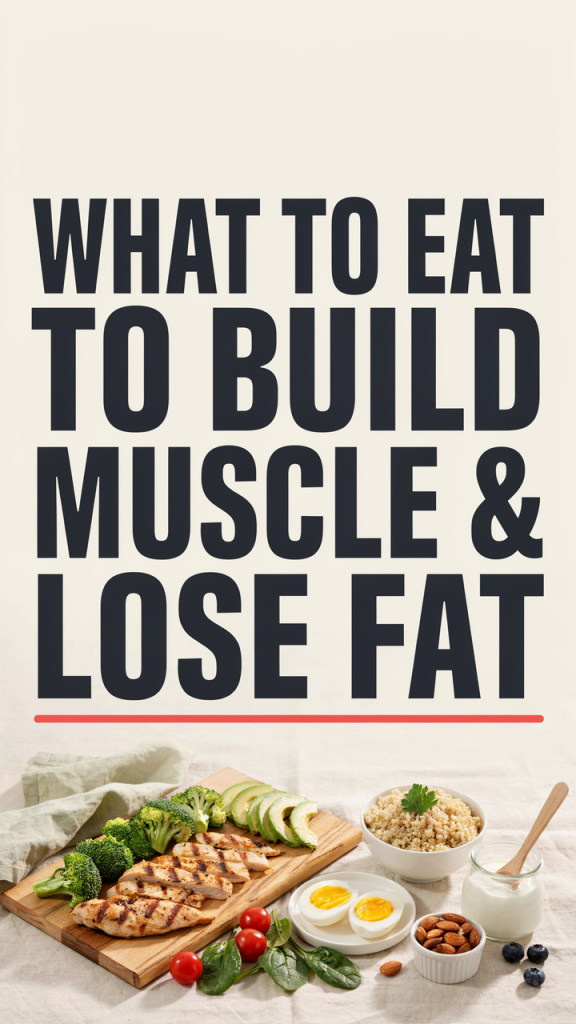
Meal Examples And Macro-Based Templates For Real Life
Templates make macro targets actionable. Below are approachable meal templates built around realistic portions and common foods. Tailor portions to hit your calculated macros.
Breakfast templates:
- High-protein oatmeal: 40 g oats, 1 scoop whey (or 200 g Greek yogurt), 1 tbsp peanut butter, berries. Balanced protein, carbs, and healthy fats.
- Savory eggs + toast: 3 eggs scrambled, 2 slices whole-grain toast, sautéed spinach, 1/4 avocado.
Lunch templates:
- Grain bowl: 120–150 g cooked chicken breast, 1 cup cooked quinoa, mixed greens, olive oil, lemon. Adjust grain portion to meet carbs.
- Lentil salad (vegan): 1.5 cups cooked lentils, roasted veggies, tahini dressing, seeds for extra fat and calories.
Dinner templates:
- Fish + veg: 150–200 g salmon, 1 medium sweet potato, steamed broccoli, drizzle of olive oil.
- Stir-fry: 150 g lean beef or tofu, 2 cups mixed veggies, 1.5 cups cooked brown rice, sesame oil.
Snack templates:
- Cottage cheese + fruit, protein shake + banana, handful of nuts + apple, hummus with carrot sticks and whole-grain crackers.
Macro-based approach: if you’re hitting 2.0 g/kg protein and 25% calories from fat, the templates above can be scaled up/down by changing portion sizes. Use a food scale or a tracking app for the first 2–4 weeks to learn how portions map to macros.
We want meals to be simple, repeatable, and enjoyable, repetition wins. Pick 6–10 meals you like and rotate them for consistency and sanity.
Sample 2-Day Meal Plan For Muscle Gain And Fat Loss
Below is a sample 2-day plan for a 180-lb (82 kg) trainee aiming for recomposition with roughly 2,200 kcal/day and protein around 165 g (~2.0 g/kg). Adjust portions to match your calories and macros.
Day 1, Training Day (higher carbs)
- Breakfast: Oatmeal (50 g oats) with 1 scoop whey, 150 g Greek yogurt, 1 tbsp almond butter, berries. (~45 g protein, 60 g carbs, 18 g fat)
- Snack: Apple + 30 g almonds. (~6 g protein, 22 g carbs, 16 g fat)
- Lunch: Grilled chicken (180 g) with 1 cup cooked brown rice and mixed greens + olive oil. (~50 g protein, 60 g carbs, 12 g fat)
- Pre-workout: Banana + 15 g whey. (~20 g protein, 30 g carbs, 0.5 g fat)
- Dinner: Salmon (140 g), sweet potato (200 g), broccoli, drizzle of olive oil. (~40 g protein, 45 g carbs, 18 g fat)
Day 2, Light/Rest Day (lower carbs)
- Breakfast: 3 eggs + 2 slices whole-grain toast + spinach + 1/4 avocado. (~30 g protein, 40 g carbs, 20 g fat)
- Snack: Cottage cheese (200 g) + berries. (~25 g protein, 15 g carbs, 5 g fat)
- Lunch: Turkey salad: 150 g turkey, mixed greens, chickpeas (1/2 cup), olive oil dressing. (~40 g protein, 30 g carbs, 15 g fat)
- Snack: Protein shake (20 g) + 1 tbsp peanut butter. (~22 g protein, 10 g carbs, 10 g fat)
- Dinner: Tofu stir-fry (200 g tofu) with cauliflower rice and mixed veggies. (~30 g protein, 25 g carbs, 12 g fat)
This plan emphasizes protein consistency, higher carbs on training days, and balanced fats. Use it as a template: swap equivalent portions, and keep weekly calorie averages aligned with your recomposition goal.
Evidence-Based Supplements That Can Help (And When To Skip Them)
Supplements aren’t magic, but a few are supported by solid evidence and can be useful when our diet or schedule creates gaps.
Worth considering:
- Protein powder (whey, casein, soy, pea blends): Convenient way to hit high protein targets. Whey is fast-digesting and rich in leucine, useful around workouts.
- Creatine monohydrate: One of the most researched supplements. 3–5 g/day improves strength, power, and muscle mass over time when paired with resistance training.
- Caffeine: Useful pre-workout for performance and focus. Typical doses are 3–6 mg/kg consumed ~30–60 minutes before training. We should avoid excessive late-day caffeine that harms sleep.
- Omega-3s (EPA/DHA): 1–3 g/day can support recovery, inflammation modulation, and cardiovascular health, helpful if intake from fatty fish is low.
Situational supplements:
- Beta-alanine: Can slightly enhance high-intensity endurance and work capacity with chronic use (3–4 g/day).
- Multivitamin: A practical safety net if diet lacks variety.
When to skip or deprioritize:
- Fat burners, exotic thermogenics, or expensive “recomposition blends” with little independent evidence, these are low-priority and often unnecessary.
- Large doses of single micronutrients without clinical need, they can be wasteful or harmful.
We recommend prioritizing a protein powder and creatine first if you want one supplement. Everything else is conditional on diet, budget, and training goals.
Common Nutrition And Training Mistakes To Avoid
Many people sabotage recomposition with predictable errors. Awareness of these traps makes progress faster and less frustrating.
Mistake 1, Too large a deficit: Chasing fast weight loss often means losing muscle, losing strength, and burning out. Stick to a modest deficit and trust slower, sustainable progress.
Mistake 2, Under-prioritizing protein: When calories drop, protein should rise proportionally to protect muscle. Skimping on protein leads to poor recovery and muscle loss.
Mistake 3, Neglecting resistance training: Cardio alone won’t preserve or build muscle effectively. Progressive resistance training is the critical signal for hypertrophy.
Mistake 4, Overtraining or poor recovery: Training volume is important, but so is recovery. Insufficient sleep, chronic stress, or inadequate calories will blunt results.
Mistake 5, Chasing perfection over consistency: Constantly switching diets, macros, or ‘perfect’ foods wastes time. Pick a manageable approach and stick with it for several weeks.
Mistake 6, Ignoring progressive overload: If lifts never progress, hypertrophy stalls. Track performance and incrementally increase load, reps, or volume.
Mistake 7, Poor tracking and impatience: Not tracking food or performance makes it hard to adjust intelligently. Conversely, micromanaging daily weight swings leads to frustration, watch trends over 1–2 weeks.
Avoid these mistakes and we’ll conserve good training adaptations while creating the energy deficit necessary for fat loss.
Conclusion
Recomposition is realistic if we align training and nutrition. Our practical plan focuses on a modest calorie deficit (or small daily cycling), high protein (around 2.0 g/kg), carbohydrates timed for training, and healthy fats for hormones and satiety. Use real-food templates, prioritize progressive resistance training, and consider evidence-backed supplements like creatine and protein powder.
Most importantly, we emphasize consistency: pick a plan you can follow for months, track progress, and adjust in small steps. If you do that, we’ll be surprised how much muscle you can add while losing fat, even in 2026.

