How To Dramatically Increase Your Protein Without Powder: 30 Practical, Food-First Strategies For 2026
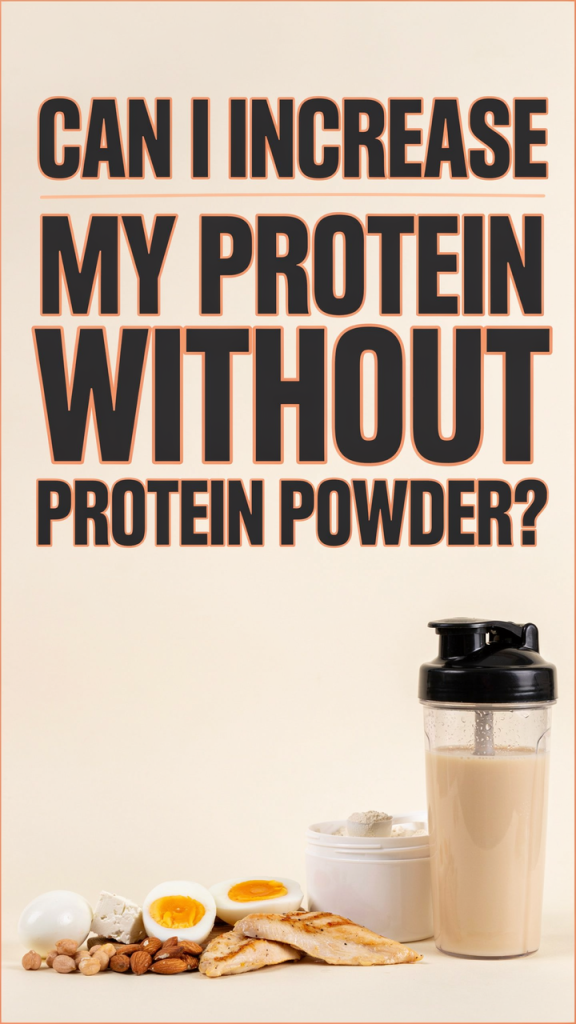
If we want more protein but don’t want to rely on powders, there are dozens of practical, satisfying ways to get there. Whether our goal is building muscle, losing fat, improving recovery, or simply eating cleaner, a food-first approach gives us nutrients beyond isolated protein, micronutrients, fiber, and culinary variety. In this guide we’ll break down how much protein we need, the best whole-food sources (animal and plant), actionable meal and snack ideas, quick cooking tricks, and smart combinations that boost digestibility. By the end you’ll have 30+ real strategies you can start using this week to hit your targets without scooping a single powder.
Why Protein Matters For Strength, Health, And Weight Control
Protein is the body’s building block: we use it to build and repair muscle, make enzymes and hormones, and support immune function. For strength and athletic performance, adequate protein helps us recover faster and adapt to training, muscle protein synthesis increases when we consistently supply amino acids across the day. From a body-composition perspective, higher-protein diets tend to preserve lean mass during weight loss and increase satiety, which helps control calories without chronic hunger.
Beyond those benefits, protein influences metabolic health. It has a higher thermic effect than fats or carbs, meaning we burn slightly more calories digesting it. Protein-rich meals also help stabilize blood sugar and reduce late-day cravings. For older adults, higher protein intakes lower the risk of sarcopenia (age-related muscle loss) and support independence.
In short: whether our priority is performance, aesthetics, metabolic health, or longevity, protein deserves strategic attention. But protein doesn’t have to come from powders, whole foods can give us complete amino acid profiles, important co-nutrients, and a more enjoyable eating experience.
How Much Protein Do You Really Need? Calculating Targets By Goal And Body Size
Protein needs aren’t one-size-fits-all. They depend on our body weight, activity level, age, and goals. A useful framework: calculate grams per kilogram (g/kg) of body weight.
- Sedentary adults: about 0.8–1.0 g/kg. This is the minimum to prevent deficiency.
- Recreationally active and general fitness: 1.2–1.6 g/kg supports recovery and modest gains.
- Strength athletes or serious trainees: 1.6–2.2 g/kg helps maximize muscle growth and preserve mass during calorie deficit.
- Older adults or those recovering from illness: aim for 1.2–1.8 g/kg to reduce muscle loss risk.
Example: if we weigh 80 kg (≈176 lb) and train regularly, targeting 1.6 g/kg means 128 g of protein per day. If we’re cutting calories, nudging to 1.8–2.0 g/kg can help preserve lean tissue while losing fat.
Per-meal distribution matters too. Spreading protein across 3–5 meals (20–40 g of protein per meal depending on body size) supports muscle protein synthesis better than front-loading all protein at one sitting. We should aim for a combination of total daily intake and even distribution to optimize results.
Finally, adjust based on progress and appetite. If we’re not gaining strength or losing too much lean mass during a diet, increment protein upward within the recommended ranges and monitor recovery and hunger cues.
High-Protein Whole Foods To Prioritize
To increase our protein without powder, we’ll lean on dense, nutrient-rich foods that fit our preferences and budget. Below we separate animal and plant options so we can mix and match depending on dietary choice.
Practical Meal And Snack Ideas To Add Protein Throughout The Day
Increasing protein is easiest when we build it into meals and snacks, not just aim for a single big dinner. Here are practical swaps and additions that raise protein intake without complicated recipes:
- Breakfast swaps: choose Greek yogurt or skyr with oats and hemp seeds instead of fruit-only cereal: add two eggs or egg whites to an omelet with vegetables: stir cottage cheese into overnight oats for a protein boost.
- Lunch ideas: build bowls around 4–6 oz of lean protein (grilled chicken, tempeh, tuna) plus quinoa, mixed greens, and edamame: convert sandwiches to wraps with extra turkey or roast beef and a side of chickpea salad.
- Dinner strategies: make one-pot meals with beans and lean meat (chili, stews), or use a larger portion of fish or lean steak alongside roasted vegetables and a grain like farro or barley.
- Snacks: keep high-protein snacks on hand, hard-boiled eggs, string cheese, Greek yogurt cups, a tin of tuna or sardines, edamame, or a small bowl of cottage cheese with fruit and nuts.
- Beverage choices: milk (dairy or higher-protein plant milks) can add 7–9 g per cup for dairy: fortified soy milk often contains ~7–9 g per cup, making it a useful protein-rich liquid.
Small hacks: add a scoop of peanut butter to smoothies or yogurt, sprinkle hemp or chia seeds on salads and oatmeal, and fold cooked lentils into casseroles or meatloaf to up protein and fiber simultaneously. If we plan meals around a primary protein source and add a secondary (e.g., chicken + beans, or tofu + quinoa), hitting daily targets becomes largely automatic.
Sample 1-Day High-Protein Meal Plan With Portions And Macros
Below is a realistic sample day that emphasizes whole-food protein. Portions and macros are approximate and designed for someone targeting ~140–150 g protein/day (adjust up/down by body size and goal).
Breakfast (approx. 50–55 g protein)
- 3 whole eggs scrambled (18 g)
- 1 cup low-fat Greek yogurt (20 g)
- 2 tbsp hemp seeds (6–7 g)
- 1/2 cup oats cooked with water (5 g)
Total protein: ~49–50 g
Mid-morning snack (approx. 15–18 g)
- 1 cup edamame (17 g)
Total protein: ~17 g
Lunch (approx. 35–40 g)
- 6 oz grilled chicken breast (≈42 g) OR 1 cup cooked tempeh + 1/2 cup quinoa (combined ~35–40 g)
- Large mixed salad with veggies and 1/4 cup chickpeas (3–4 g)
Total protein: ~38–42 g
Afternoon snack (approx. 10–15 g)
- 1/2 cup cottage cheese (12–14 g) with berries
Total protein: ~12–14 g
Dinner (approx. 25–30 g)
- 5 oz salmon or white fish (≈25–30 g)
- 1/2 cup cooked lentils (9 g) or 3/4 cup black beans (12 g) as a side or mixed into a salad
Total protein: ~34 g if we include beans/lentils: adjust portions to meet daily target
Evening mini-snack (optional, 5–10 g)
- Small handful of nuts + 2 tbsp peanut butter or a hard-boiled egg
Daily total: ~145–170 g depending on choices and exact portion sizes. We designed this day to show how combining moderate portions across meals yields a high daily protein without powders. Vegetarians can swap animal options for larger portions of tempeh, tofu, legumes, and dairy: vegans can hit similar numbers with tempeh, seitan, legumes, quinoa, and concentrated seeds like hemp.
Cooking And Prep Tricks To Boost Protein Content And Make Meals More Efficient
Time and convenience are often the biggest barriers to consistently higher protein. These cooking and prep tricks make protein-first eating realistic for busy weeks.
- Batch-cook proteins: Grill or roast a large tray of chicken breasts, tofu slabs, or salmon filets at the start of the week. Portion into containers so we can assemble meals in minutes.
- Use concentrated protein ingredients: Canned tuna, sardines, roasted chickpeas, and cooked lentils keep well and can be added to salads, wraps, and bowls with minimal effort.
- Double recipes: When making soups, stews, or chilis, double the batch and freeze half. Legume-based soups are especially protein-dense and freeze well.
- Pre-portion snacks: Boil a dozen eggs, portion cottage cheese into small containers, or make single-serve hummus + veggie packs for grab-and-go protein.
- Embrace one-pan skillet meals: Start with aromatics, add a protein (ground turkey, tempeh crumbles, or cubed chicken), then vegetables and a quick grain. It’s efficient and cleanup is fast.
- Use high-protein add-ins: Keep a jar of roasted edamame, roasted chickpeas, hemp seeds, or nutritional yeast to sprinkle over dishes. They add protein and texture without fuss.
- Cook with concentrated flours and milks: Use chickpea flour to make savory pancakes or omelets (socca) for a protein-rich base. Swap water for milk in oatmeal to up protein by 6–8 g per cup.
- Smart seasoning and sauces: We’re more likely to eat protein-rich meals if they taste good. Simple marinades, citrus, herbs, and quick pan sauces make repeated proteins feel new each night.
With small systems, batch cooking, pre-portioning, and shelf-stable protein stashes, we reduce decision fatigue and make hitting protein targets habitual.
Combining Foods For Complete Proteins And Better Absorption
When we prioritize plant protein, combining foods thoughtfully ensures we get a complete amino acid profile and maximize absorption of certain nutrients.
Complementary pairings: Many plant proteins are low in one or two essential amino acids, but combining sources throughout a meal or day corrects that.
- Legumes + grains: Think beans with rice, hummus with whole-wheat pita, or lentil soup with barley. These pairings balance lysine (high in legumes) with methionine (higher in grains).
- Legumes + seeds/nuts: Add tahini or sesame seeds to chickpea dishes, or sprinkle hemp seeds on salads to round out amino acids.
- Soy and quinoa: These are closer to complete proteins on their own, so they’re high-leverage choices for plant-based eaters.
Optimize iron absorption: Plant iron (non-heme) is less bioavailable than heme iron from animal foods. To improve absorption:
- Pair iron-rich plant foods (lentils, spinach, pumpkin seeds) with vitamin C-rich foods (bell peppers, citrus, strawberries) in the same meal.
- Avoid drinking high amounts of tea or coffee with iron-heavy meals, tannins inhibit absorption.
Fat helps absorb fat-soluble vitamins and can improve the palatability of protein-rich foods. For example, a drizzle of olive oil on roasted salmon or avocado with eggs helps us absorb fat-soluble nutrients while keeping meals satisfying.
Digestive considerations: If we’re increasing legumes or fiber-rich proteins rapidly, do it gradually and use strategies to reduce gas, soaking beans, using canned legumes (rinsed), incorporating spices like cumin and ginger, and increasing water intake. For those with digestive sensitivity to dairy, choose lactose-free options or fermented dairy (yogurt, kefir) which often digest more easily.
Thoughtful combinations and small meal-planning tweaks let us meet amino acid needs and optimize nutrient absorption without powders.