10 Strange Signs Your Body Might Be Showing Prediabetes — And What To Do About Them
Prediabetes often hides in plain sight. Most of us picture the classic signs, thirst, sugar cravings, and frequent urination, but in reality the body can send quieter, stranger signals long before blood sugar crosses the diabetes threshold. If we learn to recognize those nontraditional symptoms, we can intervene early and often reverse the course.
In this guide we walk through ten unusual signs that are commonly overlooked, explain the biology behind them in plain language, and give clear, evidence-based next steps. We’ll show how tingling toes, stubborn rashes, recurrent infections, and even brain fog may relate to early insulin resistance. Our goal is to equip you with practical knowledge: what to ask your clinician, which tests to request, and lifestyle changes that really move the needle. Read on, some of what follows might surprise you, but catching prediabetes early matters more than ever in 2026.
Why Nontraditional Symptoms Matter — Early Detection Beyond Thirst And Cravings
We tend to associate prediabetes with thirst, frequent urination, and sugar cravings, and while those are important, they’re not the whole story. Insulin resistance affects tissues across the body, not just how we metabolize glucose. That means symptoms can show up in nerves, skin, immune function, sexual health, cognitive performance, and wound healing long before fasting glucose or A1c cross diagnostic thresholds.
Why do these nontraditional signs matter? First, they give us extra lead time. If we pay attention, we can identify risk earlier and apply lifestyle changes that often reverse prediabetes. Second, these symptoms are what people actually notice in daily life, tingling feet, chronic fatigue, or recurrent infections, and yet they’re frequently dismissed or treated in isolation. Finally, recognizing systemic clues helps clinicians connect the dots: a patient with unexplained skin tags and erectile difficulties might benefit from metabolic screening even if they aren’t obese or symptomatic in the classic way.
Throughout this article we’ll explain the mechanisms linking each symptom to insulin resistance, how to differentiate common causes, and what to do next. We’ll also highlight practical, evidence-based interventions, nutrition, movement, sleep, and targeted testing, so you and your clinician can act before things worsen.
Tingling, Numbness, Or Pins And Needles In Hands And Feet
Experiencing a persistent pins-and-needles feeling, or numbness in the toes and fingers, is often chalked up to nerve compression or aging. While carpal tunnel and other mechanical causes are real, diffuse peripheral numbness is a red flag for metabolic dysfunction. Insulin resistance and even early hyperglycemia cause subtle nerve injury by altering blood flow to small nerve fibers, promoting low-grade inflammation, and impairing the nerve’s ability to repair itself.
What we notice clinically: a burning or tingling sensation that’s worse at night, paresthesia in the toes, or a persistent loss of sensation in the soles. It often starts quietly, intermittent at first, and steadily progresses if the underlying problem persists.
How to tell if it’s metabolic: symptoms that are symmetrical (both feet or both hands), that accompany other metabolic clues (skin tags, chronic yeast infections, unexplained fatigue), or that appear without a clear mechanical cause should prompt metabolic testing. Simple bedside tests (monofilament sensation, vibration with a tuning fork) and a neurologic exam can determine the degree of sensory loss.
What we can do right away: check fasting glucose, hemoglobin A1c, and consider a 2-hour oral glucose tolerance test if A1c is borderline. Lifestyle interventions, especially improving sleep, reducing refined carbs, and walking daily, have solid evidence for slowing progression and improving neuropathic symptoms. If symptoms are severe or rapidly progressive, referral to neurology is warranted, and medications targeted at neuropathic pain may help while we address the root cause.
Burning Or Sharp Nerve Pain And Sensory Changes
Burning, stabbing, or electric-shock–like pain in the feet or hands is often described by patients as different from dull aching, it’s sharp, intrusive, and can drastically lower quality of life. These neuropathic pain symptoms can be an early manifestation of metabolic nerve injury tied to insulin resistance.
Mechanism in plain terms: chronically elevated glucose and insulin dysregulation cause oxidative stress and microvascular dysfunction. The smallest nerve fibers, the ones that carry pain and temperature, are especially vulnerable. They react by firing abnormally, which produces the burning or shock-like sensations.
Distinguishing features: neuropathic pain tends to be worse at rest and at night, often described as burning or electric shocks. Unlike mechanical pain, it doesn’t reliably change with position. We should also be attentive to accompanying signs such as decreased ankle reflexes, loss of vibratory sense, or skin changes on the feet.
Management approach: address the underlying metabolic risk first, improving glycemic control and insulin sensitivity can halt progression and sometimes reverse symptoms. Pharmacologic options (e.g., certain anticonvulsants or SNRIs) are useful for symptomatic relief while we treat the root cause. Physical therapy, balance work, and protective foot care are essential to prevent injury when sensation is compromised. Finally, smoking cessation and tight blood pressure control reduce microvascular damage and improve outcomes.
Dark Velvety Patches, Skin Tags, And Other Visible Skin Changes
Some of the most visible clues of insulin resistance appear on the skin. Acanthosis nigricans, those dark, velvety patches often found in the neck or armpit, is a classic dermatologic marker linked to high insulin levels. Skin tags, too, are strongly associated with metabolic syndrome and may cluster where skin rubs against skin.
Why this happens: chronically elevated insulin interacts with growth-factor receptors in the skin, stimulating keratinocyte and dermal proliferation. The result is thickened, pigmented patches and benign skin growths. These findings are more than cosmetic: they’re outward signals of internal hormonal disturbance.
What to look for: look for darkened areas in body folds (neck, groin, armpits), multiple small papules (skin tags) on the eyelids and neck, or sudden changes in pigmentation. Rapid onset or widespread changes should prompt metabolic evaluation.
Actionable next steps: if we spot acanthosis or multiple skin tags, request fasting glucose and A1c, and discuss weight and activity strategies with a clinician. Topical treatments or dermatologic removal of skin tags address appearance but not the root problem: focusing on insulin sensitivity through diet, resistance training, and modest weight loss often reduces the severity of these skin signs over months. We should also screen for other components of cardiometabolic risk: lipid profile, blood pressure, and waist circumference.
Itchy, Flaky, Or Recurrent Eczema‑Like Rashes
Chronic itchy or flaky skin conditions that don’t respond to typical eczema treatments can signal underlying metabolic trouble. Insulin resistance alters skin barrier function, microcirculation, and the immune environment, making the skin more prone to inflammation, dryness, and recurrent rashes.
Clinical clues: our patients often describe persistent itching in areas that aren’t classic for atopic eczema, or rashes that flare even though emollients and short steroid courses. Rashes may be patchy, sometimes intensely pruritic, and recur after seeming improvement.
How metabolism ties in: impaired glucose handling changes the composition of skin lipids, reduces collagen turnover, and increases pro-inflammatory cytokines locally. That can perpetuate a cycle of barrier breakdown and irritation. Also, impaired circulation may worsen tissue oxygenation and delay recovery after minor insults.
Practical management: first, treat the symptom to restore comfort, gentle moisturization, short steroid or nonsteroidal topical therapies, and avoidance of known irritants. Simultaneously, evaluate for metabolic risk (A1c, fasting glucose, lipids). Dietary adjustments that reduce high-glycemic-load foods and emphasize anti-inflammatory choices can help the skin and the underlying physiology. If rashes are severe, dermatology referral for biopsy or targeted therapy is reasonable, but we should keep metabolic screening on the checklist.
Recurrent Yeast Infections Or Urinary Tract Infections
We sometimes dismiss recurrent yeast infections or urinary tract infections (UTIs) as isolated gynecologic or urologic issues, but they can be a sign of impaired glucose regulation. Elevated glucose in tissues and secretions creates an environment that supports yeast overgrowth and pathogenic bacterial colonization.
Patterns that raise concern: frequent vaginal yeast infections even though antifungal treatment, UTIs that return soon after antibiotics, or infections that are unusually difficult to clear. If these occur alongside other metabolic clues, skin tags, fatigue, or neuropathic symptoms, we should evaluate for prediabetes or insulin resistance.
Mechanisms: higher glucose levels in vaginal secretions and urine feed microbes: impaired immune function related to insulin resistance reduces local host defenses: and microvascular changes can impair tissue healing and immune cell trafficking.
What to do: when infections recur, we don’t just treat the episode, we test. Order fasting glucose and A1c, and if indicated a glucose tolerance test. Simultaneously, address modifiable factors: optimize glycemic control, review medications that raise glucose, improve hydration, and focus on diet patterns that minimize rapid glucose spikes. For recurrent yeast, consider suppressive strategies short-term while addressing the metabolic driver. Collaboration between primary care, endocrinology, and gynecology/urology helps tailor a durable plan.
Slow Wound Healing And Frequent Skin Infections
We often don’t notice the significance of wounds that drag on. Minor cuts or blisters that heal slowly, or frequent cellulitis and other skin infections, are classic harbingers of impaired metabolic health. Wound healing is an energy-intensive process relying on good blood flow, immune function, and collagen production, all of which are compromised by insulin resistance.
Red flags: a small scrape that takes weeks to close, recurrent boils or abscesses, persistent redness around a healed wound, or infections that require repeated antibiotics. If healing is sluggish after surgical procedures or dental work, that’s important to note as well.
Biologic explanation: insulin resistance impairs nitric oxide-mediated vasodilation, reduces microvascular perfusion, and increases inflammatory cytokines that dysregulate normal wound repair. High local glucose can foster bacterial growth and impede immune cell function.
Immediate steps: ensure proper wound care, cleaning, dressing, and, when appropriate, debridement. Screen for metabolic dysfunction with A1c and fasting glucose. Optimize nutrition (adequate protein, micronutrients like vitamin C and zinc), control blood glucose levels, and address smoking and vascular risk factors. In persistent or severe cases, involve wound care specialists and consider vascular assessment to rule out peripheral arterial disease. Early metabolic correction reduces infection risk and accelerates healing.
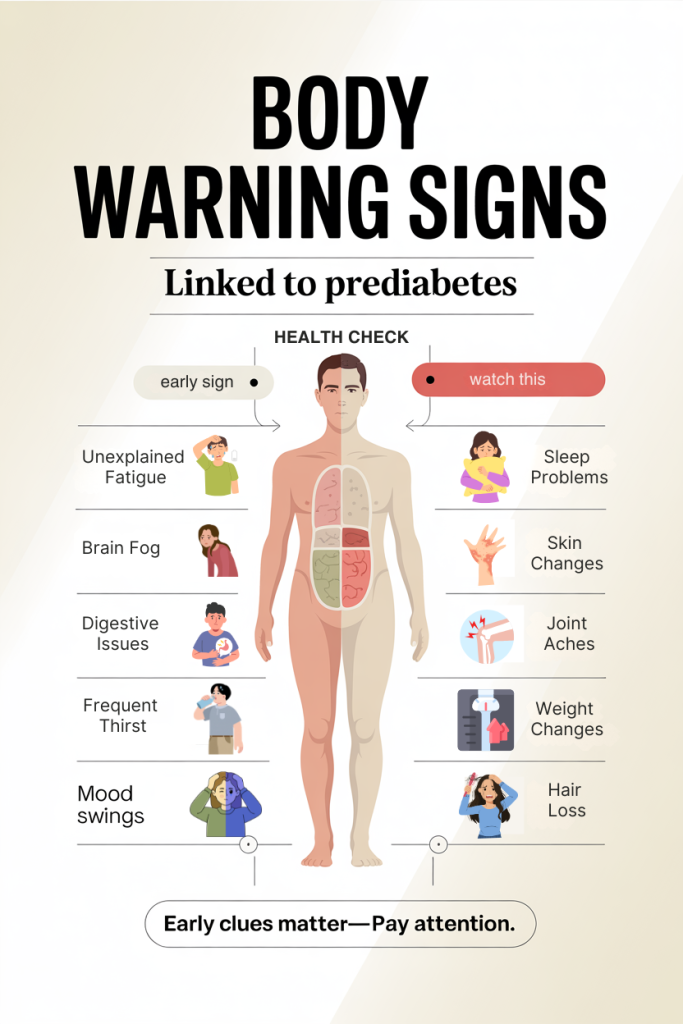
Persistent Fatigue, Brain Fog, And Low Energy That Won’t Lift
Fatigue and brain fog are among the most common complaints we hear, and also the hardest to pin down. When they’re chronic and don’t respond to sleep adjustments, stress reduction, or caffeine, early metabolic dysregulation should be on the differential. Insulin resistance affects the brain’s energy supply, neurotransmitter balance, and inflammatory milieu, producing cognitive sluggishness and persistent low energy.
Typical presentation: difficulty concentrating, slower processing speed, mid-afternoon crashes, and a sense of mental cloudiness that interferes with work and daily tasks. Patients often describe being physically exhausted after light activity and unable to recover with sleep alone.
Why it happens: insulin plays a role in neuronal signaling and glucose uptake in the brain. When insulin signaling is impaired, neuronal energy metabolism becomes less efficient. Low-grade systemic inflammation associated with metabolic syndrome also alters neurotransmitter function, mood, and sleep quality, all contributors to perceived brain fog and fatigue.
Actionable interventions: start with basic screening (A1c, fasting glucose, thyroid panel, CBC) to rule out common medical causes. From there, prioritize sleep hygiene, consistent daily movement (short walks or resistance sessions), and a dietary pattern emphasizing low glycemic load, fiber, and balanced protein at meals to stabilize blood sugar. Cognitive benefits can appear within weeks of improving metabolic health. If fatigue is severe or accompanied by mood changes, involve behavioral medicine or psychiatry as needed, but remember: improving insulin sensitivity often yields meaningful cognitive gains.
Sexual Dysfunction, Low Libido, Or Erectile Difficulties
Sexual health and metabolic health are intimately connected. Erectile dysfunction in men and low libido or arousal difficulties in people of all genders frequently accompany insulin resistance and prediabetes. These issues are often underreported, yet they’re valuable clinical clues.
Mechanisms at play: microvascular dysfunction reduces penile and genital blood flow: neuropathy impairs sensation and arousal signaling: hormonal shifts associated with obesity and insulin resistance (lower testosterone, altered sex hormone binding globulin) further suppress sexual function. Psychological factors, stress, poor sleep, low self-image, compound the problem.
Clinical signals: gradual onset of erectile difficulties, decreased firmness, reduced libido, or decreased genital sensation without a clear psychologic trigger. If these changes occur alongside other metabolic markers, skin changes, fatigue, or neuropathic symptoms, we should investigate metabolic contributors.
What we recommend: bring sexual health into metabolic screening, check fasting glucose, A1c, lipid profile, and morning testosterone levels when appropriate. Lifestyle measures that improve insulin sensitivity (weight loss, resistance training, Mediterranean-style eating) also improve sexual function. For men, phosphodiesterase inhibitors can offer symptomatic relief while addressing the metabolic root cause. Referral to urology or sexual health specialists can be helpful for complex cases, but don’t overlook the power of metabolic improvement as primary therapy.
When To Get Tested, Which Labs To Ask For, And First Steps To Reverse Prediabetes
When to get tested: we recommend testing whenever several of the symptoms described here occur together, or when an individual has risk factors (overweight, family history, history of gestational diabetes, hypertension, or dyslipidemia). Even in the absence of classic symptoms, anyone over 35, or earlier if risk factors are present, should consider screening. If you’ve noticed recurrent infections, unexplained neuropathy, persistent fatigue, or skin markers like acanthosis nigricans, don’t wait for classic thirst, talk to your clinician.
Which labs to ask for:
- Hemoglobin A1c, provides an average of blood glucose over ~3 months and is a practical starting point.
- Fasting plasma glucose, useful alongside A1c for immediate glucose levels.
- 2-hour oral glucose tolerance test (OGTT), the most sensitive test for early dysglycemia: recommended when A1c and fasting glucose are borderline or if symptoms strongly suggest dysglycemia.
- Fasting lipid panel, to assess cardiovascular risk.
- Basic metabolic panel and liver enzymes, to check for fatty liver risk and renal function.
- Optional: fasting insulin or HOMA-IR (as an estimate of insulin resistance) and c-reactive protein for inflammation: morning testosterone in men and relevant hormone tests when indicated.
First steps we take together:
- Lifestyle as medicine: prioritize modest, achievable changes. We typically aim for a 5–10% weight loss when excess weight is present: even small reductions significantly improve insulin sensitivity. Focus on a lower-glycemic, whole-food pattern (vegetables, legumes, whole grains where tolerated, lean proteins, healthy fats) and reduce high-glycemic beverages and snacks.
- Move every day: combine aerobic activity with resistance training. Two to three resistance sessions per week plus daily walking reduces insulin resistance more than cardio alone for many people.
- Sleep and stress: stabilize sleep timing and duration: chronic poor sleep worsens glucose metabolism. Use stress-reduction practices, brief mindfulness, time in nature, or structured breathing, to lower sympathetic overdrive.
- Medical follow-up: if labs confirm prediabetes, we set concrete, measurable goals and repeat testing in 3–6 months. Metformin may be appropriate for some people (especially with multiple risk factors or high A1c), but lifestyle intervention remains first-line and often sufficient.
- Prevent complications: address blood pressure and lipids, perform foot exams when neuropathy is present, and consider dermatology or wound care for persistent skin issues.
Why this approach works: prediabetes is not destiny. Large, high-quality trials and real-world programs show that early, structured lifestyle changes can cut progression to diabetes by roughly half and improve the nontraditional symptoms we’ve discussed. Our role is to connect symptoms to metabolism, get targeted testing, and carry out sustainable changes, so we help people reclaim energy, restore healthy skin and nerves, reduce infections, and protect long-term health.
If you recognize several of these signs in yourself or someone you care for, bring them to your clinician’s attention and request the tests above. Catching prediabetes early gives us the best chance to reverse the course with tools we already have.