10 Foods That Support Thyroid Health Naturally: A Practical, Evidence-Based Guide For 2026
The thyroid is a small gland with outsized influence: it helps regulate metabolism, mood, energy, and even body temperature. When thyroid function is out of balance, many systems in the body feel it, and diet is one of the few modifiable factors we can control. In this guide we’ll walk through 10 foods (and food groups) that support thyroid health naturally, explain why they matter, and highlight practical portions and cautions based on current evidence. This isn’t a one-size-fits-all prescription: rather, our goal is to give sensible, food-first recommendations you can discuss with your clinician. We’ll cover iodine and selenium sources, the role of protein and healthy fats, how to use cruciferous vegetables wisely, and how to balance antioxidants and fiber for overall endocrine support. Read on to learn which everyday choices can help keep your thyroid, and you, running smoothly in 2026.
How Diet Affects Thyroid Function — What To Know Before Changing Your Plate
Diet influences thyroid function through several key nutrients and by affecting inflammation, gut health, and hormone transport. The thyroid needs building blocks, iodine, selenium, iron, zinc, and adequate protein, to synthesize thyroid hormones (T4 and T3). It also depends on enzymes and antioxidants to convert and protect those hormones. When these nutrients are deficient, thyroid hormone production or conversion can be impaired. Conversely, excesses (notably iodine) can also trigger dysfunction in susceptible people.
Before we change a plate, a few practical caveats: we’re not treating autoimmune thyroid disease or severe hypothyroidism with food alone. If you have diagnosed thyroid disease, medication and medical supervision remain essential. But for the general population and for people with mild dysfunction or suboptimal labs, dietary adjustments can complement medical care and sometimes improve lab markers and symptoms.
We’ll discuss serving sizes and frequency because amounts matter. For example, a single Brazil nut can provide a therapeutic dose of selenium, while large, frequent servings of iodine-rich seaweed may be excessive. We’ll also flag interactions, like certain supplements or raw cruciferous vegetables, that matter for people with low iodine or on levothyroxine. Our approach: evidence-aware, practical, and conservative: use these food strategies while coordinating with your clinician and lab results.
Seafood And Sea Vegetables: Iodine-Rich Choices (Fish, Kelp, Nori)
Iodine is the single most important micronutrient for thyroid hormone synthesis. The thyroid uses iodine to make thyroxine (T4), so inadequate iodine intake can lead to hypothyroidism and goiter. Seafood and sea vegetables are the most concentrated natural sources.
Fish: Many commonly eaten fish, cod, haddock, shrimp, and tuna, contain meaningful iodine and offer protein and omega-3 fats. Aim for 2–3 servings of fish per week, prioritizing low-mercury options (wild salmon, sardines, cod). Seafood also delivers zinc and selenium, supporting conversion of T4 to the active T3.
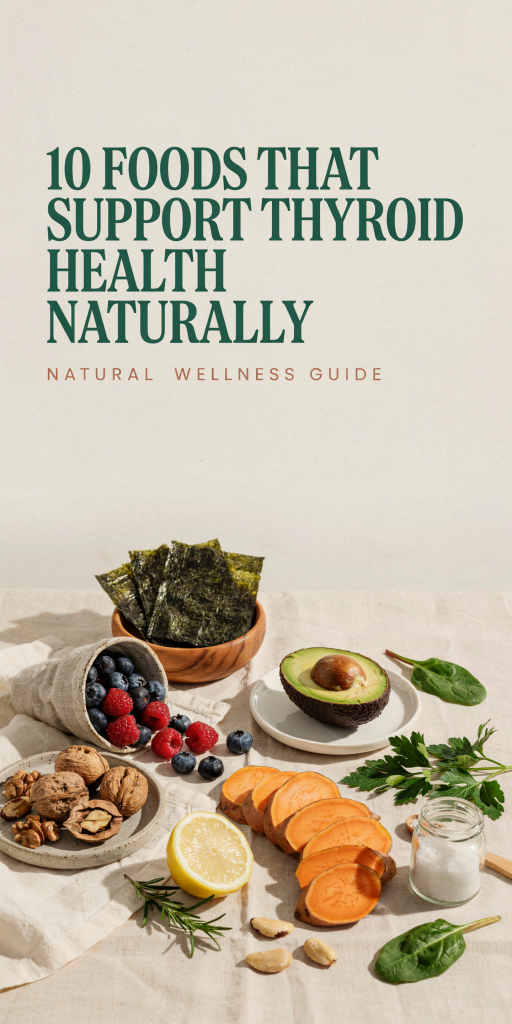
Sea vegetables: Kelp, nori, dulse, and wakame are extremely iodine-rich. A single gram of some kelp powders can provide many times the recommended daily intake. We recommend using nori (sushi sheets) and small amounts of wakame in broths as safer, everyday options. Reserve kelp supplements or frequent kelp consumption for when a clinician has confirmed low iodine, otherwise you risk iodine excess, which can worsen autoimmune thyroid disease in susceptible people.
Practical tips:
- If you eat seafood twice weekly and include nori or wakame occasionally, you’ll likely meet iodine needs without supplements.
- Pregnant and breastfeeding people need higher iodine intake: consult your provider for a prenatal iodine plan.
- Avoid daily kelp supplements unless advised, iodine excess is real and avoidable.
Selenium-Packed Foods: Brazil Nuts, Tuna, And Mushrooms
Selenium is essential for the enzymes (deiodinases) that convert inactive T4 into active T3 and for antioxidant protection of the thyroid gland. Several clinical studies show selenium supplementation can reduce thyroid peroxidase antibodies (TPOAb) in autoimmune thyroiditis, though results vary and dosing matters.
High-selenium foods:
- Brazil nuts: One to two Brazil nuts often provide 50–200 mcg of selenium, sometimes more, so a single nut can meet or exceed daily needs. Because of this potency, we suggest limiting to 1–3 nuts several times per week rather than a daily handful unless guided by blood tests.
- Tuna and other fatty fish: Plus to iodine and omega-3s, tuna contributes selenium. Canned light tuna (in water) is a convenient option, limit large predatory species for mercury concerns.
- Mushrooms: Certain mushroom varieties (e.g., shiitake, cremini) concentrate selenium from soil and are a plant-based way to add this nutrient. Their selenium content depends on growing conditions but eating mushrooms regularly helps.
Practical portioning:
- Brazil nuts: 1 nut = maintenance: 2–3 nuts = short-term therapeutic dose for low selenium under supervision.
- Tuna: 3–4 oz (85–115 g) of cooked tuna provides a solid selenium hit: rotate with other fish.
- Mushrooms: 1 cup cooked mushrooms as part of meals several times weekly helps round out intake.
We prefer food-first selenium sources for most people because they carry other beneficial nutrients and lower the risk of over-supplementation. If labs show deficiency or high thyroid antibodies and your clinician recommends selenium supplements, typical supplemental doses in studies ranged from 100–200 mcg daily, but only take these under medical supervision.
Iodine And Protein From Dairy, Eggs, And Lean Poultry
Protein is critical for thyroid hormone transport and for maintaining the enzymes that make and activate hormones. Dairy, eggs, and lean poultry are practical, iodine-containing protein sources that also provide vitamin B12, iron, and amino acids essential to hormone production.
Dairy: Milk, yogurt, and cheese often contain iodine because of iodine-fortified cattle feed and sanitizing agents used on dairies. A cup of milk or a serving of yogurt can contribute 30–70% of daily iodine needs depending on the region. Choose plain, low-sugar yogurt and full- or reduced-fat dairy depending on calorie needs: the fats in dairy also support hormone synthesis.
Eggs: One large egg contains modest iodine and is a high-quality protein source with selenium and choline, important for liver function and methylation pathways that indirectly influence thyroid hormone metabolism. The yolk houses most of these nutrients, so whole eggs are preferred unless otherwise advised.
Lean poultry: Chicken and turkey offer easily digestible protein and trace minerals: they’re a practical alternative for people who don’t eat fish or dairy. Aim for 3–5 oz (85–140 g) cooked portions as part of balanced meals.
Practical advice:
- For most adults, 20–30 g of protein at each meal (roughly a palm-sized portion) supports hormone transport and keeps blood sugar steady, both helpful for thyroid balance.
- If you’re on levothyroxine, take your medication consistently on an empty stomach and avoid calcium- or iron-rich meals for 4 hours: dairy timing can affect absorption.
- For those avoiding dairy, fortified plant milks can supply some iodine and calcium but check labels, fortification varies.
Leafy Greens And Controlled Cruciferous Vegetables: Nutrients, Benefits, And Cautions
Leafy greens, spinach, Swiss chard, kale, and cruciferous vegetables, broccoli, Brussels sprouts, cauliflower, deliver vitamins K, C, folate, and fiber, all supportive of overall metabolic and cardiovascular health. They also bring goitrogenic compounds (glucosinolates) that can interfere with iodine uptake in very large amounts or when iodine intake is low.
Benefits:
- Leafy greens are rich in magnesium and iron (non-heme), supporting energy metabolism. They’re anti-inflammatory and low-calorie, helping with weight and insulin control, areas often affected by thyroid dysfunction.
- Cruciferous vegetables supply sulforaphane and other phytochemicals with antioxidant and potential anti-cancer benefits.
Cautions and how to manage them:
- Cooking reduces goitrogens significantly. Lightly steaming or roasting cruciferous vegetables lowers the compounds that can affect iodine uptake, making them safe for most people.
- For people with adequate iodine intake, normal portions (1–2 cups cooked, several times weekly) pose little risk. The concern arises with very large raw intakes (e.g., daily green smoothies with pounds of raw kale) combined with low iodine.
Practical approach:
- Vary your greens, include spinach and Swiss chard for daily use and enjoy cooked crucifers 3–5 times weekly.
- If you have low iodine or hypothyroidism, prioritize cooked cruciferous vegetables and verify iodine status with your clinician before making extreme raw-vegetable choices.
Berries, Seeds, And Whole Grains For Antioxidants, Fiber, And Blood Sugar Balance
Antioxidant-rich berries, fiber-packed seeds, and whole grains support thyroid health indirectly by reducing oxidative stress, improving gut health, and stabilizing blood sugar, factors that affect hormone balance and peripheral conversion of thyroid hormones.
Berries: Blueberries, strawberries, and raspberries are low-glycemic, vitamin C–rich, and packed with polyphenols. These compounds combat oxidative stress, which is relevant because chronic inflammation and oxidative damage can exacerbate autoimmune thyroid conditions. Add a half-cup to a cup of berries daily as a simple protective habit.
Seeds: Flaxseeds, chia seeds, and pumpkin seeds supply fiber, magnesium, and small amounts of zinc, useful for hormone synthesis and insulin regulation. Ground flax or chia mixed into yogurt, oatmeal, or smoothies provides omega-3 precursors and soluble fiber, supporting gut motility and blood sugar control.
Whole grains: Oats, quinoa, and intact whole grains provide steady glucose release and B vitamins needed for energy metabolism. For people with autoimmune thyroid disease who experiment with low-gluten or gluten-free diets, choose naturally gluten-free options like quinoa, buckwheat, and brown rice if sensitivity is suspected. Otherwise, whole grains are beneficial for fiber and micronutrients.
Practical servings:
- Berries: 1/2–1 cup daily.
- Seeds: 1–2 tablespoons ground seeds per day.
- Whole grains: 1/2–1 cup cooked per serving, 1–2 servings daily depending on calorie needs.
We favor whole-food sources of antioxidants and fiber because they improve satiety, support the microbiome, and indirectly promote healthier thyroid function through systemic effects.
Healthy Fats And Oils That Support Hormone Production (Avocado, Olive Oil, Fatty Fish)
Hormones are made from fats, and adequate intake of healthy lipids is essential for thyroid health and effective hormone signaling. We recommend focusing on monounsaturated and omega-3 polyunsaturated fats while limiting industrial seed oils and excess omega-6s.
Key foods:
- Avocado: Provides monounsaturated fats and vitamin E. Adding half an avocado to meals supports satiety and supplies lipid substrates needed for hormone synthesis.
- Olive oil: Extra-virgin olive oil is rich in heart-healthy monounsaturated fats and polyphenols. Use it for dressings and low-to-moderate-heat cooking rather than high-heat frying to preserve its beneficial compounds.
- Fatty fish: Salmon, sardines, mackerel, and herring are rich in EPA and DHA omega-3s, which reduce inflammation and support cell membrane function, important for hormone receptors and transport proteins.
Why fats matter:
- Healthy fats influence the fluidity of cell membranes, which affects thyroid hormone entry into cells and receptor sensitivity.
- Omega-3s help modulate inflammation: chronic inflammation can impair thyroid conversion and exacerbate autoimmune activity.
Practical guidance:
- Aim for 2–3 servings of fatty fish weekly (3–4 oz cooked per serving).
- Use 1–2 tablespoons of olive oil daily and include avocado or olives several times weekly.
- Include a small serving of nuts or seeds daily for variety and vitamin E.
If you’re not getting enough omega-3s from diet, an algae-based DHA/EPA supplement is a plant-friendly option, discuss dosing with your clinician, especially if you take anticoagulant medication.
Conclusion
A food-first approach can support thyroid health in practical, evidence-based ways: prioritize iodine-containing seafood and moderate sea vegetables, get selenium from Brazil nuts and fish, eat adequate protein from dairy, eggs, and lean poultry, and include leafy greens and cooked crucifers sensibly. Add berries, seeds, whole grains, and healthy fats to reduce oxidative stress, stabilize blood sugar, and provide the lipid building blocks for hormones.
We recommend starting with small, sustainable changes, two servings of fish weekly, 1–2 Brazil nuts several times per week, daily berries and greens, and mindful use of seaweed. Always pair dietary adjustments with appropriate lab testing and medical oversight, especially if you have diagnosed thyroid disease, are pregnant, or take thyroid medication. With thoughtful choices and clinical collaboration, diet can be a powerful ally for thyroid resilience in 2026 and beyond.