10 Nail Changes That Reveal Vitamin Deficiencies (What To Look For In 2026)
Our nails often tell a story about what’s going on inside our bodies, and not just cosmetic tales. In 2026, with new awareness around micronutrients and widespread dietary shifts, paying attention to nail changes is an easy, low-cost way to spot early signs of vitamin and mineral shortfalls. In this guide we walk through ten specific nail changes, the vitamins and minerals most commonly linked to each pattern, and practical next steps. We’ll explain why those nutrients matter for nail health, how to test for deficiencies, and sensible dietary and supplement options. This isn’t a replacement for medical advice, but by the time you finish reading, you’ll know what nail clues to watch for, which labs to ask your clinician about, and simple ways to help your nails, and your overall health, recover.
Why Nails Mirror Your Nutritional Status
Why Nails Mirror Your Nutritional Status
Nails are living tissue that grow from the nail matrix, a small but metabolically active area under the cuticle. Because nails grow continuously (about 3 mm per month for fingernails), they reflect recent changes in our physiology and nutrient supply. When our diet lacks essential vitamins, minerals, proteins, or fatty acids, nail formation can be altered in predictable ways: slowed growth, fragility, pigmentation changes, and surface abnormalities.
We think of nails as an accessible barometer. Unlike hair or skin, they provide a laminated timeline: a ridge, a spot, or a band corresponds to a window of weeks to months. In clinical practice and in population studies, specific nail patterns correlate with deficiencies in iron, B vitamins (especially B12 and folate), zinc, biotin, vitamin D, and essential fatty acids. Some changes suggest systemic disease rather than isolated deficiency, which is why context matters, other symptoms, medical history, and basic labs.
Importantly, nails won’t always point to a single nutrient problem. Multiple deficiencies can produce overlapping signs, and external factors (harsh chemicals, frequent wetting, acrylic nails) also cause damage. We’ll focus on nutrient-linked patterns and give practical ways to differentiate likely causes and next steps for testing and treatment.
Brittle, Splitting, Or Peeling Nails — Biotin And Essential Fatty Acid Shortage
Brittle, Splitting, Or Peeling Nails, Biotin And Essential Fatty Acid Shortage
Brittle nails that split vertically (onychoschizia) or peel in layers are among the most common complaints. Two nutritional players often implicated are biotin (vitamin B7) and essential fatty acids (EFAs).
Why these nutrients matter: Biotin is a cofactor in keratin production, the protein that makes up nails. Low biotin has been linked with increased nail fragility, and supplementation (typically 2.5–5 mg/day in clinical trials) can thicken nails in some people over several months. EFAs, omega-3 and omega-6, support cell membrane integrity and hydration: inadequate intake can make nails dry and prone to splitting.
How to tell if nutrition is the issue: We look for other signs of deficiency, hair thinning, dry skin, or dermatitis with biotin shortfall: dry, flaky skin or brittle hair for EFA issues. Frequent hand washing, acrylics, or nail-biting can mimic the same pattern.
Practical steps: First, reduce external damage (gloves for wet work, skip gels/acetone, trim carefully). Then optimize diet: include eggs, nuts, seeds, fatty fish, and avocado. Consider a biotin supplement (2.5–5 mg/day) after discussing with a clinician if you have risk factors for deficiency. For EFAs, aim for two servings of oily fish per week or a combined EPA/DHA supplement (around 250–1000 mg/day, depending on need). Expect improvement in nail texture over 3–6 months if the cause is nutritional.
Spoon Nails (Koilonychia) — Iron Deficiency And Low Vitamin C
Spoon Nails (Koilonychia), Iron Deficiency And Low Vitamin C
Koilonychia, nails that are concave or “spoon-shaped”, is a classic sign often taught in medical school as linked to iron deficiency. The mechanism isn’t fully elucidated, but iron’s role in oxygen delivery and enzymes relevant to nail matrix function likely explains it. Severe or chronic iron deficiency anemia is the most commonly associated condition.
Vitamin C is a cofactor for iron absorption and collagen synthesis. Low vitamin C can worsen iron uptake and indirectly contribute to nail abnormalities. We hence assess both when spoon nails appear.
Red flags and testing: Spoon nails that appear with fatigue, pallor, shortness of breath, or heavy menstrual bleeding should prompt urgent testing, complete blood count (CBC) and serum ferritin are first-line. Ferritin under 30 ng/mL commonly indicates depleted stores: levels under 15–20 ng/mL often reflect significant deficiency. We also check vitamin C intake or serum ascorbate in suspicious cases.
Treatment approach: When iron deficiency is confirmed, dietary measures (red meat, legumes, fortified cereals) plus oral iron supplementation (elemental iron 60–120 mg/day divided) are standard: vitamin C (100–200 mg with iron) can improve absorption. IV iron is reserved for those who can’t tolerate oral iron or have severe deficiency. Spoon nails can take months to normalize, nail shape may not fully reverse if the condition was long-standing, but addressing iron and vitamin C usually halts progression.
Pale, Blue, Or Ridged Nails — Vitamin B12, Folate, And Iron-Related Anemia
Pale, Blue, Or Ridged Nails, Vitamin B12, Folate, And Iron-Related Anemia
Nail discoloration and textural changes like ridging can hint at systemic deficiencies. Pale or blanched nails are often seen with anemia, whether from iron deficiency or from deficiencies in vitamin B12 and folate that cause megaloblastic anemia. Blue-tinged nails may reflect reduced oxygenation (cyanosis) or, less commonly, certain drug effects.
Vertical ridges are common with aging, but pronounced ridging in younger people can indicate nutritional stress, chronic inflammation, or vitamin deficits, particularly B12 and folate, which are crucial for DNA synthesis in fast-turnover tissues like the nail matrix.
What we check: If nails are pale or there are systemic symptoms (weakness, neuropathy, glossitis), we order CBC, MCV (mean corpuscular volume), serum B12, methylmalonic acid (MMA), and serum folate. Low B12 or elevated MMA signals deficiency: elevated MCV suggests megaloblastic changes. Iron studies remain important to distinguish causes.
Interventions: Nutritional correction depends on the cause. B12 deficiency is treated with oral high-dose B12 (1,000–2,000 mcg/day) or intramuscular injections if absorption is impaired: folate replacement is usually 1 mg/day. For iron deficiency anemia, follow iron repletion guidelines described earlier. Expect nails to recover over 3–6 months, but accompany treatment with a clinician’s guidance to identify underlying causes (malabsorption, medication effects, or dietary insufficiency).
White Spots, Lines, Or Cloudy Nails — Zinc, Calcium, And Trace Mineral Gaps
White Spots, Lines, Or Cloudy Nails, Zinc, Calcium, And Trace Mineral Gaps
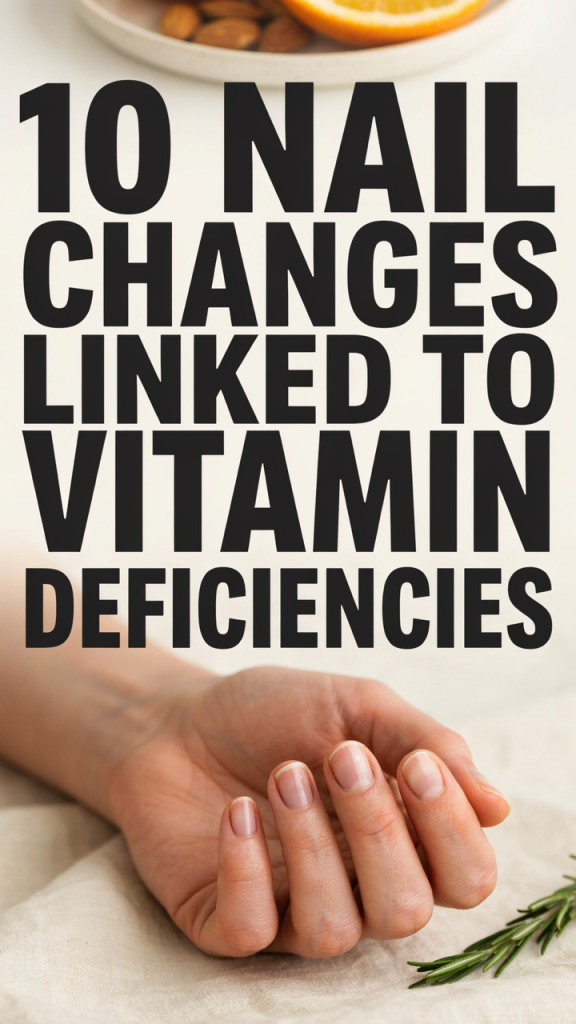
White spots (leukonychia) or diffuse cloudiness in nails are often blamed on “trauma,” but recurrent or widespread patterns can reflect deficiencies in zinc, calcium, or other trace minerals like selenium. Zinc in particular plays roles in keratinocyte proliferation and wound healing: low zinc can cause white spots and brittle nails.
Distinguishing causes: True leukonychia from systemic cause usually presents as persistent white bands or diffuse whitening across multiple nails, whereas minor traumas produce localized spots that grow out. Hypocalcemia may cause brittle nails and slow growth, though isolated calcium deficiency presenting primarily as nail changes is less common.
Testing and interpretation: We consider a serum zinc level when clinical history (poor diet, vegetarian/vegan diet, malabsorption, chronic alcohol use) supports risk. Serum zinc can be influenced by inflammation and fasting status, so interpretation requires context. Selenium deficiency is rare in many Western diets but possible in select regions or after bariatric surgery.
Corrective steps: Dietary sources, shellfish, red meat, poultry, nuts, seeds, legumes, help correct zinc gaps. For calcium, dairy, leafy greens, and fortified foods are valuable. If testing confirms deficiency, short-term supplementation under clinician direction usually leads to nail improvements over a few months. Avoid self-prescribing high-dose zinc long-term because excess zinc can cause copper deficiency and other issues.
Slow Nail Growth Or Thinning Nails — Protein, Vitamin A, And D Deficiencies
Slow Nail Growth Or Thinning Nails, Protein, Vitamin A, And D Deficiencies
Nails are protein-rich structures: insufficient dietary protein slows nail growth and can make nails thin and translucent. We frequently see this in people on restrictive diets, older adults with inadequate intake, or those with malabsorption.
Vitamin A influences epithelial cell differentiation. Both deficiency and excess of vitamin A can cause nail changes, deficiency may blunt growth, while hypervitaminosis A can cause brittleness. Vitamin D supports calcium metabolism and cellular differentiation: low vitamin D has been associated with delayed nail growth and poor nail quality in observational studies.
How we evaluate: Review dietary intake, weight trends, and GI symptoms. Basic labs include serum albumin (as a crude marker of protein status), prealbumin in some cases, and 25-hydroxyvitamin D for vitamin D status. For vitamin A, we rarely measure serum retinol unless there’s a clear clinical suspicion.
Treatment and expectations: Increase protein to 0.8–1.2 g/kg/day depending on age, activity, and health conditions, prioritize lean meats, dairy, legumes, and soy. For vitamin D insufficiency, replacement typically uses 800–2,000 IU/day or higher short-term loading doses under medical supervision to reach sufficiency (>30 ng/mL). Correcting deficits commonly improves nail growth rate within 8–12 weeks, with better nail thickness becoming apparent over months.
Dark Bands, Pigmentation Changes, Or Vertical Ridges — B12, Other Deficiencies, And When To Worry
Dark Bands, Pigmentation Changes, Or Vertical Ridges, B12, Other Deficiencies, And When To Worry
Pigmentation changes in nails, longitudinal melanonychia (dark bands) or diffuse hyperpigmentation, can sometimes relate to nutritional deficiencies like severe B12 deficiency, but they more commonly reflect other causes: trauma, medications (e.g., chemotherapeutics), dermatologic conditions, or melanocytic proliferation. Vertical ridges are usually benign and age-related but when they appear suddenly or are associated with pigment changes, we take a closer look.
B12 deficiency can cause hyperpigmentation of skin and nails in some cases, often alongside other signs (neuropsychiatric symptoms, glossitis). But, dark bands that are single, new, or widening raise concern for subungual melanoma, a serious condition that requires urgent evaluation.
Red flags needing immediate attention: A single dark band on one nail, especially if it involves the proximal nail fold (Hutchinson’s sign), rapid change in thickness, bleeding, or pain. In these scenarios, prompt referral to dermatology for dermoscopy and possible biopsy is warranted. If B12 deficiency is suspected due to other systemic signs, we still check labs promptly but don’t assume pigment change is nutritional in origin.
Clinical approach: For widespread, symmetric pigment changes, review meds and nutrition (B12, folate). For isolated or evolving bands, prioritize dermatologic assessment. When in doubt, treat reversible deficiencies while arranging specialist evaluation, but never delay ruling out malignancy based solely on the possibility of a nutrient gap.
How To Test, Treat, And Prevent Nail-Related Vitamin Deficiencies (Diet, Supplements, And When To See A Doctor)
How To Test, Treat, And Prevent Nail-Related Vitamin Deficiencies (Diet, Supplements, And When To See A Doctor)
Testing strategy: Start with targeted labs based on the nail pattern and associated symptoms. Common initial tests we recommend: CBC with indices, serum ferritin, serum iron/TIBC if indicated, serum B12 and methylmalonic acid, serum folate, 25-hydroxyvitamin D, serum zinc, and basic metabolic panel. For suspected biotin deficiency, clinical diagnosis is common: serum biotin testing exists but is not routinely used.
Interpreting results: Work with your clinician, some lab values (like ferritin) are acute-phase reactants and can be misleading during inflammation. Nutrient levels should be interpreted alongside symptoms, dietary history, medication use (metformin, proton-pump inhibitors, and some anticonvulsants can affect nutrient absorption), and any GI conditions.
Treatment principles:
- Diet first: Emphasize whole foods rich in the deficient nutrient, lean meats, fish, eggs, dairy, legumes, nuts, seeds, leafy greens, and fortified grains. Small, realistic changes are more sustainable than radical overhauls.
- Targeted supplementation: Use supplements when dietary changes are insufficient or when lab-confirmed deficiency exists. Typical examples: oral iron for iron deficiency (elemental iron 60–120 mg/day divided), B12 1,000 mcg daily or injections when absorption is impaired, biotin 2.5–5 mg/day for brittle nails, vitamin D 800–2,000 IU/day or higher as guided by levels, and zinc 8–11 mg/day for mild insufficiency (short course under supervision if deficient).
- Avoid megadoses without testing: Excessive supplementation can cause harm (e.g., too much vitamin A or zinc). We discourage indiscriminate high-dose regimens.
Prevention and lifestyle:
- Protect nails from repeated trauma and harsh chemicals: wear gloves for wet work.
- Keep nails trimmed and moisturized: use gentle nail care products.
- Maintain a balanced diet or a well-planned vegetarian/vegan approach with attention to B12, iron, zinc, and omega-3s.
When to see a doctor or dermatologist: If nail changes are sudden, painful, spreading, accompanied by systemic symptoms (fatigue, neurological signs, heavy bleeding, weight loss), or if a single pigmented band is new, seek prompt medical attention. For slow-changing or multiple-nail issues, we suggest primary care follow-up with targeted labs and nutritional counseling.
Conclusion
Conclusion
Nails give us subtle but valuable clues about our internal nutrient status. Focusing to patterns, brittleness, spooning, discoloration, or slow growth, we can often identify likely vitamin and mineral shortfalls and take sensible steps: improve diet, pursue targeted testing, and use supplements judiciously under clinical guidance. Remember that nails reflect a months-long timeline, so patience is essential: nutritional correction usually shows results over several months. If changes are sudden, localized, or accompanied by concerning symptoms, prioritize medical evaluation to rule out serious causes. With mindful nutrition and basic nail care, most deficiency-related changes are preventable and reversible, and watching our nails is an easy first step toward better overall health.