
10 Surprising Face Changes That Could Signal A Hormone Imbalance (What To Look For In 2026)
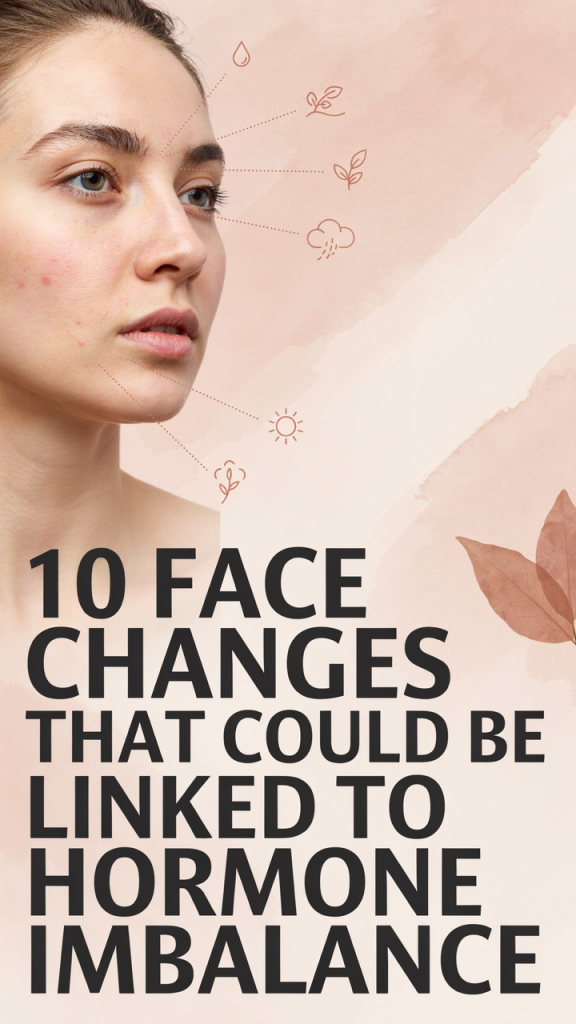
Hormones are the body’s chemical messengers, and when they fall out of balance, the first clues often show up where we least expect them, on our faces. In 2026, with improved diagnostics and growing awareness of endocrine health, it’s easier than ever to connect visible facial changes to underlying hormone issues. We’ll walk through ten face changes that aren’t just cosmetic concerns but potential signs of hormonal imbalance. Our goal is to help you spot patterns, understand the likely hormonal drivers, and know when to pursue testing or treatment. We’ll balance practical guidance with current clinical thinking so you can take informed steps, whether that means changing skincare, adjusting lifestyle habits, or talking to your clinician about targeted testing.
How Hormones Influence Facial Appearance: The Basics
Hormones influence skin, hair, fat distribution, and even vascular tone, so it’s no surprise they affect facial appearance. Estrogens, androgens (like testosterone), cortisol, thyroid hormones, insulin, and growth hormone all have roles. Estrogen tends to promote skin thickness, moisture, and collagen synthesis: when estrogen drops, such as during menopause, skin can become thinner, drier, and more wrinkled. Androgens increase sebum production and can stimulate thicker facial hair. Cortisol affects fluid balance and collagen breakdown, so chronic stress or Cushing’s-like states can lead to puffiness and easy bruising. Thyroid hormones regulate cellular metabolism: hypothyroidism often brings myxedema (puffiness) and coarser skin, while hyperthyroidism can produce warm, flushed skin and thinning hair. Insulin and insulin resistance promote inflammation, acne, and certain pigment changes. Finally, growth hormone influences facial bone and soft tissue structure over time.
When we evaluate a face change, the pattern and timeline matter. Sudden onset or rapid progression, new, coarse beard growth in a woman over months, or rapidly worsening acne after age 30, raises suspicion for significant endocrine shifts and warrants evaluation. Subtler, gradual changes often reflect aging plus modest hormonal drift or lifestyle factors. We’ll walk through ten specific facial changes, explain the hormones most likely involved, and offer practical clues to tell hormonal causes from purely dermatologic or cosmetic ones.
Acne, Oily Skin, And Enlarged Pores: More Than Teenage Breakouts
Persistent acne beyond the teen years, new-onset adult acne, oily skin, and visibly enlarged pores often point toward androgen activity or insulin resistance. Androgens increase sebaceous gland size and sebum output: combined with keratin buildup, this clogs pores and fuels inflammation. Women with polycystic ovary syndrome (PCOS) commonly present with acne that’s resistant to standard topical therapy, along with irregular periods and increased facial hair. But we shouldn’t assume PCOS automatically, excess androgens can come from adrenal overproduction, certain medications, or less commonly, androgen-secreting tumors.
Insulin resistance and high glycemic diets can also exacerbate acne by increasing systemic inflammation and altering hormone signaling. In practice, we ask about acne distribution (cheeks and lower face are classic for hormonal acne), timing (cyclical flares around menses suggest ovarian hormone links), and response to prior treatments. Management blends dermatologic and endocrine approaches: topical retinoids and benzoyl peroxide remain useful, but addressing hormonal drivers, combined oral contraceptives, spironolactone for women, metformin for insulin resistance, may be necessary. Lifestyle changes that reduce insulin spikes (lower-glycemic eating, weight optimization) and stress reduction can complement medical therapy. If acne appears suddenly and severely in an adult, we escalate evaluation to rule out underlying endocrine causes.
Unwanted Facial Hair And Thinning Skin Hair: Hirsutism Versus Hair Loss
Seeing new coarse hairs on the chin, upper lip, or sideburns, or noticing scalp hair thinning, can feel alarming. Hirsutism (excess terminal hair in a male-pattern distribution in women) typically signals elevated androgens or increased tissue sensitivity to normal androgen levels. PCOS is the most common cause in reproductive-age women: but, late-onset congenital adrenal hyperplasia, adrenal tumors, or medications (like danazol or certain progestins) can also provoke hirsutism. We look at the Ferriman–Gallwey score clinically to quantify hair growth, but patient-reported distress and change over time are equally important.
Conversely, female-pattern scalp hair loss (diffuse thinning or widening of the part) may also be androgen-related, called androgenic alopecia, or linked to thyroid dysfunction, iron deficiency, or chronic stress (telogen effluvium). In men, sudden beard growth is rarely pathological, but abrupt changes in hair patterns should prompt hormonal checks when accompanied by other signs. Diagnostic testing typically starts with serum total and free testosterone, DHEA-S (an adrenal androgen marker), and, when indicated, 17-hydroxyprogesterone. Managing hirsutism or hair loss often requires combination therapy: topical or systemic anti-androgens, cosmetic treatments (laser, electrolysis), and addressing reversible contributors like thyroid disease or nutritional deficiencies.
Facial Fat Redistribution: Changes To The Cheeks, Jawline, And Chin
Changes in facial fat, loss of fullness in the cheeks, a sharper jawline, or conversely, fat accumulation around the lower face and neck, can reflect shifts in sex hormones, cortisol, or growth hormone. Estrogen encourages subcutaneous fat deposition in a more “gynoid” pattern whereas lower estrogen, particularly with aging or menopause, can lead to fat descent and loss of midface volume. That’s why cheeks flatten and nasolabial folds deepen with time and hormonal change.
Cushing’s syndrome, characterized by chronically elevated cortisol, often produces a rounded, plethoric face (‘‘moon facies”) accompanied by central fat accumulation elsewhere. Conversely, growth hormone deficiency in adults can reduce facial soft tissue and bone prominence, yielding a gaunt appearance. Insulin resistance and weight gain may create a heavier lower face and jowls due to overall fat expansion and decreased skin elasticity.
We assess whether facial fat changes are symmetric and gradual (more likely age/hormone-related) or rapid and asymmetric (suggesting localized pathology). Interventions range from conservative, weight management, hormone replacement where appropriate, to cosmetic options like fillers or surgery. But underlying endocrine causes should be addressed first when suspected, because treating the hormone imbalance can stabilize or partially reverse soft-tissue changes.
Puffiness, Under‑Eye Bags, And Fluid Retention Around The Face
Persistent facial puffiness and under-eye bags are often dismissed as poor sleep or allergies, but hormones play a major role in fluid balance. Cortisol, aldosterone, and thyroid hormones modulate sodium and water retention: hypercortisolism (Cushing’s) and primary aldosteronism can cause clear facial swelling, while hypothyroidism frequently produces non-pitting, myxedematous puffiness around the eyes and face due to glycosaminoglycan accumulation in interstitial tissues.
Pregnancy and perimenopause involve hormonal shifts that can lead to transient fluid retention and facial bloating. In cases where puffiness fluctuates with the menstrual cycle, we suspect progesterone and estrogen influences. Kidney or cardiac dysfunction can also manifest as facial edema and must be considered, especially when swelling is generalized, worsens overnight, or comes with systemic symptoms.
Clinically we ask about timing (worse in morning? related to salty meals?), associated symptoms (fatigue, weight changes, blood pressure abnormalities), and medication history (steroids, NSAIDs, certain antihypertensives). Management targets the cause: treating thyroid disease, addressing cortisol excess, or optimizing salt intake and sleep hygiene often improves puffiness. When endocrine causes are ruled out, allergy management and topical strategies for under-eye skin can help cosmetically.
Skin Thinning, Easy Bruising, Fine Lines, And Texture Changes
When skin becomes thin, bruises appear with minimal trauma, or fine lines deepen quickly, we consider hormonal culprits, particularly glucocorticoid excess and estrogen deficiency. Cortisol breaks down collagen and impairs wound healing: patients with chronic steroid use or endogenous Cushing’s often show skin atrophy, purple striae, and easy bruising. Estrogen withdrawal during menopause similarly reduces collagen content and skin thickness over months to years, accelerating wrinkle formation and texture changes.
Thyroid disease can alter skin texture: hypothyroidism tends to make skin coarse, dry, and cool, while hyperthyroidism produces thin, warm, and velvety skin. Growth hormone excess (acromegaly) causes coarse facial features and skin thickening, but growth hormone deficiency leads to reduced skin elasticity.
Recognizing the pattern helps us decide whether to test for cortisol levels, review medication exposures, or consider menopausal hormone therapy as part of an integrated plan. Cosmetic options like topical retinoids and medical procedures can improve texture, but addressing the hormonal driver often yields the most durable benefits. We also counsel on sun protection and nutrient support (vitamin C and protein) to support collagen integrity.
Pigmentation Changes, Melasma, Flushing, And Persistent Redness
Pigment changes such as melasma (patchy brown pigmentation on the cheeks, forehead, or upper lip), chronic flushing, and persistent facial redness often have hormonal contributors. Melasma is classically linked to estrogen and progesterone, common in pregnancy (the so-called ‘‘mask of pregnancy”) and in patients taking combined hormonal contraceptives or hormone replacement therapy. Estrogens upregulate melanocyte activity and make skin more susceptible to UV-triggered pigment production.
Persistent facial flushing and redness may stem from hormonal vasomotor instability, hot flashes during menopause are a prime example. Thyroid dysfunction can also increase skin blood flow, producing warmth and flushing. Meanwhile, insulin resistance and systemic inflammation can worsen post-inflammatory hyperpigmentation after acne or rosacea flares.
Management combines sun protection, topical agents (hydroquinone alternatives, retinoids, azelaic acid), and addressing hormonal triggers. For menopausal flushing, we discuss vasomotor symptom management, including menopausal hormone therapy where appropriate. In cases where pigmentation began with starting hormonal medications, adjusting contraceptive or replacement regimens can help. A dermatology referral for targeted therapies (chemical peels, laser) is often useful when pigmentation proves stubborn.
When To See A Doctor And What To Expect From Evaluation
Not every cosmetic change needs an endocrine workup, but certain red flags prompt us to seek evaluation. These include rapid onset of symptoms (weeks to a few months), severe or progressive changes (sudden hirsutism, rapidly spreading acne, marked facial puffiness), systemic signs (menstrual irregularities, weight changes, high blood pressure, unexplained fatigue), or poor response to standard dermatologic therapy. If we see combinations of signs, say, acne plus irregular periods and weight gain, we raise our suspicion for conditions like PCOS or metabolic syndrome and move toward testing.
When we present to a clinician, expect a thorough history: timing and progression of face changes, menstrual and reproductive history, medication and supplement list (including topical steroids), family history, and lifestyle factors. A physical exam assesses distribution and patterning of changes, diffuse versus localized, symmetric versus asymmetric. Initial lab tests are targeted to the suspected hormonal axis and severity of symptoms.
Tests, Treatments, And Red Flags To Watch For
Common initial tests include serum total testosterone and free testosterone (for suspected androgen excess), DHEA-S (adrenal source), TSH and free T4 (thyroid function), fasting glucose and insulin or HbA1c (insulin resistance), morning cortisol or dexamethasone suppression testing (Cushing’s concerns), and sometimes 17-hydroxyprogesterone (congenital adrenal hyperplasia). For menopausal symptoms and estrogen-related changes we’ll consider estradiol in context with FSH/LH. Imaging (adrenal or ovarian ultrasound, pituitary MRI) is reserved for cases where biochemical tests suggest neoplasm or focal disease.
Treatment follows the diagnosis. For PCOS: lifestyle modification, combined oral contraceptives, spironolactone, and metformin are common. For thyroid disease: levothyroxine for hypothyroidism or antithyroid therapy for hyperthyroidism. For cortisol excess: referral for endocrine surgery or medical therapy is often needed. We also integrate dermatologic treatments, topicals, lasers, fillers, or hair removal, after hormonal drivers are controlled. Red flags that require urgent referral include rapidly progressive virilization (deepening voice, rapid muscle gain, clitoromegaly in women), severe Cushingoid features, or features suggestive of pituitary disease (visual changes, headaches).
Conclusion
Our faces reflect more than age and skincare choices, they can be a real-time window into hormonal health. By noticing patterns, persistent acne, sudden hair growth, facial fat changes, unexplained puffiness, or pigment shifts, we increase the chance of catching treatable hormone imbalances early. When changes are rapid, severe, or paired with systemic symptoms, we should pursue medical evaluation that includes targeted hormone testing and tailored treatment. Addressing underlying endocrine drivers often improves both health and appearance, and gives us a clearer path forward between cosmetic fixes and meaningful medical care.


