
12 Silent Signals Your Body Is Under More Stress Than You Think — What To Watch For
We often treat stress like a mental checkbox, busy week, tight deadline, check. But stress doesn’t always announce itself with panic attacks or meltdown moments. It quietly reshapes how we sleep, digest food, fight infections, and even how our skin looks. If we ignore those subtle signals long enough, what began as a short-term response becomes chronic strain that affects every system in our body.
In this guide we’ll walk through 12 physical and emotional clues that suggest our bodies are carrying more stress than we realize. For each sign we’ll explain why it happens, what to watch for, and practical steps we can take to reduce the load or get help. This isn’t about alarmism, it’s about giving us clear, actionable information so we can catch issues early and protect our long-term health.
Why We Miss Subtle Stress Signals And Why They Matter
We’re good at noticing loud signals: shattered sleep, a panic attack, or a doctor’s warning. But the brain and body are optimized to adapt. When stress is persistent but not catastrophic, our internal alert system recalibrates. That recalibration makes low-level but ongoing symptoms feel “normal,” and over time we stop connecting them to stress.
Two cognitive factors help explain this. First, normalization bias. If a symptom appears gradually, we assume it’s part of our baseline. Second, attribution error: we attribute tiredness to a late night, headaches to caffeine, or digestive changes to diet, and never tie several small signs together to see the pattern.
Biologically, chronic activation of the stress response changes hormone balance, immune function, digestion, sleep architecture, and nervous system sensitivity. Cortisol, adrenaline, and inflammatory cytokines can stay elevated or fluctuate unpredictably, causing a cascade of subtle symptoms across systems. Those small effects compound: a night of fragmented sleep lowers our immune defenses: poorer digestion reduces nutrient absorption: chronic jaw clenching creates headaches and TMJ problems. When we address only one symptom in isolation, say, taking antacids for reflux, we miss the root: sustained stress.
Why does this matter? Because early recognition lets us intervene with lifestyle changes, targeted therapies, and when necessary, professional care. Catching stress early prevents downstream problems: mood disorders, metabolic disruption, chronic pain, and faster biological aging. Our goal in the sections that follow is to make these connections clearer so we can spot patterns and act before things escalate.
Fatigue And Sleep Problems: Constant Tiredness, Insomnia, Or Unrefreshing Sleep
One of the most common but overlooked stress signals is persistent fatigue. It’s not just feeling tired after a long day: it’s waking up unrefreshed even though time in bed, needing naps to get through the afternoon, or lying awake replaying responsibilities. Stress disrupts the balance between cortisol and melatonin, shifts sleep stages, and increases nighttime arousals, so we might spend eight hours in bed but get poor restorative sleep.
Insomnia linked to stress often begins with difficulty falling asleep as thoughts race, then progresses to early morning awakenings or guilt-laden rumination at night. Some people experience sleep maintenance insomnia where they briefly wake multiple times and never reach deep sleep. Others report hypersomnia, an urge to sleep more than usual, which can be the body’s attempt to compensate for fragmented rest.
Practical steps we can try: prioritize sleep hygiene (consistent sleep-wake times, limiting screens 60–90 minutes before bed), use relaxation routines (deep breathing, progressive muscle relaxation), and reduce evening stimulants (caffeine or intense exercise late at night). For intense, persistent insomnia tied to stress, cognitive behavioral therapy for insomnia (CBT-I) is highly effective and safer long-term than medication. If fatigue is extreme, sudden, or paired with significant cognitive changes, we should consult a clinician to rule out medical causes like thyroid dysfunction, anemia, or sleep apnea.
Tracking sleep with a journal or a wearable for a few weeks helps us see patterns and decide which lifestyle changes are actually helping.
Digestive Distress: Bloating, Changes In Bowel Habits, Or IBS Flares
The gut is highly sensitive to stress, so much so that clinicians call the connection the gut-brain axis. When we’re stressed, the autonomic nervous system shifts toward fight-or-flight, slowing digestion, altering gut motility, and changing microbial balance. That translates into bloating, increased gas, constipation, diarrhea, or a pattern that alternates between the two, classic signs in people with irritable bowel syndrome (IBS).
Stress also increases visceral sensitivity: our gut reacts more sharply to normal sensations, which makes cramps and discomfort feel worse. Also, stress can change our eating habits, skipping meals, grazing on convenience food, or overeating late at night, further aggravating symptoms. Certain behaviors like chewing gum, drinking carbonated beverages, or eating quickly compound bloating.
What we can do: start with food and routine. Keep a brief food-and-symptom diary for 2–4 weeks to detect triggers and patterns. Favor regular meals, slow mindful eating, and a moderate-fiber diet tailored to whether constipation or diarrhea predominates. Probiotics may help some people: low-FODMAP diets can reduce IBS symptoms for many but should be tried under guidance to avoid unnecessary restriction. Stress-targeted therapies, mindfulness, gut-directed hypnotherapy, and CBT, have robust evidence for reducing IBS symptoms.
If symptoms include alarming signs, unintentional weight loss, blood in stool, nocturnal symptoms, or family history of inflammatory bowel disease, we shouldn’t assume stress is the only cause and should pursue medical evaluation.
Headaches, Jaw Pain, And Teeth Grinding: Physical Tells Of Chronic Tension
Persistent tension often shows up in our head, neck, and jaw. Tension-type headaches, dull, pressing pain across the forehead or temples, are strongly associated with ongoing stress. Many people also clench their jaw or grind their teeth (bruxism) during the day or at night, which leads to jaw pain, earache, tooth sensitivity, and worn enamel.
The mechanics are straightforward: stress increases muscle tone in the head and neck. Over time this constant micro-contraction fatigues muscles and creates trigger points that refer pain. Nighttime bruxism is often subtle: your partner might notice the grinding before you do, or your dentist may be the first to call attention to worn teeth.
Management combines symptom control and root-cause approaches. Simple measures like warm compresses, jaw-stretching exercises, and avoiding gum chewing help. For sleep-related grinding, a night guard prescribed by a dentist protects teeth and can reduce jaw strain. Massage therapy, targeted physical therapy, and techniques to reduce sympathetic arousal, diaphragmatic breathing, biofeedback, and progressive muscle relaxation, can lower muscle tension.
If headaches change pattern, become severe, or are accompanied by neurological signs (vision changes, weakness, or confusion), we need immediate medical assessment to rule out other causes. Otherwise, addressing stress directly often reduces frequency and intensity of these pain symptoms significantly.
Frequent Infections Or Slow Wound Healing: When Your Immune System Shows Strain
We often think stress only affects mood, but it also modulates immune function. Acute stress can temporarily boost certain immune responses, but chronic stress dysregulates immunity, reducing our ability to fight infections and slowing tissue repair. That’s why we might notice more colds, longer recovery times, or wounds that take longer than expected to heal when we’re under prolonged pressure.
Mechanisms include altered cortisol rhythms suppressing some immune cell activity, changes in inflammatory cytokine profiles, and behavioral shifts (poor sleep, reduced exercise, and less nutrient-rich eating) that further weaken defenses. Studies have shown caregivers and people with high life stress get more frequent and more severe respiratory infections, and vaccination responses can be blunted in chronically stressed individuals.
What to monitor: increased frequency of upper respiratory infections, recurrent skin infections, persistent low-grade infections, and wounds that remain red or take weeks to close. If we notice these patterns, we should prioritize behaviors that support immunity, consistent sleep, balanced nutrition with adequate protein and micronutrients (vitamin D, zinc), regular moderate exercise, and stress reduction techniques. Simple hygiene measures and timely medical care for suspicious infections are important.
If infections are unusually severe, recurrent, or accompanied by other concerning signs (fever, night sweats, unexplained weight loss), a healthcare evaluation is essential to rule out immune disorders or other medical causes.
Heightened Anxiety, Irritability, Or Mood Swings: Emotional Clues Your Body Is Overloaded
Emotional shifts are often the first place we notice stress, but we sometimes dismiss them as personality changes or situational mood. Heightened reactivity, low frustration tolerance, or mood swings that don’t fit our usual pattern are meaningful signals. Chronic stress alters neurotransmitter systems (serotonin, GABA, norepinephrine) and hormone rhythms, which can make us anxious, irritable, or emotionally flat in ways that impede functioning.
Subtle signs to watch for include increased startle response, loss of patience over minor inconveniences, amplified worry about small uncertainties, or feeling emotionally numb even though busy schedules. These signs might show up in relationships as snapping at loved ones, withdrawal, or difficulty concentrating at work. Emotional exhaustion, feeling like our emotional reservoir is depleted, is particularly characteristic of prolonged stress.
What helps: first, validate what we’re feeling rather than minimizing it. Behavioral strategies like regular physical activity, structured social time, and scheduling micro-breaks can stabilize mood. Mindfulness-based stress reduction (MBSR), acceptance and commitment therapy (ACT), and CBT techniques provide practical skills to manage thought patterns and reactivity. When anxiety or mood changes significantly interfere with daily life, professional assessment is warranted, therapy and, when appropriate, medication can restore balance and prevent escalation into major depressive or anxiety disorders.
We should also check for overlapping medical contributors, such as thyroid dysfunction, which can mimic or exacerbate mood symptoms.
Appetite Changes And Unexplained Weight Fluctuations
Stress affects appetite in complex ways. Some people lose their appetite entirely during high-stress periods, while others turn to food for comfort, leading to overeating, especially calorie-dense, high-sugar, or high-fat foods. Both patterns can cause noticeable weight changes over time and may be accompanied by guilt or frustration, which perpetuates the cycle.
Biologically, cortisol and insulin interplay influences appetite and fat storage. Chronically elevated cortisol encourages fat deposition, particularly around the abdomen, even without large caloric excess. Stress-related sleep loss also dysregulates hunger hormones, ghrelin goes up and leptin goes down, making us feel hungrier and less satisfied after eating.
To respond constructively, we recommend tracking not just weight but eating patterns and associated emotions for several weeks. Small, sustainable changes tend to work better than dramatic diets: regular balanced meals with protein and fiber, planning healthy snacks, and creating non-food coping strategies (walks, calls with friends, breathing exercises) reduce the reflex to snack under pressure. If weight changes are rapid or unexplained, or if eating patterns include bingeing or restrictive behaviors, we should seek medical and mental health support, both to address physiological drivers and to prevent disordered eating.
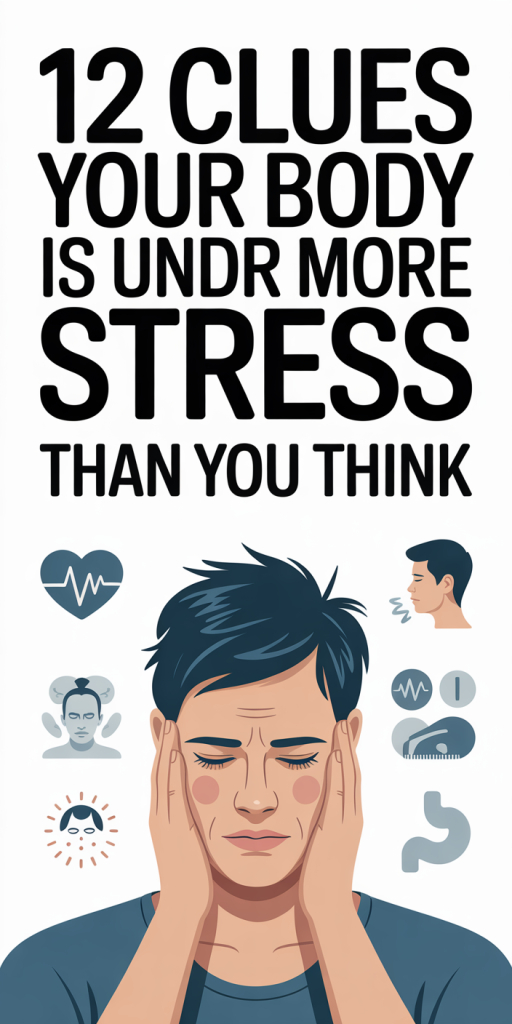
Muscle Tension, Aches, And Postural Changes From Ongoing Stress
Musculoskeletal complaints are a common physical manifestation of chronic stress. We hold tension in predictable places, shoulders, neck, lower back, and that persistent contraction leads to aching, stiffness, limited range of motion, and even altered posture. Over time, these adaptations can create compensatory movement patterns that increase injury risk and pain.
For example, forward head posture and rounded shoulders often accompany prolonged desk work combined with stress-related muscular tightness. That posture overloads upper trapezius and levator scapulae muscles, creating chronic neck pain and headaches. Similarly, tight hip flexors from prolonged sitting and stress-related clenching can alter gait and stress the lumbar spine.
What to do: regular movement breaks and targeted stretching can interrupt the cycle. We favor routines that combine mobility with strength to correct postural imbalances: thoracic extension exercises, scapular retraction work, hip flexor stretches, and glute strengthening. Manual therapies, physical therapy, myofascial release, and therapeutic massage, give targeted relief and teach us long-term strategies. Incorporating stress-reduction techniques (breath work, yoga, gentle cardio) helps reduce baseline muscle tone.
If pain is severe, neurologic signs emerge (numbness, tingling, weakness), or function declines, medical assessment is necessary to rule out structural causes such as disc herniation or radiculopathy.
Skin Changes, Hair Loss, And Signs Of Premature Aging
Stress shows on the skin. We may notice increased acne, eczema flares, hives, or psoriasis exacerbations when life is demanding. Chronic stress can also accelerate signs of skin aging, fine lines, loss of elasticity, and contribute to hair thinning or increased shedding.
Mechanisms include stress-driven inflammation, altered skin barrier function, and telomere shortening in cases of prolonged stress exposure, factors that accelerate cellular aging. Stress-induced hormonal shifts change sebum production and immune responses in the skin, which explains flares in inflammatory conditions. Hair loss (telogen effluvium) often appears months after a stressful period: suddenly increased hair shedding is commonly reported after acute or prolonged stressors.
Practical measures: gentle skincare routines, avoiding harsh topical steroids unless prescribed, and using anti-inflammatory strategies (cool compresses for hives, emollients for eczema) are useful first steps. For hair shedding, nutrition optimization (adequate protein, iron, and certain micronutrients), patience, and stress reduction help recovery, most telogen effluvium resolves within months once the trigger lessens. Dermatologic evaluation is warranted for sudden, severe, or scarring hair loss, rapid changes in moles, or worsening inflammatory skin disease.
Remember: skin and hair changes are visible stress barometers. They’re not merely cosmetic, they often reflect deeper physiological strain that deserves attention.
Conclusion: Practical Steps To Reduce Stress, Track Symptoms, And When To Seek Help
Recognizing these 12 signals helps us connect the dots, fatigue, digestive trouble, headaches, mood shifts, and changes in skin or immunity rarely occur in isolation when stress is the driver. Our best defense is a combination of monitoring, lifestyle changes, and timely professional care.
Actionable steps we can start today: keep a simple symptom-and-sleep diary for two to four weeks to spot patterns: prioritize sleep and consistent meals: schedule daily movement and brief relaxation breaks: and practice one evidence-based stress tool regularly (diaphragmatic breathing, mindfulness, or CBT techniques). For targeted symptom relief, seek providers who understand mind-body connections, therapists trained in CBT or MBSR, physiotherapists for muscle tension, dentists for bruxism, and dermatologists for skin flares.
We should seek urgent medical attention for red-flag signs: severe or changing neurological symptoms, unexplained weight loss, recurrent high fevers, blood in stool, or rapidly worsening respiratory symptoms. For persistent but less dramatic problems, ongoing insomnia, frequent infections, chronic pain, or emotional decline, engaging primary care and mental health professionals early improves outcomes.
Stress is a biological signal, not a character flaw. By listening to these silent clues and responding with practical, evidence-based steps, we protect our health and resilience. Let’s treat stress like the important health marker it is and take small, steady actions to reduce its toll.

