10 Early Perimenopause Symptoms That Feel Totally Random — What To Watch For And Do About Them
We often picture menopause as a single, dramatic event years down the road, a clear switch from regular periods to hot flashes. In reality, perimenopause is a drawn-out, often surprising phase that can start in our 40s (and sometimes earlier). Those first signs tend to look random: a sleepless night, a stray period, a brain fog moment at a meeting. That unpredictability makes it hard to recognize what’s happening and to take practical steps. In this guide we’ll walk through 10 early perimenopause symptoms that commonly feel totally unrelated to reproductive aging. For each symptom we’ll explain why it happens, how to tell if it’s perimenopause vs. something else, and what evidence-based actions we can take, from lifestyle tweaks to when to see a provider. By the end you’ll have a clearer sense of which “random” changes deserve attention and what to do about them in 2026.
How Early Perimenopause Shows Up Differently Than You Expect
Perimenopause is the transition phase before menopause when ovarian function and hormones, especially estrogen and progesterone, begin to fluctuate unpredictably. Unlike the steady decline many expect, these hormones can swing up and down for years, producing symptoms that don’t always look connected to reproductive aging. We may chalk them up to stress, aging, or busy lives instead of seeing the pattern.
A few points help explain the surprise factor. First, symptoms often appear one at a time rather than in a cluster. You might notice sleep problems months before your cycles change. Second, the timing is variable: perimenopause can begin in our late 30s to late 40s, and symptom severity differs widely. Third, many early signs overlap with other conditions, thyroid issues, anxiety disorders, or medication side effects, which is why people often miss the connection.
Understanding that variability is empowering. When we recognize that seemingly random changes (mood shifts, subtle cognitive slips, new sexual dryness) can stem from hormonal volatility, we can take targeted steps earlier. That means symptom tracking, basic labs when appropriate, and practical lifestyle and medical strategies tailored to which symptoms trouble us most.
Irregular Periods, Spotting, And Unexpected Cycle Changes
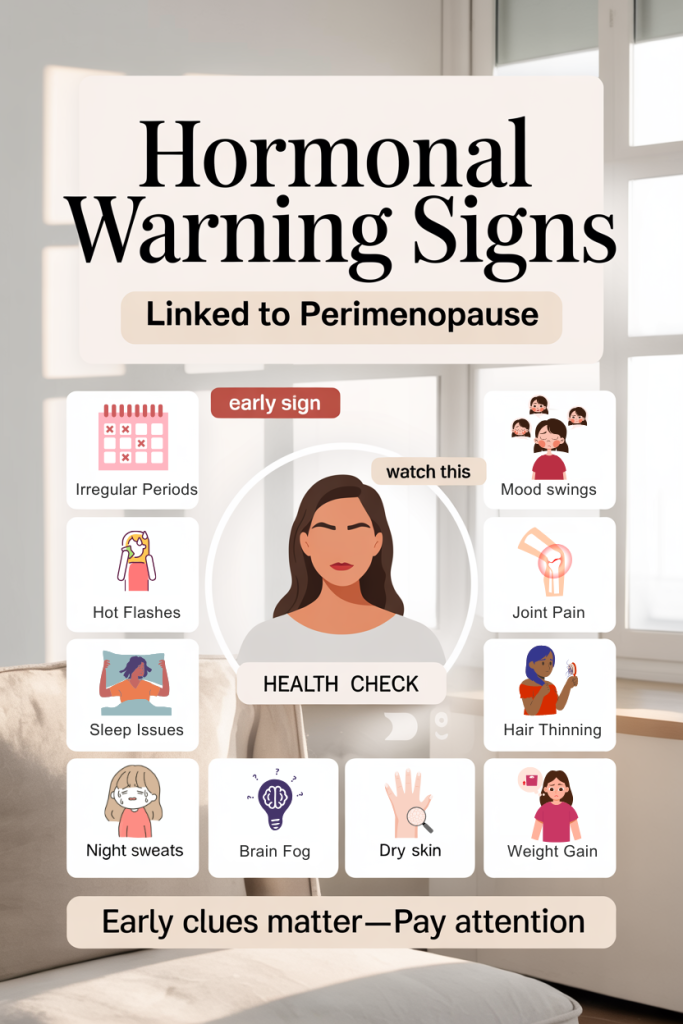
Changes to bleeding patterns are often the first clue that perimenopause has begun, but they don’t always look neat. Periods may come earlier or later, become heavier or lighter, or include spotting between cycles. We might skip a month, then have two short cycles back-to-back. These fluctuations occur because ovulation becomes less predictable as follicles exhaust and hormone signaling shifts.
What to watch for: cycles that vary by more than seven days from month to month, new heavy bleeding (soaking a pad or tampon in an hour), prolonged bleeding over 7–10 days, or unexpected spotting after sex. While irregular cycles are typical in perimenopause, certain patterns need prompt evaluation: very heavy bleeding that causes anemia, or bleeding after intercourse that could signal polyps, cervical changes, or infections.
Actions we can take: start tracking cycles with a calendar or app and note flow, pain, and associated symptoms. If bleeding is heavy or prolonged, see a provider for pelvic exam, ultrasound, and possibly lab work (CBC, thyroid, coagulation studies if indicated). For bothersome heavy or irregular bleeding, options include hormonal contraception, a levonorgestrel IUD to reduce flow, or short-term combined hormone therapy, decisions we should make with our clinician based on goals for contraception and symptom relief.
Random Hot Flashes And Night Sweats That Start Out Of Nowhere
A sudden flush of heat, a racing heart, and drenched pajamas, hot flashes and night sweats can arrive seemingly out of the blue and become the defining symptom for many. They’re caused by changes in the brain’s thermoregulatory set point linked to fluctuating estrogen and neural signaling (notably norepinephrine and serotonin pathways).
Hot flashes vary: some are mild warmth, others are intense sweating episodes that disrupt sleep and daily life. Triggers commonly include spicy food, alcohol, caffeine, tight clothing, and stress. In the early perimenopausal stage they may be intermittent and unpredictable: over time they can become more frequent.
Practical steps: avoid known triggers, layer clothing for quick cooling, keep bedroom temperature cool, and use moisture-wicking sleepwear. For daytime or frequent severe flashes consider non-hormonal options like low-dose paroxetine (an FDA-approved SSRI for vasomotor symptoms), gabapentin at night, or clonidine in select cases, we should discuss risks and benefits with our provider. Hormone therapy remains the most effective treatment for many people, especially when prescribed for symptom-limited durations tailored to individual risk profiles.
Sudden Mood Swings, Anxiety, Or Heightened Irritability
We may expect mood swings with perimenopause, but the way they can emerge, quickly and without an obvious trigger, often feels alarming. Hormone fluctuations affect neurotransmitters and stress-response systems, which can heighten anxiety, lower frustration tolerance, or amplify depressive symptoms in people predisposed to mood disorders.
Tip-offs that mood changes are hormonally linked include cyclical timing (worse around anovulatory cycles), sudden onset compared with lifelong baselines, or co-occurrence with other perimenopausal signs such as sleep disruption and hot flashes. But it’s important to rule out other contributors: life stressors, thyroid dysfunction, vitamin deficiencies, and psychiatric conditions.
What to do: start by tracking mood patterns alongside cycles to spot hormonal relationships. Prioritize sleep, regular physical activity, and gut-friendly nutrition (stable blood sugar can stabilize mood). For persistent or severe anxiety or depression we should seek professional help, psychotherapy (CBT) and certain antidepressants (SSRIs/SNRIs) can be effective. If mood changes clearly track with perimenopause and other treatments aren’t enough, hormone therapy may improve mood for some individuals: we’ll weigh benefits and risks with our clinician.
Sleep Disturbances, Early Waking, And Unexplained Insomnia
Sleep problems are both a symptom and an amplifier of perimenopause. Night sweats can awaken us, but we can also develop trouble falling asleep or wake earlier than we used to without any obvious cause. Fluctuating estrogen and progesterone affect sleep architecture and can reduce the brain’s ability to stay asleep.
We should pay attention to sleep patterns: difficulty initiating sleep, frequent awakenings, early-morning waking with inability to return to sleep, and unrefreshing sleep even though adequate time in bed. Chronic poor sleep worsens mood, cognition, and immune function, so early attention pays off.
Behavioral strategies help a lot. We recommend consistent sleep schedules, a wind-down routine that reduces blue light exposure, avoiding heavy meals and alcohol close to bedtime, and creating a cool, dark, quiet sleep environment. Cognitive-behavioral therapy for insomnia (CBT-I) is the first-line non-drug treatment and works well for perimenopausal sleep complaints. When night sweats are the driver, addressing vasomotor symptoms (behavioral strategies, nonhormonal meds, or HRT) can restore sleep. Short-term use of sleep aids may be appropriate in selected cases under medical supervision.
Brain Fog, Memory Lapses, And Trouble Concentrating
One of the most disconcerting early signs is cognitive fuzziness, forgetting names, losing our train of thought mid-sentence, or needing more time to process information. These changes are usually subtle and patchy but can feel dramatic when they surface in high-stakes moments at work or home.
Why it happens: estrogen plays a role in synaptic plasticity and neurotransmitter regulation, so its variability can transiently impair attention and verbal memory. Sleep disruption, mood symptoms, and chronic stress compound the problem, so cognitive complaints are often multi-factorial.
Practical approaches: we can improve cognitive resilience by prioritizing sleep, regular aerobic and resistance exercise (both boost brain health), cognitive training (targeted brain games or real-world learning), and stress reduction practices like mindfulness. For persistent or worsening memory problems, a check-up is warranted to exclude thyroid disease, B12 deficiency, medication effects, or early neurodegenerative conditions. While hormone therapy hasn’t been proven as a cognitive enhancer for long-term prevention, treating sleep and mood and optimizing vascular risk factors (blood pressure, cholesterol, glucose control) supports better cognition.
Unexplained Changes In Libido Or Vaginal Dryness
We might notice our sexual desire shifting or experience increased vaginal dryness and discomfort with intercourse. These changes can be confusing because they don’t always follow a simple pattern, desire can drop or, for some, increase unpredictably. Estrogen decline and changes in testosterone and androgen activity impact vaginal mucosa, lubrication, and sexual responsiveness.
Vaginal dryness, itching, or painful sex (dyspareunia) is common and tends to worsen over time if untreated. Lower desire can be influenced by hormonal shifts, but also by sleep loss, mood changes, body image struggles, relationship factors, and medications.
What to do: for dryness, first-line treatments include over-the-counter water- or silicone-based lubricants and regular use of vaginal moisturizers. For persistent genitourinary symptoms, local low-dose vaginal estrogen (creams, rings, or tablets) is highly effective and carries minimal systemic absorption for most people. For decreased libido, we should evaluate contributing factors broadly, relationship dynamics, mood, fatigue, and medications, and consider counseling or sex therapy alongside medical options. In select cases, systemic hormone therapy or other pharmacologic agents may be appropriate after a careful discussion of risks and goals.
Hair Thinning, Dry Skin, And Other Subtle Body Changes
Perimenopause can manifest in gradual body changes that seem cosmetic but affect our daily experience: hair thinning on the scalp, increased facial hair in some, drier skin, and a change in fat distribution. These shifts stem from declining estrogen and relative androgen effects, along with aging-related changes in collagen and skin elasticity.
Hair and skin changes are often slow and easy to dismiss until they become noticeable. We should look for widening part lines, more scalp visibility, or increased breakage. For skin, decreased oil production leads to dryness and more pronounced fine lines.
Practical steps: skincare basics, regular gentle cleansing, daily sunscreen, topical retinoids (if tolerated), and moisturizer with ceramides, help maintain barrier function. For hair, minimize heat styling and harsh chemical treatments, eat a protein- and nutrient-rich diet (iron, zinc, biotin when deficient), and consider topical minoxidil for female-pattern thinning after consulting our clinician. For bothersome facial hair, options include laser, electrolysis, or targeted hair removal. Some may find benefit from systemic hormone therapy, which can modestly improve skin and hair quality, while others prefer cosmetic or dermatologic interventions.
Breast Tenderness, Bloating, And Digestive Oddities
Early perimenopause can bring cyclic or ongoing breast tenderness, abdominal bloating, and changes in digestion that feel unrelated to hormones at first. Estrogen and progesterone fluctuations influence fluid balance and gastrointestinal motility, which can present as fullness, gas, or IBS-like symptoms. Breast tissue is also hormone-sensitive and may feel more lumpy or tender.
Distinguishing features: hormonal-related bloating often fluctuates with cycle timing: persistent severe abdominal pain or significant weight loss requires immediate evaluation. New, hard breast lumps, persistent localized pain, or nipple discharge should prompt prompt clinical assessment and imaging as needed.
Management options: dietary adjustments, reducing excess sodium, limiting carbonated beverages, and identifying specific food triggers, can reduce bloating. Regular exercise and pelvic floor work may improve GI symptoms and pelvic discomfort. For breast discomfort, over-the-counter analgesics, well-fitting bras, and reducing caffeine can help. If symptoms are severe or new lumps appear, we should arrange clinical breast exams and imaging (mammogram/ultrasound) according to age and risk factors.
When To See A Provider And Practical Steps To Feel Better
Knowing when to seek medical attention helps us separate normal perimenopausal changes from red flags. See a healthcare provider promptly if you experience heavy or prolonged bleeding, significant anemia symptoms (dizziness, faintness), new or worsening breast lumps, severe pelvic pain, or sudden and severe mood changes. Also seek care if symptoms severely impair daily function, such as disabling hot flashes, insomnia, or depression.
What to expect at a visit: we’ll review your symptom timeline, medical history, medications, and family risk factors. Providers may order tests like a complete blood count, thyroid panel, and targeted imaging (pelvic ultrasound, mammogram) as indicated. While routine hormone testing isn’t always diagnostic for perimenopause due to fluctuating levels, selective labs can rule out other conditions.
Practical first-line steps we can take together include:
- Symptom tracking: bring a calendar or app notes so patterns are visible.
- Lifestyle interventions: consistent sleep routines, exercise (150 minutes of moderate intensity weekly), balanced diet, alcohol moderation, and smoking cessation.
- Non-hormonal therapies: for vasomotor symptoms (paroxetine, gabapentin) or for mood/anxiety (SSRIs/SNRIs, psychotherapy).
- Local therapies: vaginal estrogen for genitourinary symptoms, lubricants, and moisturizers.
- Hormone therapy: for those who want effective relief and have no contraindications, individualized HRT remains a mainstay for moderate–severe symptoms: duration and formulation should be tailored to risk profile and symptom goals.
We should create a plan that balances safety and quality of life. If needed, ask for referrals to menopause specialists, mental health professionals, pelvic floor physical therapists, or dermatologists. Early attention makes a real difference in symptom control and overall well-being.