What Should I Eat After a Workout to Build Muscle?
Introduction
After a hard workout you’re not done — what you eat next matters. Post-workout nutrition is one of the fastest, most effective ways to support muscle repair, promote strength gains, and recover faster for your next training session. Whether your goal is to build muscle, improve body composition, or train more frequently, the right combination of protein, carbohydrates, and fluids in the minutes and hours after exercise helps turn a workout into measurable progress. This article breaks down the science, practical targets, and a dozen delicious, easy-to-make post-workout meals and snacks that support muscle growth. Each meal idea includes clear ingredients and step-by-step instructions so you can put recovery into practice immediately.
Why post-workout nutrition matters
Resistance training causes microscopic damage to muscle fibers. Repairing and building those fibers requires amino acids (from dietary protein) and energy (from carbohydrates and calories). Post-workout nutrition does three key things:
- Supplies amino acids to stimulate muscle protein synthesis (MPS).
- Replenishes glycogen stores so future workouts are effective.
- Rehydrates and restores electrolytes to optimize performance and recovery.
While total daily protein and calories are the primary drivers of muscle gain, timing and the composition of your post-workout meal can optimize recovery and training adaptations.
Key nutrients for muscle building
Protein — the building block
Aim for 20–40 grams of high-quality protein in your post-workout meal. This provides a robust stimulus for muscle protein synthesis. Prioritize complete proteins (those containing all essential amino acids) like dairy, eggs, poultry, fish, beef, soy, and whey.
Carbohydrates — restore and support
Carbohydrates refill muscle glycogen and support insulin-mediated uptake of amino acids into muscle. A practical target is to include a moderate carbohydrate portion with your protein: roughly 0.5–0.7 g per kilogram of body weight (about 0.23–0.32 g per pound) in the first couple hours post-exercise when glycogen restoration is a priority — especially after long or high-intensity sessions. For many lifters, 30–80 grams of carbs is appropriate depending on workout intensity and body size.
Fats — include, but prioritize timing
Fat doesn’t impair muscle building when included in a meal, but very large amounts of fat can slow digestion. Keep the post-workout meal moderate in fat (for example, 5–20 grams) so protein and carbs are absorbed efficiently.
Fluids and electrolytes
Rehydrate with water and, if you sweated heavily, include sodium and potassium through food or a sports drink. Proper hydration supports nutrient transport and recovery.
How much should I eat? Practical guidance
- Protein: 20–40 grams per post-workout meal (adjust for size and training volume).
- Carbohydrates: 0.5–0.7 g/kg in the immediate recovery period if you train again soon or had a high-glycogen-depleting session; otherwise, include a normal portion of carbs (30–80 g).
- Calories: To build muscle you’ll need a modest calorie surplus across the day. Your post-workout meal should contribute to that total without being your only calorie source.
- Frequency: Aim to eat a balanced meal within 1–2 hours after training. If it’s been more than 3–4 hours since your pre-workout meal, eat sooner.
Timing: Is the “anabolic window” real?
The concept of a narrow “anabolic window” (a 30–45 minute period where you MUST eat to build muscle) is overstated. If you consume adequate protein and calories across the day, the timing is less critical. That said, eating protein and carbs within 1–2 hours after training is practical, especially if your last meal was several hours earlier or you plan to train again within the day. Think of immediate post-workout nutrition as helpful, not absolutely decisive — but it does consistently help with recovery and performance.
What to eat: Foods and combinations that work
Choose foods that combine a quality protein source with a carbohydrate. Here are general categories and examples:
- Dairy: Greek yogurt, cottage cheese, chocolate milk.
- Lean meats and fish: Chicken breast, turkey, tuna, salmon.
- Eggs and egg whites.
- Plant proteins: Tofu, tempeh, lentils, black beans with grains.
- Whole grains and starchy vegetables: Oats, rice, quinoa, sweet potato.
- Fruits: Bananas, berries, mango, apple — excellent quick carbs.
- Smoothies: Easy to make and digestible when you’re on the go.
12 Practical post-workout meals and recipes
Below are 12 recipes and meal ideas that combine protein, carbs, and sensible fats. Each recipe lists ingredients and step-by-step instructions so you can prepare them quickly after training. Portions can be scaled to match your calorie and macro needs.
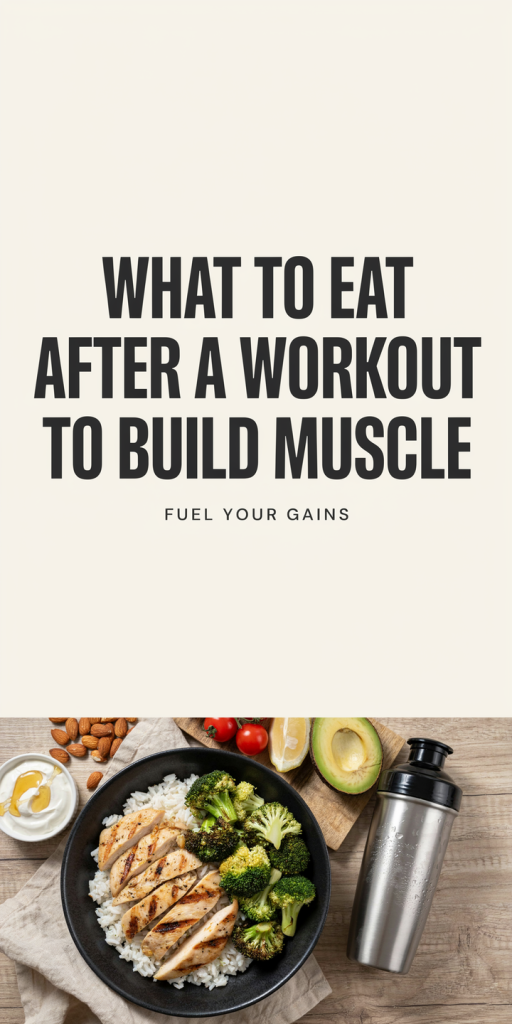
1) Grilled Chicken + Sweet Potato + Broccoli Bowl
Ingredients
– 4–6 oz (120–170 g) grilled chicken breast
– 1 medium sweet potato (about 200–250 g), baked or roasted
– 1 cup steamed broccoli
– 1 tsp olive oil
– Salt, pepper, and a squeeze of lemon
Instructions
1. Bake or roast the sweet potato at 400°F (200°C) for 35–45 minutes until tender, or microwave until soft.
2. Season chicken with salt and pepper and grill or pan-sear until internal temperature reaches 165°F (74°C), about 4–6 minutes per side depending on thickness.
3. Steam broccoli until bright green and tender (3–5 minutes).
4. Slice the chicken and plate with sweet potato and broccoli. Drizzle with olive oil and lemon. Serve warm.
2) Greek Yogurt Berry Protein Bowl
Ingredients
– 1 ½ cups plain Greek yogurt (2% or whole)
– 1 scoop (20–30 g) whey or plant protein powder (vanilla or unflavored)
– ½ cup mixed berries (fresh or frozen)
– 2 tbsp rolled oats or granola
– 1 tbsp honey or maple syrup (optional)
– 1 tbsp chia seeds or ground flaxseed
Instructions
1. Stir protein powder into Greek yogurt until smooth.
2. Top with berries, oats or granola, chia seeds, and drizzle honey if you want extra carbs.
3. Mix gently and enjoy immediately.
3) Turkey and Avocado Whole-Grain Wrap
Ingredients
– 3–4 oz (85–115 g) sliced turkey breast (cooked)
– 1 whole-grain wrap or tortilla
– ¼ avocado, sliced
– Handful of spinach or mixed greens
– 1–2 tbsp hummus or Greek yogurt spread
– Optional: sliced tomato, cucumber
Instructions
1. Lay the wrap flat and spread hummus or yogurt spread evenly.
2. Layer turkey slices, avocado, greens, and optional vegetables.
3. Roll tightly, slice in half, and serve. Eat immediately or wrap for later.
4) Chocolate Banana Protein Smoothie with Oats
Ingredients
– 1 scoop chocolate whey or plant protein
– 1 medium banana (frozen for creaminess)
– ½ cup rolled oats
– 1 cup milk or fortified dairy-free milk
– 1 tbsp peanut butter or almond butter
– Ice as desired
Instructions
1. Add all ingredients to a blender.
2. Blend on high until smooth and creamy.
3. Pour into a bottle or glass and drink within an hour of training.
5) Tuna & White Bean Salad
Ingredients
– 1 can (approx. 4–5 oz) tuna in water, drained
– ½ cup cooked white beans (cannellini) or canned, rinsed
– 1 cup mixed salad greens
– 1 tbsp olive oil
– Juice of ½ lemon
– Salt, pepper, and chopped parsley
Instructions
1. In a bowl, combine tuna and white beans.
2. Add olive oil, lemon juice, salt, and pepper; mix gently.
3. Place salad greens in a bowl, top with the tuna-bean mixture and parsley. Serve.
6) Cottage Cheese, Pineapple & Almonds
Ingredients
– 1 cup low-fat cottage cheese
– ½ cup pineapple chunks (fresh or canned in juice, drained)
– 2 tbsp sliced almonds or chopped nuts
– Optional: cinnamon or a drizzle of honey
Instructions
1. Spoon cottage cheese into a bowl.
2. Top with pineapple chunks and almonds.
3. Sprinkle with cinnamon or a small drizzle of honey if desired. Eat chilled.
7) Quinoa, Black Bean & Roasted Veggie Bowl
Ingredients
– 1 cup cooked quinoa
– ½ cup cooked black beans (rinsed if canned)
– 1 cup roasted vegetables (e.g., bell pepper, zucchini, onion)
– 2 tbsp crumbled feta or avocado slices
– 1 tbsp olive oil and a squeeze of lime
– Salt and pepper
Instructions
1. Roast vegetables at 425°F (220°C) for 20–25 minutes with a little oil, salt, and pepper.
2. Combine cooked quinoa and black beans in a bowl.
3. Top with roasted vegetables, feta or avocado, lime, and serve warm.
8) Salmon, Brown Rice & Asparagus Plate
Ingredients
– 4–6 oz (120–170 g) salmon fillet
– ½–1 cup cooked brown rice
– 1 cup asparagus spears
– 1 tsp olive oil or a pat of butter
– Lemon, salt, and pepper
Instructions
1. Season salmon with salt and pepper, and bake or pan-sear until cooked through (about 10–12 minutes at 400°F/200°C, or 4–5 minutes per side in a skillet).
2. Steam or pan-roast asparagus until tender-crisp.
3. Plate salmon with brown rice and asparagus. Squeeze lemon over the salmon and serve.
9) Egg White Omelette with Spinach & Whole-Grain Toast
Ingredients
– 4 egg whites + 1 whole egg (or ¾ cup liquid egg whites)
– 1 cup fresh spinach
– 1 slice whole-grain toast
– 1 tsp olive oil or cooking spray
– Salt, pepper, and herbs of choice
Instructions
1. Heat oil in a nonstick skillet over medium heat and sauté spinach until wilted.
2. Whisk eggs and pour over spinach. Cook until set, folding once.
3. Toast whole-grain bread and serve alongside the omelette.
10) Peanut Butter, Banana & Whey on Whole-Grain Toast
Ingredients
– 2 slices whole-grain bread
– 2 tbsp natural peanut butter
– 1 medium banana, sliced
– Optional: sprinkle of cinnamon or chia seeds
Instructions
1. Toast bread to your liking.
2. Spread peanut butter evenly on each slice.
3. Top with banana slices and sprinkle cinnamon or chia seeds. Serve warm.
11) Lentil & Roasted Sweet Potato Bowl with Tahini
Ingredients
– 1 cup cooked lentils
– 1 medium roasted sweet potato, diced
– 1 cup mixed greens or kale
– 1 tbsp tahini mixed with 1 tsp lemon juice and a splash of water (for dressing)
– Salt and pepper
Instructions
1. Roast diced sweet potato at 400°F (200°C) until tender, about 25–30 minutes.
2. Warm lentils if desired and combine with greens.
3. Top with roasted sweet potatoes and drizzle tahini dressing. Mix and serve.
12) Chocolate Milk Recovery Drink (Quick Option)
Ingredients
– 1–2 cups low-fat chocolate milk (adjust to calorie needs)
– Optional: scoop of protein powder (if you need more protein)
– Ice (optional)
Instructions
1. Combine chocolate milk and protein powder (if using) in a shaker or glass.
2. Add ice if you prefer it cold and shake/stir until smooth.
3. Drink within 30–60 minutes after exercise for a convenient recovery option.
How to choose the right meal for your workout
- Short, low-intensity sessions: A smaller snack like Greek yogurt with fruit or a protein shake + banana is fine.
- Long or high-intensity sessions: Prioritize larger meals that include both carbs and protein (e.g., chicken + sweet potato).
- If you train again the same day: Favor quicker-digesting carbs and a moderate protein dose soon after the first session to accelerate glycogen restoration.
- If you’re trying to lose fat but keep muscle: Focus on high-protein post-workout meals and keep overall daily calories in a modest deficit while ensuring adequate protein.
Common questions
Do I need a protein shake?
No, whole-food meals work just as well. Protein shakes are convenient, fast to digest, and useful when you’re short on time or appetite.
What about BCAAs or EAAs?
If you’re getting enough high-quality protein across the day, additional branched-chain amino acids (BCAAs) provide little extra benefit. Essential amino acid blends or complete proteins are more useful if your dietary protein intake is low.
Can I eat fast food after a workout?
Occasionally — yes — but prioritize balanced meals that include lean protein and carbs. A grilled chicken sandwich with a piece of fruit and water can be reasonable; avoid heavy fried options that are very high in fat and salt.
Tips to make post-workout nutrition easier
- Prep meals in advance: Batch-cook proteins (chicken, salmon, lentils) and carbs (rice, potatoes, quinoa) for quick assembly.
- Keep portable options: Greek yogurt, protein bars (choose ones with real ingredients and ~20 g protein), or a smoothie kit in your freezer.
- Hydrate consistently: Start rehydrating during your warm-down and continue with water and electrolytes as needed.
- Track and adjust: If you’re not gaining strength or muscle over weeks, increase total daily calories and protein rather than only changing the post-workout meal.
Conclusion
What you eat after a workout won’t magically build muscle on its own, but it’s a powerful tool in the muscle-building toolbox. Focus first on consistent daily protein intake and a slight calorie surplus if your goal is to gain muscle. Then use post-workout meals to deliver 20–40 grams of quality protein and sensible carbohydrates to replenish glycogen and support repair. The recipes above offer a variety of tastes and convenience levels — from quick smoothies to satisfying bowls — so you can choose what fits your schedule and appetite. Start by picking two or three post-workout options you enjoy, prep them ahead of time, and make them part of your recovery routine. Do that consistently and you’ll maximize the return on every workout.
Encouragement note: Building muscle is a marathon, not a sprint. The right post-workout choices help you recover faster, train harder, and see progress sooner — stay consistent and enjoy the process.