How Can I Get 30 Grams of Protein at Breakfast?
Breakfast is often called the most important meal of the day — and for many people, it’s also the most missed opportunity to get high-quality protein. Whether your goal is to build or preserve muscle, control appetite, stabilize blood sugar, or simply feel more energized, getting around 30 grams of protein at breakfast is a simple, effective target. In this guide you’ll find why 30 grams is a useful goal, how to build meals that reliably hit it, and 12 practical, tested breakfast recipes and ideas (with ingredients and step-by-step instructions) that deliver roughly 30 grams of protein or more.
Read on for science-backed tips, quick swaps, protein counts for common foods, and real-world recipes that make hitting your protein target easy, even on busy mornings.
Why aim for 30 grams of protein at breakfast?
Hitting ~30 grams of protein early in the day comes with several benefits:
- Muscle maintenance and growth: Protein provides amino acids needed for muscle protein synthesis. Spreading protein across meals (including breakfast) is better for muscle retention than skimping at one meal and overloading another.
- Increased satiety: Protein is the most satiating macronutrient, which can reduce mid-morning cravings and help with weight control.
- Better blood sugar response: Protein slows carbohydrate absorption and can blunt post-meal blood sugar spikes.
- Cognitive and physical energy: Amino acids support neurotransmitter production and overall energy levels.
The exact amount someone needs varies by body weight and activity, but 30 grams is a practical target for many adults to start the day strong.
How protein adds up: common breakfast foods and protein amounts
Below are approximate protein amounts for typical breakfast portions (rounded):
- Eggs (1 large): 6–7 g
- Egg whites (1 large): 3.5 g
- Greek yogurt, plain nonfat (1 cup / 245 g): 20 g
- Cottage cheese (1 cup, 2%): 25 g
- Skim milk (1 cup): 8 g
- Whey protein powder (1 scoop, ~25–30 g powder): 20–25 g
- Plant protein powder (pea/soy blend, 1 scoop): 15–25 g depending on brand
- Rolled oats (1/2 cup dry): 5–7 g
- Quinoa, cooked (1 cup): 8 g
- Tofu, firm (100 g): 8–11 g
- Tempeh (100 g): 19 g
- Smoked salmon (3 oz/85 g): 15–18 g
- Turkey breast, cooked (3 oz/85 g): 18–22 g
- Peanut butter (2 tbsp): 7–8 g
- Almonds (1/4 cup): 6–7 g
- Black beans (1/2 cup cooked): 7–9 g
- Chia seeds (2 tbsp): 4 g
Knowing these numbers lets you mix & match to reach ~30 g quickly.
Strategies to reach 30 grams quickly
- Combine a dense protein source (eggs, Greek yogurt, cottage cheese, lean meat, tofu, tempeh, or protein powder) with a secondary protein (milk, nut butter, seeds, beans).
- Use protein powders strategically in smoothies, pancakes, or stirred into oats and yogurt.
- Double up: two eggs + Greek yogurt, or 3 egg whites + 1 whole egg + a slice of cheese.
- Choose high-protein cereals and grains (quinoa, high-protein oats) and add milk or yogurt instead of water.
- Plan for leftovers: roast turkey, grilled chicken, or cooked beans from dinner make fast protein-rich breakfasts.
- Keep shelf-stable options: canned tuna, shelf-stable protein shakes, nut butters, and powdered milk.
Next are 12 explicit breakfast recipes and meal ideas that each target roughly 30 grams of protein. Each idea lists ingredients and step-by-step instructions so you can make them today.
12 breakfast ideas that deliver ~30 grams of protein
1) Greek Yogurt + Berry + Whey Power Bowl (approx. 33 g protein)
Ingredients:
– 1 cup plain Greek yogurt (20 g protein)
– 1/2 scoop whey protein powder (10–12 g protein; adjust to full scoop if needed)
– 1/2 cup mixed berries (strawberries/blueberries)
– 2 tbsp chopped almonds (about 4 g protein)
– Optional: 1 tsp honey or cinnamon
Instructions:
1. Stir the whey protein into the Greek yogurt until smooth and evenly mixed.
2. Top with mixed berries and chopped almonds.
3. If desired, drizzle honey or sprinkle cinnamon. Eat immediately.
Notes: Swap to plant-based protein powder and a higher-protein yogurt if you prefer vegan alternatives.
2) Classic 3-Egg Omelette with Cottage Cheese and Spinach (approx. 32–35 g protein)
Ingredients:
– 3 large eggs (18–21 g protein)
– 1/2 cup low-fat cottage cheese (approx. 12–13 g protein)
– 1 cup fresh spinach (cooked down)
– 1 tsp olive oil or cooking spray
– Salt and pepper to taste
Instructions:
1. Whisk eggs with a pinch of salt and pepper.
2. Heat oil in a nonstick skillet over medium; add spinach and cook until wilted.
3. Pour eggs over spinach and cook undisturbed until edges start to set.
4. Spoon cottage cheese onto one half of the omelette, fold, and cook another minute until set.
5. Slide onto a plate and serve.
Notes: You can chop leftover cooked turkey or ham and add 2 oz for extra protein.
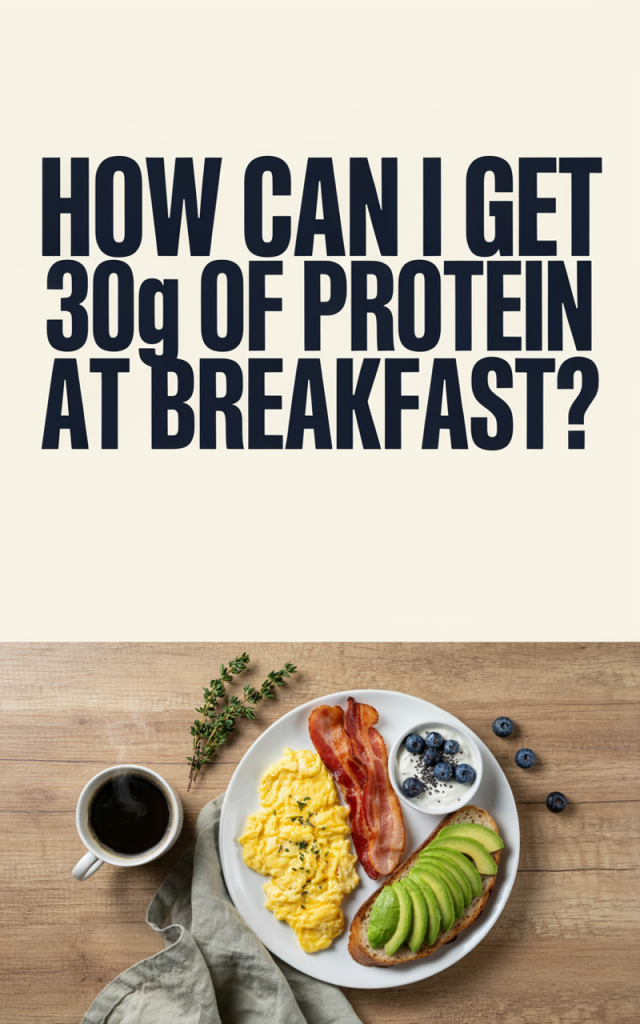
3) Smoked Salmon & Avocado Toast on High-Protein Bread (approx. 30 g protein)
Ingredients:
– 2 slices high-protein whole grain bread (look for ~8–10 g protein per slice)
– 3 oz smoked salmon (15–18 g protein)
– 1/2 avocado, mashed
– 1 tbsp cream cheese or Greek yogurt
– Lemon wedge, dill, black pepper
Instructions:
1. Toast the bread to desired crispness.
2. Spread cream cheese or a thin layer of Greek yogurt on the slices.
3. Top with mashed avocado, smoked salmon, and a squeeze of lemon. Sprinkle dill and pepper.
4. Serve immediately.
Notes: If bread is lower in protein, add a hard-boiled egg on the side.
4) Protein-Packed Smoothie (Peanut Butter Banana Whey) (approx. 32–36 g protein)
Ingredients:
– 1 scoop whey protein powder (20–25 g protein)
– 1 cup skim milk or fortified soy milk (8 g protein for cow’s milk; 7–10 g for soy)
– 1 tbsp peanut butter (3–4 g protein)
– 1 small banana
– Handful of ice
Instructions:
1. Add all ingredients to a blender.
2. Blend until smooth and creamy.
3. Pour into a glass and drink immediately.
Notes: Use pea/soy protein powder for vegan option and unsweetened almond milk with added protein (or extra tofu) to boost protein.
5) Tofu Scramble + Black Beans + Whole Grain Tortilla (approx. 30–34 g protein)
Ingredients:
– 200 g firm tofu, drained and crumbled (~16–18 g protein)
– 1/2 cup cooked black beans (~7–8 g protein)
– 1 whole grain tortilla (6–8 g protein)
– 1/4 cup diced bell pepper and onion
– 1 tsp olive oil, turmeric, salt, pepper
Instructions:
1. Heat oil in a skillet, sauté bell pepper and onion until soft.
2. Add crumbled tofu, sprinkle with turmeric, salt, and pepper; cook until warmed and slightly golden.
3. Stir in black beans to heat through.
4. Spoon mixture into tortilla, fold, and serve.
Notes: Add nutritional yeast (2 tbsp = 6–8 g protein) for cheesy flavor and extra protein.
6) Cottage Cheese Fruit Bowl with Nuts and Honey (approx. 30–32 g protein)
Ingredients:
– 1 cup cottage cheese (25 g protein)
– 1/2 cup pineapple or peaches, chopped
– 2 tbsp chopped walnuts or almonds (3–4 g protein)
– 1 tsp honey or a sprinkle of cinnamon
Instructions:
1. Scoop cottage cheese into a bowl.
2. Top with fruit and chopped nuts.
3. Drizzle with honey or sprinkle cinnamon. Enjoy chilled.
Notes: Add 1 tbsp chia seeds for texture and a small protein boost.
7) Turkey & Egg Breakfast Sandwich (approx. 32–36 g protein)
Ingredients:
– 2 slices whole grain bread or English muffin (8–10 g protein total)
– 3 oz sliced turkey breast (deli or leftover, ~18–20 g protein)
– 1 large egg (6–7 g protein)
– 1 slice low-fat cheese (optional, 4–6 g protein)
– Cooking spray or a little olive oil
Instructions:
1. Toast bread or English muffin.
2. In a small skillet, cook the egg to preference (fried, scrambled).
3. Assemble sandwich: bread, turkey slices, egg, and cheese if using.
4. Serve hot.
Notes: Use a lean plant-based deli slice and add extra egg whites for a vegetarian variation.
8) Overnight Oats with Protein Powder and Greek Yogurt (approx. 30–35 g protein)
Ingredients:
– 1/2 cup rolled oats (5–7 g protein)
– 1/2 scoop protein powder (10–12 g protein)
– 1/2 cup plain Greek yogurt (10 g protein)
– 3/4 cup milk (cow, soy, or high-protein plant milk; 8 g)
– 1 tbsp chia seeds or nut butter (2–4 g)
Instructions:
1. Combine oats, protein powder, Greek yogurt, milk, and chia seeds in a jar.
2. Stir well, seal, and refrigerate overnight.
3. In the morning, stir, add fruit or nuts if desired, and eat cold or warmed.
Notes: Use a full scoop of protein powder if you need more protein. Adjust total milk/yogurt amounts to reach ~30 g.
9) Savory Quinoa Breakfast Bowl with Tempeh (approx. 30–34 g protein)
Ingredients:
– 1 cup cooked quinoa (8 g protein)
– 3 oz tempeh, crumbled or cubed (19 g protein per 100 g; adjust to 3 oz = ~17 g)
– 1 cup sautéed kale or spinach
– 1 tsp olive oil, soy sauce or tamari, pepper
Instructions:
1. Sauté tempeh in a lightly oiled pan with a splash of soy sauce until golden.
2. Sauté kale or spinach until wilted.
3. Combine cooked quinoa, tempeh, and greens in a bowl and toss with pepper or extra seasoning.
4. Serve warm.
Notes: Top with a soft-boiled egg for extra protein and creaminess.
10) Protein Pancakes (Oats + Cottage Cheese) (approx. 30–32 g protein for 2–3 pancakes)
Ingredients:
– 1/2 cup rolled oats
– 1/2 cup cottage cheese (12–13 g protein)
– 2 eggs (12–14 g protein)
– 1/2 tsp baking powder, pinch of cinnamon
– Cooking spray or oil
Instructions:
1. Blend oats, cottage cheese, eggs, and baking powder until batter is smooth.
2. Heat a nonstick skillet over medium and spray lightly.
3. Pour batter to form pancakes; cook 2–3 minutes per side until golden.
4. Stack and top with berries or a small drizzle of maple syrup.
Notes: For vegan version, try a chickpea flour pancake with added vegan protein powder.
11) Chickpea Flour Savory Pancake (Besan Cheela) + Yogurt (approx. 30 g protein)
Ingredients:
– 1 cup chickpea flour (besan) mixed to batter (approx. 20–22 g protein per cup)
– 1/2 cup low-fat Greek yogurt on the side (10 g protein)
– 1/2 cup chopped vegetables (onion, tomato, spinach)
– Spices: cumin, salt, pepper, turmeric
– Cooking oil spray
Instructions:
1. Whisk chickpea flour with water to a pancake-batter consistency; stir in vegetables and spices.
2. Heat a skillet, spray oil, and pour batter to make pancakes.
3. Cook each side 2–3 minutes until set and golden.
4. Serve pancakes with Greek yogurt on the side for dipping.
Notes: Add a sprinkle of hemp seeds or a slice of cheese for extra protein.
12) Chia Protein Pudding with Almonds and Hemp Seed (approx. 30 g protein)
Ingredients:
– 3 tbsp chia seeds (6 g protein)
– 1 scoop protein powder (20–25 g protein)
– 1 cup milk (cow, soy, or high-protein plant milk) (8 g)
– 2 tbsp hemp seeds or chopped almonds (4–6 g protein)
– Optional: vanilla extract, berries
Instructions:
1. Whisk protein powder into milk until dissolved.
2. Stir in chia seeds and vanilla extract, then refrigerate several hours or overnight until thick.
3. Top with hemp seeds/almonds and berries before serving.
Notes: Adjust protein powder scoop size to achieve desired protein total.
Protein powders and supplements: when and how to use them
Protein powders are a convenient way to boost breakfast protein without adding much prep time. Use them to:
- Make smoothies that travel well.
- Stir into Greek yogurt, cottage cheese, or oatmeal.
- Add to pancake or waffle batters.
- Make quick protein puddings.
Whey protein is fast-digesting and excellent post-workout; casein digests slower and keeps you satiated longer. Plant proteins (pea, soy, rice blends) are good vegan options—choose blends to get a complete amino acid profile. Read labels for added sugars, and prioritize powders with minimal additives.
Tips for different dietary needs
- Vegetarian: Use eggs, dairy (Greek yogurt, cottage cheese), tofu, tempeh, legumes, nuts, seeds, and protein powders derived from milk or plants.
- Vegan: Combine tofu/tempeh, legumes, nut butters, seeds (hemp, chia), and plant protein powders. Aim for blends (pea + rice) for complete amino acids.
- Lactose-intolerant: Choose lactose-free milk/yogurt or fortified soy/pea-based alternatives; use lactose-free cottage cheese or plant-based options.
- Gluten-free: Most protein sources are naturally gluten-free; check sauces and packaged foods for hidden gluten.
- Kidney disease: People with renal issues should follow medical advice; high protein may not be appropriate.
Meal prep and time-saving tips
- Make overnight oats, chia pudding, or protein puddings in jars for grab-and-go breakfasts.
- Batch-cook eggs (hard-boiled) or bake eggs in muffin tins and freeze.
- Pre-cook quinoa or lean meats and portion them out.
- Keep protein-rich snacks handy (Greek yogurt cups, cottage cheese tubs) for quick assembly.
- Use a high-powered blender to make smoothies in minutes; freeze fruit in single-serve bags.
Common mistakes and pitfalls
- Relying on “high-protein” bars with lots of added sugar and low-quality protein.
- Focusing only on protein and ignoring healthy fats and fiber — balance is key.
- Not checking serving sizes: a “scoop” can vary between powders.
- Skipping breakfast consistently and expecting compensatory protein intake later to be equally effective for satiety and muscle maintenance.
Practical daily plan examples
- Quick day: Protein smoothie (whey + milk + banana + peanut butter) — ready in 5 minutes (~32 g)
- Moderate prep day: 3-egg omelette + cottage cheese side — 15–20 minutes (~32 g)
- Meal-prep day: Overnight oats with protein powder and Greek yogurt prepared the night before (~30–35 g)
Final thoughts
Hitting 30 grams of protein at breakfast is practical, enjoyable, and flexible. You don’t need expensive ingredients or complicated recipes — just a little planning and a few smart combinations. Whether you prefer eggs, dairy, plant-based proteins, or a quick smoothie, there’s a path that fits your taste, schedule, and dietary needs. Start small: pick one recipe from the list above to try this week, then vary the proteins across the week for nutrition and flavor variety. Your body — and your morning energy levels — will thank you.
Conclusion
Getting 30 grams of protein at breakfast is one of the easiest, most effective habits you can adopt for better appetite control, improved muscle health, and more consistent energy. Use the strategies and recipes above as a toolkit: mix-and-match protein-rich ingredients, leverage protein powders when convenient, and prep ahead for busy mornings. With a handful of reliable recipes and a little planning, you can transform breakfast from an afterthought into a powerful foundation for the rest of your day. Go ahead — pick a recipe, set your plan tonight, and start tomorrow with a high-protein breakfast that supports your goals. You’ve got this.