
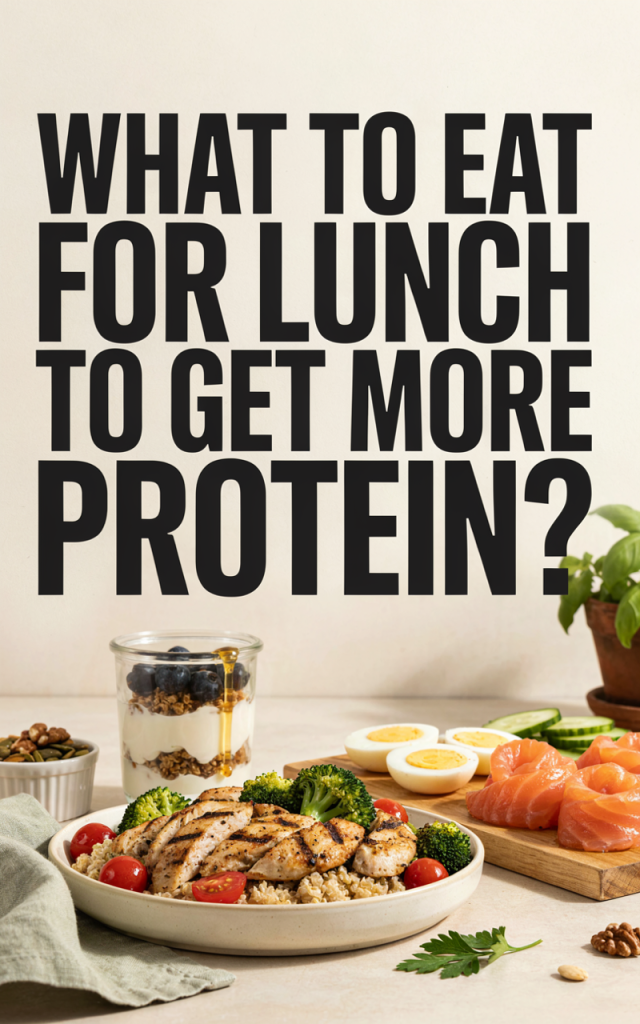
What Should I Eat for Lunch to Get More Protein?
An energized afternoon, sharper focus, and better muscle recovery often start with one simple change: a protein-focused lunch. Whether you’re trying to build muscle, lose weight, manage hunger, or simply eat more healthfully, boosting the protein content of your midday meal is an easy and effective strategy. This guide will walk you through why protein at lunch matters, how much you might need, practical strategies to increase protein, and 12 delicious, easy-to-make high-protein lunch ideas — each with ingredients and step-by-step instructions so you can start cooking today.
Why Protein at Lunch Matters
Protein does more than build muscle. It helps keep you full longer, stabilizes blood sugar, supports immune function, and plays a role in repair and recovery. Eating a protein-rich lunch can:
- Reduce afternoon energy crashes and cravings.
- Help with appetite control and portion regulation later in the day.
- Promote satiety to reduce snacking on refined carbs.
- Support active lifestyles by helping repair muscle tissue after morning workouts.
Protein also has a higher thermic effect than fats or carbohydrates, meaning your body burns more calories digesting it — a bonus if weight management is a goal.
How Much Protein Do You Need at Lunch?
Your total daily protein needs depend on your age, activity level, body weight, and goals. General guidelines:
- Sedentary adult: 0.8 grams per kg of body weight per day.
- Active adult or those doing strength training: 1.2–2.0 g/kg/day.
- Older adults or recovering from illness: often recommended toward the higher end (1.0–1.2 g/kg/day or more).
A practical target for lunch is to aim for 25–40 grams of protein — enough to support satiety and contribute significantly to daily requirements. If you’re distributing protein evenly across three meals, a daily target of 60–120 grams translates to about 20–40 grams per meal.
How to Build a High-Protein Lunch (The Principles)
- Include a primary protein source: lean meats, fish, eggs, dairy, legumes, tofu, tempeh, or high-protein grains (e.g., farro, quinoa).
- Pair with fiber and healthy fats to further increase satiety: vegetables, whole grains, nuts, seeds, avocados, olive oil.
- Consider portion sizes: 3–5 oz of cooked lean meat/fish typically provides 20–35 g protein; 1 cup cooked legumes about 15 g; 1 cup Greek yogurt 15–20 g.
- Mix animal and plant proteins when possible for variety and nutrient completeness.
12 High-Protein Lunch Ideas (Recipes Included)
Below are practical, flavorful lunch recipes that each deliver a significant protein boost. Each recipe includes ingredients (bulleted) and step-by-step instructions (numbered). Approximate protein per serving is listed for guidance.
1) Grilled Chicken, Quinoa & Edamame Salad
Approx. protein: 35–40 g per serving
Ingredients:
– 4 oz (about 115 g) grilled chicken breast, sliced
– 3/4 cup cooked quinoa
– 1/2 cup shelled edamame (cooked)
– 2 cups mixed greens (spinach, arugula)
– 1/4 cup cherry tomatoes, halved
– 2 tbsp chopped red onion
– 1 tbsp olive oil
– 1 tbsp lemon juice
– Salt and pepper to taste
Instructions:
1. Prepare quinoa according to package directions and let cool slightly.
2. Cook or thaw shelled edamame; drain and set aside.
3. Whisk olive oil, lemon juice, salt, and pepper to make a simple dressing.
4. In a bowl, combine mixed greens, quinoa, edamame, cherry tomatoes, and red onion.
5. Top with sliced grilled chicken and drizzle dressing over the salad. Toss gently and serve.
2) Turkey & Avocado Wrap with Greek Yogurt Dressing
Approx. protein: 30–35 g per wrap
Ingredients:
– 3–4 oz sliced turkey breast (deli or roasted)
– 1 whole-grain or high-protein wrap
– 1/4 avocado, sliced
– 1/2 cup mixed greens
– 1/4 cup shredded carrots
– 3 tbsp plain Greek yogurt
– 1 tsp Dijon mustard
– Salt and pepper
Instructions:
1. Mix Greek yogurt, Dijon mustard, salt, and pepper to make the dressing.
2. Lay the wrap flat and spread dressing over the center.
3. Layer mixed greens, turkey slices, avocado, and shredded carrots.
4. Fold the sides and roll tightly into a wrap. Slice in half and enjoy.
3) Lentil & Feta Power Bowl
Approx. protein: 22–28 g per serving
Ingredients:
– 1 cup cooked brown or green lentils
– 1/4 cup crumbled feta cheese
– 1/2 cup cucumber, diced
– 1/2 cup cherry tomatoes, halved
– 1 cup baby spinach
– 1 tbsp olive oil
– 1 tbsp red wine vinegar
– Fresh herbs (parsley or mint), chopped
– Salt and pepper
Instructions:
1. Combine cooked lentils, cucumber, cherry tomatoes, and baby spinach in a bowl.
2. Whisk olive oil, red wine vinegar, salt, and pepper; pour over the bowl.
3. Toss to combine, then top with crumbled feta and chopped herbs.
4. Serve warm or chilled.
4) Tuna & White Bean Salad
Approx. protein: 30–35 g per serving
Ingredients:
– 1 can (5–6 oz) tuna in water, drained
– 1 cup cooked cannellini (white) beans, rinsed and drained if canned
– 1/4 red onion, thinly sliced
– 2 tbsp chopped parsley
– 1 tbsp olive oil
– 1 tbsp lemon juice
– Salt and pepper
Instructions:
1. In a medium bowl, flake the drained tuna with a fork.
2. Add white beans, red onion, and parsley.
3. Whisk olive oil, lemon juice, salt, and pepper; pour over mixture.
4. Toss gently to combine and serve on greens or with whole-grain crackers.
5) Chickpea & Spinach Curry with Brown Rice
Approx. protein: 18–22 g per serving (can be increased with extra chickpeas or a side of yogurt)
Ingredients:
– 1 cup cooked chickpeas (or 1 can, drained)
– 2 cups fresh spinach
– 1/2 cup diced onion
– 1 garlic clove, minced
– 1 tbsp curry powder or paste
– 1/2 cup low-fat coconut milk or light broth
– 1 cup cooked brown rice
– 1 tbsp olive oil
– Salt and pepper
Instructions:
1. Heat olive oil in a skillet over medium heat. Sauté onion and garlic until translucent.
2. Add curry powder and stir 30 seconds until fragrant.
3. Add chickpeas and coconut milk (or broth); simmer 5–7 minutes.
4. Stir in spinach until wilted; season with salt and pepper.
5. Serve over cooked brown rice.
6) Salmon & Sweet Potato Buddha Bowl
Approx. protein: 30–35 g per serving
Ingredients:
– 4 oz cooked salmon (grilled or baked)
– 1 small baked sweet potato, cubed
– 1/2 cup steamed broccoli
– 1/4 avocado, sliced
– 1 tbsp olive oil
– 1 tsp lemon zest
– Salt and pepper
Instructions:
1. Roast or bake cubed sweet potato with a drizzle of olive oil and salt at 425°F (220°C) until tender.
2. Cook salmon (season with salt, pepper, and lemon zest) until flakey.
3. Steam broccoli until bright green and tender-crisp.
4. Arrange sweet potato, broccoli, salmon, and avocado in a bowl. Drizzle with a little olive oil and lemon zest. Serve.
7) Beef & Veggie Stir-Fry with Broccoli
Approx. protein: 30–40 g per serving
Ingredients:
– 4 oz lean beef (sirloin or flank), thinly sliced
– 2 cups broccoli florets
– 1/2 cup sliced bell pepper
– 1/4 cup sliced onion
– 1 tbsp low-sodium soy sauce or tamari
– 1 tsp sesame oil
– 1 tsp grated ginger
– 1 cup cooked brown rice or cauliflower rice
Instructions:
1. Heat a wok or large skillet; add sesame oil and sauté ginger briefly.
2. Add sliced beef and cook until browned; remove and set aside.
3. Add onion, bell pepper, and broccoli; stir-fry until tender-crisp.
4. Return beef to the pan, add soy sauce, and toss to combine.
5. Serve over brown rice.
8) Tofu & Vegetable Stir-Fry with Peanut Sauce
Approx. protein: 20–25 g per serving (higher if using extra tofu)
Ingredients:
– 1 cup firm tofu, drained and cubed
– 1 cup mixed vegetables (snap peas, bell pepper, carrots)
– 1 tbsp peanut butter
– 1 tbsp low-sodium soy sauce
– 1 tsp honey or maple syrup
– 1 tsp rice vinegar
– 1 tsp sesame oil
– 1 cup cooked quinoa or brown rice
Instructions:
1. Whisk peanut butter, soy sauce, honey, rice vinegar, and a splash of water to make a smooth sauce.
2. Sauté tofu cubes in a nonstick pan until golden on all sides; remove and set aside.
3. Stir-fry vegetables until crisp-tender.
4. Add tofu back to the pan with the peanut sauce; toss to coat and heat through.
5. Serve over cooked quinoa or brown rice.
9) Savory Cottage Cheese & Berry Bowl with Nuts & Seeds
Approx. protein: 20–25 g per bowl
Ingredients:
– 1 cup low-fat cottage cheese
– 1/2 cup mixed berries (strawberries, blueberries)
– 2 tbsp chopped almonds or walnuts
– 1 tbsp chia or hemp seeds
– 1 tsp honey (optional)
– Pinch cinnamon (optional)
Instructions:
1. Spoon cottage cheese into a bowl.
2. Top with berries, chopped nuts, and seeds.
3. Drizzle with honey and sprinkle cinnamon if desired.
4. Mix gently and enjoy as a quick, high-protein lunch.
10) Shrimp & Farro Salad with Lemon-Herb Dressing
Approx. protein: 30 g per serving
Ingredients:
– 4 oz cooked shrimp
– 3/4 cup cooked farro
– 1/2 cup arugula or spinach
– 1/4 cup diced cucumber
– 1 tbsp olive oil
– 1 tbsp lemon juice
– 1 tbsp chopped dill or parsley
– Salt and pepper
Instructions:
1. Cook farro according to package directions and let cool.
2. Whisk olive oil, lemon juice, dill, salt, and pepper for the dressing.
3. Combine farro, arugula, cucumber, and shrimp in a bowl.
4. Drizzle dressing over the salad and toss.
11) Egg & Veggie Breakfast-For-Lunch Burrito
Approx. protein: 25–30 g per burrito
Ingredients:
– 3 large eggs (or 2 eggs + 1/4 cup egg whites)
– 1/4 cup black beans
– 1/4 cup diced bell pepper
– 1/4 cup diced onion
– 1 whole-grain or high-protein tortilla
– 2 tbsp shredded cheese (optional)
– 1 tsp olive oil
– Salsa (optional)
Instructions:
1. Sauté bell pepper and onion in olive oil until soft.
2. Add beaten eggs and scramble until cooked through.
3. Warm tortilla; layer eggs, black beans, and cheese.
4. Fold into a burrito and top with salsa if desired.
12) Black Bean & Quinoa Stuffed Peppers
Approx. protein: 18–22 g per stuffed pepper (can be increased with added cheese or chicken)
Ingredients:
– 2 bell peppers, halved and seeded
– 1 cup cooked quinoa
– 1 cup cooked black beans
– 1/4 cup corn kernels
– 1/4 cup salsa
– 2 tbsp shredded cheese (optional)
– 1 tsp cumin
– Salt and pepper
Instructions:
1. Preheat oven to 375°F (190°C). Place pepper halves in a baking dish.
2. Mix cooked quinoa, black beans, corn, salsa, cumin, salt, and pepper.
3. Stuff each pepper half with the mixture and top with cheese if using.
4. Cover with foil and bake 25–30 minutes until peppers are tender. Remove foil and bake 5 more minutes to brown the cheese.
Tips to Boost Protein Without Overhauling Your Plate
- Add a scoop of Greek yogurt or cottage cheese as a sauce or side.
- Sprinkle hemp seeds, chia seeds, or crushed nuts on salads and bowls.
- Keep cooked legumes and grilled chicken or tofu in the fridge for quick assembly.
- Opt for high-protein breads and wraps (some brands add pea or soy protein).
- Use protein-rich grains: farro, freekeh, quinoa, and barley.
- Use egg whites or a mix of whole eggs and egg whites in wraps and scrambles.
- Choose lean protein portions around 3–6 oz cooked per meal depending on your needs.
Plant-Based High-Protein Strategies
If you follow a vegetarian or vegan pattern:
– Combine legumes with grains (e.g., beans + rice, lentils + quinoa) for complementary amino acids.
– Emphasize tofu, tempeh, edamame, seitan (if not gluten-sensitive), and higher-protein whole grains.
– Use fortified plant-based yogurts and milk for added protein and nutrients.
– Consider protein powders (pea, soy, hemp) as an occasional booster in smoothies or dressings.
Sample 3-Day Protein-Focused Lunch Plan
Day 1:
– Grilled Chicken, Quinoa & Edamame Salad (Recipe above) — ~35 g protein
Day 2:
– Tuna & White Bean Salad with a whole-grain roll — ~35 g protein
Day 3:
– Lentil & Feta Power Bowl + Greek yogurt on the side — ~30 g protein
Rotate components or swap sides to keep variety while maintaining protein intake.
Frequently Asked Questions (Short)
- Can I get enough protein from vegetarian lunches? Yes — with legumes, tofu/tempeh, dairy or fortified plant milks, grains like quinoa and farro, and nuts/seeds.
- Is protein at lunch more important than breakfast or dinner? All meals matter. Distributing protein across meals typically supports better muscle protein synthesis and satiety.
- How do I estimate protein in a mixed dish? Use package labels or online nutrition databases to sum the protein of each main component (chicken, beans, cheese, etc.).
How to Make High-Protein Eating Sustainable
- Plan and prep: batch-cook grains, roast chicken, and portion beans to assemble lunches quickly.
- Taste matters: use herbs, citrus, spices, and acid (vinegar or lemon) to keep meals flavorful.
- Balance: pair protein with vegetables, whole grains, and healthy fats to stay full and nourished.
- Budget: beans, eggs, canned fish, and tofu are cost-effective protein sources.
Conclusion
Choosing what to eat for lunch to get more protein doesn’t have to be complicated. Focus on a strong protein source, pair it with fiber-rich vegetables and a healthy carbohydrate or fat, and use simple recipes that you can batch-cook for the week. The 12 recipes above cover a range of tastes, dietary preferences, and cooking skill levels — each with clear ingredients and step-by-step instructions so you can start eating smarter at midday.
Start by picking one or two favorite recipes from this list and try them for the next week. Small, consistent changes — like swapping a carb-heavy sandwich for a tuna-and-bean salad or adding a scoop of Greek yogurt to your bowl — add up. With a little planning and these practical ideas, your lunches can become a reliable source of protein, energy, and satisfaction every day.
Ready to try one today? Pick a recipe, gather the ingredients, and enjoy a lunchtime that fuels your body and your afternoon.

