The Protein Timing Trick For Women: How To Boost Muscle, Burn Fat, And Feel Stronger
Protein timing isn’t magic, but when we time our protein strategically, it becomes a high-leverage habit that shifts results. In 2026 we have clearer research and smarter nutrition tools, yet many women still underuse timing tactics that help build muscle, support hormones, and blunt hunger. In this text we’ll walk through why protein timing matters specifically for women, how it affects hormones and muscle protein synthesis, daily targets for different goals, practical strategies for busy schedules, and the best food choices and portion sizes. We’ll also show sample meal-and-timing plans and point out common mistakes with simple fixes. Our aim is practical: give you an easy-to-follow protein timing system so you can feel stronger, recover faster, and lose fat more sustainably, without endless tracking or expensive supplements.
Why Protein Timing Matters Specifically For Women
Women’s bodies respond to protein timing differently than men’s because of distinct hormonal environments, differences in muscle mass, and typical daily routines. We tend to have slightly lower absolute muscle mass and different estrogen and progesterone patterns that influence how our bodies build and preserve lean tissue. That means the same protein strategy that works for a man may be suboptimal for a woman.
Timing matters because muscle protein synthesis (MPS) is a repeated, short-lived process: after we eat a dose of protein, MPS rises for a few hours and then returns to baseline. Spreading protein across the day gives us repeated MPS peaks, which helps preserve and build muscle. For women aiming to lose fat while maintaining strength, preserving muscle is crucial, muscle burns calories and supports metabolic health.
Beyond MPS, protein timing can blunt appetite swings and stabilize blood sugar, which is especially useful during hormonal shifts such as the menstrual cycle or perimenopause. In short, timing helps us protect muscle, control hunger, and keep energy steady, three goals that align with most women’s fitness priorities.
How Protein Timing Influences Hormones, Muscle Protein Synthesis, And Appetite
Protein intake is more than calories and amino acids: timing changes hormonal signals. When we space protein evenly, we generate multiple pulses of amino acids that trigger muscle protein synthesis throughout the day. Each pulse supports repair and adaptation, which adds up over weeks. Research shows that evenly distributed protein intake produces greater net protein balance compared with skewed patterns (e.g., a tiny breakfast and large dinner).
Hormones: Protein stimulates insulin modestly, which helps shuttle amino acids into muscle without causing large blood sugar spikes. For women, balanced protein can blunt cortisol peaks, especially when combined with carbs and fats, helping recovery and reducing catabolic stress. During the luteal phase many women experience higher appetite and blood sugar variability: well-timed protein helps smooth those fluctuations.
Appetite: Protein has the strongest satiety effect of macronutrients. When we prioritize protein early and spread it, we reduce late-afternoon cravings and overconsumption at dinner. That makes fat loss more achievable without severe calorie restriction. Combined, these effects show why timing is a practical tool for hormonal balance, muscle maintenance, and appetite control.
Daily Protein Targets: How Much And When Based On Your Goal
Our daily protein needs depend on goals, activity, and body weight. A practical framework we use:
- Strength/Hypertrophy: 1.6–2.2 g/kg bodyweight (0.73–1.0 g/lb). This range maximizes muscle growth when combined with resistance training.
- Fat Loss (Preserve Muscle): 1.8–2.4 g/kg (0.82–1.1 g/lb). Slightly higher protein helps retain lean mass during calorie deficits.
- Maintenance/General Health: 1.2–1.6 g/kg (0.55–0.73 g/lb). Adequate for recovery and metabolic health.
Timing principles: aim for 3–5 protein-containing eating occasions per day with roughly 20–40 grams of high-quality protein per serving, depending on body size. For a 70-kg woman targeting 1.8 g/kg (126 g/day), we might split this into four meals of ~30–35 g each. That pattern gives repeated MPS stimulation and keeps appetite steady.
We must be flexible: if you train late or fast in the morning, shift servings accordingly. The goal is even distribution and at least one substantial post-workout protein dose.
Pre‑Workout And Post‑Workout Windows: What Science Says About Timing
The old “anabolic window” myth, only a short time post-workout to eat protein, has softened. Current evidence shows the window is broader: consuming protein within a 2–3 hour period around training is sufficient for most women, provided daily protein and recent protein intake are adequate.
Pre-workout: Eating 20–30 g of protein 60–90 minutes before training supplies amino acids during exercise and can reduce muscle breakdown. If we trained fasted, a small pre-workout protein (or BCAA-containing snack) helps. Pairing with carbs supports performance.
Post-workout: Consuming 20–40 g of high-quality protein within about two hours after a session supports recovery and MPS. Faster-digesting proteins like whey can be convenient, but whole-food options (Greek yogurt, chicken, eggs) work just as well.
The practical takeaway: prioritize total daily protein and distribute it evenly. If training leaves us with one large gap from the previous meal, place a focused protein serving soon after exercise to maximize the anabolic response.
Before‑Bed Protein: Improve Recovery Without Gaining Fat
Eating protein before bed can be a smart strategy for recovery and overnight muscle maintenance. Casein-rich foods (cottage cheese, Greek yogurt) or a slow-digesting protein supplement provide a sustained amino acid release across the night, helping to reduce overnight muscle breakdown.
Studies show that adding ~30–40 g of protein before sleep boosts overnight muscle protein synthesis, particularly when paired with resistance training earlier in the day. For women in a caloric deficit, this can help preserve lean mass. There’s minimal risk of fat gain from a modest protein snack at night, excess calories cause fat gain, not timing alone.
Practical tips: choose a 20–40 g protein serving depending on needs and overall daily intake: keep the portion moderate if we’re close to our calorie target. Combine with a small portion of carbs or healthy fat if it helps satiety. Overall, pre-sleep protein is a low-risk, high-reward tactic to support recovery and strength.
Practical Protein Timing Strategies For Busy Schedules
Busy schedules don’t have to derail protein timing. We recommend building simple routines and portable options so protein becomes habitual rather than chore-like.
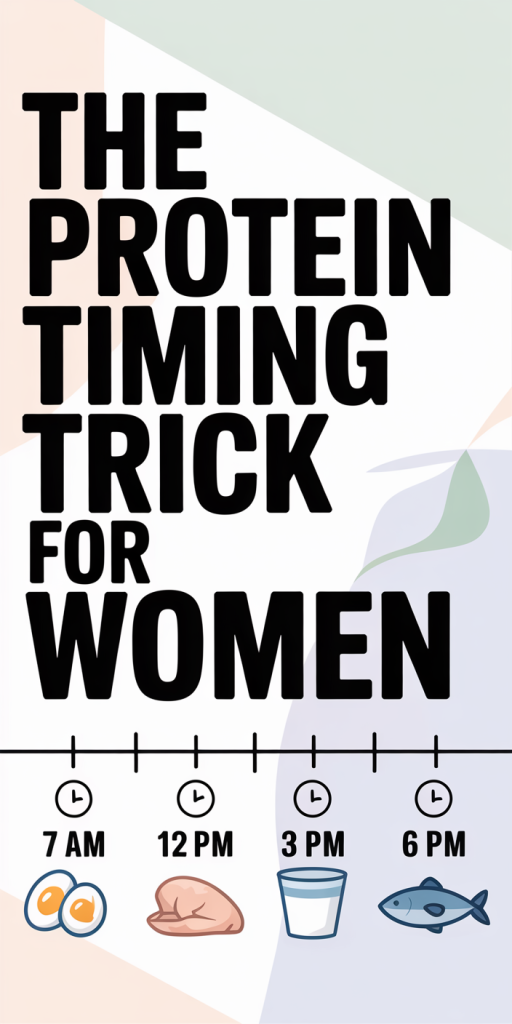
- Set a morning anchor: Aim for 20–30 g within 60 minutes of waking, eggs, Greek yogurt, or a protein smoothie. This starts the MPS cycle and reduces mid-morning grazing.
- Pack portable servings: Hard-boiled eggs, single-serve cottage cheese, jerky, or a measured scoop of protein powder with a shaker keep us on track.
- Use time-block meals: Schedule 3–5 eating occasions (breakfast, lunch, pre/post-workout, dinner, optional before-bed). Calendaring meals like appointments increases follow-through.
- Batch cook and portion: Prepare protein-centric meals on weekends, grilled chicken, lentil salads, tofu bowls, then portion into containers with ~25–35 g protein each.
- Smart restaurant choices: Choose higher-protein menu items and ask for protein add-ons (double chicken, extra beans).
These habits let us hit protein targets without constant measuring and fit into variable days, training, late nights, travel, without losing progress.
Sample 3‑Day Meal And Timing Plans For Strength, Fat Loss, And Maintenance
We’ll keep these examples simple and scalable. Each day targets common protein ranges and shows timing that fits real life.
Day 1, Strength (1.8 g/kg for a 65-kg woman ≈ 117 g/day)
- Breakfast (7:30 AM): 2 eggs + Greek yogurt bowl, 30 g
- Mid-morning snack (10:30 AM): Protein shake, 25 g
- Lunch (1:00 PM): Chicken salad, 30 g
- Post-workout (6:00 PM): Cottage cheese or whey, 20 g
- Dinner (8:30 PM): Salmon + veg, 12 g
Day 2, Fat Loss (2.0 g/kg ≈ 130 g/day)
- Breakfast (7:00 AM): Omelet with beans, 35 g
- Lunch (12:00 PM): Tuna + mixed greens, 35 g
- Snack (3:30 PM): Edamame + a handful of nuts, 20 g
- Dinner (7:00 PM): Lean steak + veggies, 40 g
Day 3, Maintenance (1.4 g/kg ≈ 91 g/day)
- Breakfast (8:00 AM): Oatmeal with whey, 25 g
- Lunch (1:00 PM): Lentil bowl + feta, 30 g
- Dinner (7:00 PM): Roast chicken + quinoa, 36 g
Adjust portions by body size and hunger. The rhythm, protein every 3–4 hours with one post-workout or pre-sleep boost, supports our goals while keeping planning minimal.
Best Protein Sources And Portion Sizes Throughout The Day
Quality and digestibility matter when we’re timing protein. Aim for complete proteins (contain all essential amino acids) around training and slower-digesting options at night. Here are practical choices and approximate portion sizes that deliver ~20–35 g protein per serving:
- Chicken breast (cooked): 3–4 oz ≈ 25–30 g
- Salmon: 4 oz ≈ 23–25 g
- Lean beef: 3–4 oz ≈ 22–28 g
- Eggs: 3 large ≈ 18–20 g (pair with yogurt or toast for a full dose)
- Greek yogurt (nonfat): 1 cup ≈ 17–20 g (use 1.5 cups for a larger serving)
- Cottage cheese: 1 cup ≈ 25 g
- Tofu (firm): 6 oz ≈ 20 g
- Lentils (cooked): 1.5 cups ≈ 24 g
- Protein powder (whey/plant): 1 scoop ≈ 20–30 g depending on product
- Edamame: 1 cup ≈ 17 g
We recommend mixed-source protein throughout the day, animal or high-quality plant proteins, to ensure adequate leucine, the key amino acid that triggers MPS. For smaller women or lower-calorie days, aim toward the 20–30 g window per meal: larger women or those chasing hypertrophy should target the upper end.
Common Protein Timing Mistakes Women Make And Simple Fixes
We see recurring mistakes that are easy to fix:
Mistake 1, Skipping breakfast or having very low protein in the morning. Fix: add a 20–30 g protein option within an hour of waking (Greek yogurt, eggs, or a shake). It prevents large deficits later and starts an early MPS pulse.
Mistake 2, Eating most protein at dinner. Fix: redistribute, move ~25–30 g to lunch and a morning snack. That creates multiple MPS windows and improves satiety.
Mistake 3, Over-relying on small snacks that aren’t protein-dense (granola bars, fruit). Fix: pair snacks with a protein source, nuts alone aren’t enough: add a boiled egg or a small serving of cheese.
Mistake 4, Ignoring pre/post-workout timing. Fix: ensure 20–30 g in the 2-hour window around training. If short on time, a quick shake plus a whole-food meal later works.
Mistake 5, Fear of before-bed protein causing fat gain. Fix: modest pre-sleep protein (20–40 g) supports recovery without inherent fat gain, watch total calories.
These small adjustments translate into better recovery, less hunger, and stronger lifts over months.
Conclusion
Protein timing is a practical, evidence-backed tweak that gives women outsized benefits: better muscle maintenance, improved recovery, steadier appetite, and an easier path to body-composition goals. We don’t need perfect timing, just consistent distribution, a focused post-workout serving, and a before-bed option on training days. By choosing high-quality protein sources, planning simple routines, and fixing a few common mistakes, we can make meaningful progress without drastic diets or complicated meal plans. Start by spreading your protein across the day, hitting one 20–40 g post-training dose, and adding a small pre-sleep protein if recovery feels slow. Small changes, repeated, will make 2026 your strongest year yet.