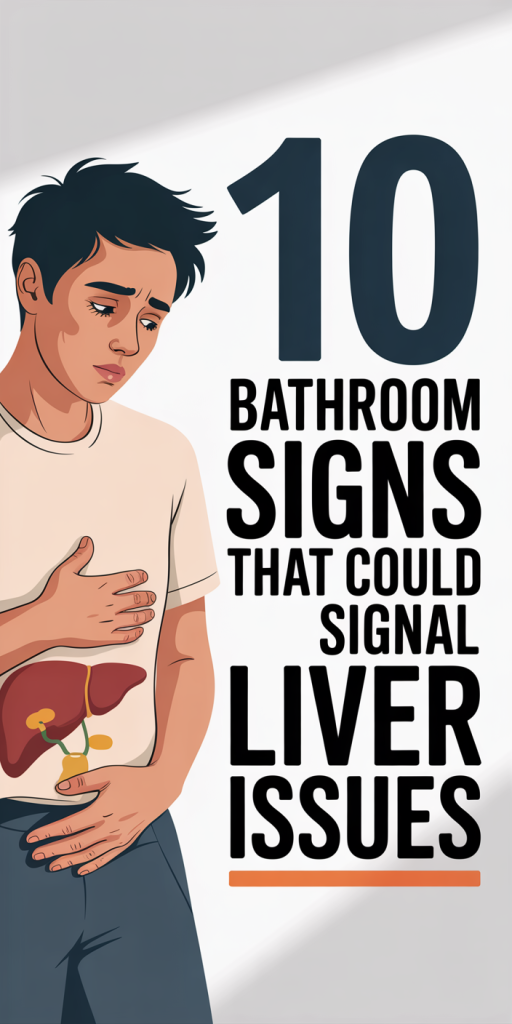
10 Bathroom Signs That Could Signal Liver Issues
We don’t usually think of the bathroom as a diagnostic tool, yet the color, consistency, and frequency of our urine and stool, plus symptoms like itching or bleeding, can give early clues about liver health. In 2026, with better awareness and more accessible diagnostics, recognizing these signs early is more valuable than ever. In this text we’ll walk through ten specific bathroom-related signs that may point to liver dysfunction, explain the simple physiology behind them, and guide you on when to seek medical attention. Our aim is to help you spot patterns that matter, cut through common myths, and feel confident about the next steps if something seems off.
Why Bathroom Symptoms Matter For Liver Health
The liver is a multitasking organ: it metabolizes drugs and toxins, produces bile for digestion, stores nutrients, and helps regulate clotting factors. Because it’s involved in so many pathways, problems with the liver often show up as changes in waste products, and the bathroom is where those waste products exit the body. When we pay attention to urine color, stool changes, bleeding, itching, and frequency, we’re essentially monitoring the downstream effects of liver dysfunction.
Why is this practical? First, bathroom signs are often early and visible. Jaundice, the yellowing of the skin and eyes, is a classic sign, but milder or earlier disturbances appear as darker urine, pale stool, or new-onset itching. Second, these signs are objective and repeatable: you can photograph or track changes over days, which helps clinicians triage urgency.
We should also note what bathroom symptoms don’t tell us. They don’t always indicate liver disease exclusively: gallbladder problems, pancreatic disease, medications, infections, and dietary changes can produce similar findings. But in combination and with persistence, certain constellations of signs increase the likelihood that the liver is involved.
Finally, timely recognition matters. Some liver conditions, acute hepatitis, obstructive cholestasis, or advanced cirrhosis, can progress quickly or produce complications like bleeding or infection. The bathroom is a low-tech but high-value surveillance point. Below, we list ten specific signs you may notice and why they’re important.
Signs 1–5: Urine, Stool, Color, And Odor Changes
- Dark Urine
Dark urine that appears tea- or cola-colored can result from elevated conjugated bilirubin being excreted through the kidneys when bile drainage is impaired. We often see dark urine in obstructive processes (like gallstones blocking the bile ducts) and in hepatocellular injury (viral or drug-induced hepatitis). If the color change is new and persistent, it’s a clear reason to get evaluated, especially when accompanied by pale stools or jaundice.
- Pale or Clay-Colored Stool
Stools that are unusually pale, chalky, or clay-colored suggest a lack of bile pigments reaching the intestines. Bile gives stool its brown color: when bile flow is reduced or blocked, stools lose that pigment and appear light. This is a classic sign of cholestasis (bile flow impairment) and warrants prompt investigation because it may indicate a mechanical obstruction or severe liver dysfunction.
- Persistent Foul Odor
While transient changes in stool odor happen with diet, a persistent, markedly foul-smelling stool may point to malabsorption of fats due to reduced bile or pancreatic insufficiency. In liver disease, impaired bile secretion can reduce fat digestion, producing greasy, malodorous stools (steatorrhea). If stools are bulky, greasy, and hard to flush, we should consider malabsorption as part of the differential.
- Foamy or Frothy Urine
Foamy urine can indicate proteinuria (excess protein in urine), which isn’t a primary liver symptom but may occur in systemic conditions that involve both kidneys and liver (for example, certain autoimmune or vascular diseases). In advanced liver disease, low albumin and fluid shifts can complicate kidney function, so new-onset foamy urine merits attention and basic labs.
- New-Onset Strong Ammonia or Fecal Odor
Sometimes family members report a sweet or musty odor, or unusually ammonia-like breath and stool odor. This can reflect altered gut bacteria and ammonia metabolism in the context of liver dysfunction, especially hepatic encephalopathy. When the liver can’t detoxify ammonia well, patients may develop characteristic breath odors or stool changes. Any cognitive changes together with odd odors should be evaluated urgently.
Put together, these first five signs, dark urine, pale stool, strong odor, foamy urine, and abnormal fecal smell, point toward problems with bile production, bile flow, fat digestion, or systemic metabolic effects of liver disease. None is diagnostic alone, but persistence and clustering increase the chance we’re looking at liver-related pathology.
Signs 6–10: Bleeding, Itching, Swelling, Pain, And Frequency Changes
- Gastrointestinal Bleeding (Blood in Stool or Black, Tarry Stools)
Blood in the stool or melena (black, tarry stools) is alarming and can be connected to liver disease through portal hypertension. When the portal venous pressure rises, varices, dilated veins in the esophagus or stomach, can rupture and bleed. We should treat any sign of GI bleeding as urgent: it may reflect advanced liver disease and requires immediate medical assessment.
- Rectal or Anal Bleeding (Hemorrhoids vs. Varices)
Not all bright red blood per rectum is liver-related. Common causes include hemorrhoids or fissures. But in someone with known liver disease, new rectal bleeding might suggest hemorrhoids that have become engorged due to portal hypertension. Context matters: we weigh bleeding against other liver signs and prior history.
- Chronic, Unexplained Itching (Pruritus)
Itching that wakes us at night or resists typical over-the-counter creams can be a hallmark of cholestatic liver disease. Bile salts and other pruritogens accumulate in the skin when bile flow is impaired, producing intense itching, often without a rash. Primary biliary cholangitis and other cholestatic conditions commonly present this way. When itching is severe and new, we should think about liver tests and a hepatology referral.
- Abdominal Swelling or Ascites
If we notice increased abdominal girth, tightness in pants, or shifting fluid in the belly when lying down, ascites (fluid accumulation in the peritoneal cavity) may be present. Ascites typically develops in advanced liver disease due to a combination of portal hypertension, low albumin, and renal sodium retention. It’s often accompanied by bloating and early satiety and is a sign that requires timely evaluation and management.
- Changes in Urination Frequency or Pain With Urination
While urinary frequency and dysuria (painful urination) are most commonly caused by urinary tract infections, in the context of liver disease they can reflect hepatorenal physiology or infections in patients with cirrhosis who are more susceptible to spontaneous bacterial peritonitis. Also, altered fluid balance in liver disease may change urine concentration and output. Any new, unexplained change in urinary habits should prompt assessment.
Each of these signs, bleeding, itching, swelling, pain, and frequency changes, spans a range from common, non-specific symptoms to urgent red flags. We should interpret them within the broader clinical picture, but persistent or severe presentations demand quick evaluation.
What To Do If You Notice These Signs — When To See A Doctor
First, don’t panic. Many bathroom changes have benign explanations: diet, medication colors, infections, or temporary digestive upset. But discernment matters. We recommend the following practical steps when you or someone you care for notices these signs:
- Triage by Severity
Seek immediate emergency care if you have significant bleeding (large amounts of bright red blood, melena, or vomiting blood), altered mental status, severe abdominal pain, or signs of shock (lightheadedness, fainting, very low blood pressure). - Schedule an urgent primary care or hepatology appointment for persistent or progressive signs such as dark urine with pale stools, severe pruritus, new swelling of the abdomen, or ongoing unexplained changes in bowel habits.
- Gather Simple Data Before the Visit
Keeping a brief log helps clinicians: note onset, duration, associated symptoms (fever, jaundice, abdominal pain), medications (including recent antibiotics or herbal supplements), alcohol use, and any recent travel or illness. If feasible, take a photo of urine or stool color changes, visual documentation can be extremely helpful. - What Tests to Expect
Expect basic lab work: liver function tests (ALT, AST, alkaline phosphatase, total and direct bilirubin), complete blood count (for anemia or platelet changes), coagulation profile (INR), and basic metabolic panel. Urinalysis and abdominal ultrasound are common first-line investigations: ultrasound can detect biliary obstruction, ascites, or liver morphology changes. In some cases we may perform viral hepatitis serologies, autoimmune panels, or advanced imaging (MRCP) and endoscopy (if bleeding is suspected). - Practical Interim Measures
Avoid alcohol and review medications with your provider, many drugs are hepatotoxic. Stay hydrated, reduce salt intake if you have swelling, and avoid over-the-counter acetaminophen in high doses. For severe itching, talk to your clinician about cholestyramine or newer agents: topical creams alone often aren’t sufficient when pruritus is liver-related. - Prevention and Monitoring
If you have risk factors (heavy alcohol use, diabetes, obesity, a history of viral hepatitis, or family history of liver disease), arrange routine liver monitoring. Early detection often changes outcomes. We should treat the bathroom as an early warning system and act promptly when signs persist or cluster.
How Liver Dysfunction Produces Bathroom Symptoms (Simple Physiology)
It helps to simplify the liver’s role into a few key functions to understand why bathroom signs appear:
- Bile Production and Flow
The liver makes bile, which contains bilirubin and bile salts essential for fat digestion and giving stool its brown color. When hepatocytes are injured or bile ducts are obstructed, conjugated bilirubin accumulates in the bloodstream (causing dark urine) and fails to reach the intestines (causing pale stools). Cholestasis, whether intrahepatic or extrahepatic, is the central physiological mechanism behind many bathroom signs. - Bilirubin Metabolism
Hemoglobin breakdown produces unconjugated bilirubin, which the liver conjugates and secretes into bile. If the liver can’t conjugate bilirubin properly or bile can’t be excreted, bilirubin levels rise and are filtered by the kidneys or deposit in tissues (jaundice). Dark urine results when conjugated bilirubin is water-soluble and excreted in urine. - Protein Synthesis and Coagulation
The liver synthesizes albumin and clotting factors. Low albumin contributes to decreased oncotic pressure and fluid leakage into the abdomen (ascites). Impaired clotting factor production (or portal-hypertension related platelet sequestration) increases bleeding risk, which may manifest as GI blood loss. That’s why GI bleeding and ascites often co-occur in advanced liver disease. - Detoxification and Nitrogen Handling
The liver converts ammonia to urea. In liver dysfunction, ammonia accumulates and can cross into the brain, altering consciousness and producing characteristic breath or stool odors. Shifts in gut microbiota with liver disease may also change stool characteristics and smell. - Bile’s Role in Fat Absorption
Without adequate bile salts in the intestine, fat digestion suffers, leading to steatorrhea, greasy, foul-smelling, pale stools that may float. This links stool appearance directly to biliary or hepatic function. - Portal Hypertension
Chronic liver scarring (fibrosis) raises pressure in the portal venous system. The body forms collateral vessels (varices) to decompress the pressure: these fragile vessels can bleed into the GI tract, causing melena or hematemesis.
By viewing bathroom signs through these physiologic lenses, we can see why certain patterns are suspicious for liver disease. Signs involving bile flow (urine and stool color, steatorrhea, pruritus) point to cholestasis, while bleeding and ascites suggest more advanced disease with portal hypertension and synthetic dysfunction.
Conclusion
Bathroom observations are simple, accessible clues that can alert us to important liver problems. Dark urine, pale stools, new-onset itching, unexplained bleeding, or abdominal swelling shouldn’t be ignored, especially when multiple signs appear together or persist. We recommend documenting changes, avoiding alcohol and potentially hepatotoxic drugs, and seeking medical care based on severity. With earlier recognition and timely testing, many liver conditions are manageable or treatable. Keep an eye on what your body is telling you in the bathroom, it may be the fastest route to detecting trouble and getting the right care.