A Balanced 7-Day Clean Eating Meal Plan For Busy Professionals: Simple, Time-Smart Meals To Boost Energy
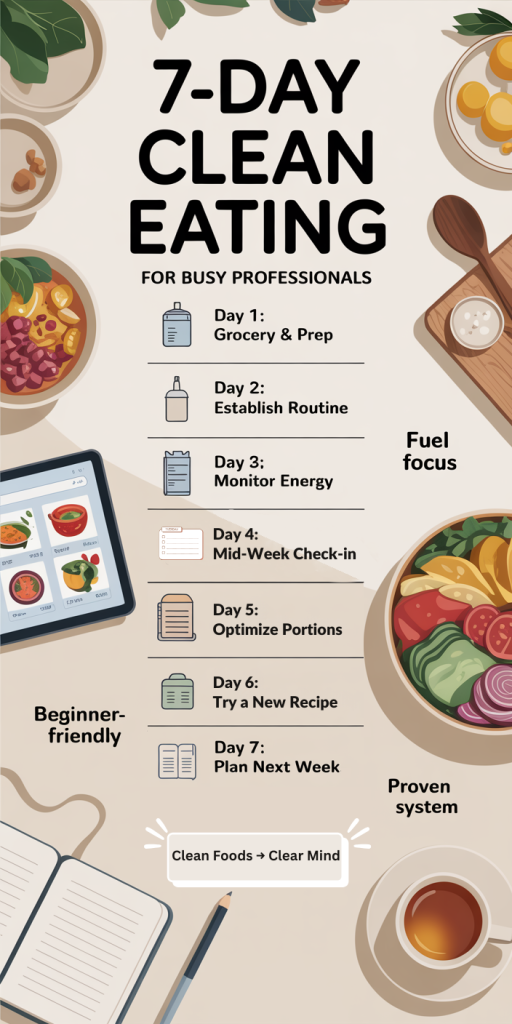
We know how hard it is to eat well when every minute of the workweek is scheduled. Between back-to-back meetings, commuting, and family or gym time, grabbing something convenient often wins. That’s why we created this balanced 7-day clean eating meal plan for busy professionals: to give practical, realistic meals that save time, support steady energy, and reduce decision fatigue. The plan focuses on whole foods, simple prep techniques, and flavor-forward recipes you can batch or assemble in minutes. Over the next seven days you’ll find breakfasts that keep you full, lunch options that travel well, dinners that come together quickly, and snack ideas that curb cravings, plus shopping lists, prep strategies, and swaps for common dietary needs. Let’s make healthy eating less about willpower and more about good systems.
Why Clean Eating Works For Busy Professionals
Clean eating isn’t a fad: it’s a framework that emphasizes whole, minimally processed foods, lean proteins, vegetables, fruits, whole grains, nuts, seeds, and healthy fats. For busy professionals, this approach delivers several practical benefits:
- Consistent energy: Foods with fiber, protein, and healthy fats stabilize blood sugar, avoiding the 3 p.m. crash that ruins productivity.
- Simpler decisions: When our pantry contains mostly whole ingredients, deciding what to eat gets faster, fewer options, less analysis.
- Better digestion and sleep: Minimizing ultra-processed foods and excess sugar helps reduce bloating and supports restorative sleep, which in turn improves cognitive performance.
- Scalability and portability: Clean meals often travel well, think mason jar salads, grain bowls, or foil-baked protein with veggies. Those scale from single portions to batch cooking.
We’re not talking deprivation. Clean eating still includes treats, but the baseline is nutrient-dense meals that sustain us through long days. The key for professionals is planning: a 60–90 minute prep session once or twice a week plus smart leftovers turns healthy cooking into a manageable routine. Over time, the small wins, sleeping better, fewer energy slumps, and steady weight, compound into less stress and more productivity at work.
How To Use This Plan — Meal Prep, Shopping List, And Timing
Before we jump into the day-by-day menus, here’s how to use this plan so it actually fits your schedule.
Meal prep strategy
- Weekend batch session (60–90 minutes): Roast a large tray of mixed vegetables, cook a pot of whole grain (brown rice, quinoa, or farro), bake or pan-sear a double batch of a protein (chicken breasts, salmon fillets, or tofu), and make a basic dressing or sauce (lemon-tahini, vinaigrette). Store in clear containers for visibility.
- Midweek refresh (20–30 minutes): Reheat grains, quickly steam a vegetable, or stir-fry leftovers to keep flavors fresh.
- Mason jar salads and overnight oats: Assemble these the night before for grab-and-go convenience.
Shopping list (for one week, serves 2–3 people or one very hungry professional)
- Proteins: 6–8 chicken breasts or 4 salmon fillets + 2 blocks firm tofu (or swap for lean beef/legumes)
- Grains & starches: 3 cups dry quinoa or brown rice, 1 lb sweet potatoes, whole-grain wraps or Ezekiel bread
- Vegetables: Mixed greens (2 bags), broccoli (2 heads), bell peppers (4), zucchini (3), carrots (1 bag), cherry tomatoes (1 pint), red onion
- Fruits: Bananas, apples, berries (frozen works), 2 avocados
- Pantry & fats: Olive oil, olive tapenade or pesto, tahini, almonds, peanut butter, chia seeds
- Dairy/alternatives: Greek yogurt or plant-based yogurt, feta or nutritional yeast
- Spices & extras: Lemon, garlic, cumin, smoked paprika, soy sauce or tamari, honey or maple syrup
Timing & portions
- Breakfast: 350–450 calories, focus on protein + fiber (e.g., Greek yogurt + oats + berries).
- Lunch: 450–600 calories, protein + grain + veg. Portioning lunches in containers helps avoid overeating after a long day.
- Dinner: 500–700 calories, lean protein + 2 vegetables + healthy fat.
- Snacks: 150–250 calories, pair a carbohydrate with protein or fat (apple with almond butter, hummus and carrots).
We recommend prepping items that cross multiple meals: cooked grains, roasted veggies, and a versatile protein. Label containers with dates and keep dressings separate to prevent sogginess. If you travel for work, choose meals that can be eaten cold or easily warmed in a microwave.
7-Day Meal Plan: Day-By-Day Breakfasts, Lunches, Dinners, And Prep Notes
Day 1, Monday
- Breakfast: Overnight oats (rolled oats, chia, almond milk, Greek yogurt, blueberries, drizzle of honey).
- Lunch: Grain bowl (quinoa, roasted carrots & broccoli, shredded chicken, lemon-tahini drizzle).
- Dinner: Sheet-pan salmon with asparagus and fingerling potatoes: mixed greens on the side.
- Prep note: Roast a double batch of vegetables and cook extra quinoa for midweek.
Day 2, Tuesday
- Breakfast: Green smoothie (spinach, banana, frozen mango, protein powder, flaxseed).
- Lunch: Mason jar salad (mixed greens, roasted beets, feta, walnuts, grilled chicken, vinaigrette).
- Dinner: Stir-fry (tofu or shrimp) with bell peppers, snap peas, brown rice, light soy-tahini sauce.
- Prep note: Press tofu the night before and chop peppers for quick stir-fry.
Day 3, Wednesday
- Breakfast: Greek yogurt parfait (yogurt, granola, raspberries, spoon of nut butter).
- Lunch: Whole-grain wrap with hummus, turkey or tempeh, spinach, shredded carrots, and cucumber.
- Dinner: One-pot lentil and tomato stew with kale and a side of warm whole-grain bread.
- Prep note: Make lentil stew in a large pot: leftovers are excellent for lunches.
Day 4, Thursday
- Breakfast: Savory egg muffins (eggs, spinach, cherry tomatoes, feta), grab two with an orange.
- Lunch: Leftover lentil stew or a reheated grain bowl topped with avocado.
- Dinner: Grilled chicken pita with tzatziki, cucumber, tomato, and a small side salad.
- Prep note: Bake a tray of sweet potato wedges for use through the weekend.
Day 5, Friday
- Breakfast: Avocado toast on whole-grain bread + a soft-boiled egg.
- Lunch: Nicoise-style salad (tuna or chickpeas, green beans, olives, boiled potato, hard-boiled egg).
- Dinner: Quick shrimp and vegetable skewers with couscous and lemon-herb dressing.
- Prep note: Make a quick herbed dressing to keep on hand: it brightens many dishes.
Day 6, Saturday
- Breakfast: Banana oat pancakes (made in a batch and frozen) topped with fresh berries.
- Lunch: Warm farro salad with roasted squash, arugula, pumpkin seeds, and goat cheese (or vegan alternative).
- Dinner: Homemade veggie-packed pizza on a whole-grain crust (use store-bought dough to save time).
- Prep note: Enjoy a more relaxed cooking session, use leftovers for Sunday meals.
Day 7, Sunday
- Breakfast: Shakshuka-style poached eggs in a quick tomato-pepper sauce, served with whole-grain toast.
- Lunch: Leftover pizza or a big mixed greens salad topped with remaining proteins and seeds.
- Dinner: Slow-cooked beef or mushroom ragu over polenta or cauliflower mash.
- Prep note: Finish any remaining prepped grains and roast vegetables: wash and chop salad greens for the week ahead.
General timing tips
- Mornings: Prepare breakfasts the night before (overnight oats, egg muffins) or have quick blender options.
- Lunches: Pack portion-controlled containers: include a crunchy element (nuts or raw veg) to avoid feeling unsatisfied.
- Dinners: Aim for 30 minutes or less for at least three weeknight dinners, sheet-pan, stir-fry, or skillet-based recipes are our go-tos.
Leftover strategy
We recommend designing dinners with intentional leftovers for lunch the next day. A single roasted chicken, pot of lentils, or pan of roasted veggies can become two to three lunches with minor assembly changes (add fresh greens, different dressing, or new grains).
Smart Snacks, Easy Swaps, And Portion Guidance For Busy Schedules
Smart snacks keep us satisfied between meetings without derailing nutrition goals. Here are quick options and portion guidance we actually use.
Smart snack ideas (150–250 calories)
- Apple slices + 1–2 tablespoons almond butter.
- Greek yogurt (5–6 oz) with a tablespoon of chia seeds and a few berries.
- Hummus (3 tbsp) with carrot sticks and bell pepper slices.
- Handful of mixed nuts (about 1 oz) + a clementine.
- Cottage cheese (½ cup) with cucumber and cracked black pepper.
- Rice cake with mashed avocado and a sprinkle of chili flakes.
Portion guidance and hunger cues
- Use your hand as a quick guide: palm-sized protein portion, cupped hand for carbs/grains, fist for vegetables, thumb for fats. This method scales across body sizes and is faster than weighing food.
- Eat to 80–90% full during meals: stop before feeling stuffed. For snacks, choose combos with protein to stabilize blood sugar.
- If we find ourselves ravenous late afternoon, it usually means lunch lacked fiber or protein, add beans, lentils, or an extra ounce of nuts next time.
Easy swaps to save time or adjust macros
- Swap quinoa for microwaveable brown rice pouches when time is tight.
- Use canned beans (rinsed) instead of dried if prep time is limited.
- Frozen vegetables are nutritionally comparable to fresh and cut prep time drastically.
- Pre-cooked rotisserie chicken is a legitimate time-saver, use it in salads and wraps.
Snacking logistics for busy days
- Keep a small snack kit in your work bag: single-serve nut packs, a protein bar (look for <8g sugar, >8g protein), and a small jar of nut butter.
- Hydration matters: we’ve found that mild dehydration often masquerades as hunger. Aim for a reusable bottle and sip throughout the day.
Treats and flexibility
- We’re not anti-treat. Plan a small weekly indulgence, dessert after Friday dinner or a glass of wine with friends, to maintain balance and avoid burnout.
Common Dietary Adjustments (Vegetarian, Gluten-Free, Dairy-Free) And Quick Substitutions
This 7-day clean eating meal plan is designed to be flexible. Here are straightforward swaps to accommodate common dietary needs while keeping meals quick and satisfying.
Vegetarian adjustments
- Protein swaps: Replace chicken, turkey, and fish with baked tofu, tempeh, edamame, seitan (if gluten-tolerant), or extra legumes (lentils, chickpeas). A serving of cooked lentils (½ cup) provides roughly 9g of protein and pairs well with grains.
- Flavor tips: Add umami with miso paste, nutritional yeast, or a splash of tamari. Pan-seared halloumi (if dairy is allowed) or a twice-baked sweet potato stuffed with black beans are hearty options.
Gluten-free adjustments
- Grain swaps: Use quinoa, brown rice, millet, or certified gluten-free oats instead of wheat-based grains. For wraps, choose corn tortillas or large collard leaves as wraps.
- Pantry check: Opt for tamari instead of soy sauce (many soy sauces contain wheat). Choose gluten-free labeled broths and condiments.
Dairy-free adjustments
- Dairy replacements: Use plant-based yogurts (almond, oat, or coconut yogurt) and dairy-free cheeses. Swap butter for olive oil or avocado oil in cooking.
- Calcium and protein: If avoiding dairy, make sure to include other calcium sources, tofu (calcium-set), leafy greens, fortified plant milks, and almonds.
Quick substitution table (mental shorthand)
- Chicken → Tofu/Tempeh/Seitan (vegetarian)
- Yogurt → Plant-based yogurt (dairy-free)
- Whole-grain bread → Gluten-free bread or sweet potato slices as toast
- Cheese → Nutritional yeast or dairy-free cheese
Allergy and sensitivity notes
- Nuts: If we need nut-free snacks, swap almonds for roasted chickpeas or pumpkin seeds.
- Soy: If soy is an issue, choose lentils, chickpeas, or animal proteins instead of tofu/tempeh.
Maintaining nutrition when swapping
When we substitute, our priority is to replace the macronutrient profile, protein for protein, fiber for fiber, so meals stay balanced. For example, if replacing salmon with chickpeas, increase portion size or add a seed/nut topping to boost calories and healthy fats. Keep an eye on flavor balance, acid (lemon or vinegar), fat (olive oil, tahini), and salt (sea salt, tamari) help make substitutions feel intentional rather than a compromise.
Conclusion
This balanced 7-day clean eating meal plan for busy professionals is built around two principles: sensible simplicity and consistency. We’ve aimed to remove decision fatigue by offering repeatable templates, grain + veg + protein, portable breakfasts, and smart snacks, so eating well becomes the default. Start with one 60–90 minute prep session this weekend, pick two reliable breakfasts and three 30-minute dinners, and scale from there. Small systems, not heroic willpower, will sustain us. If we stick with these habits for a few weeks, we’ll notice steadier energy, clearer thinking, and fewer frantic food choices during crunch time. Let’s make healthy eating fit our schedules, not the other way around.