
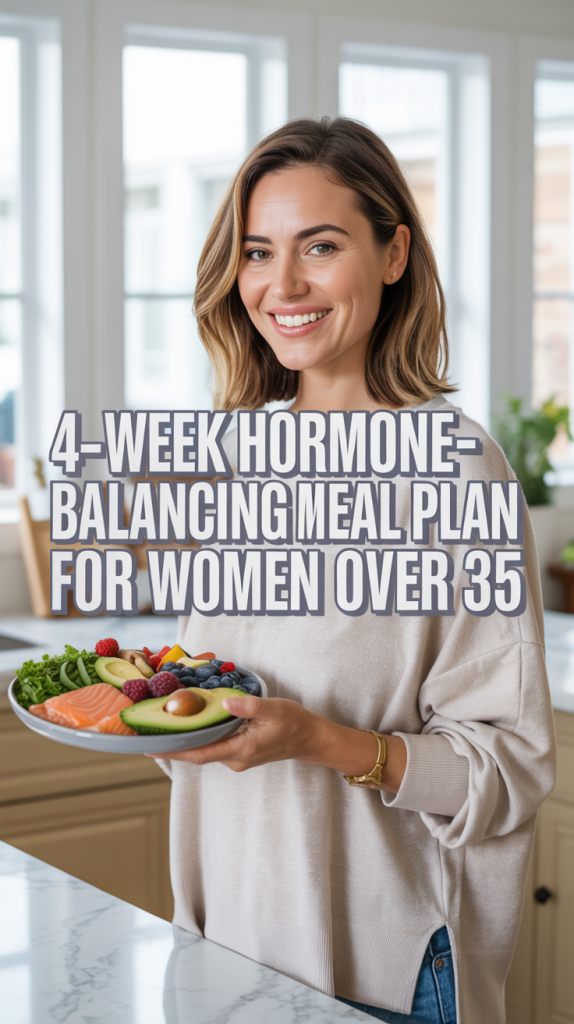
Revitalize Your Health: 4-Week Hormone-Balancing Meal Plan for Women Over 35
Navigating hormonal changes after 35 can feel overwhelming. I know firsthand how these shifts can impact energy levels mood and overall health. That’s why I’ve crafted a 4-week hormone-balancing meal plan specifically designed for women like us who want to regain control and feel vibrant again.
This plan isn’t just about food; it’s about nourishing our bodies with the right nutrients to support hormonal harmony. Each week features delicious recipes and practical tips to help us embrace this phase of life with confidence. Let’s dive into a journey of wellness that celebrates our unique needs and empowers us to thrive.
Overview of Hormone Health
Hormone health significantly impacts various aspects of women’s well-being, especially after the age of 35. As women approach this milestone, hormonal fluctuations can disrupt energy levels, affect mood, and alter metabolism. Balancing hormones becomes essential for maintaining vitality and overall health.
Understanding hormone functions is crucial. Hormones act as messengers, regulating processes such as sleep, appetite, and mood. For instance, estrogen and progesterone influence the menstrual cycle and contribute to reproductive health. Testosterone, though often associated with men, plays a vital role in women’s sexual health and energy.
Imbalances often arise due to factors like stress, diet, and lifestyle. Increased stress levels can elevate cortisol, negatively impacting adrenal function and leading to fatigue and anxiety. Additionally, poor nutrition can cause deficiencies in essential vitamins and minerals, further exacerbating hormonal issues.
To promote hormone health, a diet rich in whole foods is key. Nutrient-dense options like leafy greens, healthy fats, and lean proteins provide the necessary support for hormonal balance. Foods high in fiber, such as fruits, vegetables, and whole grains, help regulate insulin levels, fostering a stable hormonal environment.
Regular physical activity also plays a significant role. Engaging in balanced exercise routines, combining strength training with cardiovascular workouts, can enhance mood and support hormonal regulation.
Recognizing the importance of hormone health allows women to navigate this life phase with greater resilience and confidence. Establishing a hormone-balancing meal plan can provide the foundation for renewed energy and improved well-being.
Importance of Nutrition in Hormone Balance
Nutrition plays a critical role in maintaining hormone balance, especially for women over 35. A nutrient-dense diet supports overall health and helps manage hormonal fluctuations during this pivotal life stage.
Key Nutrients for Hormonal Balance
- Omega-3 Fatty Acids: Omega-3s reduce inflammation and support hormone production. Sources include fatty fish, walnuts, and flaxseeds.
- Fiber: Fiber regulates blood sugar levels and aids in the removal of excess hormones. Whole grains, fruits, and vegetables are excellent sources.
- Magnesium: Magnesium plays a key role in regulating cortisol levels and reducing stress. Leafy greens, nuts, and seeds are rich in this mineral.
- Vitamin D: Vitamin D aids in hormone synthesis and supports mood. Sun exposure and fortified foods provide Vitamin D.
- B Vitamins: B vitamins, particularly B6 and B12, support energy levels and hormone regulation. Beans, legumes, and poultry offer these essential nutrients.
Foods to Include and Avoid
Foods to Include:
- Leafy Greens: Spinach, kale, and Swiss chard are rich in essential vitamins and minerals.
- Healthy Fats: Avocados, olive oil, and nuts support hormone production and balance.
- Lean Proteins: Chicken, turkey, and legumes provide the building blocks for hormones.
- Fermented Foods: Yogurt, kimchi, and sauerkraut promote gut health, which can influence hormone levels.
- Processed Sugars: Sugary snacks and beverages can lead to insulin spikes and hormone imbalances.
- Refined Carbohydrates: White bread and pastries can negatively impact blood sugar levels.
- Trans Fats: Fried foods and packaged snacks can increase inflammation and disrupt hormone function.
- Excessive Caffeine and Alcohol: These substances can interfere with hormonal balance and disrupt sleep patterns.
4-Week Hormone-Balancing Meal Plan Overview
This hormone-balancing meal plan consists of four weekly phases, each designed to address specific aspects of hormone health. The focus remains on incorporating nutrient-dense foods that support hormonal balance and overall well-being.
Week 1: Foundations of Hormone Health
Week 1 emphasizes establishing a strong foundation for hormone health. I incorporate whole foods rich in omega-3 fatty acids, fiber, and essential vitamins. Key ingredients include fatty fish, leafy greens, nuts, seeds, and lean proteins. Daily meals feature breakfast smoothies loaded with spinach and chia seeds, hearty salads with avocado, and grilled chicken or fish. Hydration plays a crucial role; I consume plenty of water and herbal teas to support digestion and detoxification.
Week 2: Focus on Detoxification
During Week 2, I prioritize foods that support liver detoxification and hormone elimination. Cruciferous vegetables, such as broccoli and Brussels sprouts, take center stage alongside beets and artichokes. Daily meals include detox smoothies with kale and ginger, stir-fries with tofu and assorted veggies, and roasted root vegetables. Staying hydrated remains essential, so I drink lemon water and herbal teas known for detox properties.
Week 3: Stabilizing Blood Sugar Levels
Week 3 centers on stabilizing blood sugar levels, crucial for hormone balance. I focus on incorporating complex carbohydrates, lean proteins, and healthy fats. Daily meals consist of quinoa bowls topped with roasted vegetables, oatmeal with almond butter, and grilled salmon with sweet potato. By eating balanced meals at regular intervals, I prevent blood sugar spikes and crashes. Staying mindful of portion sizes helps maintain steady energy levels throughout the day.
Week 4: Enhancing Mood and Energy
In Week 4, I concentrate on foods that boost mood and energy. Nutrient-dense options rich in B vitamins, magnesium, and antioxidants play a significant role. Meals feature dark chocolate, berries, spinach, and whole grains. I include hearty breakfasts like smoothies with banana and almond milk, satisfying lunches with quinoa and mixed greens, and light dinners featuring chickpeas and vegetables. Regular physical activity complements the dietary focus, further enhancing mood and energy levels.
Tips for Success on the Meal Plan
- Plan meals in advance: I schedule weekly meal prep sessions to save time and avoid last-minute unhealthy choices. Preparing meals in advance helps maintain focus on nutrition.
- Stay hydrated: I drink plenty of water throughout the day. Staying hydrated enhances energy levels and supports overall hormonal balance, which directly impacts mood and appetite.
- Incorporate snacks: I include healthy snacks between meals, such as nuts and fruits, to keep blood sugar stable. Balanced snacks prevent cravings and promote sustained energy.
- Listen to your body: I pay attention to hunger cues and eat mindfully. Understanding my body’s signals helps in making informed choices about portion sizes and food types.
- Choose variety: I rotate different fruits, vegetables, and proteins weekly. Incorporating a variety of foods ensures I receive a wide range of nutrients essential for hormonal health.
- Stay active: I engage in regular physical activity, aiming for at least 30 minutes most days. Exercise boosts mood, increases energy, and plays a significant role in hormonal regulation.
- Limit stress: I practice stress-management techniques like yoga or mindfulness. Reducing stress contributes to hormonal balance, improving both mental and physical well-being.
- Cut out processed foods: I avoid processed foods and sugars to prevent hormonal disruptions. Whole foods offer the nutrients needed for health and vitality.
- Connect with a support group: I join community forums or groups that share similar health goals. Engaging with others fosters accountability and motivation throughout the meal plan journey.
- Track progress: I maintain a journal to observe changes in mood, energy, and overall health. Tracking progress helps identify patterns and keep me motivated on this path to hormone balance.
Conclusion
Embracing a hormone-balancing meal plan can be a game-changer for women over 35. By focusing on whole foods and essential nutrients, I’ve found that it’s possible to regain control over my energy and mood. Each week of the plan offers a unique approach to support my body’s changing needs.
Staying consistent with this meal plan not only nourishes my body but also empowers me to thrive during this transitional phase. I encourage you to take these steps towards better hormone health and experience the positive changes for yourself. Prioritizing nutrition and self-care is key to feeling vibrant and balanced at any age.


