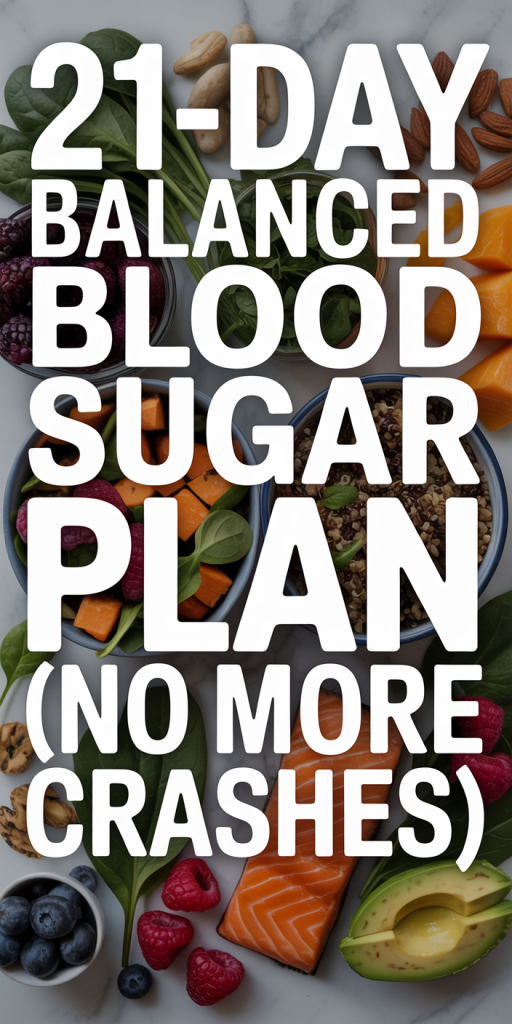
Transform Your Energy: The 21-Day Balanced Blood Sugar Plan (No More Crashes!)
Struggling with blood sugar crashes can feel like an endless cycle of energy highs and lows. I’ve been there, and it can be frustrating trying to navigate through the fog of fatigue and cravings. That’s why I created the 21-Day Balanced Blood Sugar Plan, designed to help you regain control and stabilize your energy levels.
Overview of the 21-Day Balanced Blood Sugar Plan
The 21-Day Balanced Blood Sugar Plan focuses on stabilizing blood sugar levels through structured dietary adjustments and lifestyle changes. This program emphasizes the importance of balanced meals, regular meal timing, and nutrient-dense foods.
Core Components
- Balanced Meals
Meals contain a mix of macronutrients—carbohydrates, proteins, and fats—to prevent spikes and crashes. Including whole grains, lean proteins, and healthy fats supports steady energy levels. - Nutrient-Dense Foods
Foods rich in vitamins, minerals, and fiber enhance overall health. Incorporating vegetables, fruits, nuts, and seeds nourishes the body while managing blood sugar. - Regular Meal Timing
Eating at consistent intervals helps regulate insulin levels. This plan encourages three meals and two snacks daily, promoting stable energy throughout the day. - Hydration
Adequate water intake supports metabolic processes. Staying hydrated boosts energy and aids in digestion, further contributing to balanced blood sugar. - Mindful Eating
Practicing mindfulness during meals fosters awareness of hunger cues and portion sizes. This approach reduces overeating and promotes satisfaction with smaller portions.
Expected Outcomes
With commitment to the 21-Day Balanced Blood Sugar Plan, individuals can achieve more stable energy levels, increased focus, and reduced cravings. Following the guidelines consistently supports overall well-being and minimizes the risk of blood sugar spikes.
Key Benefits of a Stable Blood Sugar Level
Maintaining stable blood sugar levels offers several key benefits that contribute to overall well-being. Improved energy, mood stability, and enhanced cognitive functioning are crucial advantages of managing blood sugar effectively.
Improved Energy Levels
Consistent blood sugar levels lead to sustained energy throughout the day. I’ve experienced that balanced meals prevent energy crashes, allowing for prolonged focus and productivity. Stable blood sugar levels reduce the risk of sudden fatigue and irritation often associated with spikes and drops. By prioritizing macronutrient balance, such as combining proteins, fats, and carbohydrates, I stay energized and alert.
Enhanced Mood Stability
Stable blood sugar impacts mood positively, minimizing irritability and mood swings. I notice a significant difference in my emotional state when my blood sugar is regulated. Highs and lows in blood sugar can disrupt hormones associated with mood, often leading to anxiety or depression. With a balanced approach to eating and nutrient-rich foods, I enhance mood stability and experience a more positive outlook on life.
Essential Components of the Plan
I focus on key elements in the 21-Day Balanced Blood Sugar Plan that promote steady energy and overall health. These essential components include nutrient-dense food choices and regular exercise.
Nutrient-Dense Food Choices
I prioritize foods packed with nutrients to stabilize blood sugar levels. These choices include:
- Whole grains: Brown rice, quinoa, and oats provide complex carbohydrates that digest slowly.
- Lean proteins: Chicken, turkey, tofu, and legumes support muscle health and sustain hunger.
- Healthy fats: Avocado, nuts, seeds, and olive oil promote satiety and nutrient absorption.
- Fruits and vegetables: Spinach, berries, and broccoli deliver vitamins, minerals, and fiber, supporting digestion.
Combining these food types in meals balances macronutrients, reduces sugar spikes, and maintains energy levels throughout the day.
Importance of Regular Exercise
I incorporate regular exercise into the plan to enhance blood sugar regulation. Advantages of physical activity include:
- Increased insulin sensitivity: Exercise helps cells respond better to insulin, lowering blood sugar levels.
- Weight management: Consistent workouts assist in maintaining a healthy weight, reducing the risk of insulin resistance.
- Improved mood: Physical activity releases endorphins, promoting mental well-being and reducing stress.
- Enhanced energy levels: Regular movement boosts overall energy, countering fatigue linked to blood sugar fluctuations.
Aim for at least 150 minutes of moderate-intensity aerobic exercise weekly, combining strength training for optimal results.
Meal Planning for Success
Effective meal planning is crucial for maintaining balanced blood sugar levels. Carefully selecting nutritious ingredients and timing meals can prevent energy crashes and support overall health.
Sample Meal Ideas
- Breakfast: Overnight oats with chia seeds, topped with fresh berries and a dollop of Greek yogurt. This meal provides complex carbohydrates and protein to start the day off right.
- Lunch: Quinoa salad mixed with black beans, diced bell peppers, and avocado. The healthy fats and fiber in this dish help stabilize blood sugar.
- Dinner: Grilled chicken breast served with steamed broccoli and sweet potato. High-quality protein coupled with fiber-rich vegetables ensures a satisfying meal that prevents spikes.
- Smoothie: Spinach, banana, almond milk, and a scoop of protein powder blended together. This combination delivers nutrients without causing sugar-related energy dips.
Snacks That Support Balanced Blood Sugar
- Nuts: A handful of almonds or walnuts can provide healthy fats and protein, making them an excellent snack choice.
- Greek Yogurt: Opt for plain Greek yogurt with a sprinkle of cinnamon. This snack offers protein and probiotics, beneficial for digestion.
- Vegetable Sticks: Carrot and cucumber sticks paired with hummus deliver fiber and healthy fats, keeping hunger at bay.
- Apple Slices with Nut Butter: Slice an apple and pair it with almond or peanut butter. This combo offers fiber and protein, promoting stable energy levels.
Incorporating diverse food options into meal planning can create balance and satisfaction, helping to avoid energy fluctuations throughout the day.
Monitoring Progress and Adjustments
Monitoring progress is crucial for maintaining balanced blood sugar levels. Tracking daily glucose levels helps identify patterns and determine what dietary or lifestyle changes lead to improvements. I recommend using a glucose meter to measure levels at various times, such as fasting, before meals, and two hours post-meal.
Recording intake in a food diary enhances awareness of meals and snacks consumed. This practice allows me to evaluate the macronutrient balance and adjust portions or food choices as needed. By noting feelings of energy, mood, and hunger, I can correlate how specific foods impact my blood sugar levels.
Adjustments to my diet are necessary based on these observations. If I notice persistent spikes or crashes, I reevaluate my carbohydrate sources and portions. Opting for complex carbohydrates, which include whole grains and legumes, offers more sustained energy compared to simple sugars. Incorporating higher fiber foods also assists in slowing digestion and preventing rapid glucose spikes.
Alongside dietary adjustments, physical activity plays a role in managing blood sugar. If my glucose readings remain high, I increase my exercise frequency or intensity. Engaging in short bursts of activity throughout the day helps enhance insulin sensitivity and lowers blood sugar effectively.
Scheduling regular check-ins—weekly or biweekly—ensures I stay accountable and engaged with the plan. During these sessions, I assess my progress, identify challenges, and celebrate small victories. Continuous evaluation and adaptation support my long-term goals for stable energy and overall well-being.
Monitoring both blood sugar levels and corresponding lifestyle factors allows me to make informed decisions. Adapting the plan based on real-time data leads to sustainable changes, providing lasting improvements in blood sugar management.
Tips for Staying Motivated
Staying motivated throughout the 21-Day Balanced Blood Sugar Plan requires a few practical strategies.
- Set Specific Goals
Identify clear and measurable goals for your blood sugar management. Aim for specific targets, such as reducing fasting glucose levels or incorporating more vegetables into meals. - Track Progress
Keep a journal or use an app to log daily glucose levels and food intake. Seeing patterns and improvements can boost motivation and reinforce positive changes. - Plan Meals Ahead
Dedicate time each week to plan meals and snacks. Prepare healthy options in advance to eliminate decision fatigue and ensure balanced choices are readily available. - Stay Hydrated
Drink plenty of water throughout the day. Proper hydration helps regulate blood sugar levels and keeps energy levels stable. - Connect with Others
Engage with a support group or share your journey with friends or family. Discussing challenges and successes fosters accountability and encouragement. - Celebrate Small Wins
Acknowledge and celebrate each milestone, no matter how small. Recognizing achievements, like consistently choosing healthier snacks, boosts morale. - Incorporate Variety
Experiment with new recipes and different foods to keep meals exciting. A varied diet can prevent boredom and enhance satisfaction. - Practice Mindfulness
Engage in mindful eating practices. Focus on each bite, savor flavors, and pay attention to hunger cues to promote better control over food choices. - Exercise Regularly
Incorporate enjoyable physical activities into your routine. Aim for a mix of aerobic exercise and strength training that aligns with your preferences to enhance motivation. - Seek Professional Guidance
Consider consulting a healthcare professional or nutritionist. Personalized advice can provide additional insights and encouragement to stay on track.
By implementing these strategies, maintaining motivation becomes more achievable, ultimately supporting balanced blood sugar levels and overall health.
Conclusion
Taking control of my blood sugar has been a transformative journey. The 21-Day Balanced Blood Sugar Plan has not only helped me stabilize my energy but also improved my overall well-being. By focusing on nutrient-dense foods and regular exercise I’ve experienced fewer crashes and more consistent energy throughout the day.
I encourage you to embrace this plan and make it your own. With dedication and the right strategies you can achieve lasting improvements in your blood sugar management. Remember that every small change counts and can lead to significant benefits. Here’s to a healthier and more energized you!