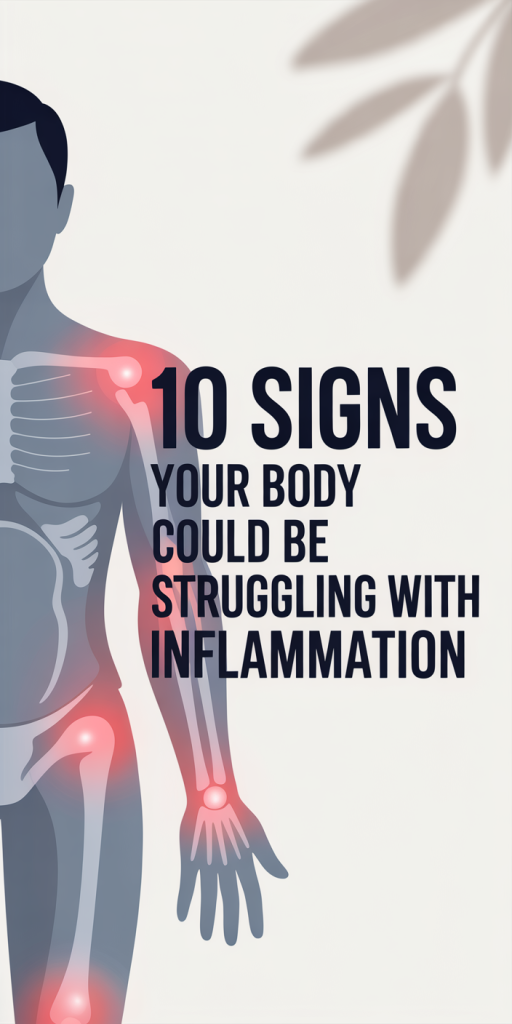
10 Signs Your Body Could Be Struggling With Inflammation (What To Watch For In 2026)
Inflammation is a normal part of how our bodies heal, but when it becomes chronic, it quietly undermines health over months or years. In 2026 we’re seeing more people recognize that persistent low-level inflammation contributes to everything from fatigue and brain fog to skin changes and slow wound healing. In this text we’ll walk through ten common signs that your body might be battling inflammation, explain why each sign points to inflammatory activity, and offer practical next steps you can take with your healthcare provider. This isn’t medical advice, but a clear guide to what to watch for so you can take smarter, timely action.
Persistent Fatigue And Low Energy
Fatigue that doesn’t improve with sleep is one of the most common, and most overlooked, symptoms of chronic inflammation. When the immune system stays activated, it diverts energy to produce inflammatory molecules like cytokines. Those molecules alter neurotransmitter balance and metabolic pathways, leaving us feeling drained, heavy, and unmotivated even after a full night’s rest.
We often notice this as a slow decline: mornings feel harder, naps don’t help, and we struggle with the energy to complete routine tasks. Inflammatory conditions such as autoimmune diseases, metabolic syndrome, and chronic infections can all present this way. Blood tests may show elevated markers like C-reactive protein (CRP) or erythrocyte sedimentation rate (ESR), but not always, so clinical context matters.
Practical steps: keep a fatigue diary (timing, triggers, sleep quality), discuss CRP/ESR with your provider, and evaluate lifestyle contributors such as diet, alcohol, stress, and activity level. Small changes, reducing added sugars, improving sleep consistency, and adding anti-inflammatory foods like fatty fish, leafy greens, and nuts, can reduce inflammatory burden and boost energy over weeks to months.
Chronic Widespread Pain And Muscle Aches
Aches and pains that wander around the body, resist straightforward treatment, or worsen with minor exertion can indicate systemic inflammation. Unlike pain from a single injury, inflammatory pain often feels diffuse, deep, and persistent. It may flare with stress, poor sleep, or after certain foods.
Conditions on the inflammatory spectrum, rheumatoid arthritis, polymyalgia rheumatica, fibromyalgia (which shares overlap with neuroinflammation), and post-viral syndromes, can produce this picture. The immune system releases prostaglandins and other mediators that sensitize pain receptors, so what used to be a minor ache becomes a daily complaint.
When we evaluate this symptom, we look for patterns: are mornings stiffer, does movement help or hurt, and are there associated symptoms like low-grade fever or weight loss? Imaging and labs can help, but patient history remains critical. Early referral to rheumatology or primary care for targeted testing and management often prevents progression and improves quality of life.
Joint Swelling, Stiffness, And Morning Rigidity
Joint swelling and stiffness, especially in the small joints of the hands and feet or symmetric joint involvement, are classic inflammatory signs. Morning stiffness lasting more than 30 minutes is a red flag for inflammatory arthritis rather than simple wear-and-tear osteoarthritis, which typically improves quickly with movement.
We watch for warmth, visible swelling, and decreased range of motion. Inflammatory joints often feel better after light activity as circulation improves, but can worsen with prolonged rest. Over time, uncontrolled inflammation can lead to joint erosion and functional loss, which is why early recognition matters.
If you notice these features, document which joints are affected and how long stiffness lasts each morning. Tests may include rheumatoid factor, anti-CCP antibodies, CRP, and imaging. Treatments range from lifestyle measures (weight management, physical therapy) to disease-modifying medications under a specialist’s guidance.
Frequent Digestive Problems (Bloating, Diarrhea, Or Constipation)
The gut is both a target and driver of inflammation. Persistent bloating, changes in bowel habits, and abdominal discomfort can signal inflammatory processes like inflammatory bowel disease (IBD), small intestinal bacterial overgrowth (SIBO), or food-related immune responses. Even metabolic inflammation linked to poor diet and excess visceral fat can show up as digestive symptoms.
We frequently see patients describe fluctuating diarrhea and constipation, urgency, or post-meal bloating. These symptoms may coincide with systemic signs, fatigue, joint pain, or skin rashes, pointing to a broader inflammatory condition. Tests can include stool studies, celiac screening, colonoscopy for those with alarm features, and breath testing when SIBO is suspected.
Dietary patterns matter: diets high in ultra-processed foods and added sugars promote pro-inflammatory gut environments, while fiber-rich, diverse diets support a healthy microbiome. Practical strategies include tracking food-symptom links, considering elimination trials for common triggers, and discussing appropriate testing with a clinician.
Brain Fog, Poor Concentration, And Mood Swings
When inflammation is systemic, it affects the brain. Cytokines cross the blood–brain barrier or influence neural signaling, leading to cognitive slowing, impaired attention, and mood changes. Many of us describe this as “brain fog”: trouble finding words, sustaining focus, or completing complex tasks.
Mood symptoms, irritability, anxiety, or low mood, often travel with cognitive complaints. Chronic inflammatory disorders, long COVID, and even low-grade metabolic inflammation associated with obesity and insulin resistance all show links to these neurocognitive changes.
We recommend tracking patterns: does fogginess follow poor sleep, infections, or dietary indiscretions? Address reversible contributors first, optimize sleep, reduce alcohol, manage blood sugar swings, and prioritize anti-inflammatory foods. If symptoms persist or interfere with work, discuss further evaluation: sometimes labs and neuropsychological testing help identify treatable causes.
Recurring Infections And Slow Wound Healing
Repeated infections or wounds that take a long time to close can be signs that inflammation and immune function are out of balance. Paradoxically, chronic inflammation can impair effective immune responses, leaving us susceptible to recurrent sinus infections, urinary tract infections, or skin infections.
Healing requires a coordinated inflammatory phase followed by repair: when inflammation is excessive or dysregulated, the repair phase is disrupted. We see slow-healing ulcers in metabolic disease and impaired responses in people on long-term steroids or certain immunomodulatory medications.
If you notice frequent infections or wounds that linger, document frequency and context and share with your clinician. They may check blood sugar, nutritional status (e.g., protein, zinc, vitamin C), and review medications that suppress immunity. Improving systemic inflammation through weight management, smoking cessation, and optimizing glucose control often materially improves healing and infection resistance.
Unexplained Skin Changes And Rashes
Our skin is a window into systemic inflammation. New or worsening rashes, eczema, psoriasis flares, or unexplained redness and heat can reflect internal inflammatory activity. Some skin conditions are directly immune-mediated, psoriasis, for example, while others are triggered by food intolerance, stress, or infections.
We pay attention to patterns: is the rash chronic, itchy, scaly, or associated with joint symptoms? Does it improve with topical care or persist even though standard measures? Skin manifestations can also be side effects of medications or signals of autoimmune conditions such as lupus.
Document the rash with photos and note triggers (sun exposure, foods, new products). Treatment may include topical therapies, lifestyle adjustments, and referral to dermatology. For systemic causes, addressing the underlying inflammatory driver often reduces skin symptoms.
Weight Fluctuations And Water Retention
Inflammation influences hormones and fluid balance, so unexplained weight gain, difficulty losing weight, or sudden water retention can signal inflammatory processes. Pro-inflammatory cytokines interfere with insulin signaling, alter appetite hormones like leptin and ghrelin, and shift where the body stores fat, often promoting visceral adiposity.
We also see that acute or chronic inflammation can increase capillary permeability, promoting edema and a puffy appearance. Medications used to treat inflammatory conditions (steroids, some biologics) may also contribute to weight changes, complicating the picture.
If weight changes occur without clear lifestyle causes, consider assessing inflammatory markers and metabolic health (fasting glucose, HbA1c, lipid profile). Modest anti-inflammatory interventions, improved sleep, stress reduction, resistance exercise, and a Mediterranean-style diet, support weight management and reduce inflammatory signaling over time.
Allergies, Asthma, Or Chronic Sinus Issues
Allergic diseases and chronic airway inflammation are common manifestations of an overactive or imbalanced immune system. If we’re dealing with persistent nasal congestion, sinus infections, wheeze, or worsening asthma even though usual care, inflammation is often central to the problem.
Type 2 inflammation, driven by cells like eosinophils and cytokines such as IL-4, IL-5, and IL-13, underlies many allergic and nasal polyposis conditions. Non-allergic inflammatory triggers (pollutants, infections, and occupational exposures) also aggravate airways.
We suggest monitoring symptom patterns, seasonal variation, and response to antihistamines or inhaled steroids. Referral to allergy or pulmonary specialists for testing (allergy panels, spirometry, exhaled nitric oxide) is reasonable when symptoms persist. Environmental controls, immunotherapy, and targeted anti-inflammatory treatments can dramatically improve function and quality of life.
Conclusion
Inflammation shows up in many masks: fatigue, brain fog, digestive upset, skin changes, and more. When several of these signs appear together or persist even though routine measures, it’s a strong cue to investigate systemic inflammation with our clinician. We recommend documenting your symptoms, tracking patterns, and prioritizing basics, better sleep, a minimally processed anti-inflammatory diet, consistent physical activity, and stress management, while pursuing medical evaluation for targeted testing and treatment. Early recognition and a coordinated plan often prevent progression and restore function. If you’re seeing multiple red flags from this list, act sooner rather than later, our bodies are telling us something important, and listening is the first step toward getting well.