Is Oatmeal High in Protein? What To Know In 2026 (Servings, Quality, And Fixes)
Oatmeal has been a breakfast staple for decades, and lately it’s gotten a reputation as a “healthy protein” option. But is oatmeal high in protein in a way that meaningfully supports muscle, recovery, or satiety? In this text we break down exactly how much protein oats provide across different forms and servings, examine their amino acid profile, compare oats to popular animal and plant proteins, and give practical, science-backed ways to boost the protein quality of your bowl. Whether you’re an athlete, a vegan, or just trying to feel fuller longer while losing weight, we’ll give straightforward guidance and quick recipes so you can use oatmeal the smartest way in 2026.
How Much Protein Is In Oatmeal? Per Serving And By Oat Type
Let’s start with numbers, the simplest way to answer “Is oatmeal high in protein?”
Raw, measured oats (rolled or old-fashioned):
- 100 grams of dry rolled oats contain roughly 16–17 grams of protein. That’s a lab-style, dry-weight figure useful for comparing foods.
Common serving sizes you’ll see at home or cafés:
- 1/2 cup dry rolled oats (about 40–45 g) → ~6.5–7.5 g protein when dry. After cooking with water, you still have the same grams of protein but a higher volume.
- 1 cup cooked oatmeal (made with water) → typically ~5–6 g protein (depends on how much water you add: cooked weight includes water so protein density falls).
Steel-cut oats:
- Very similar to rolled oats by macronutrient profile. Per 100 g dry, they also provide ~16–17 g protein. A cooked cup yields around 5–7 g protein.
Instant oats:
- Nutritionally comparable to rolled oats if plain (no sugar or flavor packets). Protein per 1/2 cup dry remains ~6–7 g. Packets that contain milk powder or added ingredients can shift the totals.
Overnight oats:
- If prepared with water, the protein is the same as cooked oats. When we use milk, yogurt, or protein powders (which many of us do), protein rises substantially, more on that below.
What this means practically: oats are a modest protein source. Per typical bowl (1 cup cooked), they offer about 5–7 grams of protein. That’s enough to contribute to daily protein needs, but not enough to be a primary protein source for people targeting higher intake (like athletes or those on high-protein diets) unless we deliberately enhance the meal.
Oatmeal’s Amino Acid Profile: Is It A Complete Protein?
We need to talk quality, not just quantity. Protein quality depends on the amino acid profile and how well your body can use it. In simple terms, complete proteins contain all nine essential amino acids in adequate amounts.
Oats contain most essential amino acids, but they’re not a complete protein on their own. The limiting amino acid in oats is lysine, meaning lysine is relatively low compared with human requirements. Other amino acids are present in moderate amounts, but lysine is the main nutritional gap.
Because lysine is limiting, relying solely on oats to meet essential amino acid needs (especially for people who exclude animal products) can be suboptimal. That said, the concept of “incomplete” plant proteins is often overblown: eating a variety of plant foods across a day will usually supply all essential amino acids. We’ll explain practical combinations next.
Limiting Amino Acids In Oats
Lysine is consistently the limiting amino acid in oats. On a per-gram basis, oats have less lysine than what’s considered ideal for a complete protein.
Why this matters: lysine plays roles in tissue repair, hormone production, and immune function. When lysine is low in a meal, the body can still use other amino acids, but overall protein synthesis is constrained.
Quantitatively, if a bowl of cooked oats supplies ~6 g protein, the lysine proportion is low relative to a similar protein amount from animal sources. For most healthy people eating mixed diets, this isn’t a health crisis. But for strict vegans, older adults, or athletes who need precise amino acid intakes, prioritizing lysine-rich pairings matters.
Combining Oats With Other Foods To Boost Protein Quality
Combining oats with lysine-rich foods effectively turns oatmeal into a higher-quality protein meal. These combinations don’t require culinary gymnastics:
- Dairy or dairy alternatives: Milk (cow’s milk or fortified soy milk) raises both the total protein and lysine content. A cup of skim milk adds ~8 g protein: soy milk often provides 6–10 g per cup and has a better lysine profile than most plant milks.
- Yogurt and Greek yogurt: Adding 1/2 cup plain Greek yogurt contributes ~8–11 g protein and a good lysine boost. It also improves texture and tang.
- Eggs: Stirring a whisked egg into hot oats (or topping oats with a soft-boiled egg in savory preparations) increases both total protein and amino acid completeness.
- Legumes and nut butters: Peanut butter, almond butter, or a spoonful of cooked lentils add protein: legumes (beans, lentils) are especially good lysine sources.
- Seeds: Hemp seeds are particularly effective, 3 tablespoons give ~10 g protein and provide a more balanced amino acid profile.
We recommend mixing these options depending on dietary preference. For vegans, the most efficient route is pairing oats with soy products, legumes, or hemp seeds across meals to cover lysine. For omnivores, dairy and eggs are quick wins.
Comparing Oats To Other Protein Sources (Dairy, Eggs, And Plant Proteins)
Context matters: a food’s protein value is best judged against common alternatives.
Oats vs eggs:
- 1 large egg: ~6–7 g protein with an excellent amino acid profile and high bioavailability. A single egg roughly matches the protein in 1 cup of cooked oats but supplies more lysine and higher-quality protein.
Oats vs dairy (milk, Greek yogurt, cottage cheese):
- 1 cup skim milk: ~8 g protein. Greek yogurt (plain, 1 cup): ~15–20 g depending on brand. Cottage cheese: similar to Greek yogurt per cup. Dairy often outperforms oats in both total protein and amino acid completeness.
Oats vs other plant proteins:
- Quinoa (cooked 1 cup): ~8 g protein and a more complete amino acid profile than oats. Soy products (tofu, tempeh, soy milk) supply 8–20 g protein per serving and have lysine levels closer to animal proteins.
- Legumes: Cooked lentils ~18 g protein per cooked cup, beans ~15 g, both are rich in lysine, so combining oats with legumes covers amino acid needs well.
Oats vs concentrated protein sources:
- Whey, casein, and pea protein isolates supply 20+ g protein per serving and are formulated for muscle recovery. Oats aren’t competitive as a single-source protein if your goal is rapid post-workout synthesis.
In short: oats are better than many breakfasts (e.g., toast with jam) but lower in total and high-quality protein than eggs, dairy, soy, legumes, and isolated protein powders. They’re a solid foundation but usually need companions to be a primary protein source.
Protein Content By Preparation: Instant, Rolled, Steel‑Cut, And Overnight Oats
Preparation alters texture and convenience but has only minor effects on absolute protein content unless we add other ingredients.
Instant oats:
- Generally the same dry-protein per gram as rolled oats. Where instant packets differ is the added sugars, salts, and sometimes milk powder, these change calories and protein. Plain instant oats prepared with water will give about the same protein as rolled oats per measured dry serving.
Rolled (old-fashioned) oats:
- The most common home variety. Per 1/2 cup dry → ~6–7 g protein. After cooking with water, that becomes ~1 cup cooked with the same protein amount.
Steel-cut oats:
- Slightly less processed: the protein per dry gram is comparable to rolled oats. A cooked serving is denser and chewier, but protein per cup cooked is similar (around 5–7 g).
Overnight oats:
- The base oats provide the same protein as cooked oats. The real difference comes from the liquid: making overnight oats with water keeps protein low: with milk or yogurt the protein increases significantly. Adding Greek yogurt or a scoop of protein powder to overnight oats is a popular way to make them a high-protein meal without heating.
Bottom line: choosing steel-cut, rolled, or instant oats won’t drastically change the protein math. Preparation choices that add protein-rich liquids or toppings are what matter most.
How To Increase Protein In Your Oatmeal: Mix‑Ins, Powders, And Techniques
If we want oatmeal to be a substantial protein meal (20+ g), we need intentional add-ins. Here are practical, tasty, and quick strategies:
Dairy and dairy alternatives
- Use milk instead of water: swapping water for 1 cup of skim milk adds ~8 g protein. Soy milk is the best plant milk for protein and lysine, often providing 6–10 g per cup.
- Stir in Greek yogurt: 1/2 cup adds ~8–11 g. It also makes oats creamier.
Protein powders
- Whey, casein, pea, or soy protein powders can add 15–25 g per scoop. Mix in after cooking (to avoid a grainy texture from overcooking whey) or blend into a smoothie bowl.
Nut & seed boosts
- Hemp seeds: 3 tbsp → ~10 g protein and a superior amino acid balance for plant eaters.
- Chia seeds and flax: modest protein (2–5 g per serving) but add fiber and omega-3s. Nut butters: 2 tbsp peanut butter → ~7–8 g protein.
Legumes and savory options
- Adding cooked lentils or mashed white beans to savory oats provides both protein and a hearty texture. A 1/2 cup lentils adds ~9 g protein.
Egg techniques
- Stirring a whisked egg or egg white into hot oats (tempered slowly) yields a custard-like bowl and 6–7 g extra protein per egg. We do this often for a savory breakfast.
Texture hacks
- For smoother integration, blend protein powder with a small amount of liquid first, then stir into oats. If using yogurt, fold it in off-heat to keep a creamy texture.
Combining multiple methods
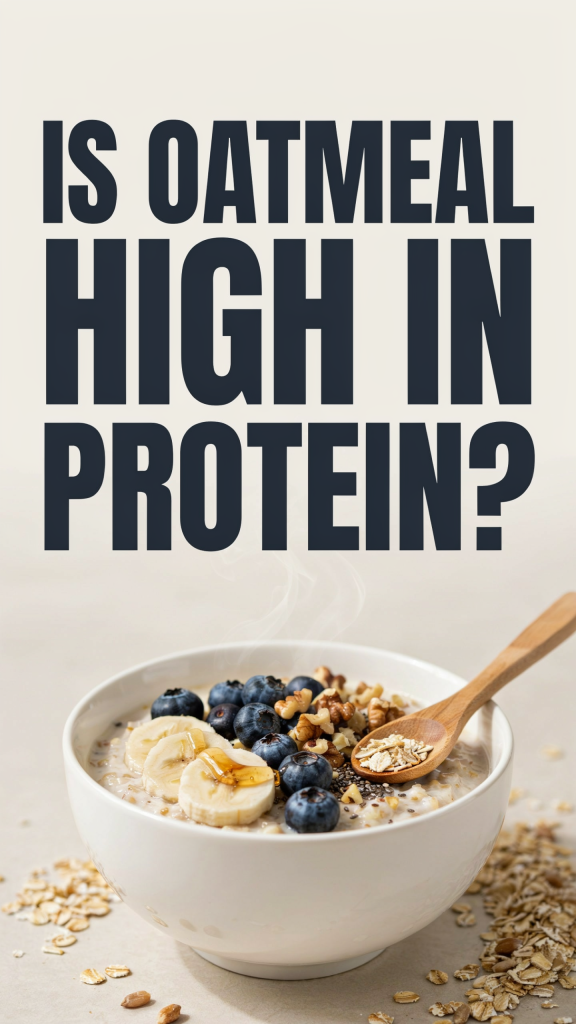
- Example high-protein bowl: 1/2 cup dry oats (7 g) cooked in 1 cup soy milk (+8 g) + 2 tbsp hemp seeds (+6 g) = ~21 g protein. That’s a realistic, balanced meal that uses everyday ingredients.
High‑Protein Oatmeal Recipes And Quick Meal Ideas
We like recipes that are fast, flexible, and easy to scale. Here are a few we use when we want protein-forward breakfasts.
- Creamy Hemp + Soy Overnight Oats (makes 1 serving)
- 1/2 cup rolled oats (~7 g)
- 1 cup unsweetened soy milk (~8 g)
- 3 tbsp hemp seeds (~10 g)
- Optional: 1 scoop vanilla pea protein (+20 g if desired)
- Combine in a jar, refrigerate overnight, stir in fresh fruit before eating. Rough protein: 25 g without powder, ~45 g with powder.
- Savory Egg-Stirred Steel-Cut Oats
- Cook 1/2 cup steel-cut oats in water to desired texture (~7 g)
- Off heat, temper in 1 whisked egg and 1 egg white (adds ~10–12 g), stir until custardy
- Finish with spinach, cherry tomatoes, and a sprinkle of feta. Great post-workout or lunch replacement.
- Greek Yogurt & Berry Hot Oats
- Cook 1/2 cup rolled oats in water
- Stir in 1/2 cup plain Greek yogurt (~10 g) and top with berries and 1 tbsp almond butter (+3–4 g). Total protein ~20–22 g.
- Peanut Butter & Protein Powder Microwave Bowl, 2 minutes
- 1/2 cup instant oats cooked with water (~7 g)
- Fold in 1 scoop whey or pea protein (+20 g) and 1 tbsp peanut butter (+4 g). Top with sliced banana.
These recipes show the range: from ~15 g protein (satisfactory for many people) to 40+ g when we stack powders and seeds. Pick combinations based on taste, dietary preference, and protein goals.
Who Should Rely On Oatmeal For Protein? Practical Guidance For Athletes, Vegans, And Weight‑Loss Plans
Oats are useful for many people, but how much should we rely on them as a primary protein source? Here’s practical guidance by group.
Athletes and strength trainers
- For recovery and muscle protein synthesis we generally recommend 20–40 g of high-quality protein within a couple hours after training. A plain bowl of oats (5–7 g) won’t cut it. But, oats can be an excellent carbohydrate base to pair with whey, dairy, or plant protein powders and seeds to reach the target.
- Quick plan: post-workout oatmeal with whey/pea protein + milk or Greek yogurt to hit 20–30 g.
Vegans and vegetarians
- Oats are a nutritious staple but not sufficient alone for lysine needs. Combining oats with soy foods, legumes, hemp seeds, or protein powders across meals ensures adequate essential amino acids.
- We recommend targeting multiple lysine-rich foods throughout the day rather than stressing about perfect combining at one meal.
Weight-loss and satiety-focused plans
- Oats are a great base because the soluble fiber (beta-glucan) promotes fullness and has metabolic benefits. To preserve lean mass while losing weight, aim for higher protein at meals: enhance oatmeal with Greek yogurt, nut butter, seeds, or protein powder to create a satiating bowl with 20+ g protein.
Older adults
- Protein needs increase with age to maintain muscle mass. A plain bowl of oats will likely be too low: adding dairy or protein powder to reach 25–30 g per meal helps preserve muscle and function.
Casual eaters and general health
- If we eat a varied diet with animal proteins, a plain bowl of oats can still be a healthy carbohydrate-rich breakfast. But if we expect oats to be the main protein source for the day, we should rethink that strategy.
Practical rule of thumb: treat oats as a quality carbohydrate and fiber source that contributes some protein: when you need a high-protein meal, pair oats with a concentrated protein source.
Conclusion
So, is oatmeal high in protein? Not by itself. A typical cooked bowl gives roughly 5–7 grams of protein and has lysine as the limiting amino acid. But oats are versatile, affordable, and pair extremely well with dairy, soy, eggs, seeds, legumes, and protein powders to create meals that meet higher protein targets. For athletes, older adults, vegans, or anyone aiming for weight loss with muscle retention, we recommend designing oatmeal bowls that hit 20+ grams of protein using one or more of the strategies above. Use oats for their fiber and slow carbs, then intentionally add lysine-rich or concentrated proteins when protein matters most.