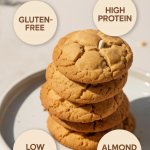
How To Make Almond Flour Cookies
When it comes to baking, we often look for recipes that not only taste great but also cater to various dietary preferences. Almond flour cookies have become a favorite for their unique flavor and nutritional benefits. Whether you’re gluten-free, diabetic, or simply trying to incorporate more healthy ingredients into our diets, almond flour offers a versatile foundation. In this guide, we’ll explore everything from the basics of almond flour to tips for perfect baking, ensuring our friends and family enjoy every bite.
Understanding Almond Flour
Almond flour is a fantastic alternative to traditional flour, especially for those who are gluten-sensitive or following a low-carb diet. Not only does it provide a unique flavor profile, but it also brings a host of nutritional benefits.
Types of Almond Flour
When we talk about almond flour, it’s essential to understand that not all almond flours are created equal. There are two main types: blanched and unblanched. Blanched almond flour is made from almonds that have had their skins removed. This type is smoother and works beautifully in cookies, providing a lighter texture. On the other hand, unblanched almond flour, made from whole almonds with skins included, retains a coarser texture. It can add a nuttier flavor and is excellent for heartier baked goods.
Nutritional Benefits of Almond Flour
Using almond flour instead of traditional flour can significantly boost our cookie recipes’ nutritional profile. Almond flour is rich in healthy fats, protein, and vital nutrients like Vitamin E and magnesium. Notably, its lower carb content makes it an excellent choice for those watching their sugar intake. This shift can lead to better blood sugar control and improved heart health. By choosing almond flour, we’re not just baking cookies: we’re making a healthier choice for ourselves and our families.
Basic Ingredients for Almond Flour Cookies
To whip up our almond flour cookies, we need to gather a few essential ingredients. These will set the stage for a delicious and satisfying treat.
Choosing the Right Sweetener
Sweeteners play a crucial role in any cookie recipe. While we can use traditional sugar, we can also opt for healthier alternatives like coconut sugar, honey, or stevia. Coconut sugar closely resembles brown sugar in flavor, giving our cookies a delightful taste without the spike in blood sugar levels associated with regular sugar. If we prefer a lower-calorie option, granulated erythritol can be an excellent choice.
Essential Binding Agents
Almond flour doesn’t contain gluten, which means we need to ensure our cookies hold together well. This is where binding agents come into play. Eggs are the most common binding agent used in almond flour cookies, providing moisture and structure. For those following a vegan lifestyle, we can substitute eggs with flaxseed meal mixed with water or unsweetened applesauce, both of which work surprisingly well.
Flavor Enhancements and Variations
With the basic ingredients in mind, let’s add some personality to our almond flour cookies. We can create a variety of flavors that cater to different tastes.
Classic Almond Flour Cookie Recipe
Here’s a straightforward recipe for classic almond flour cookies:
Ingredients:
- 2 cups of almond flour
- 1/2 cup of sweetener (coconut sugar or erythritol)
- 1/4 cup of coconut oil or butter, melted
- 2 large eggs
- 1 teaspoon of vanilla extract
- 1/2 teaspoon of baking soda
- A pinch of salt
Instructions:
- Preheat our oven to 350°F (175°C).
- In a mixing bowl, combine almond flour, sweetener, baking soda, and salt.
- In another bowl, whisk the eggs, melted coconut oil, and vanilla extract.
- Pour the wet ingredients into the dry ingredients, mixing until combined.
- Scoop rounded tablespoons of the dough onto a baking sheet lined with parchment paper.
- Flatten each cookie slightly with the back of a fork.
- Bake for 10-12 minutes or until golden around the edges.
- Let cool on the baking sheet for a few minutes before transferring to a wire rack.

Step-by-Step Baking Process
Baking almond flour cookies is simple yet requires our attention to detail:
- Mixing the Dough: Start with the dry ingredients before adding the wet. This ensures even distribution.
- Chilling the Dough (Optional): If we want thicker cookies, let the dough chill in the fridge for about 30 minutes before baking.
- Baking: Keep an eye on our cookies: they can go from perfectly baked to overdone rather quickly.
Tips for Baking Perfect Cookies
Baking can sometimes be a bit tricky, especially when switching to almond flour. Here are essential tips to ensure our cookies turn out perfectly every time.
Common Mistakes to Avoid
- Not Measuring Ingredients Correctly: Almond flour can be dense, so we should use a kitchen scale for accuracy rather than measuring cups.
- Overmixing the Dough: Mixing too much can lead to tougher cookies. We should mix until just combined.
- Ignoring Oven Temperature: Every oven is different. If we notice our cookies aren’t baking evenly, we might need to adjust the temperature or rotate the baking sheet halfway through.
- Using Costly Ingredients: Experiment with sweeteners and fats. Sometimes generic brands of almond flour or different brands of coconut oil can yield equally delicious results.
Storage and Shelf Life
Once our cookies are baked, we want to ensure they stay fresh and delicious. Proper storage is key.
Creative Ways to Use Almond Flour Cookies
- Freezing: Almond flour cookies freeze exceptionally well. We can store them in an airtight container for up to three months. When we’re ready to indulge, simply thaw them at room temperature.
- Pairing with Other Foods: These cookies can be delightful as a topping for yogurt or served alongside fresh fruit. We can even crumble them on salads for a surprising crunch.
Nutritional Information
When we choose almond flour cookies, we also make choices that can positively impact our nutrition. Here’s a general breakdown:
- Calories: Approximately 90-110 per cookie, depending on the sweetener used.
- Protein: Around 3 grams.
- Healthy Fats: Almond flour cookies contain mono- and polyunsaturated fats, which are good for heart health.
- Fiber: Almond flour is rich in fiber, aiding digestion and promoting satiety.
By understanding and embracing almond flour in our baking, we are not just creating delicious cookies: we’re also nourishing our bodies. Ready to get baking?