
Can You Get Enough Protein Without Eggs? Practical Strategies For Meeting Your Protein Goals In 2026
Eggs have long been shorthand for “easy protein”, they’re cheap, portable, and versatile. But in 2026 many of us avoid eggs for allergies, ethics, sustainability, or simply boredom. The good news: we can absolutely meet daily and performance-driven protein targets without eating eggs. In this text we’ll explain why eggs became synonymous with protein, how to calculate individualized protein needs, and which non-egg foods deliver complete amino profiles. We’ll cover animal and plant-based alternatives, practical meal-planning strategies, sample 1- and 3-day menus for different diets, supplement choices, and special considerations for seniors, athletes, pregnancy, and weight loss. By the end, you’ll have a realistic, flexible toolkit to hit your protein goals reliably, whether you’re vegan, vegetarian, or an omnivore who’s simply cutting eggs out.
Why Eggs Are So Commonly Seen As The Go-To Protein Source
Eggs earned their reputation because they check a lot of boxes: roughly 6–7 grams of high-quality protein per large egg, a complete amino acid profile, low cost, long shelf life, and huge culinary versatility. For decades nutrition science pointed to the egg as a near-perfect minimal food for meeting protein and micronutrient needs, so cultural habits and meal templates (scrambles, omelets, hard-boiled snacks) reinforced that view.
But the dominance of eggs is partly historical and practical, not absolute. Many cultures have relied on other staples (legumes, dairy, fish, pulses, tofu) as primary protein sources for centuries. Eggs are convenient, which makes them an easy solution for busy mornings and portable meals: that convenience is a big reason they became a default recommendation in dietary guidance and meal planning.
Finally, eggs are marketed effectively and used in countless processed foods, which increases perceived ubiquity. That visibility doesn’t mean they’re necessary. Understanding why eggs became the go-to helps us replicate their advantages, convenience, quality, and cost-effectiveness, with alternative foods when we choose to avoid them.
How Much Protein Do You Actually Need? Calculating Targets By Goal And Body Size
Protein needs vary by body size, activity level, and goals. The simple baseline most public health agencies give is 0.8 grams per kilogram of body weight per day for sedentary adults, enough to prevent deficiency but not optimized for muscle maintenance or growth. For practical planning we prefer ranges tailored to goals:
- Sedentary or general health: 0.8–1.0 g/kg/day
- Recreational exercisers & general strength maintenance: 1.2–1.6 g/kg/day
- Endurance athletes: 1.2–1.8 g/kg/day
- Strength athletes or muscle gain: 1.6–2.2 g/kg/day
- Caloric deficit/weight loss (to protect lean mass): 1.6–2.4 g/kg/day
Weight-based targets are the most useful. For example, a 75 kg (165 lb) recreational athlete aiming for 1.6 g/kg would target ~120 g protein daily. We also think about protein distribution: aim for 20–40 g of protein per meal across 3–4 feedings to optimize muscle protein synthesis. Practical tracking can use a food app or a simple diary: the key is consistency and gradual adjustments based on progress and how you feel.
Complete Amino Acids: Do You Need Eggs To Get A Complete Protein Profile?
“Complete protein” means a food contains adequate amounts of all nine essential amino acids. Eggs are complete, which helped their reputation, but they aren’t the only complete sources. Most animal proteins, meat, poultry, fish, dairy, are complete. Among plants, soy and quinoa are complete proteins on their own.
Do we need a single complete food at every meal? Not necessarily. Research shows that combining complementary plant proteins across the day achieves an adequate amino acid profile. For instance, rice (low in lysine) paired with lentils or beans (higher in lysine) creates a complementary mix. We don’t have to worry about blending at every meal: eating a variety over the day or within 24 hours typically suffices.
That said, if we’re relying heavily on a single plant staple (say, only cereals or only potatoes), we may fall short on specific amino acids. Practical solutions: include at least one higher-quality protein at a few meals (soy, dairy, pea protein, or animal-derived if applicable), or use protein-fortified foods and supplements to top up limiting amino acids like lysine and methionine.
Animal-Based Alternatives To Eggs: Dairy, Meat, Poultry, Fish, And Seafood
If we avoid eggs but still eat animal products, we have many efficient protein sources. Dairy: Greek yogurt, skyr, cottage cheese, and milk are protein-dense and versatile. A typical 6–oz serving of Greek yogurt contains 15–20 g protein: cottage cheese delivers similar amounts and works well savory or sweet.
Meat and poultry: Lean cuts of beef, pork, and chicken provide 20–30 g of protein per 3–4 oz cooked serving. Ground turkey or chicken is especially flexible for quick meals. Fish and seafood: salmon, tuna, cod, shrimp, and scallops pack ~20–25 g per 3–4 oz cooked portion, plus beneficial omega-3s in fatty fish.
We recommend rotating sources for variety in micronutrients and to avoid monotony. Practical tips: pre-cook lean proteins for easy assembly, portion out servings (3–4 oz cooked), and keep canned options (tuna, salmon, sardines) on hand for rapid protein boosts without eggs.
Plant-Based Protein Powerhouses: Legumes, Soy, Grains, Nuts, Seeds, And More
Plant proteins can meet all needs if we plan. Key high-protein plant foods include:
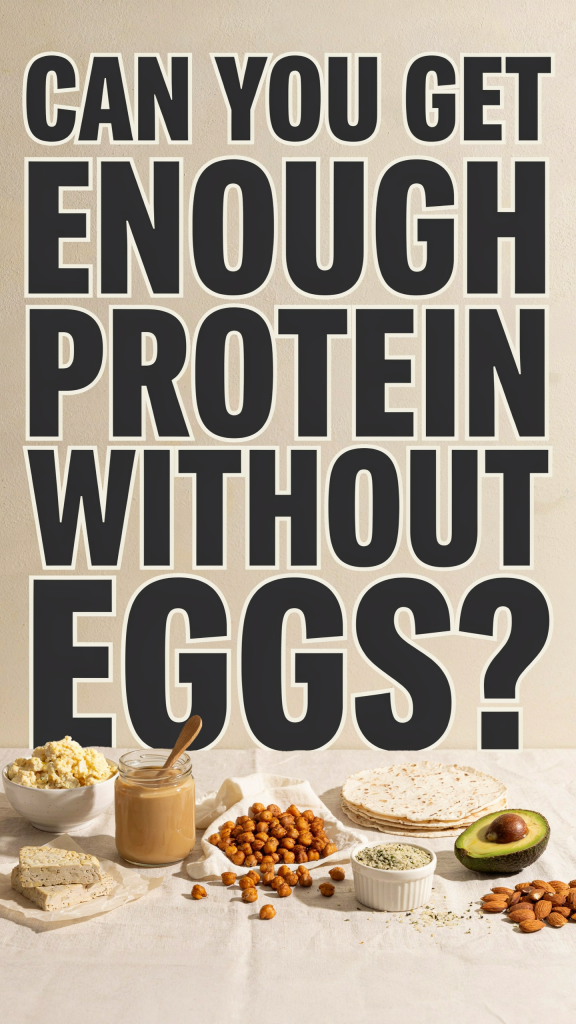
- Legumes: Lentils (~18 g cooked per cup), chickpeas (~15 g), black beans (~15 g). They’re also fiber-rich and affordable.
- Soy: Tofu (10–20 g depending on firmness), tempeh (~15–20 g per 3 oz), edamame (~17 g per cup), soy foods are unique for complete amino profiles.
- Grains: Quinoa (~8 g per cup cooked), farro, and higher-protein breads/pastas help increase intake.
- Nuts & seeds: Almonds, peanuts, pumpkin seeds are protein dense but calorie-dense: 1/4 cup of almonds gives ~7–8 g.
- Novel plant proteins: Pea protein, fava beans, and lupin are increasingly used in plant-based products and protein powders.
Practical strategy: pair legumes with grains or add a soy product most days. For example, a grain bowl with lentils, quinoa, and roasted veggies plus a tahini dressing gives balanced protein and fat. Use nuts/seeds as snacks or toppings. When we need concentrated protein (athletic training or weight loss), pea or soy isolates can be very helpful.
Meal-Planning Strategies To Hit Protein Targets Without Eggs
Consistent protein intake requires intentional choices, not luck. We use a few rules to make non-egg meal-planning predictable:
- Start with a protein anchor: For every meal, pick a primary protein source (legumes, tofu, Greek yogurt, chicken, fish, tempeh). Aim for 20–40 g per main meal depending on your target.
- Build combinations: Pair complementary plant foods (rice + beans, hummus + whole-grain pita) or add dairy/soy for vegetarians.
- Snack smart: Choose high-protein snacks, Greek yogurt, cottage cheese, edamame, roasted chickpeas, beef jerky, or a protein shake. Snacks should supply 8–15 g protein to smooth total intake.
- Batch cook and portion: Prepare protein-rich staples (lentil stew, tempeh scramble, roasted chicken breast) in advance and pack portions. That reduces reliance on eggs as a quick fix.
- Monitor meal timing and distribution: Spread protein across meals, three meals plus one or two protein-rich snacks often hits daily targets better than a single protein-heavy meal.
- Use fortified and convenience options: High-protein breads, plant-based yogurts with added protein, and canned fish make meeting goals easier without eggs.
Sample 1-Day And 3-Day Meal Plans (Vegetarian, Vegan, And Omnivore Options)
Here are practical sample menus that avoid eggs while meeting typical protein targets. Portions and totals are approximate: adjust for your weight and goals.
1-Day Vegetarian (~120 g protein target)
- Breakfast: Greek yogurt parfait with 3/4 cup Greek yogurt (18 g), 2 tbsp hemp seeds (6 g), berries, ~24 g
- Snack: Cottage cheese (1/2 cup, 14 g) with cucumber, ~14 g
- Lunch: Lentil salad (1 cup cooked lentils, 18 g) + quinoa (1/2 cup cooked, 4 g), ~22 g
- Snack: Protein shake (20 g pea or whey), ~20 g
- Dinner: Tempeh stir-fry (6 oz tempeh, ~30 g) with vegetables, ~30 g
Total ~110 g (increase portions/shake to hit 120 g)
1-Day Vegan (~110–130 g)
- Breakfast: Overnight oats with 1 scoop pea protein (20 g) + 2 tbsp peanut butter (7 g), ~27 g
- Snack: Edamame (1 cup, 17 g), ~17 g
- Lunch: Chickpea & quinoa bowl (1 cup chickpeas 15 g + 1 cup quinoa 8 g), ~23 g
- Snack: Roasted pumpkin seeds (1/4 cup, 9 g), ~9 g
- Dinner: Seitan (4 oz, 24 g) with veg, ~24 g
Total ~100 g, increase portions or add another shake for higher targets
3-Day Omnivore (varied protein sources)
Day 1: Salmon dinner, turkey sandwich lunch, Greek yogurt breakfast
Day 2: Chicken breast, lentil soup, cottage cheese snack
Day 3: Tuna salad, tempeh stir-fry, milk/porridge breakfast
These menus show we can mix plant and animal sources or be fully plant-based and still meet protein goals without eggs. We recommend adjusting portions and adding a protein shake for tight targets or heavy training days.
Protein Supplements And Powders: When They Help And How To Choose One
Supplements aren’t mandatory, but they’re practical when whole foods can’t cover increased needs, during intense training, travel, or restrictive eating. Whey protein remains a gold standard for digestibility and amino acid profile, especially leucine, which drives muscle protein synthesis. For plant-based options, pea protein, soy isolate, and blended vegetable proteins (rice + pea) provide competitive amino profiles. Key selection criteria:
- Protein per serving: Aim for 20–30 g per scoop if using for recovery or meal replacement.
- Amino acid profile: Look for products with higher leucine (2–3 g) for muscle-building goals.
- Ingredient list: Fewer additives, lower sugar, minimal artificial flavors. For vegans, check for cross-contamination with dairy if allergy is a concern.
- Solubility & taste: Try single-serving samples where possible: flavor and mixability matter for adherence.
- Third-party testing: Choose products certified by NSF, Informed-Sport, or USP if you’re competing or want purity assurance.
We recommend using supplements to fill gaps, not as the only strategy. Pair a protein shake with whole-food routines: it’s an accelerator, not a replacement for varied foods.
Special Considerations: Seniors, Athletes, Pregnancy, And Weight Loss
Different life stages and goals change our protein priorities. Seniors: age-related muscle loss means higher per-meal and daily protein needs: many experts recommend 1.2–1.5 g/kg/day and emphasize leucine-rich sources and distribution across meals to preserve strength and mobility.
Athletes: training load dictates targets. Strength athletes benefit from 1.6–2.2 g/kg and timing protein intake around workouts (within ~2 hours) to support recovery. Endurance athletes can prioritize slightly lower amounts but should still aim for 1.2–1.8 g/kg and focus on carbohydrate–protein blends for glycogen restoration.
Pregnancy: protein needs increase (roughly +25 g/day in the second and third trimesters). We prioritize high-quality sources and iron/folate-rich complementary foods. Plant-based pregnant people should plan carefully to meet micronutrient needs and consult healthcare providers for supplements.
Weight loss: higher protein (1.6–2.4 g/kg) helps preserve lean mass and increase satiety. Because eggs are often used in weight-loss plans, we suggest substituting with lean dairy, poultry, fish, or concentrated plant proteins to reach elevated targets while controlling calories.
In all these groups, personalization matters. We advise consulting a registered dietitian or clinician when conditions, medications, or pregnancy complicate needs.
Practical Tips, Common Pitfalls, And Conclusion
Practical tips
- Plan each meal around a protein anchor and aim for consistent portions across the day. This reduces the temptation to revert to eggs simply because they’re convenient.
- Keep easy, protein-dense staples on hand: canned tuna/salmon, Greek yogurt, tofu, tempeh, pre-cooked legumes, and shelf-stable protein powders.
- Use weighing or visual portions: a 3–4 oz cooked portion of meat or fish is about the size of a deck of cards: a cup of Greek yogurt is a ready metric for 15–20 g protein.
- Snack with intention: choose 8–20 g protein snacks to smooth totals and prevent overeating later.
Common pitfalls
- Underestimating plant protein: assuming a bowl of rice or pasta is enough without added legumes or protein leads to gaps. Track for a few days to spot shortfalls.
- Over-relying on high-calorie protein sources: nuts and seeds are great but calorie-dense, balance them with leaner options when losing weight.
- Ignoring distribution: consuming most protein in one meal reduces muscle-building efficiency: spread intake across meals.
Conclusion
We don’t need eggs to meet protein targets. With intentional planning, choosing complete proteins (or complementary plant combinations), using dairy or fortified plant options when appropriate, and employing protein supplements for tight needs, we can reliably hit goals for health, sport, or weight management. The strategy is simple: prioritize a protein anchor at each meal, vary sources for nutrients and enjoyment, and adjust portion sizes to your personal target. Do that, and eggs become an option, not a requirement.

