The 1 Anti-Inflammatory Fix For Bloating: A Practical, Science‑Backed Plate To Reduce Gas And Puffiness
Bloating is one of those everyday problems that feels personal and mysterious: you can eat the same meal two days in a row and only one of them leaves you puffy and uncomfortable. Over the last decade research has clarified that much of this discomfort comes from low‑grade inflammation in the gut and from diet patterns that encourage gas production, water retention, or both. In this text we’ll focus on the #1 anti‑inflammatory fix for bloating: building an anti‑inflammatory plate. That’s more than a list of “good” and “bad” foods, we’ll show the biology behind inflammatory bloating, the key nutrients to include, exact foods to avoid, a simple 7‑day meal template with fast swaps, lifestyle pairings that amplify results, and when to seek professional help. Our goal is practical: give you a usable eating pattern and habits you can test this week and that are supported by current science.
What Causes Inflammatory Bloating? The Biology Behind Puffiness And Gas
Bloating isn’t a single diagnosis, it’s a symptom with multiple biological contributors. When we call it “inflammatory bloating” we’re referring to swelling and gas driven in part by immune signaling, altered gut microbiota, and dietary triggers that provoke a low‑grade inflammatory response.
At the mucosal level, the gut lining interacts constantly with food particles and microbes. If those interactions lean toward activation, because of irritants, an imbalance of microbiota, or heightened immune sensitivity, immune cells release cytokines (like IL‑6 and TNF‑alpha) that increase local fluid accumulation and change intestinal permeability. A slightly leakier gut allows more bacterial fragments and antigens to contact immune cells, perpetuating mild inflammation and sensations of discomfort.
Gas production is frequently microbial. Fermentation of poorly absorbed carbohydrates (FODMAPs) by colonic bacteria produces hydrogen, methane, and carbon dioxide. In people whose motility is slow or whose gas clearance is reduced, that gas accumulates and causes distention. Importantly, the same fermentation process can shift the microbiome toward species that promote inflammation if those species thrive on ultra‑processed, high‑sugar diets.
Edema, fluid retention, can also make us feel bloated. Inflammation alters sodium and water handling locally and systemically: corticosteroid signaling and certain dietary patterns (high refined carbs, excess sodium) can promote puffiness.
Finally, visceral hypersensitivity, heightened perception of normal gut sensations, means people may feel bloated even when abdominal circumference changes little. Central nervous system stress pathways (the brain‑gut axis) interact with immune signaling, so psychological stress can worsen inflammatory signals and perception of bloating.
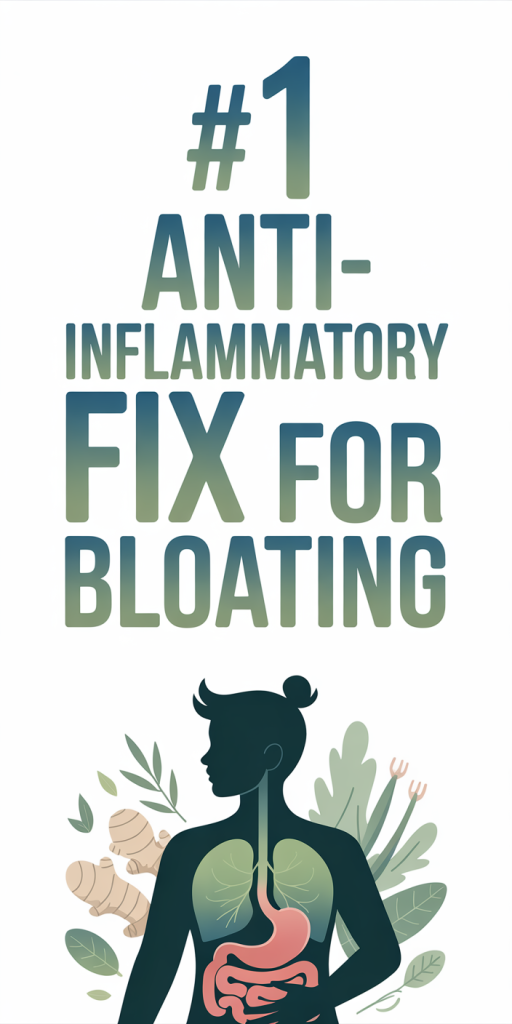
In short: inflammatory bloating arises from a mix of immune activation, microbiome fermentation, fluid shifts, and nervous system sensitivity. Our interventions aim at those mechanisms: reduce pro‑inflammatory inputs, promote beneficial microbes, and support normal motility and barrier function.
The 1 Anti-Inflammatory Fix: Build An Anti‑Inflammatory Plate
The simplest, most effective change we can make quickly is to redesign our plate. An anti‑inflammatory plate emphasizes whole, minimally processed foods rich in omega‑3 fatty acids, polyphenols, fiber (balanced for tolerance), and fermented items to support barrier function and microbiota. It downplays high‑FODMAP triggers for sensitive people, refined carbohydrates, and industrial seed oils that can promote inflammation when consumed in excess.
This dietary approach isn’t a short fad: it’s a pattern that combines mechanisms known to reduce systemic inflammation, improve microbial diversity, and lower fermentable load when needed, all of which reduce gas and puffiness for many people.
We’ll break the plate down into what to include and what to avoid so you can assemble meals fast and confidently. The target is not perfection but consistent, measurable improvement over 1–2 weeks.
How To Implement It: A Simple 7‑Day Meal Template And Swaps For Fast Relief
We built this 7‑day template to be practical: simple breakfasts, flexible lunches and dinners, and swaps you can make if a food triggers symptoms. Portion sizes should reflect your energy needs, but the pattern, protein + low‑irritant fiber + healthy fat + polyphenol‑rich veg, remains the same.
Day 1–3: Reset phase (low fermentable load + anti‑inflammatory focus)
- Breakfast: Overnight oats made with rolled oats (small portion if FODMAP‑sensitive), chia, almond milk, a handful of blueberries, and a teaspoon of ground flaxseed (omega‑3). If oats are problematic, swap for a buckwheat porridge.
- Lunch: Grilled salmon salad (mixed leafy greens, cucumber, carrots, a quarter avocado, olive oil + lemon). Salmon gives EPA/DHA to reduce inflammation: olive oil supplies anti‑inflammatory monounsaturated fat.
- Dinner: Baked chicken thighs with roasted carrots and zucchini, a side of steamed spinach and a small serving of quinoa. Add fermented side: a couple tablespoons of plain, low‑sugar yogurt or a small scoop of sauerkraut if tolerated.
- Snacks: A small handful of walnuts, a clementine (or low‑FODMAP fruit like kiwi), or cucumber slices with hummus (watch portion if FODMAP‑sensitive).
Day 4–7: Diversity and maintenance (reintroduce slowly: watch response)
- Breakfast: Greek yogurt (plain) with a few raspberries, a sprinkle of ground flaxseed, and cinnamon. If dairy is reactive, use lactose‑free yogurt or fermented coconut yogurt with added probiotics.
- Lunch: Lentil soup (use canned or well‑soaked lentils to reduce lectins and fermentation) with turmeric, ginger, and a side salad.
- Dinner: Mackerel or sardines with sautéed bok choy, roasted sweet potato (small quantity if carbohydrate sensitivity), and a drizzle of extra virgin olive oil.
- Snacks: Carrot sticks with tahini, a small apple with almond butter (test for tolerance), or probiotic kefir if dairy is tolerated.
Practical swaps to reduce bloating fast
- Swap wheat bread for sourdough or spelt (fermentation in sourdough reduces FODMAPs and can be easier to digest).
- Replace soda, beer, and carbonated drinks with sparkling water infused with citrus, avoid artificial sweeteners, which can worsen gas for some.
- Trade deep‑fried or ultra‑processed ready meals for whole‑food equivalents: e.g., oven‑baked fish fingers made with whole‑grain crumbs and olive oil.
- If legumes cause gas, use canned lentils (rinsed) or pressure‑cook dried beans and start with 1–2 tablespoons per meal, increasing slowly while taking note of symptoms.
Eating tips for immediate symptom control
- Chew slowly and put your fork down between bites: aerophagia (swallowed air) adds to bloating.
- Avoid large meals late at night, give your digestive system 2–3 hours before lying down.
- Try warm liquids (ginger tea or hot water with lemon) after meals to promote motility.
We recommend trying this template for one week and keeping a simple symptom log: foods, timing, and bloating severity (1–10). That will help identify patterns and which swaps benefit you most.
Lifestyle Pairings That Amplify Results: Sleep, Stress, Movement, And Gut Care
Diet is necessary but rarely sufficient. To maximize the anti‑inflammatory plate’s effect, we pair it with lifestyle changes that influence the same biological pathways.
Sleep: Poor sleep elevates systemic inflammatory markers (like CRP) and disrupts gut microbiome rhythms. Aim for consistent sleep timing and 7–9 hours per night. Even two nights of shortened sleep increase gut permeability and inflammatory signaling, so prioritize sleep when addressing bloating.
Stress management: The brain‑gut axis is central to inflammatory bloating. Psychological stress heightens visceral sensitivity and may increase cytokine release. Daily stress‑reducing practices, 10–20 minutes of breathwork, brief mindfulness, or a short walk outdoors, lower autonomic arousal and often reduce post‑meal bloating within days.
Movement and motility: Light aerobic exercise stimulates colonic motility and gas transit. A 20–30 minute brisk walk after meals can reduce sensation of fullness and speed transit of gas. Avoid intense exercise immediately after large meals: gentle movement is preferable.
Hydration and sodium balance: Adequate hydration supports bowel regularity and prevents water retention from concentrated sodium intake. We encourage drinking plain water throughout the day and limiting processed foods high in sodium.
Targeted gut care: Probiotics and prebiotics can help, but responses are individual. For many with inflammatory bloating, single‑strain probiotics (e.g., specific Bifidobacterium or Lactobacillus strains) show small but consistent benefits for bloating and gas. Fermented foods, yogurt, kefir, sauerkraut, kimchi, introduce live microbes and bioactive compounds that support barrier function: introduce them in small amounts and watch response.
Medication and supplement considerations: We use supplements judiciously, omega‑3 fish oil (1–2 g combined EPA+DHA daily) has anti‑inflammatory effects in trial data: curcumin (with black pepper for absorption) can reduce GI inflammation for some people: digestive enzymes or alpha‑galactosidase (Beano) can help with legume‑related gas. Always evaluate for interactions with prescriptions and consult your clinician before starting new supplements.
When we combine the plate with improved sleep, stress reduction, light movement, and mindful hydration, results are faster and more durable than diet alone.
When To See A Professional And Safety Considerations (Medications, Allergies, IBS)
While many people can reduce inflammatory bloating with dietary and lifestyle changes, there are important scenarios where professional care is needed.
Red flags requiring prompt medical evaluation
- Unintentional weight loss greater than 5% in 3–6 months
- Gastrointestinal bleeding (black or bloody stools)
- Severe, progressive abdominal pain
- New onset of symptoms after age 50
- Recurrent vomiting or obstruction signs
If any of these occur, we recommend immediate medical assessment.
Medication interactions and safety
- If you’re on anti‑inflammatory drugs, anticoagulants, or immunosuppressants, discuss dietary supplements (like high‑dose fish oil or curcumin) with your prescribing clinician because of bleeding risk or interaction potential.
- Proton pump inhibitors (PPIs) and antibiotics alter gut microbiota and can change bloating patterns. If PPI use is chronic, evaluate necessity with a clinician, long‑term use can increase small intestinal bacterial overgrowth (SIBO) risk, which presents with bloating and gas.
Allergies and intolerances
- True IgE‑mediated food allergies can cause bloating but usually include other immediate symptoms (hives, swelling, breathing difficulty). If you suspect an allergy, seek allergy testing.
- Non‑IgE food intolerances (lactose intolerance, FODMAP sensitivity) are common causes of bloating. For lactose intolerance, lactase enzyme or lactose‑free dairy solves the issue. For FODMAP sensitivity, we recommend a structured low‑FODMAP elimination and reintroduction guided by a registered dietitian to identify specific triggers while maintaining a diverse diet.
Irritable bowel syndrome (IBS) and SIBO
- IBS commonly presents with bloating and altered bowel habits: many people with IBS benefit from a low‑FODMAP approach, targeted probiotics, and neuromodulatory strategies for visceral hypersensitivity.
- SIBO (small intestinal bacterial overgrowth) causes significant gas and bloating: diagnosis requires breath testing and treatment differs (antibiotics or targeted botanical regimens plus dietary management). Work with a gastroenterologist or knowledgeable clinician for testing and management.
Working with a dietitian and clinician
- A registered dietitian skilled in gut health helps tailor the anti‑inflammatory plate to your needs, balancing fiber for regularity without overloading fermentable carbs, adjusting for allergies, and optimizing nutrient intake.
- If you have chronic conditions (inflammatory bowel disease, celiac disease, diabetes, heart disease), coordinate dietary change with your medical team to ensure safety and medication adjustments.
We recommend seeking professional help if your bloating is severe, persistent, or accompanied by red‑flag symptoms, or if you’re considering significant supplements or restrictive diets.
Conclusion
Bloating driven by low‑grade inflammation responds well to a focused, practical change: build an anti‑inflammatory plate that combines omega‑3s, polyphenol‑rich vegetables and fruits, tolerable fiber, fermented foods, and healthy fats while limiting high‑FODMAP triggers, ultra‑processed foods, and inflammatory oils. Pair that plate with consistent sleep, stress management, gentle movement, and mindful hydration, and you’ll often see measurable reductions in gas and puffiness within a week.
Start with the 7‑day template, keep a short symptom log, and iterate using the swaps we suggested. If symptoms persist, worsen, or are accompanied by red‑flag signs, consult a clinician and dietitian for targeted testing and individualized care. With a few strategic shifts in what we plate up, and how we live, we can reclaim comfort and reduce inflammatory bloating for good.