11 Everyday Symptoms That Might Be Telling You Something’s Off — What To Watch For
We often write off small, persistent symptoms as the cost of a busy life: a little fatigue after a late night, some bloating after weekend takeout, or the occasional brain fog when deadlines pile up. But sometimes these everyday complaints are the body’s way of flagging an internal issue before it becomes urgent. In 2026, with better access to data and more routine testing available, recognizing which common signs deserve attention can help us catch chronic conditions earlier, manage them more effectively, and avoid unnecessary complications.
In this text we’ll walk through 11 everyday symptoms that may indicate something more serious is happening internally. For each symptom we’ll explain possible causes, when to be concerned, which initial tests or actions to consider, and practical steps we can take while waiting for professional evaluation. This isn’t a substitute for medical advice, but a practical guide to help us decide when to act, and how to talk to our clinicians so we get timely, focused care.
Persistent Fatigue That Doesn’t Improve With Rest
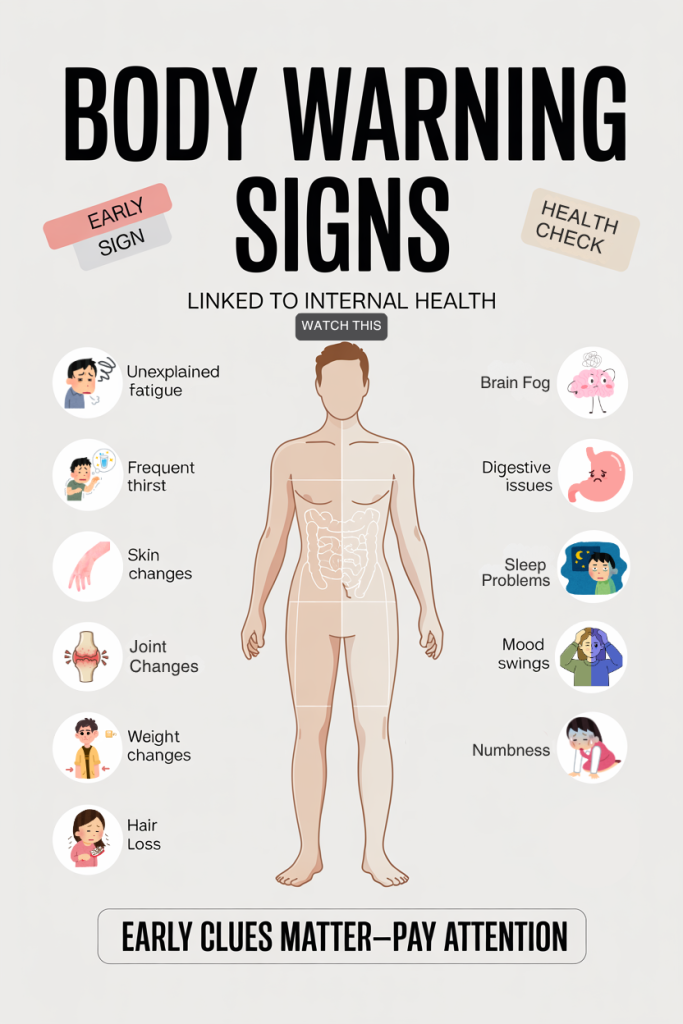
Fatigue is one of the most common complaints we hear, and the trickiest. Everyone feels tired sometimes, but when fatigue persists even though adequate sleep, nutrition, and reduced stress, it can signal an underlying medical problem.
Possible causes
- Endocrine issues: Hypothyroidism and adrenal insufficiency often present with persistent tiredness. Thyroid hormone regulates metabolism: when levels are low we may feel heavy and sluggish. Adrenal problems affect stress-response hormones and can flatten energy across the day.
- Anemia: Low hemoglobin reduces oxygen delivery to tissues and causes exhaustion, weakness, and shortness of breath on exertion.
- Sleep disorders: Obstructive sleep apnea (OSA) causes fragmented sleep even when total sleep time looks adequate. We may wake unrefreshed and chronically sleepy.
- Chronic infections and inflammatory conditions: Conditions such as chronic hepatitis, mononucleosis, autoimmune diseases, or prolonged COVID-19 can cause lingering fatigue.
- Mental health: Depression and anxiety commonly sap energy, sometimes they’re the primary driver, sometimes a co-traveler.
When to be concerned
Seek evaluation if fatigue lasts longer than two weeks without a clear cause, if it’s progressive, or if it’s accompanied by other red flags such as unexplained weight loss, fevers, new weakness, or cognitive changes.
Initial tests and actions
A primary care clinician will typically order a basic panel: CBC (to check for anemia), TSH (thyroid), CMP (metabolic panel, including liver and kidney function), and sometimes ESR/CRP (markers of inflammation). If sleep apnea is suspected, a sleep study may be recommended. Mental health screening is valuable and often underused. We should track sleep, diet, activity, and mood for a couple of weeks, these observations help clinicians pinpoint next steps.
Practical steps while waiting
- Prioritize consistent sleep timing and a wind-down routine.
- Reduce late-night screen time and caffeine after mid-afternoon.
- Maintain light exercise (walking, gentle yoga) which often improves energy.
- Keep a symptom diary noting patterns, fatigue that worsens after exertion, for example, suggests a different set of causes than post-sleep fatigue.
Bottom line: persistent fatigue shouldn’t be dismissed as “just stress.” It’s a common early signal of treatable disorders, and a few basic tests can often reveal the source.
Unexplained Weight Loss Or Gain
Weight changes can be intentional, but when they happen without diet or lifestyle shifts, they deserve attention. Both unexplained weight loss and weight gain are broad clues that something internal is changing.
Unexplained weight loss
Causes can range from hyperthyroidism (where an overactive thyroid speeds metabolism) to malabsorption syndromes (like celiac disease), chronic infections, malignancy, or psychiatric causes such as depression. Rapid unintentional loss, more than 5% of body weight in six to twelve months, should prompt medical evaluation.
Unexplained weight gain
Gain without clear reason may come from hypothyroidism, fluid retention due to heart or kidney disease, medication side effects (antidepressants, steroids, some diabetes drugs), or endocrine disorders such as Cushing’s syndrome. Sometimes weight gain reflects reduced activity from pain or mobility problems.
Red flags and timing
If weight change is rapid, paired with other symptoms (night sweats, persistent cough, abdominal pain, new medications, or mood shifts), or impacts daily function, we should get checked. Older adults are particularly vulnerable, unexplained weight loss in elders often precedes functional decline.
What clinicians will check
Expect a focused review of systems and medication list. Tests commonly include TSH, CBC, basic metabolic panel, liver tests, HbA1c (to screen for blood sugar issues), and depending on symptoms, celiac serology, inflammatory markers, or imaging. A review of recent medication changes is essential.
What we can do now
- Keep a log of weight, appetite, bowel habits, and new meds.
- Evaluate for reversible causes: poor dentition, difficulty swallowing, or food insecurity.
- If medications are suspected, consult our clinician before stopping anything.
Takeaway: unexplained weight change is not trivial. It’s a diagnostic clue that can help uncover metabolic, infectious, psychiatric, or malignant processes early, usually with straightforward tests.
Digestive Changes: Bloating, Chronic Heartburn, Or Altered Stools
Digestive symptoms are incredibly common and often benign, but persistent or progressive changes demand attention. Bloating, chronic heartburn, diarrhea, constipation, and changes in stool appearance can reflect everything from dietary issues to serious internal disease.
Common causes
- Functional disorders: Irritable bowel syndrome (IBS) causes alternating bowel habits and bloating without clear structural disease. Symptoms often relate to stress and diet triggers.
- Gastroesophageal reflux disease (GERD): Frequent heartburn, regurgitation, or chest discomfort suggests reflux. Untreated GERD can lead to esophagitis or Barrett’s esophagus.
- Malabsorption: Chronic diarrhea with weight loss and nutrient deficiencies suggests malabsorption, celiac disease, pancreatic insufficiency, or small intestinal bacterial overgrowth (SIBO).
- Inflammatory bowel disease (IBD): Persistent diarrhea, blood in stool, abdominal pain, and systemic symptoms (fever, weight loss) are concerning for Crohn’s or ulcerative colitis.
- Medication and infection causes: Antibiotics, laxative overuse, or infections (bacterial, parasitic) can alter bowel habits.
When to seek care
Urgent evaluation is warranted for severe abdominal pain, bloody stools, prolonged vomiting, unintentional weight loss, or signs of dehydration. For chronic symptoms lasting more than four to six weeks, we should arrange primary care follow-up for targeted testing.
Initial evaluation and tests
Clinicians often start with stool studies (occult blood, ova and parasites if indicated), basic labs (CBC, CMP), celiac serology, and H. pylori testing for persistent heartburn. For ongoing symptoms, endoscopy or colonoscopy may be recommended based on age, family history, and warning signs.
Practical self-care
- Try an elimination approach for common triggers: high FODMAP foods, excessive fatty foods, or alcohol.
- Maintain fiber consistency, too little or too much can worsen symptoms.
- For reflux, avoid late meals, elevate the head of the bed, and reduce acidic foods.
We should treat chronic digestive changes as signals, not nuisances. A few targeted tests can clarify whether lifestyle tweaks are enough or whether further investigation is required.
Frequent Urination Or Excessive Thirst
Increased thirst and urination are classic symptoms that often point to imbalances in fluid regulation or blood sugar control. They’re easy to overlook, but they can indicate significant internal disease.
Common causes
- Diabetes mellitus: Both type 1 and type 2 diabetes commonly present with polyuria (frequent urination) and polydipsia (excessive thirst) due to elevated blood glucose causing osmotic diuresis.
- Diabetes insipidus: A rarer condition where kidneys can’t concentrate urine, leading to excessive urination and thirst even though normal blood sugar.
- Medications and diuretics: Some blood pressure drugs, lithium, and excessive caffeinated beverages promote diuresis.
- Urinary tract issues: Recurrent infections or bladder conditions can increase frequency (though usually without thirst).
When to be concerned
Seek prompt testing if thirst and urination start suddenly, are severe, or are accompanied by weight loss, blurred vision, or confusion, these can signal hyperglycemia or diabetic emergencies. For milder, longer-term changes, arrange routine evaluation.
Initial tests and workup
A fasting glucose, HbA1c, and basic metabolic panel are standard first steps. A simple urine dipstick can detect glucose, ketones, or infection. If diabetes insipidus is suspected, further endocrine testing including serum sodium and urine osmolality may be necessary.
What we can do now
- Check a home glucose reading if available, an elevated random glucose reading should prompt urgent follow-up.
- Review medications that may cause polyuria.
- Stay hydrated but avoid excessive sugary drinks: water is best.
Bottom line: new, persistent thirst and frequent urination are classic metabolic warning signs. Early testing is simple and can prevent acute complications.
Persistent Cough, Shortness Of Breath, Or New Wheezing
Respiratory symptoms such as a chronic cough, unexplained shortness of breath (dyspnea), or new wheeze often start as minor annoyances but can reflect important underlying disease.
Possible causes
- Asthma and COPD: New wheeze or chronic cough with exertional shortness of breath fits obstructive lung diseases. Smoking history is a major clue for COPD.
- Infections: Persistent cough after a respiratory infection can linger, but a cough lasting more than eight weeks should be evaluated. Tuberculosis remains a consideration in certain populations.
- Heart-related causes: Heart failure and cardiomyopathies can present with exertional dyspnea and chronic cough due to pulmonary congestion.
- Interstitial lung disease and pulmonary fibrosis: Progressive shortness of breath and dry cough, particularly in older adults, warrant imaging.
- Medication side effects: ACE inhibitors commonly cause a persistent dry cough.
When to seek care
Shortness of breath at rest, chest pain, significant decline in exercise tolerance, or coughing up blood are urgent signs. For chronic, progressive symptoms, we should see our clinician for evaluation.
Tests and typical workup
Pulmonary function tests (spirometry) are foundational for suspected asthma or COPD. Chest X-ray (and sometimes CT) helps evaluate infections, interstitial disease, or heart enlargement. An ECG and BNP level can assess for cardiac causes. A medication review may reveal ACE inhibitor–related cough.
Practical steps
- Stop smoking and avoid irritants, this is the single most impactful change for many respiratory conditions.
- Use prescribed inhalers correctly: technique matters.
- Track symptom triggers (cold air, exercise, certain environments) to share with clinicians.
Takeaway: persistent respiratory symptoms aren’t just annoying, they can reflect lung, heart, or medication-related issues. Timely evaluation prevents progression and identifies treatable causes.
Brain Fog, Poor Concentration, Or Memory Lapses
We all have off days, but when concentration and short-term memory decline persistently, it can affect work, relationships, and safety. “Brain fog” is a non-specific term, but it’s a useful signal pointing to diverse internal causes.
Common contributors
- Sleep disorders: Poor sleep quantity or quality dramatically impairs cognition.
- Metabolic and endocrine issues: Hypothyroidism, uncontrolled diabetes, and vitamin B12 deficiency often present with slowed thinking, forgetfulness, and apathy.
- Medication effects: Anticholinergic drugs, some benzodiazepines, and certain pain medications can impair cognition.
- Mood disorders: Depression and anxiety cloud concentration and recall.
- Post-infectious syndromes: Long COVID and other post-viral conditions frequently include persistent cognitive complaints.
When to worry
We should seek evaluation for brain fog that is new, progressive, or interfering with daily function, especially if it’s paired with personality changes, focal neurologic signs (like weakness or visual changes), or falls.
Evaluation and testing
Clinicians will review medications, sleep, mood, and substance use. Tests often include TSH, B12, fasting glucose/HbA1c, and sometimes inflammatory markers. If focal neurologic signs are present, brain imaging (MRI) and referral to neurology may be warranted. Cognitive screening tools (MoCA, MMSE) provide a baseline.
Coping and remediation
- Prioritize sleep hygiene and treat sleep apnea if present.
- Optimize nutritional status, ensure adequate B12 and vitamin D when indicated.
- Simplify medication regimens and review for cognitive side effects.
- Use external aids: lists, alarms, and structured routines mitigate day-to-day consequences.
In short: persistent brain fog is a red flag. It’s often reversible when we identify and treat the underlying cause, so we shouldn’t chalk it up to “getting older.”
Hair Loss, Brittle Nails, Or Sudden Changes In Skin Texture
Changes in hair, nail, and skin health can be cosmetic, but sudden or unexplained shifts frequently reflect systemic issues, particularly nutritional deficiencies, hormonal imbalances, or autoimmune disease.
Common causes
- Thyroid dysfunction: Both hypothyroidism and hyperthyroidism can alter hair texture, cause hair thinning, and affect nail brittleness.
- Nutritional deficiencies: Iron deficiency, low ferritin, zinc, and biotin shortages may produce hair shedding and brittle nails.
- Autoimmune conditions: Alopecia areata causes patchy hair loss and often associates with other autoimmune disorders such as thyroiditis.
- Medications and chemotherapy: Many drugs affect rapidly dividing cells, including hair and nails.
- Hormonal changes: Postpartum, perimenopausal hormonal shifts, and polycystic ovary syndrome (PCOS) impact hair patterns.
When to get evaluated
If hair loss is sudden, patchy, associated with scalp tenderness or pus, or if there are systemic symptoms (weight changes, fatigue, heat/cold intolerance), we should seek evaluation. Nail changes that occur rapidly or include discoloration, ridging, or separation also merit assessment.
Testing and clinical approach
A clinician will review medication history and recent life events (childbirth, major stress, new diets). Common tests include CBC with ferritin, TSH, and sometimes zinc or vitamin D. In scenarios suggestive of autoimmune disease, antibody testing or dermatology referral (with scalp biopsy) may be needed.
Practical self-care
- Ensure adequate protein and iron in the diet: consider a ferritin check before supplementing.
- Avoid harsh hair treatments and tight hairstyles that cause traction alopecia.
- Use gentle nail care: minimize prolonged water exposure and harsh chemicals.
Takeaway: skin, hair, and nail changes are visible clues to invisible problems. They’re accessible indicators that often guide us toward treatable deficiencies or hormonal issues.
New Or Worsening Rashes, Easy Bruising, Or Skin Discoloration
Skin is our largest organ and often reflects internal health. New rashes, unexplained bruising, or changes in pigmentation can signal allergic reactions, blood disorders, liver disease, or autoimmune conditions.
Common causes
- Allergic and inflammatory dermatoses: Contact dermatitis, eczema, and urticaria are common and usually benign, though chronic cases need treatment.
- Coagulation and platelet issues: Easy bruising or petechiae (tiny pinpoint red or purple spots) can reflect low platelets, anticoagulant effects, or clotting factor defects.
- Liver disease: Jaundice (yellowing of skin or eyes) or hyperpigmentation can indicate hepatic dysfunction.
- Autoimmune and systemic diseases: Lupus and vasculitis often present with characteristic rashes and systemic signs.
- Medication reactions: Drug rashes and photosensitivity can emerge days to weeks after exposure.
When to seek urgent care
Rashes accompanied by fever, rapidly spreading redness, blistering, mucous membrane involvement, or signs of anaphylaxis (difficulty breathing, facial swelling) require immediate attention. New, unexplained bruising, especially with bleeding gums or nosebleeds, should prompt urgent evaluation.
Evaluation and testing
A thorough medication and exposure history is critical. Basic labs include CBC with platelets, coagulation studies (PT/INR, PTT), liver function tests, and inflammatory markers. Dermatology consultation and skin biopsy are helpful for uncertain or persistent lesions.
Self-care and prevention
- Avoid known triggers: fragrances, certain topical products, or new laundry detergents.
- Protect skin from prolonged sun exposure: use broad-spectrum sunscreen.
- Keep a photo log of rashes to show clinicians how they change over time.
In short: new or worsening skin findings aren’t just cosmetic: they can be harbingers of systemic disease. Early assessment helps prevent complications and guides targeted therapy.
Heart Palpitations, Lightheadedness, Or Swelling In The Legs
Cardiovascular symptoms such as palpitations, presyncope (lightheadedness), and peripheral edema (leg swelling) can range from benign to life-threatening. They’re common in primary care and cardiology clinics for a reason: they often reveal cardiac, metabolic, or vascular problems.
Possible causes
- Arrhythmias: Premature ventricular contractions (PVCs), atrial fibrillation (AF), and other rhythm disturbances cause palpitations and may produce lightheadedness or fatigue.
- Heart failure: Fluid accumulation from reduced cardiac output causes leg swelling, exertional breathlessness, and congestion.
- Valvular disease or ischemia: Structural heart problems can produce a range of symptoms including exertional syncope.
- Venous insufficiency and deep vein thrombosis (DVT): Localized swelling, particularly unilateral, may point to DVT and requires urgent evaluation.
- Medication and metabolic causes: Beta-agonists, thyroid disease, and electrolyte imbalances (low potassium/magnesium) can produce arrhythmias and palpitations.
Red flags
Seek immediate care for chest pain, severe shortness of breath, fainting, or sudden one-sided leg swelling and pain. For recurrent palpitations, lightheadedness, or progressive edema, arrange expedited outpatient evaluation.
Workup and testing
An ECG is the first step for palpitations or syncope. Ambulatory heart rhythm monitoring (Holter or patch monitors) helps capture intermittent arrhythmias. For edema, we evaluate cardiac and renal function with BNP, CMP, chest X-ray, and echocardiography when indicated. D-dimer and ultrasound are used if DVT is suspected.
What we can do now
- Keep a symptom log noting activity, caffeine/alcohol intake, and timing.
- Avoid stimulants and review OTC drugs that may provoke palpitations (decongestants, energy supplements).
- Elevate legs for venous swelling and consider compression stockings after clinician advice.
Takeaway: these cardiovascular symptoms are common but potentially serious. Quick, focused testing often clarifies the diagnosis and allows us to intervene effectively.
Conclusion
Everyday symptoms, fatigue, digestive changes, brain fog, palpitations, or skin changes, are our body’s early warning system. In 2026, we have better screening tools and clearer guidelines, so recognizing persistent or unusual signs and seeking timely assessment matters more than ever.
Our approach should be practical and proactive: track patterns, review medications and lifestyle factors, and share concise symptom logs with clinicians. Many of the conditions behind these symptoms are treatable or manageable when identified early, from thyroid disease and nutrient deficiencies to sleep apnea, diabetes, and heart rhythm disorders.
We don’t want to medicalize every minor complaint, but we also shouldn’t normalize persistent changes that affect our quality of life. If a symptom lingers beyond what we’d expect, worsens, or comes with red flags, let’s get it checked. Early attention saves time, prevents complications, and often restores the simple things we miss: energy, clear thinking, and steady health.