9 Hidden Signs Of Hormonal Imbalance In Your 30s And 40s — What To Watch For And When To Get Tested
We often think of hormonal imbalance as something that happens later in life or only around menopause. But in our 30s and 40s, shifting hormones can quietly change how we feel, perform, sleep, and even look. Recognizing early, subtle signs matters: catching a pattern sooner gives us more treatment options and prevents symptoms from becoming chronic.
In this text we walk through nine less-obvious symptoms that commonly point to hormonal imbalance in this age group. For each sign we’ll explain why hormones might be involved, what other causes to consider, and practical next steps, including which lab tests and questions to bring to your provider. We’ll focus on patterns rather than single episodes, because isolated fatigue or a stray pimple rarely means much. But when several of these signs cluster or persist even though lifestyle tweaks, it’s time to investigate. Let’s look at what to watch for and when to get tested.
Unexplained, Persistent Fatigue Despite Adequate Sleep
Fatigue is one of the most common complaints we hear, and it’s easy to blame busy schedules, parenting, or poor sleep. But when we’re getting what should be sufficient sleep and still feel drained day after day, hormones are often in the background.
Why hormones matter: Thyroid hormones (T3/T4), cortisol, and sex hormones like estrogen and testosterone play big roles in energy regulation and mitochondrial function. An underactive thyroid (hypothyroidism) slows metabolic processes, making us feel lethargic even with normal sleep. Low testosterone in both men and women can reduce energy and motivation. Conversely, dysregulated cortisol, either chronically high or flattened low, produces a persistent, bone-deep tiredness.
What to notice: This fatigue is not the usual “I’m tired after a late night.” It’s a persistent, heavy fatigue that reduces our ability to concentrate and exercise, makes tasks feel harder, and doesn’t lift after a weekend of rest. Look for daytime sleepiness even though 7–9 hours of sleep, decreased exercise tolerance, and needing caffeine more than usual.
Other causes to rule out: Iron deficiency, vitamin B12 deficiency, chronic infections, depression, sleep apnea, and medication side effects can all mimic hormone-related fatigue. We should rule these out alongside hormonal testing.
When to test: If fatigue persists for several weeks and impacts quality of life, request a basic endocrine panel: TSH, free T4, free T3 (if available), fasting morning cortisol (or a cortisol curve/salivary cortisol if available), and a sex hormone panel (total testosterone, estradiol, and SHBG for women: total/free testosterone and estradiol for men). Also check CBC and ferritin to exclude anemia. Document symptom patterns (time of day, relationship to sleep/exercise) to share with the clinician.
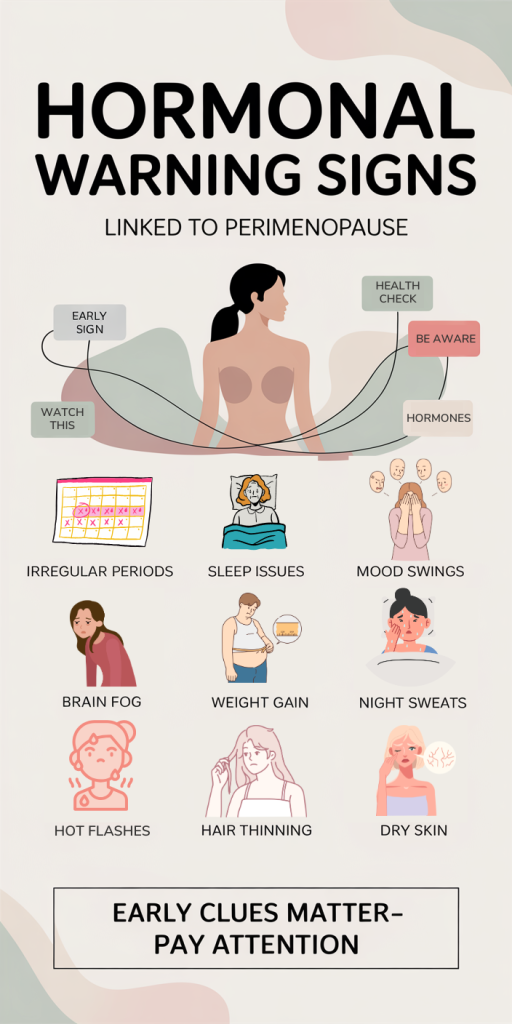
Sudden Or Worsening Brain Fog And Memory Lapses
Brain fog, that vague decline in clarity, focus, and short-term memory, can be frightening when it appears out of the blue in our 30s and 40s. We may find ourselves forgetting words, misplacing items more often, or needing extra time to process information. Hormonal changes are a potential, often overlooked cause.
Hormonal drivers: Estrogen has neuroprotective effects and supports neurotransmitter systems like serotonin and acetylcholine, which influence cognition. Perimenopausal shifts in estrogen can begin in the late 30s and 40s and contribute to concentration problems. Thyroid hormone deficiency also impairs cognitive speed and memory. Also, dysregulated cortisol, our stress hormone, impairs memory consolidation when chronically elevated.
Pattern to watch: Brain fog tied to hormonal issues often fluctuates with the menstrual cycle (worse premenstrually or during perimenopause) or accompanies other signs like sleep disruption, mood changes, or fatigue. It’s usually more than a single bad day: it affects work performance or everyday tasks over weeks to months.
Other considerations: Depression, anxiety, medication side effects (antihistamines, some antidepressants), poor sleep quality, and vitamin B12 deficiency can all cause cognitive decline. If you’re multitasking more or are overloaded chronically, that alone can feel like fog.
What to do and test: Start a symptom log noting timing, relation to menstrual cycle, sleep quality, and stressors. Ask your provider for testing that includes thyroid panel (TSH, free T4/T3), morning cortisol, vitamin B12, ferritin, and sex hormone levels if other signs are present. Cognitive complaints that progress or affect daily functioning merit prompt evaluation.
Unusual Weight Gain Around The Midsection Or Stubborn Belly Fat
Gaining a few pounds in our 30s and 40s is common, but when weight piles on specifically around the abdomen even though consistent diet and exercise, hormones are often implicated. This central or visceral fat pattern carries metabolic risk and often resists typical weight-loss strategies.
Why it happens: Cortisol drives abdominal fat deposition: chronic stress or HPA-axis dysregulation shifts fat storage centrally. Insulin resistance, which can be precipitated by shifts in sex hormones, weight gain, or lifestyle factors, also favors visceral fat. In women, declining estrogen during perimenopause redistributes fat from hips/thighs to the midsection. Low thyroid function lowers basal metabolic rate, making it harder to lose weight.
Red flags: Rapid increases in waist circumference, increasing difficulty losing weight even though calorie control and resistance training, or new-onset central obesity with other symptoms like fatigue, sleep problems, and mood changes should raise suspicion.
Tests and assessments: For persistent midsection weight gain we’d check fasting glucose and insulin (or HOMA-IR calculation), HbA1c, fasting lipid panel, TSH/free T4, and morning cortisol when clinically indicated. Measuring waist circumference and tracking body composition (if available) helps quantify changes.
Practical steps: Addressing stress and sleep often helps more than extra gym time. We emphasize strength training to preserve lean mass, reduce refined carbs, prioritize protein, and manage stress with realistic interventions (shorter mindfulness practices, walk breaks). But when lifestyle changes don’t move the needle, targeted hormonal evaluation is warranted.
Changes In Mood, Anxiety, Or Unexpected Irritability
Mood swings, heightened anxiety, and irritability can be chalked up to life stressors, but when these emotional shifts are new or more intense than usual, hormones may be influencing our emotional baseline.
Hormonal links: Estrogen and progesterone modulate neurotransmitters like serotonin, GABA, and dopamine. Fluctuations, particularly during perimenopause or in the luteal phase, can trigger anxiety and mood changes. Low testosterone in both sexes can reduce mood stability and motivation. Thyroid dysfunction often presents with mood symptoms: hypothyroidism with low mood and apathy, hyperthyroidism with anxiety and irritability.
What we notice: Emotional changes that are disproportionate to circumstances, persist for weeks, or cluster with physical signs (fatigue, sleep disturbance, cognitive changes) suggest a biological contributor. Mood shifts tied to menstrual cycles, postpartum, or a marked change in life stage deserve extra attention.
Differential diagnosis: Primary mood disorders, adjustment disorder, substance use, medication effects, and chronic stress are common causes and should be considered. Screening for major depression and anxiety disorders is appropriate.
Testing and conversations to have: When mood changes are new or severe, we recommend discussing hormonal testing with your provider, thyroid panel, sex hormones if relevant, and possibly cortisol testing. Bring specific examples (timing, severity, impact) to your visit. Treatment options vary from lifestyle and psychotherapy to hormonal therapies or psychiatric medications, depending on root causes and patient preference.
Sleep Disturbances That Don’t Respond To Sleep Hygiene
We preach sleep hygiene, consistent bedtime, dark room, reduced screens, because it helps. But when those measures fail and sleep problems persist, hormonal causes must be considered.
How hormones affect sleep: Estrogen and progesterone influence sleep continuity and architecture: progesterone has sedative properties, so drops in progesterone (common in perimenopause) can lead to insomnia. Cortisol inappropriately elevated in the evening interferes with falling asleep and increases nighttime awakenings. Thyroid hormone excess causes racing thoughts and poor sleep, while thyroid deficiency contributes to nonrestorative sleep.
Signs that hormones might be the culprit: Sleep difficulty that began along with hot flashes/night sweats, mood changes, or menstrual irregularities: insomnia that persists even though good sleep habits: or excessive daytime sleepiness even though long sleep duration.
Rule-outs: Obstructive sleep apnea is common in our 30s and 40s, especially with weight gain, and causes nonrestorative sleep and daytime fatigue. Restless legs syndrome, caffeine use, shift work, and medications also disrupt sleep.
What to test and try: If we suspect hormonal causes, request a sleep-focused evaluation that includes thyroid testing and discussion of perimenopause symptoms if relevant. For suspected cortisol dysregulation, a salivary cortisol curve or late-night salivary cortisol can be helpful. If symptoms include apneas (loud snoring, gasping), pursue a sleep study. Treatments range from addressing the underlying hormone imbalance to CBT-I (cognitive behavioral therapy for insomnia) and targeted medications when appropriate.
New Or Worsening Acne And Oiliness In Adulthood
Acne in adulthood, especially a sudden flare in our 30s or 40s, often signals hormonal influences. When topical treatments and over-the-counter regimens fail, we should think beyond skincare to the endocrine system.
Mechanisms: Androgens (testosterone and DHEA-S) increase sebum production and can cause acne in both women and men. In women, conditions like polycystic ovary syndrome (PCOS) produce elevated androgens and are associated with persistent acne, irregular cycles, and sometimes weight gain. Stress-related increases in cortisol may also exacerbate inflammatory skin conditions.
Patterns to recognize: Adult acne that clusters along the jawline or lower face in women often points to hormonal acne. If acne appears with excess hair growth (hirsutism), irregular periods, or sudden onset in someone without a previous history, hormonal testing is indicated.
Testing and evaluation: For suspected hormonal acne, we’d check total testosterone, free testosterone if available, DHEA-S, and in some cases 17-hydroxyprogesterone. For women with irregular cycles, an evaluation for PCOS (including pelvic ultrasound when indicated) may be appropriate. Rule out medication-induced acne (steroids, some antidepressants) and review cosmetic products as well.
Management approach: Dermatologic therapies (topical retinoids, benzoyl peroxide, oral antibiotics for short courses) help surface symptoms, but if androgens are driving acne, hormonal treatments, combined oral contraceptives or anti-androgens like spironolactone in women, are often more effective long-term. We partner with dermatology and primary care or endocrinology for tailored plans.
Low Libido Or Changes In Sexual Function And Sensation
Shifts in sexual desire and function are common but often embarrassing to bring up. Yet libido changes in our 30s and 40s can be a direct signal of hormonal imbalance and are important to address because they affect relationships and quality of life.
Hormonal causes: Testosterone plays a major role in libido for both sexes, low levels correlate with reduced desire, arousal difficulties, and decreased sensitivity. In women, declining estrogen leads to vaginal dryness and discomfort with sex, which can reduce libido. Thyroid dysfunction and elevated prolactin (rare but important) can also blunt sexual desire.
How it presents: We might notice decreased interest in sex, fewer spontaneous sexual thoughts, difficulty achieving arousal or orgasm, or physical discomfort during intercourse. Importantly, these symptoms often coexist with fatigue, mood shifts, and sleep problems.
Beyond hormones: Relationship stress, depression, certain antidepressants (SSRIs), alcohol use, and chronic pain can all lower libido. It’s crucial to take a holistic view and not assume hormones are the only cause.
What to test and discuss: If sexual changes are new or distressing, ask your clinician for a sex hormone panel (total and free testosterone, estradiol for women, SHBG) and thyroid testing. For women with vaginal dryness, topical estrogen or non-hormonal lubricants may help: systemic hormone therapy might be considered based on overall risk/benefit. For persistent low libido in men or women with low testosterone levels, discuss replacement options carefully, considering fertility desires and baseline health.
Menstrual Changes, Spotting, Or New Irregularities In Your Cycle
In women of reproductive age, the menstrual cycle is a key window into hormonal health. Irregular periods, unexpected spotting, heavier bleeding, or suddenly lighter cycles in our 30s and 40s often indicate shifts in ovarian or systemic hormones.
Common patterns: Perimenopause begins for many in the 40s, sometimes earlier, and produces cycle variability due to fluctuating estrogen and progesterone. PCOS, thyroid dysfunction, hyperprolactinemia, and uterine pathology (fibroids, polyps) can also cause irregular bleeding.
What to monitor: Note changes in cycle length, increased or decreased flow, flooding or clotting, intermenstrual spotting, or amenorrhea for several months. Pay particular attention to very heavy bleeding (soaking through pads/tampons every hour) or bleeding between cycles.
When to seek immediate care: Heavy bleeding causing anemia symptoms (lightheadedness, palpitations) or prolonged bleeding that disrupts daily life needs prompt evaluation. New postcoital bleeding or spotting after age 40 should prompt a pelvic exam and appropriate investigations.
Tests and evaluation: Initial workup typically includes pregnancy testing, CBC for anemia, TSH, prolactin if indicated, and sex hormone tests timed to the cycle when possible. Pelvic ultrasound evaluates structural causes like fibroids. For perimenopausal irregularity, FSH can be informative though levels fluctuate: AMH (anti-Müllerian hormone) gives insight into ovarian reserve but isn’t diagnostic for perimenopause. Treatment ranges from hormonal regulation (combined oral contraceptives, cyclical progestins) to procedural options depending on the cause.
Hair Thinning, Increased Shedding, Or Changes In Hair Texture
Hair changes in our 30s and 40s, from subtle thinning to increased shedding, can be distressing and often indicate hormonal influences. The pattern and speed of change help differentiate causes.
Hormonal mechanisms: Androgenic alopecia (pattern hair loss) is driven by androgens that shorten hair follicle growth phases, leading to miniaturization mainly at the crown and frontal scalp. Women experiencing diffuse thinning should be evaluated for androgen excess (PCOS), thyroid dysfunction, and postpartum or stress-related telogen effluvium. Low thyroid hormone slows hair growth and increases shedding: conversely, insulin resistance and hyperandrogenism also contribute.
What to observe: Male-pattern thinning in men and women, receding hairline or crown thinning, points toward androgenic causes. Diffuse shedding after a stressor (illness, surgery, severe dieting) often indicates telogen effluvium and may recover in months. Sudden, patchy loss suggests alopecia areata, an autoimmune condition.
Workup and tests: Basic labs include TSH, free T4, ferritin (low iron stores contribute to shedding), and if clinically suspected, total/free testosterone and DHEA-S. A trichoscopy or dermatology referral helps with diagnosis. For women, review medications and recent life events: for men, assess family history.
Management options: Addressing the underlying hormonal imbalance is primary, thyroid replacement, correction of iron deficiency, or treating androgen excess. Topical minoxidil remains a first-line therapy for many forms of thinning. For androgen-driven hair loss in women, anti-androgen medications or hormonal contraceptives may help: in men, finasteride is an option but requires discussion of risks and benefits.
Conclusion: When To Seek Testing, What To Ask Your Provider, And Next Steps
We’ve walked through nine subtle but meaningful signs that suggest hormonal imbalance in our 30s and 40s. The common thread is pattern recognition: one isolated symptom doesn’t always mean a hormone problem, but clusters of fatigue, mood shifts, sleep disruption, cognitive change, and physical signs (skin, hair, weight, libido, menstrual irregularity) should prompt assessment.
When to seek testing: Pursue evaluation when symptoms persist for several weeks to months, worsen, or interfere with daily life even though reasonable lifestyle measures. Seek urgent care for heavy bleeding, sudden severe hair loss, or rapidly progressive cognitive decline.
Questions to ask your provider:
- Which hormone tests are appropriate for my symptoms and when should they be drawn? (Timing matters for cycle-related testing.)
- Could my medications, sleep, or stress explain these symptoms? What else should we rule out?
- If labs are borderline, what follow-up testing or monitoring do you recommend?
- What treatment options, risks, and expected timelines should we consider?
Next steps we recommend: Keep a symptom diary (timing, severity, relation to cycle/sleep/stress). Bring it to your visit to strengthen your case. Request baseline labs: CBC/ferritin, TSH/free T4 (and free T3 if indicated), fasting glucose/HbA1c, morning cortisol when appropriate, and sex hormone testing tailored to your presentation. Work with primary care, endocrinology, or gynecology as needed. Treatment may include targeted hormone therapy, lifestyle interventions (sleep, stress reduction, resistance training, nutrition), and referrals to specialists like dermatologists or sleep medicine.
Hormonal health is complex but often treatable. Focusing to these less obvious signs we increase our chances of timely diagnosis and effective management, and that’s worth the effort. If you’re noticing multiple signs from this list, we encourage you to bring them up at your next appointment and move from wondering toward testing and solutions.