
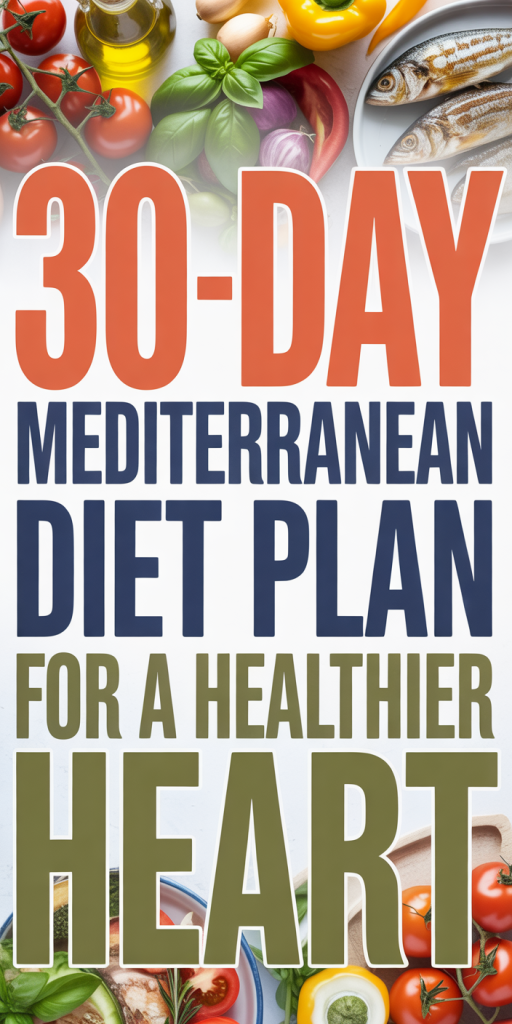
Transform Your Heart with a 30-Day Mediterranean Diet Plan for a Healthier Lifestyle
If you’re looking to boost your heart health while enjoying delicious food, the Mediterranean diet might be just what you need. This vibrant eating plan emphasizes fresh fruits, vegetables, whole grains, and healthy fats, making it not only heart-friendly but also incredibly satisfying. I’ve discovered that embracing this lifestyle can transform not just your diet but your overall well-being.
Overview of the Mediterranean Diet
The Mediterranean diet emphasizes whole, nutrient-dense foods while promoting heart health. This approach combines culinary tradition with scientifically supported dietary practices.
Key Principles of the Mediterranean Diet
- Fruits and Vegetables: Incorporate multiple servings of fresh fruits and vegetables daily. Aim for a variety, like greens, berries, and citrus.
- Whole Grains: Choose whole grains such as brown rice, quinoa, and whole-grain bread instead of refined grains.
- Healthy Fats: Use olive oil as the primary fat source. Include healthy fats from nuts, seeds, and avocados in meals.
- Lean Proteins: Consume lean proteins like fish and poultry while limiting red meat and processed meats.
- Dairy: Select low-fat or fat-free dairy options. Focus on yogurt and cheese in moderation.
- Herbs and Spices: Use herbs and spices for flavor instead of excessive salt and added sugars. Common choices include garlic, basil, and oregano.
- Moderation in Alcohol: If you consume alcohol, stick to moderate amounts—about one glass daily for women and two for men.
Health Benefits for Heart Health
- Reduced Cholesterol Levels: The Mediterranean diet is linked to lower LDL (bad) cholesterol levels, promoting heart health.
- Improved Blood Pressure: Studies show adherence to this diet can lower blood pressure, decreasing heart disease risk.
- Lower Risk of Heart Disease: Research indicates that following the Mediterranean diet significantly reduces the risk of coronary heart disease and stroke.
- Inflammation Reduction: The diet’s emphasis on antioxidants from fruits and vegetables helps combat inflammation, further supporting heart health.
- Weight Management: This diet promotes a balanced approach to eating that can aid in maintaining a healthy weight, reducing strain on the heart.
30-Day Meal Plan
The 30-day Mediterranean meal plan enhances heart health through nutrient-dense foods. Here’s a structured outline for each week.
Week 1: Introduction to Mediterranean Foods
- Breakfast: Greek yogurt with honey and walnuts, topped with fresh berries.
- Lunch: Quinoa salad with cucumbers, tomatoes, olives, and feta cheese, dressed with olive oil and lemon.
- Dinner: Grilled salmon with a side of roasted vegetables, including zucchini and bell peppers.
- Snacks: Hummus served with carrot and cucumber sticks.
Week 2: Increasing Plant-Based Meals
- Breakfast: Overnight oats prepared with almond milk, chia seeds, and sliced bananas.
- Lunch: Lentil soup paired with a mixed greens salad and balsamic vinaigrette.
- Dinner: Stir-fried tofu with broccoli, bell peppers, and brown rice drizzled with tahini sauce.
- Snacks: Seasonal fruit, such as apples or pears.
Week 3: Focus on Healthy Fats
- Breakfast: Avocado toast on whole-grain bread topped with poached eggs and arugula.
- Lunch: Chickpea salad with cherry tomatoes, cucumbers, red onion, and a sprinkle of olive oil.
- Dinner: Grilled chicken marinated in olive oil, lemon, and herbs, served with quinoa and asparagus.
- Snacks: Mixed nuts, including almonds, walnuts, and pistachios.
Week 4: Incorporating Variety and Balance
- Breakfast: Smoothie made with spinach, Greek yogurt, banana, and almond milk.
- Lunch: Falafel wraps with tahini sauce and a side of tabbouleh.
- Dinner: Baked cod with a herb crust, served with a side of farro and garden salad.
- Snacks: Oatmeal cookies featuring nuts and dried fruits.
Snack Ideas and Recipes
Snacks play a crucial role in maintaining energy levels while following the Mediterranean diet. These options are heart-healthy and delicious, making them perfect for a balanced lifestyle.
Heart-Healthy Snacks
- Hummus and Veggies: I enjoy hummus paired with raw vegetables like carrots, cucumber, and bell peppers. This snack offers protein and fiber, promoting satiety.
- Nuts and Seeds: A handful of almonds or walnuts provides healthy fats and keeps me energized. Sunflower seeds also pack a nutritious punch.
- Greek Yogurt with Berries: Greek yogurt mixed with fresh berries is rich in protein and antioxidants. This tasty combination helps support heart health.
- Olives: I snack on a small serving of olives for monounsaturated fats. They add a savory flavor while benefiting my heart.
- Whole Grain Crackers with Avocado: Whole grain crackers topped with smashed avocado deliver fiber and healthy fats. This snack is satisfying and nutritious.
Quick Mediterranean Recipes
- Mediterranean Chickpea Salad: Combine canned chickpeas, diced cucumber, cherry tomatoes, red onion, and parsley in a bowl. Drizzle with olive oil and lemon juice for a refreshing salad.
- Caprese Skewers: I create skewers using cherry tomatoes, mozzarella balls, and fresh basil. A splash of balsamic glaze adds a flavorful twist.
- Tzatziki Sauce: Mix Greek yogurt, grated cucumber, garlic, and dill. This cool sauce pairs well with whole grain pita or veggies.
- Stuffed Mini Bell Peppers: Fill mini bell peppers with a mixture of quinoa, feta cheese, and herbs. Bake until tender for a hearty snack.
- Spiced Roasted Chickpeas: Toss canned chickpeas with olive oil and spices like paprika or cumin. Roast until crispy for a crunchy, nutritious snack.
Incorporating these snacks and recipes keeps meals exciting while supporting heart health through the Mediterranean diet.
Tips for Success
Successful adherence to the Mediterranean diet involves strategic planning and maintaining motivation. Implementing the following tips enhances your journey toward better heart health.
Meal Prep and Planning
Meal prep simplifies healthy eating. I recommend dedicating a few hours each week to prepare ingredients and meals in advance. Focus on washing and chopping vegetables, cooking grains, and portioning proteins. Create a balanced grocery list prioritizing fresh produce, whole grains, lean protein sources, and healthy fats.
Incorporating batch cooking into your routine saves time and ensures access to heart-healthy meals. For instance, prepare large portions of lentil soup or quinoa salad that can be stored and enjoyed throughout the week. Utilizing portion containers helps maintain serving sizes, preventing overeating while making meals convenient.
Staying Motivated
Maintaining motivation is crucial for the success of the Mediterranean diet. Setting achievable goals helps reinforce commitment. Consider tracking your meals and progress in a food journal or a mobile app. Celebrate small victories, like consistently choosing vegetables or reducing processed foods.
Engaging with others on a similar dietary path can boost motivation. Join local community groups or online forums focused on the Mediterranean diet for support and inspiration. Using social media platforms to share meals and experiences fosters connection and accountability. Experimenting with new recipes also keeps the experience fresh and enjoyable.
Conclusion
Embracing the Mediterranean diet can be a rewarding journey toward better heart health. By focusing on fresh, whole foods and enjoying flavorful meals, I’ve found that this lifestyle not only nourishes my body but also brings joy to my dining experience.
The 30-day meal plan offers a structured yet flexible approach to integrating these healthy habits into daily life. With each week designed to build on the last I’m excited to explore new recipes and flavors while staying committed to my health goals.
As I continue on this path I’m reminded that small changes can lead to significant improvements in my heart health and overall well-being. Adopting the Mediterranean diet is more than just a diet; it’s a way of life that I’m proud to embrace.


