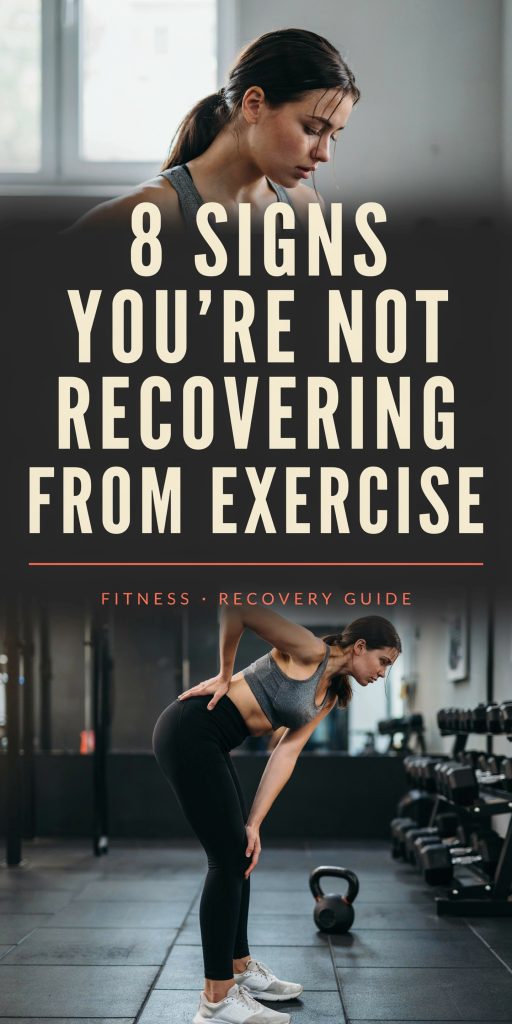
8 Signs You’re Not Recovering From Exercise (And What To Do About It)
We push hard in the gym, on the trails, or in the pool because we want progress, stronger muscles, faster times, better health. But progress doesn’t come from training alone: it comes from the interplay of stress and recovery. When recovery fails, our bodies send signals. If we ignore those signals, small issues become injuries, setbacks, and burnout. In this text we’ll walk through eight clear signs you’re not recovering from exercise, why each matters, and practical steps we can take to turn things around. Use this as a checklist: spotting one sign early lets us adapt training and lifestyle before it sabotages months of work.
Why Recovery Matters For Performance, Health, And Longevity
Recovery is not optional, we can think of it as the other half of training. While training creates controlled stress that stimulates adaptation (muscle repair, cardiovascular improvements, neuromuscular coordination), recovery is when those adaptations actually occur. Without sufficient recovery, stress accumulates, performance plateaus or declines, and injury risk rises. From a cellular perspective, recovery enables protein synthesis, mitochondrial biogenesis, hormonal balance, and immune system restoration.
Performance-wise, inadequate recovery reduces power output, endurance, and skill acquisition. We may hit the same workouts but produce less force, slower times, or poor technique. Health-wise, chronic under-recovery elevates systemic inflammation, disrupts sleep and appetite, and can compromise immune function, making us more susceptible to illness. Over weeks and months, that state can accelerate burnout and even endocrine disturbances like suppressed testosterone or thyroid changes in susceptible people.
Longevity ties in because habitual overtraining and poor recovery are linked to long-term issues: persistent inflammation, impaired metabolic health, and mental health burdens. Conversely, smart recovery supports resilience, allowing us to sustain training for years with fewer interruptions. That’s why recognizing early signs of poor recovery is crucial: it prevents small cracks from becoming chronic problems and preserves our capacity to train consistently.
Sign 1: Persistent Muscle Soreness That Lasts More Than A Few Days
Delayed onset muscle soreness (DOMS) after an unfamiliar or intense workout is normal. But when soreness lingers beyond 72 hours or returns persistently after routine sessions, it’s a red flag that recovery is inadequate. Persistent soreness means our muscles aren’t fully repairing between sessions, and the inflammatory process may be extending rather than resolving.
Why it matters: Training with lingering soreness compromises movement quality and increases injury risk. We compensate subconsciously, altered gait, tucked pelvis, or limited range of motion, that places stress on tendons, joints, and other muscles. Chronically sore muscles can also blunt training adaptations because we’re unable to produce optimal force during subsequent workouts.
What to do: First, audit your training schedule. Are we increasing load, volume, or intensity too quickly? The 10% rule (increasing volume or distance by no more than ~10% per week) is a helpful guideline but not a hard rule for every sport. Prioritize active recovery, low-intensity movement like walking, light cycling, mobility sequences, to increase blood flow and promote clearance of metabolic byproducts. Integrate targeted soft-tissue work (foam rolling, massage) and short, localized contrast baths if they help you. Importantly, add an extra rest day or swap a hard session for a low-impact alternative until soreness resolves.
Finally, check ancillary recovery factors: are we sleeping enough, eating sufficient protein and total calories, and staying hydrated? Inadequate nutrition or sleep often shows up first as prolonged soreness. If soreness persists even though adjustments, consult a coach or clinician to rule out tendon or muscle strain.
Signs 2–3: Chronic Fatigue And A Clear Decline In Performance
Chronic fatigue is more than feeling tired after a busy day, it’s a low-energy baseline that doesn’t improve with a normal night’s sleep and interferes with daily activities and training. When paired with a measurable decline in performance, slower times, reduced lifts, fewer reps at familiar weights, we’re likely under-recovering.
Why it matters: Fatigue accumulates when the balance between training stress and recovery tilts toward stress. If we continue to push while energy stores, hormonal signaling, and central nervous system (CNS) capacity are depleted, adaptation stops and regression starts. A declining training log (e.g., inability to hit previously routine numbers) is among the most objective signs that recovery is insufficient.
What to do: Start with objective tracking. Use a simple training log to record weights, reps, times, RPE (rating of perceived exertion), and subjective energy. When we see consecutive sessions with higher RPE for the same workload or decreasing outputs, schedule a de-load week: reduce volume by 30–50% and avoid maximal efforts. Add sleep hygiene practices, consistent sleep/wake times, limiting screens before bed, and addressing sleep disorders if suspected.
Address metabolic contributors: eat adequate calories and prioritize carbohydrate intake around higher-intensity sessions to replenish glycogen. Consider testing for medical causes if fatigue is pronounced, iron deficiency, thyroid dysfunction, or chronic infection can mimic overtraining. We should also examine life stressors: psychological stress amplifies physiological fatigue and hinders recovery. If we’re juggling heavy work demands, family stress, or poor sleep, training adjustments should reflect that broader load.
Signs 4–5: Elevated Resting Heart Rate And Poor Sleep Quality
An elevated resting heart rate (RHR) and disrupted sleep often go hand-in-hand and are accessible metrics we can monitor. If our RHR is consistently higher than baseline, several beats per minute above what’s normal for us, especially on consecutive mornings, that suggests sympathetic dominance and incomplete recovery. Similarly, fragmented sleep, longer sleep latency, or frequent nighttime awakenings impair restorative processes.
Why it matters: Heart rate reflects autonomic nervous system balance. Chronic training stress shifts the balance toward the sympathetic (fight-or-flight) side, increasing RHR and reducing heart rate variability (HRV). That state impairs recovery because restorative parasympathetic processes are suppressed, affecting digestion, immune function, and tissue repair. Poor sleep compounds this: growth hormone release, memory consolidation, and muscle protein synthesis occur largely during deep sleep.
What to do: Establish a morning routine to track RHR and subjective readiness, use the same posture and device for consistency. If RHR is 5–10+ bpm above baseline for 3+ days, reduce intensity and prioritize recovery interventions. Improve sleep quality with sleep hygiene: dark, cool environment: consistent schedule: limited caffeine after midday: and winding down without screens. If sleep apnea or insomnia is suspected, consult a healthcare professional. We can also use practical parasympathetic-promoting strategies: diaphragmatic breathing, brief mindfulness sessions, or an easy walk in natural light.
On training decisions: avoid high-intensity intervals or heavy lifting when RHR is elevated and sleep is poor. Replace them with mobility, technique work, or active recovery until autonomic markers normalize.
Sign 6: Increased Illness, Slow Healing, Or Frequent Infections
If we find ourselves catching colds more often, taking longer to recover from cuts and strains, or experiencing frequent upper respiratory infections, our recovery systems, most notably the immune system, are likely compromised. High training loads, inadequate sleep, and poor nutrition suppress immune function and increase susceptibility to pathogens.
Why it matters: The immune system and recovery processes are tightly linked. Microtrauma from training is normal, but immune cells are needed to clear debris and start repair. When immune competence is lowered, inflammatory responses can become dysregulated and tissue healing slows. Recurrent illness interrupts training continuity and may indicate that our overall stress load is too high.
What to do: Address nutrition, consume sufficient calories and support micronutrient needs (vitamin D, zinc, vitamin C) through diet or targeted supplementation if testing shows deficiency. Prioritize sleep and reduce training intensity during and shortly after an illness: returning too quickly to full training increases relapse risk. Incorporate periodization: cycles of high- and low-load training that allow planned immune recovery. If infections are unusually frequent or severe, get medical evaluation for underlying causes (immunodeficiency, chronic stress, or uncontrolled medical conditions).
Practically, consider adding single days of complete rest after travel, heavy social stress, or late nights to reduce immune strain. Small habit changes, regular handwashing, avoiding close contact with sick individuals, and staying current with vaccines, also help maintain training continuity.
Sign 7: Mood Changes, Irritability, Anxiety Or Loss Of Motivation
Mood is a surprisingly sensitive barometer of recovery. When we’re chronically under-recovered, we often notice increased irritability, heightened anxiety, reduced enjoyment of training, or an overall loss of motivation. What used to feel like a challenge becomes a chore.
Why it matters: Mental and emotional states are closely linked with physiological recovery. Chronic stress and insufficient sleep alter neurotransmitter balance and hormonal milieu, affecting mood regulation. Loss of motivation, sometimes labeled “burnout”, signals that the reward pathways that usually reinforce training are blunted. Continuing to force training through this state can deepen the aversion and prolong recovery time.
What to do: First, validate the feeling. Instead of pushing harder, reduce training volume and intensity, and reintroduce movement that feels fun, group classes, recreational sports, or exploratory hikes. Reconnect with intrinsic motivation by setting small, achievable goals and celebrating micro-wins. Psychological tools help: short mindfulness practices, journaling about wins and stressors, and talking with training partners or a coach.
If mood shifts are severe, persistent depressive symptoms, anxiety impairing daily function, or suicidal thinking, seek professional mental health support. For many of us, a deliberate de-load week combined with improved sleep, nutrition, and social recovery (time with friends or family) restores motivation. Reassess training goals afterward: sustainable programs respect mental bandwidth as much as physical capacity.
Sign 8: Appetite Or Weight Changes, Including Unintended Loss Or Gain
Changes in appetite or body weight can be subtle indicators of recovery status. Some people experience suppressed appetite during heavy training phases and unintended weight loss: others gain weight because of fluid retention, increased cortisol-driven appetite, or decreased activity outside workouts. Both directions warrant attention.
Why it matters: Appetite and weight shifts reflect metabolic and hormonal responses to training stress. Under-recovery often elevates cortisol and alters leptin/ghrelin signaling, which can suppress or increase hunger. Unintended weight loss may signal inadequate fueling and increased catabolism, risking muscle loss, while unexplained weight gain could indicate inflammation-driven fluid retention or compensatory overeating of energy-dense foods.
What to do: Track intake and weight trends for a week to see patterns. If appetite is low and weight is dropping, prioritize energy-dense, nutrient-rich foods, smoothies, nut butters, avocado, whole-milk yogurt, and balanced meals with adequate protein. Ensure post-workout carbohydrate-protein combinations to maximize glycogen repletion and muscle repair. If weight is creeping up unexpectedly, review total daily activity and dietary patterns: are we compensating for hard workouts with sedentary behavior and high-calorie snacks?
In both cases, monitor biochemical markers if needed: blood tests for thyroid function, inflammatory markers, or sex hormones can clarify persistent unexplained changes. Work with a registered dietitian or sports nutritionist to adjust calories and macronutrients to support recovery and training goals. Remember that short-term fluctuations are normal: sustained trends over several weeks deserve investigation.
Conclusion
Recovery is the quiet partner of progress, easy to overlook until signs become hard to ignore. By watching for persistent soreness, chronic fatigue, declining performance, elevated resting heart rate, poor sleep, more frequent illness, mood shifts, and appetite or weight changes, we can intervene early and protect long-term gains. Practical steps, de-loading, improving sleep, adjusting nutrition, and addressing life stress, restore balance for most of us. When signals persist even though sensible adjustments, it’s time for professional evaluation. Eventually, a sustainable training plan respects both the stress we apply and the recovery we enable: that’s how we stay consistent, healthy, and progressing for years.