
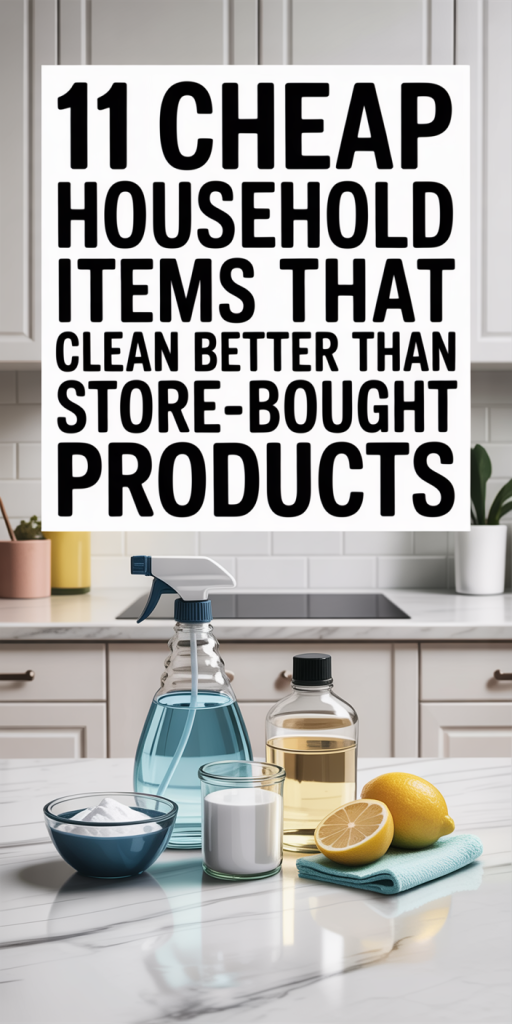
11 Cheap Household Items That Clean Better Than Store-Bought Products (And How To Use Them)
We’ve all stood in the cleaning aisle wondering whether the glowing claims on bottles are worth their price. Over the years we’ve learned that many inexpensive, pantry-staple items cut through grime, brighten fabrics, and disinfect surfaces as well as, or better than, commercial cleaners. In this guide we’ll show why common household ingredients often outperform store-bought products, how to use each one safely, and practical DIY recipes you can make in minutes. Expect actionable tips for everything from descaling kettles to removing carpet stains, plus cautions about where to avoid homemade solutions. By the end you’ll know which simple items to keep on hand so cleaning faster, greener, and cheaper becomes the new normal for our home.
Why Everyday Household Items Often Outperform Commercial Cleaners
Commercial cleaners are engineered to appeal: bright packaging, fragrant scents, and fast-acting claims. But performance doesn’t always follow marketing. We’ve found several reasons why everyday household items often outperform store-bought cleaners:
- Simple chemistry that’s predictable: Ingredients like vinegar (acetic acid), baking soda (sodium bicarbonate), and hydrogen peroxide (H2O2) have well-known chemical actions, acid dissolves mineral scale, alkaline abrasives lift grime, and oxidizers remove organic stains. These predictable reactions make them versatile.
- Fewer unnecessary additives: Many commercial products include dyes, fragrances, or stabilizers that don’t improve cleaning and can leave residues. Household items are usually single-ingredient and leave less film behind.
- Cost-effectiveness and concentration control: We can adjust strength. A diluted vinegar solution works for glass and descaling, while undiluted or slightly warmed vinegar tackles stubborn lime deposits. That control often means better results for specific jobs.
- Multi-functionality: Baking soda deodorizes, polishes, and acts as a mild abrasive. Rubbing alcohol disinfects and evaporates quickly. One jar of baking soda replaces multiple specialty cleaners.
- Environmental and health trade-offs: When used correctly, many household ingredients are less toxic and more biodegradable than synthetic detergents. That said, “natural” doesn’t always mean safe, mixing chemicals (e.g., bleach and ammonia) can create dangerous gases. We’ll flag those risks in later sections.
Finally, many store-bought products are formulated to be gentle enough for a wide range of surfaces, which sometimes compromises raw cleaning power. When we need targeted action, remove scale, lift grease, whiten grout, purpose-driven household ingredients often beat the “one-size-fits-all” approach. The rest of this article covers 11 of the most useful items and how to apply them effectively.
Baking Soda — The All-Purpose Abrasive And Deodorizer
Baking soda is arguably the most useful cleaning item in our homes. It’s cheap, non-toxic, and versatile. Here’s how we use it and why it works:
Why it works
- Mild abrasive: The fine crystals provide mechanical scrubbing without scratching most surfaces (test in an inconspicuous area first).
- Chemical neutralizer: Being slightly alkaline, it neutralizes acids and odors.
- Reaction partner: When combined with acids like vinegar, it produces CO2 bubbles that help loosen caked-on grime.
Practical uses and recipes
- Kitchen sink and stainless steel: Make a paste (3 parts baking soda to 1 part water). Apply with a soft cloth, rub, then rinse and buff dry. It removes food residues and polishes stainless.
- Oven and cookware: For heavy baked-on spills, sprinkle baking soda over the surface, add a little water to form a paste, let sit for 30–60 minutes, then scrub with a non-scratch sponge.
- Deodorize carpets and upholstery: Sprinkle generously, let sit 15–30 minutes (longer for strong odors), then vacuum. For pet odors, add a few drops of essential oil before sprinkling if desired.
- Drain maintenance: For routine upkeep, pour 1/2 cup baking soda down the drain, then follow with 1/2 cup white vinegar. Wait 10–15 minutes, flush with hot water. This fizzing helps dislodge light clogs and neutralize smells.
Safety and tips
- Don’t mix baking soda with bleach or ammonia, it won’t be dangerous, but it’s ineffective for certain jobs compared to proper disinfectants.
- Avoid using the abrasive paste on delicate surfaces like soft plastics or untreated aluminum, which can scratch.
Baking soda replaces several specialty products: odor absorbers, gentle scouring powders, and some stain-lifting agents. For pennies per use, it’s one of our best bets.
White Vinegar And Lemon — Natural Degreasers, Descalers, And Brighteners
White vinegar and lemon juice are acidic cleaners that tackle mineral deposits, grease, and dullness. We rely on them for limescale, glass, and brightening fabrics. Here’s a breakdown of when to use each and how.
Why they work
- Acidity dissolves minerals: Acetic acid in vinegar and citric acid in lemon break down calcium and magnesium scale.
- Cutting grease: Acid destabilizes fats, making them easier to wipe away, especially when combined with warm water and a surfactant.
- Natural brightening: The acids help remove dulling residue from fabrics and surfaces.
Practical uses and recipes
- Descale kettles and coffee makers: Fill the kettle halfway with equal parts water and white vinegar, boil, let sit for 30 minutes, then rinse thoroughly and boil clean water once or twice to remove any vinegar taste. For coffee makers, run a cycle with the vinegar solution followed by two cycles of plain water.
- Glass and mirror cleaner: Mix 1 part white vinegar with 3 parts water in a spray bottle. Wipe with a microfiber cloth for streak-free shine. Add a few drops of dish soap for very greasy windows (then rinse with plain vinegar solution).
- Grease-cutting spray: Combine 1 cup warm water, 1/4 cup white vinegar, and a teaspoon of liquid dish soap in a spray bottle. Use on stovetops and counters, rinse with clean water to remove any soap residue.
- Brightening laundry: Add 1/2 cup white vinegar to the rinse cycle to soften fabrics, reduce static, and remove detergent buildup. For whites, rubbing lemon juice on sun-drenched stains before laundering can boost natural bleaching.
Safety and limitations
- Avoid using vinegar on natural stone (granite, marble), waxed wood, or some metals (cast iron, certain finishes), the acid can etch or damage finishes.
- Don’t mix vinegar with bleach, it forms toxic chlorine gas. Always store acids and bleaches separately.
Lemon adds a fresh scent and slightly stronger chelating action for scale. When we need a brightening, grease-cutting, and inexpensive clean, vinegar and lemon are first on our list.
Salt And Borax — Stain Lifting, Whitening, And Gentle Scrubbing
Salt and borax are two mineral-based cleaning powerhouses. Both are inexpensive, widely available, and perform tasks that would otherwise call for specialized cleaners.
Why they work
- Salt (sodium chloride): Acts as a mild abrasive, absorbs moisture (helpful on fresh spills), and helps draw out stains from fabrics.
- Borax (sodium borate): A natural mineral salt with deodorizing, whitening, and emulsifying properties. It boosts laundry detergents and helps control odor-causing bacteria.
Practical uses and recipes
- Fresh wine or blood stains: Blot excess liquid, cover with salt to absorb, let sit 10–15 minutes, brush off, then launder. For dried stains, make a paste of salt and cold water, let it sit, then rinse and treat as usual.
- Grout and tile cleaning: Sprinkle salt or a 50/50 mix of salt and baking soda on grout, spray with vinegar, let foam, scrub with a stiff brush, then rinse. The abrasive action plus acid lifts dirt.
- Laundry booster: Add 1/2 cup borax to a regular wash load to improve whiteness and deodorize. For heavily soiled items, dissolve 1/2 cup borax in hot water and soak clothes for a few hours before washing.
- Rust or tarnish spot treatment: Make a paste with salt and lemon juice, apply to small rust spots on tools or countertops, let sit for 10–20 minutes, then scrub and rinse. Test on finishes first.
Safety and considerations
- Borax is a mineral and not the same as household bleach, but it can be irritating if inhaled or ingested in large amounts. Keep it out of reach of children and pets and avoid prolonged skin contact.
- Salt can be abrasive on delicate surfaces, don’t use on polished metals or soft plastics.
Together, salt and borax can replace many specialized stain removers, grout cleaners, and laundry brighteners, often for a fraction of the price.
Rubbing Alcohol, Hydrogen Peroxide, And Toothpaste — Disinfecting, Whitening, And Spot Cleaning
This trio, rubbing alcohol, hydrogen peroxide, and toothpaste, is great for quick disinfection, whitening small areas, and precise spot cleaning where bulk cleaners can’t reach.
Why they work
- Rubbing alcohol (isopropyl alcohol): Kills many bacteria and viruses on contact and evaporates quickly, leaving surfaces streak-free.
- Hydrogen peroxide: An oxidizer that breaks down organic stains and has mild bleaching properties. It’s effective against many microbes and safe for many surfaces when used diluted.
- Toothpaste (non-gel, non-abrasive): Contains mild abrasives and polishing agents that lift scuffs and whiten small stains on porcelain, grout, and some plastics.
Practical uses and recipes
- Disinfecting small surfaces: Use 70% isopropyl alcohol on high-touch items like phone cases, keyboards, and remote controls. Spray or wipe and let air dry, no rinsing needed.
- Mildew and mold spots: For small patches on grout or tile, apply 3% hydrogen peroxide, let it bubble for 10 minutes, then scrub and rinse. It’s less harsh than bleach and often removes discoloration.
- Whitening grout and toilet rims: Apply hydrogen peroxide directly or mix with baking soda to form a paste. Let sit 10–20 minutes, scrub with a brush, and rinse.
- Scuff marks on walls and shoes: Non-gel toothpaste applied with a damp cloth can lift scuffs. Rub gently and wipe off with a clean, damp cloth.
Safety and limitations
- Hydrogen peroxide breaks down in sunlight and can bleach fabrics. Keep it in a dark bottle and test first on fabrics or colored surfaces.
- Rubbing alcohol is flammable, keep away from heat and flames and use in well-ventilated areas.
- Toothpaste can contain colored gels or ingredients that stain: stick to plain white toothpaste for cleaning.
We rely on these items for spot jobs where precision, rapid evaporation, or mild bleaching is needed. They’re inexpensive, effective, and complement broader cleaning routines.
Cornstarch, Olive Oil, And Dryer Sheets — Fabric Care, Shine, And Static Control
Beyond the pantry and medicine cabinet, everyday items like cornstarch, olive oil, and dryer sheets solve persistent household problems: grease stains, polishing, and static cling.
Why they work
- Cornstarch: Absorbs oils and grease before they set into fabric. It’s a dry solvent that lifts greasy residues.
- Olive oil: A natural moisturizer and polish for wood. When combined with acid (like lemon), it cleans and leaves a subtle shine.
- Dryer sheets: Contain fabric softeners and antistatic agents that reduce static cling and pick up lint when gently rubbed across surfaces.
Practical uses and recipes
- Grease on fabric or upholstery: Sprinkle cornstarch over the fresh grease spot, let it sit for at least 30 minutes (longer for heavier stains), then brush or vacuum off. Follow with laundry as usual. For stubborn spots, repeat before washing.
- Homemade wood polish: Mix 3 parts olive oil with 1 part lemon juice (or vinegar) in a jar. Apply a small amount to a soft cloth, rub into wood grain, then buff with a clean cloth. The oil conditions while the acid removes surface residue.
- Static and dusting hacks: Rubbing a used dryer sheet over baseboards, lampshades, or electronics (turned off) reduces static and picks up dust. We keep a few in a drawer for dusting leather or vinyl upholstery.
Safety and caveats
- Don’t overuse oil-based polishes on very aged or brittle wood: test first. Avoid putting oil on floors where it could leave a slippery residue.
- Cornstarch can cake if used on wet stains, only apply to dry or mostly dry grease spots.
These inexpensive items replace specialty polishes, static-control sprays, and grease-absorbing products in many cases. They’re quick, easy, and often already in our kitchen cabinets.
How To Make Simple DIY Cleaners Safely And When Not To Use Them
Making DIY cleaners is empowering, but safety and situational awareness are crucial. Here’s a practical guide to mixing, storing, and knowing when to avoid homemade solutions.
Basic safety rules
- Never mix bleach with ammonia or acids (vinegar, lemon). Mixing bleach with acids releases chlorine gas: with ammonia it forms chloramines, both dangerous.
- Label containers clearly. Use a permanent marker with the date and ingredients.
- Store out of reach of children and pets, ideally in a locked cabinet or high shelf.
- Ventilate when using volatile cleaners (rubbing alcohol, vinegar) to reduce inhalation exposure.
- Test on inconspicuous areas first for colorfastness and finish compatibility.
Simple DIY recipes we use
- All-purpose cleaner: 2 cups water, 1/2 cup white vinegar, 1 tablespoon liquid dish soap. Mix in a spray bottle and use on counters, stovetops, and painted surfaces: rinse if surfaces are food-prep areas.
- Glass cleaner: 1 cup water, 1 cup white vinegar, 1 tablespoon rubbing alcohol. Spray and wipe with a microfiber cloth for streak-free results.
- Heavy-duty degreaser: In a heat-safe bowl, mix 1/4 cup baking soda with enough warm water to make a paste. Apply, let sit 10–15 minutes, then scrub and rinse.
- Disinfectant for non-porous surfaces: Use 70% isopropyl alcohol applied directly or in a spray bottle. Let sit for at least 30 seconds to one minute to ensure contact time.
When not to use DIY cleaners
- Natural stone (granite, marble, travertine): Avoid acids (vinegar, lemon) and abrasive powders (baking soda, salt). Use pH-neutral stone cleaners.
- Electronics with anti-glare or oleophobic coatings: Don’t use alcohol or abrasive pastes excessively. Use manufacturer-approved wipes or a slightly damp microfiber cloth.
- Large mold infestations: Small spots can be treated with peroxide or diluted bleach, but for widespread mold, call a professional, underlying moisture problems must be fixed.
- Medical or clinical disinfection: When true sterilization is required (medical instruments), household products aren’t sufficient.
Disposal and environmental considerations
- Don’t pour large quantities of concentrated cleaners down drains: dilute first. Many ingredients are biodegradable, but concentrated oils or solvents can harm septic systems.
- Reuse spray bottles where possible and buy refill-sized ingredients to reduce plastic waste.
Following these rules lets us enjoy the benefits of DIY cleaning without unnecessary risks.
Conclusion
We’ve shown how 11 inexpensive household items, from baking soda and vinegar to rubbing alcohol and dryer sheets, can replace many store-bought cleaners without sacrificing performance. The key is understanding each ingredient’s chemistry and limits: acids for scale, abrasives for scrubbing, oxidizers for stains, and solvents for grease. When we combine knowledge with simple recipes and safety habits, cleaning becomes cheaper, greener, and often more effective. Keep a small toolkit of these staples, test on vulnerable surfaces, and you’ll be surprised how much better, and smarter, our cleaning routine can be.


