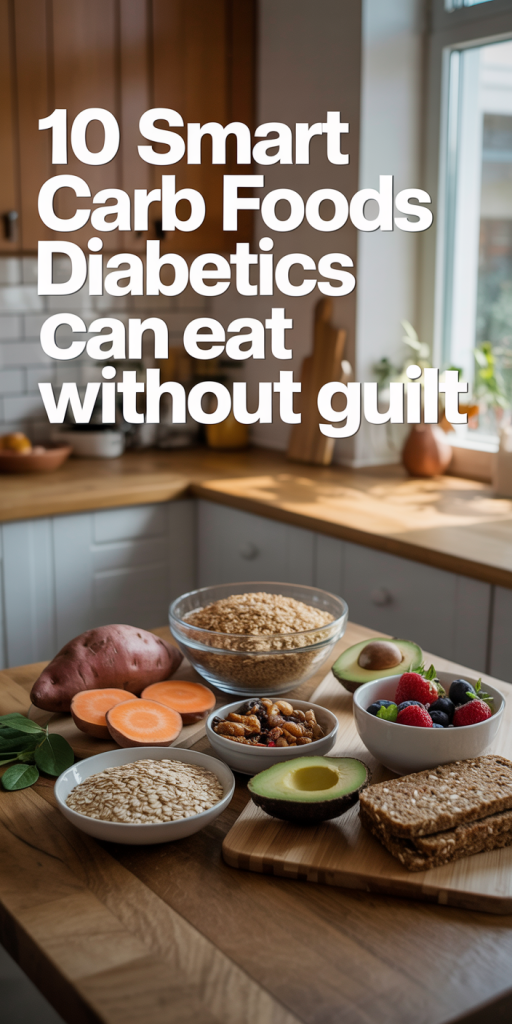
10 Smart Carb Foods Diabetics Can Eat Without Guilt: Blood‑Sugar Friendly Choices For 2026
Managing carbohydrates doesn’t mean giving up delicious, satisfying meals. In 2026 we have clearer guidance and better food choices than ever before, so we can eat carbs that support steady blood sugar, reduce cravings, and keep meals enjoyable.
In this text we’ll explain what makes a carb “smart” for people with diabetes, practical ways to add those carbs into meals, and nine specific, research-backed foods to reach for, from steel‑cut oats at breakfast to berries and legumes at snacks and meals. For each food we’ll cover why it’s blood‑sugar friendly, how to portion it, and easy ways to include it in our weekly menu. Our goal is to give actionable, evidence-based options you can use right away, not vague rules that leave you hungry.
Let’s jump into smart carbs that help stabilize glucose, support overall nutrition, and keep eating enjoyable.
What Makes A Carb “Smart” For People With Diabetes
Not all carbs are created equal, and with diabetes the difference matters. When we call a carbohydrate “smart,” we mean it has characteristics that help blunt rapid glucose rises, provide sustained energy, and deliver nutrients beyond simple calories.
Key features of a smart carb:
- Low or moderate glycemic impact: It produces a slower, lower rise in blood glucose. That’s often measured as a low to moderate glycemic index (GI) and glycemic load (GL), but context matters, portion size and what we eat it with change the outcome.
- High fiber content: Soluble fiber slows digestion and glucose absorption, and insoluble fiber adds bulk and supports gut health. Foods with 3+ grams of fiber per serving are particularly useful.
- Protein and/or healthy fats present or paired: Combining carbs with protein or fat reduces post‑meal glycemic spikes and increases satiety.
- Nutrient density: Smart carbs provide vitamins, minerals, antioxidants, and phytonutrients, not just empty calories.
- Minimally processed: Less processing usually preserves fiber and slows digestion. Whole grains, intact legumes, and whole fruits beat refined flours and sugars most days.
We’ll look at foods that meet several of these criteria, and we’ll give practical portion and pairing tips so the carbs behave like partners in glucose control, not saboteurs.
How To Add Smart Carbs To Your Meals — Portion, Pairing, And Timing Tips
Adding smart carbs to our meals isn’t about strict forbidden lists: it’s about strategy. Here are straightforward principles we can use daily.
Portion control: Even smart carbs affect glucose if portions are large. We aim for modest carbohydrate servings, typically 15–30 grams per snack and 30–45 grams per meal for many adults, adjusted by activity, medications, and individual goals. Use a kitchen scale or measuring cups at first, and track how a standard portion affects your glucose to personalize servings.
Pairing for balance: Always combine carbs with protein, fiber, and a little healthy fat. Example: a half-cup of cooked quinoa with grilled salmon and steamed broccoli: or an apple with 2 tablespoons of nut butter. These pairings slow absorption and increase fullness.
Timing and distribution: Spread carbs across the day to avoid glucose swings. If we exercise, we can time slightly larger carb portions around activity to support performance and recovery.
Choose minimally processed options: Swap white bread for whole-grain or sprouted varieties, choose intact grains (like steel‑cut oats) rather than instant, and prefer whole fruits to juices.
Monitor and adapt: Use continuous glucose monitoring (CGM) or fingerstick checks to see real responses. What’s “smart” can vary, we’ll show typical portions and meal ideas for each food so you can test and adjust.
Finally, think satisfaction. Smart carbs should leave us nourished and satisfied: that’s how we stay consistent long term.
Steel‑Cut Oats: A Slow‑Release Breakfast That Keeps Cravings Down
Why it’s smart: Steel‑cut oats are oat groats cut into pieces, not rolled thin. Because they’re less processed, they digest more slowly and tend to have a lower glycemic response than instant oats. They’re rich in soluble beta‑glucan fiber, which helps blunt post‑meal glucose and supports LDL cholesterol reduction, a bonus for cardiovascular risk management.
Portion and pairing: A typical portion is 1/4 to 1/2 cup dry (about 40–80 g), which yields roughly 150–300 kcal depending on water. Cook with water or unsweetened plant milk, then add protein and fat: think 2 tablespoons of chopped walnuts, 1 tablespoon of flaxseed, and a scoop (20 g) of Greek yogurt or protein powder. That combo slows absorption and increases satiety.
Meal ideas and swaps: Make overnight steel‑cut oat porridge and portion into jars. Stir in cinnamon and a small handful of berries instead of sugar. For a savory option, cook oats with broth, stir in sautéed spinach and an egg, and top with avocado.
Practical tip: They take longer to cook, so batch‑cook 4–5 servings and refrigerate. Reheat with splash of water: the texture holds well. For those using insulin or medications, measure post‑meal glucose once to see individual response and tweak portion size.
Quinoa: Protein‑Packed Whole Grain For Balanced Blood Sugar
Why it’s smart: Quinoa is technically a seed but behaves like a whole grain. It contains complete protein, meaning it has all nine essential amino acids, and provides more protein per cup than most grains. That protein, paired with its fiber, helps moderate post‑meal glucose and keeps us fuller longer.
Portion and pairing: A standard cooked serving is 1/2 cup (about 90–100 g cooked), delivering roughly 20–25 g of carbs, 4–6 g of protein, and 2–3 g of fiber depending on the variety. Combine quinoa with lean protein (chicken, tofu, fish) and non‑starchy vegetables to create a balanced plate.
Meal ideas and swaps: Use quinoa as a base for grain bowls, roasted vegetables, chickpeas, a drizzle of olive oil, and lemon. Swap white rice for quinoa in stir‑fries and burrito bowls. Make a chilled quinoa salad with cucumbers, cherry tomatoes, herbs, and a vinaigrette for a ready‑to‑eat lunch.
Flavor & convenience tips: Rinse quinoa before cooking to remove natural saponins that can taste bitter. Cook in vegetable or chicken broth for added flavor. Leftovers keep well and reheat without losing texture, perfect for meal prep.
Monitoring note: Quinoa’s carbohydrate content is moderate: if we’re counting carbs precisely for insulin dosing, weigh cooked portions and log the grams to match our regimen.
Sweet Potatoes: Nutrient‑Dense, High‑Fiber Comfort Food
Why it’s smart: Sweet potatoes are a complex carbohydrate loaded with fiber, vitamin A (beta‑carotene), potassium, and antioxidants. Their fiber slows glucose uptake, and they’re more nutrient‑dense than many starchy sides, making them a smart swap for white potatoes or refined grains.
Portion and pairing: A medium sweet potato (about 130–150 g cooked) provides roughly 20–25 g of carbs and 3–4 g of fiber. Pair it with protein and healthy fat, for example, grilled chicken and a dollop of Greek yogurt or cottage cheese, to minimize blood sugar spikes.
Cooking methods matter: Boiling, steaming, or roasting with the skin on helps preserve nutrients and fiber. Avoid smothering sweet potatoes in sugary sauces or marshmallow toppings. A simple roast with olive oil, rosemary, and black pepper drives more stable glucose responses than candied versions.
Meal ideas and swaps: Try baked sweet potato halves topped with black beans, salsa, and a sprinkle of cheddar for a balanced meal. Mash them with cinnamon and a small amount of butter instead of starchy mashed potatoes. For breakfast, dice and roast sweet potatoes into a hash with onions and eggs.
Practical tip: Glycemic responses can vary by variety and ripeness. We recommend testing a typical portion after a meal to confirm how your blood sugar reacts, then adjusting portion sizes or pairings as needed.
Legumes (Lentils And Chickpeas): Low Glycemic, High Fiber And Protein
Why they’re smart: Lentils and chickpeas are carbohydrate foods that bring substantial fiber and plant protein, a combination that slows digestion and blunts glucose excursions. They also have a low glycemic index compared with many starchy foods and contribute potassium, magnesium, and folate.
Portion and pairing: A common serving is 1/2 cup cooked (about 100–120 g), supplying roughly 20–25 g of carbs, 8–10 g of protein, and 6–8 g of fiber. Pair legumes with leafy greens, a lean protein if desired, and a little healthy fat (olive oil, tahini) to build a low‑GI meal.
Meal ideas and swaps: Keep a jar of cooked lentils or canned chickpeas (rinsed) on hand. Toss them into salads, make a hearty lentil soup with carrots and celery, or roast chickpeas with spices for a crunchy snack. Use mashed chickpeas as a lower‑GI binder in vegetarian patties instead of breadcrumbs.
Culinary and digestive tips: Soaking and rinsing dried legumes reduces oligosaccharides that can cause gas: cooking them thoroughly helps too. Spices like cumin, turmeric, and coriander make them more appealing while adding antioxidant benefits.
Why we like them long‑term: Regular legume intake is associated with improved glycemic control in studies and can replace animal protein on some days, helping lower saturated fat intake while keeping meals satisfying.
Berries: Low‑Sugar Fruits With Big Antioxidant Benefits
Why they’re smart: Berries, strawberries, blueberries, raspberries, blackberries, are relatively low in sugar compared with many fruits and high in fiber and polyphenols (antioxidants). These compounds may improve insulin sensitivity and reduce inflammation, offering metabolic benefits beyond carbohydrate content.
Portion and pairing: A standard portion is 3/4 to 1 cup (about 100–150 g), which typically provides 8–15 g of carbs and 3–6 g of fiber depending on the berry. Pair berries with protein or fat, plain Greek yogurt, cottage cheese, or a handful of almonds, to blunt the glucose response and extend satiety.
Meal and snack ideas: Add berries to steel‑cut oats or quinoa breakfast bowls, make a mixed‑berry salad with mint and lemon for dessert, or blend a small berry smoothie with protein powder and unsweetened almond milk for a balanced snack.
Convenience and storage: Frozen berries are nutrition‑dense, usually less expensive, and perfect for keeping on hand. They’re great in oatmeal, smoothies, or thawed on yogurt without added sugars.
Monitoring note: Some people find blueberries produce a slightly higher glucose rise than raspberries or blackberries: if you’re using insulin or a CGM, test typical portions to see which berries suit you best.
Non‑Starchy Vegetables (Broccoli, Spinach, Peppers): Bulk Without Blood Sugar Spikes
Why they’re smart: Non‑starchy vegetables deliver volume, fiber, vitamins, and minerals for very few digestible carbs. Because they have negligible impact on blood glucose, they’re excellent for adding bulk to meals so we feel full without adding a large carbohydrate load.
Serving guidance: Aim to fill half our plate with non‑starchy vegetables at meals. A cup of raw leafy greens or 1/2 cup cooked vegetables contributes very few carbs but adds micronutrients and fiber. Cruciferous vegetables like broccoli and Brussels sprouts also provide sulforaphane and other beneficial phytochemicals.
Meal ideas and swaps: Swap a portion of rice or pasta for a bed of sautéed spinach and mushrooms. Make a vegetable‑heavy stir‑fry with strips of bell pepper, snap peas, and broccoli over a modest portion of quinoa. Spiralized zucchini or spaghetti squash make low‑carb pasta alternatives that bulk up dishes.
Cooking tips: Roasting concentrates flavor and makes veggies more satisfying: toss with a small amount of oil and season well. Add garlic, lemon, or a sprinkle of grated Parmesan to increase appeal without adding refined carbs.
Why we lean on them: Non‑starchy vegetables are the easiest way to reduce overall meal glycemic load while improving nutrient intake, a foundational habit for diabetes management.
Whole Fruits Like Apples And Pears: Fiber‑Rich Snacks That Stabilize Glucose
Why they’re smart: Whole fruit contains fiber, water, and structure that slow carbohydrate absorption compared with fruit juices or sweetened fruit products. Apples and pears, eaten with the skin, give a solid dose of soluble and insoluble fiber which helps blunt glucose responses and supports gut health.
Portion and pairing: Choose a small to medium apple or pear (about 150 g) as a snack, roughly 15–25 g of carbs with 3–5 g of fiber. Pair with protein or fat, such as 1–2 tablespoons of nut butter, a small piece of cheese, or a handful of nuts to reduce post‑prandial spikes and increase staying power.
Meal ideas and swaps: Slice apples into salads with walnuts and blue cheese: dice pears into a grain bowl with quinoa and roasted squash. Replace sweet desserts or processed snacks with a fruit‑plus‑protein combo to satisfy sweet cravings without large glucose swings.
Convenience and monitoring: Whole fruits travel well and don’t require refrigeration for short periods. If we’re on insulin or using medication that risks hypoglycemia, carrying a small fruit portion is useful: otherwise fruits are safe, nutrient‑dense choices for daily eating.
Caveat: Dried fruits and fruit juices concentrate sugars and act more like sugary snacks, we recommend limiting those or accounting for them explicitly in carb counts.
Conclusion
Smart carbs aren’t off‑limits, they’re tools. By choosing minimally processed, fiber‑rich options and pairing them with protein and healthy fats, we can enjoy satisfying meals while keeping blood sugar stable. In practice, that means simple swaps: steel‑cut oats for instant cereal, quinoa for white rice, legumes for processed sides, and whole fruits or berries for sugary desserts.
We recommend experimenting with portions and monitoring your personal response, using a CGM or fingerstick checks, and building a weekly rotation of these foods so healthy choices become effortless. With these nine options and practical pairing strategies, we can make carbohydrates work for us, not against us, and still enjoy varied, flavorful meals in 2026 and beyond.