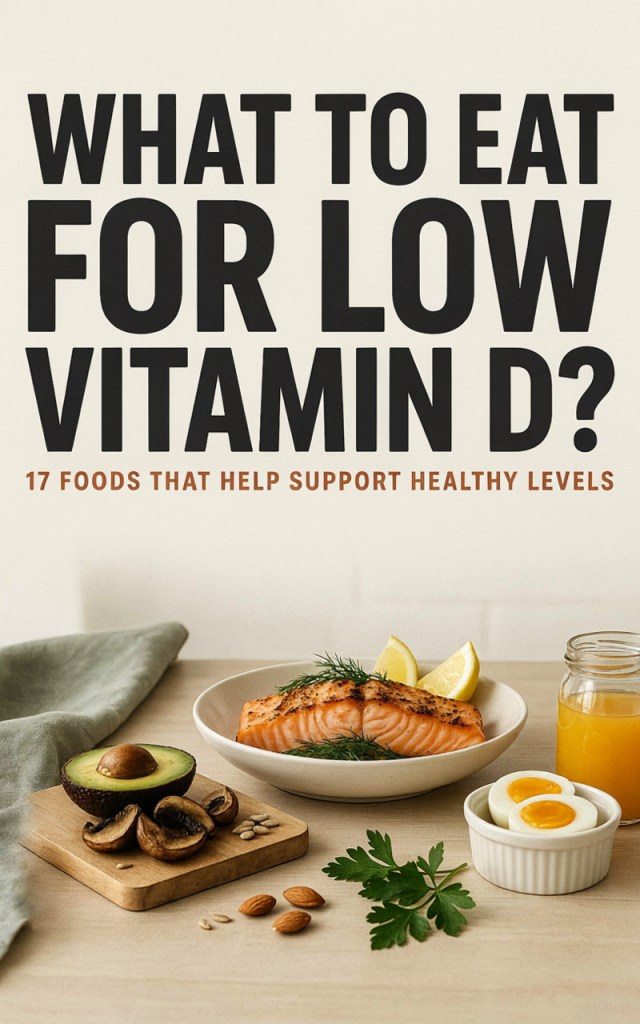
What Should I Eat for Low Vitamin D? 17 Foods That Help Support Healthy Levels
Vitamin D is essential for bone health, immune function, mood regulation, and more — yet a surprising number of people worldwide have low vitamin D levels. If you’ve been told your vitamin D is low, you’re not alone. Diet can help, and while sunlight and supplements are often necessary to fully correct a deficiency, certain foods can meaningfully support healthy vitamin D status. This article walks through 17 vitamin D–containing foods, how much vitamin D they provide, practical tips for getting the most from them, and tasty recipes to help you build vitamin D–friendly meals.
Read on to learn which foods to prioritize, how to combine them for better absorption, when to consider supplements, and three simple recipes you can try this week.
Why vitamin D matters (quick primer)
Vitamin D is a fat-soluble nutrient that acts like a hormone in the body. It helps regulate calcium and phosphorus absorption for healthy bones, supports immune function, and influences muscle function and mood. Deficiency is associated with increased risk of fractures, weakened immune responses, and fatigue. Your body most efficiently makes vitamin D in response to sunlight (UVB), but factors such as season, latitude, skin pigmentation, sunscreen, and time spent indoors can limit production — which makes dietary sources and supplements important for many people.
Two common forms:
– Vitamin D3 (cholecalciferol) — typically found in animal foods; more effective at raising blood levels.
– Vitamin D2 (ergocalciferol) — found in some mushrooms and used in some fortified foods; less potent but still useful.
Always confirm your levels with a blood test and discuss treatment with your healthcare provider.
How much vitamin D do you need?
Recommendations vary by country and age, but general guidance for adults:
– 600–800 IU (15–20 mcg) daily is typical for most adults.
– Older adults, people with obesity, those with darker skin, or those limited to minimal sun exposure may require higher intakes.
– Therapeutic doses for deficiency are individualized and often prescribed by a clinician.
Dietary sources rarely deliver very high doses alone (with exceptions like cod liver oil), so food should be one part of an overall plan that may include supplements and sensible sun exposure.
17 Foods That Help Support Healthy Vitamin D Levels
Below are 17 foods that contain or are commonly fortified with vitamin D. I list practical serving information and tips for each so you can pick the ones that fit your lifestyle and tastes.
1. Wild-caught salmon
- Why it helps: One of the richest natural food sources of vitamin D (mostly D3).
- Typical content: A 3.5-ounce (100 g) serving of wild salmon can provide roughly 400–988 IU (10–25 mcg) depending on species and season.
- Tip: Opt for wild if possible — it often contains higher vitamin D than farmed. Grill or bake to preserve nutrients.
2. Mackerel
- Why it helps: Fatty and rich in vitamin D and omega-3s.
- Typical content: Around 360 IU (9 mcg) per 3.5-ounce serving (varies).
- Tip: Try broiled mackerel with lemon and herbs — the fat helps absorption.
3. Sardines (canned in oil)
- Why it helps: Convenient, affordable, and nutrient-dense with vitamin D and calcium (if bones are included).
- Typical content: About 150–250 IU (4–6 mcg) per 3.5-ounce serving.
- Tip: Eat on whole-grain toast with avocado for a quick vitamin D + healthy fats meal.
4. Canned tuna (light)
- Why it helps: Readily available and shelf-stable source of vitamin D.
- Typical content: Roughly 150–200 IU (4–5 mcg) per 3-ounce can (light tuna).
- Tip: Combine with olive oil and leafy greens to maximize absorption.
5. Herring (pickled or fresh)
- Why it helps: Traditional source of vitamin D in many cultures.
- Typical content: Varies; pickled herring can provide 200–300 IU (5–8 mcg) per serving.
- Tip: Enjoy small portions as an appetizer with rye or whole-grain crackers.
6. Cod liver oil
- Why it helps: Extremely concentrated source of vitamin D and vitamin A.
- Typical content: One teaspoon can deliver 450–1,360 IU (11–34 mcg) depending on brand and formulation.
- Caution: Because it contains high vitamin A, avoid excessive intake and consult your provider, especially in pregnancy.
7. Fortified cow’s milk
- Why it helps: Milk in many countries is fortified with vitamin D (D3 or D2).
- Typical content: Typically 100 IU (2.5 mcg) per 8-ounce cup.
- Tip: Use for drinking, cooking, and smoothies. Choose fortified whole milk for better fat to help absorption.
8. Fortified plant-based milks (soy, almond, oat)
- Why it helps: Many plant milks are fortified to match cow’s milk vitamin D.
- Typical content: Often ~100 IU (2.5 mcg) per 8-ounce serving (check labels).
- Tip: Check nutrition labels — fortification and calcium levels vary by brand.
9. Fortified orange juice
- Why it helps: A convenient breakfast option that’s often fortified with vitamin D and calcium.
- Typical content: Around 100 IU (2.5 mcg) per cup if fortified.
- Tip: Pair with a high-protein breakfast to slow sugar absorption and add healthy fats for vitamin D uptake.
10. Fortified breakfast cereals
- Why it helps: Many ready-to-eat cereals are fortified with vitamin D and B vitamins.
- Typical content: Varies widely — often 40–100 IU (1–2.5 mcg) per serving.
- Tip: Combine fortified cereal with fortified milk or plant milk for additive vitamin D.
11. Egg yolks
- Why it helps: Natural but modest source of vitamin D3.
- Typical content: One large egg yolk provides about 37 IU (1 mcg) (varies by hen diet).
- Tip: Pasture-raised or vitamin D–fed hens may produce eggs higher in vitamin D. Serve with vegetables and a healthy fat source.
12. UV-exposed mushrooms
- Why it helps: When exposed to UV light (natural or artificial), mushrooms produce vitamin D2.
- Typical content: A cup of UV-exposed mushrooms can provide 400 IU (10 mcg) or more depending on exposure; typical supermarket mushrooms may be low unless labeled “UV-exposed.”
- Tip: Look for “UV-exposed” or “vitamin D fortified” on packaging, or briefly expose mushrooms to sunlight at home before cooking to boost their D2.
13. Fortified yogurt
- Why it helps: Some yogurts are fortified with vitamin D in addition to calcium and probiotics.
- Typical content: Often 40–80 IU (1–2 mcg) per serving; check labels.
- Tip: Choose full-fat varieties for better absorption and top with vitamin D–rich ingredients like sardines or fortified cereal for a savory twist.
14. Beef liver
- Why it helps: Organ meats contain multiple nutrients including vitamin D.
- Typical content: Variable, but a small serving can contribute to daily needs.
- Tip: Because of its strong flavor, use in pâtés or mix small amounts into dishes to boost nutrient density.
15. Cheese (e.g., Swiss, cheddar)
- Why it helps: Contains small amounts of vitamin D; some cheeses have modest levels.
- Typical content: Varies by type; not a major source but contributes when combined with other foods.
- Tip: Use cheese in recipes that also include fatty fish, eggs, or fortified dairy to increase overall intake.
16. Fortified tofu (calcium- or vitamin D–fortified)
- Why it helps: Some tofu is fortified with vitamin D and calcium, making it a plant-based option for vegans and vegetarians.
- Typical content: Check packaging; fortified tofu can provide meaningful vitamin D per serving.
- Tip: Marinate and pan-sear fortified tofu; include in stir-fries with mushrooms for a vitamin D–rich meal.
17. Anchovies
- Why it helps: Small oily fish that supply vitamin D and can be used as a flavor booster.
- Typical content: Smaller per serving than salmon, but useful as a regular addition to meals.
- Tip: Add anchovies to salads, wholewheat pasta, or tapenades to boost vitamin D, omega-3s, and savory umami flavor.
Practical tips for getting the most vitamin D from food
- Include healthy fats: Vitamin D is fat-soluble, so eat vitamin D–containing foods with dietary fat (olive oil, avocado, nuts) to improve absorption.
- Combine fortified foods: Pair fortified cereal with fortified milk or yogurt — amounts add up.
- Rotate fish types: Different fish offer different amounts; rotate salmon, sardines, mackerel, and tuna to keep meals interesting.
- Watch labeling: For fortified foods, check if they specify D2 or D3 and the exact IU per serving.
- Consider mushrooms: Choose UV-exposed mushrooms or briefly sun-expose them at home (e.g., place sliced mushrooms in sunlight for 15–30 minutes) before cooking to increase vitamin D2.
- Be cautious with cod liver oil: Highly concentrated — follow dosing instructions and talk to your clinician.
When food alone may not be enough
If your blood test shows deficiency, your healthcare provider may recommend a vitamin D supplement (often D3) at therapeutic doses to quickly restore levels. Factors such as obesity, malabsorption syndromes, certain medications, and limited sunlight can necessitate higher intakes. Never self-prescribe high-dose vitamin D for prolonged periods without medical supervision.
3 Easy Recipes and Meal Ideas (explicitly listed)
Below are three recipe-style meal ideas that incorporate multiple vitamin D–rich foods. Each recipe lists ingredients as bullet points and instructions as numbered steps.
Recipe 1: Baked Salmon with Sautéed UV-Exposed Mushrooms and Greens
Ingredients
– 4 salmon fillets (4–6 oz each), wild-caught if possible
– 2 cups UV-exposed mushrooms, sliced (or portobello/shiitake labeled “UV-exposed”)
– 4 cups mixed leafy greens (spinach, kale, or chard)
– 2 tablespoons olive oil
– 1 lemon (zested and juiced)
– 2 cloves garlic, minced
– Salt and pepper to taste
– Optional: 1 tablespoon chopped fresh parsley or dill
Instructions
1. Preheat oven to 400°F (200°C). Line a baking sheet with foil or parchment.
2. Place salmon fillets skin-side down, drizzle with 1 tablespoon olive oil, lemon zest, salt, and pepper.
3. Bake salmon for 12–15 minutes, until cooked through and flakes easily.
4. While salmon bakes, heat remaining olive oil in a large skillet over medium heat. Add garlic and sauté 30 seconds.
5. Add sliced mushrooms and cook 5–7 minutes until tender and lightly browned.
6. Add leafy greens to the skillet and sauté until wilted (2–3 minutes). Season with salt, pepper, and lemon juice.
7. Plate salmon over the sautéed mushrooms and greens, sprinkle with parsley or dill, and serve immediately.
Recipe 2: Sardine and Avocado Toast (Quick Vitamin D Snack)
Ingredients
– 1 can sardines in olive oil (drained slightly)
– 2 slices whole-grain bread, toasted
– 1 ripe avocado
– 1 teaspoon lemon juice
– Pinch of sea salt and black pepper
– Optional: red pepper flakes or chopped fresh herbs
Instructions
1. Toast the whole-grain bread to your liking.
2. Mash the avocado in a bowl with lemon juice, salt, and pepper.
3. Spread mashed avocado evenly on each slice of toast.
4. Top with sardine fillets (whole or flaked), sprinkle with red pepper flakes or herbs if using, and serve.
Recipe 3: Fortified Orange Smoothie with Egg Yolk Oats (Breakfast for Better D)
Ingredients
– 1 cup fortified orange juice (or fortified plant milk)
– 1/2 cup fortified yogurt (plain or flavored)
– 1/2 cup rolled oats
– 1 large egg yolk (pasteurized if preferred for safety)
– 1 small banana
– 1 tablespoon chia seeds or flaxseed
– 1/2 teaspoon cinnamon
– Ice as needed
Instructions
1. In a blender, combine fortified orange juice (or plant milk), fortified yogurt, banana, oats, chia seeds, and cinnamon.
2. Add the pasteurized egg yolk (or use a cooked soft-boiled egg yolk if you prefer to avoid raw eggs).
3. Blend until smooth, adding ice to reach your desired consistency.
4. Pour into a glass and enjoy immediately for a creamy, vitamin D–boosting start to your day.
Safety notes and special populations
- Pregnant and breastfeeding women: Discuss supplements and cod liver oil use with your healthcare provider because of vitamin A content.
- Infants: Breast milk alone may not provide enough vitamin D; pediatricians often recommend infant vitamin D drops.
- People on certain medications (anticonvulsants, glucocorticoids, some weight-loss drugs) or with conditions like Crohn’s disease should consult their clinician about monitoring and dosing.
- Vitamin D toxicity is rare but possible with excessive supplementation — symptoms include nausea, weakness, and hypercalcemia. Always follow medical advice.
Final tips for integrating vitamin D foods into daily life
- Make fatty fish a regular habit: Aim to eat fatty fish like salmon or mackerel 2–3 times per week when possible.
- Use fortified staples: Choose fortified milk or plant milk and fortified cereals to add regular vitamin D without changing your diet dramatically.
- Keep convenient options on hand: Canned sardines, canned tuna, and fortified yogurts are easy to store and use for quick meals.
- Pair with healthy fats: Olive oil, avocado, and nuts make vitamin D more bioavailable.
- Check labels: Fortification levels vary — reading labels helps you make targeted choices.
- Test and track: Get a 25(OH)D blood test if you suspect deficiency and follow your provider’s plan.
Conclusion
If your vitamin D is low, food can play an important supportive role alongside sunlight and, when needed, supplements. The 17 foods above — especially fatty fish like salmon and mackerel, fortified milks and cereals, UV-exposed mushrooms, egg yolks, and options like cod liver oil and sardines — give you practical, tasty ways to raise your intake. Use the recipes and tips to create consistent habits, pair vitamin D foods with healthy fats, and work with your healthcare provider to monitor levels and determine whether supplementation is warranted.
You don’t need to overhaul your diet overnight. Start by including one or two vitamin D–rich items each day (for example, a fortified milk at breakfast and salmon twice weekly), and reassess your levels after a few months. Small, sustainable changes add up — and they can make a meaningful difference to your bone health, energy, and overall well-being.