
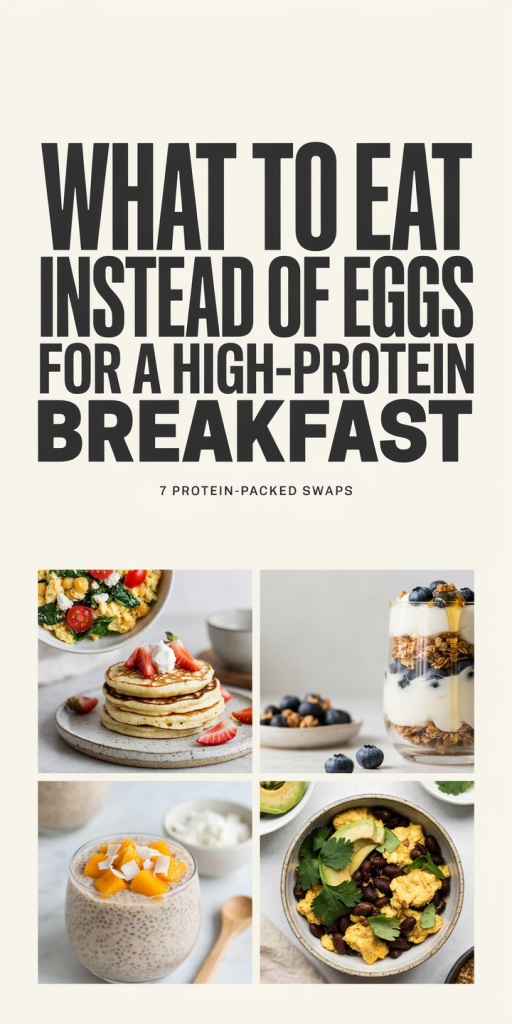
What Can I Eat Instead of Eggs for a High-Protein Breakfast?
Eggs are a classic breakfast protein — quick, versatile and nutrient-dense. But whether you’re allergic, avoiding animal products, bored of the same scramble, or just trying to diversify your routine, there are plenty of delicious, high-protein egg-free breakfasts that keep you full, support muscle repair, and start your day on the right foot. This guide walks through practical swaps, science-backed protein targets, and 12 complete, tasty breakfast recipes and ideas that replace eggs without sacrificing protein.
Introduction
If you’re wondering “What can I eat instead of eggs for a high-protein breakfast?” you’ve come to the right place. This article explains why protein at breakfast matters, how much you should aim for, and gives 12 chef-tested, nutrition-minded breakfast recipes and meal ideas — all egg-free, many dairy-free or easily modified — with ingredients and step-by-step instructions so you can try them today.
Whether you’re a vegetarian, vegan, have an egg allergy, or simply want variety, these options are designed to be satisfying, balanced, and easy to prepare or meal-prep. Read on for inspiration, swaps, and tips to optimize a protein-rich start to your day.
Why a High-Protein Breakfast Matters
- Protein helps you feel full longer by slowing the digestion of carbohydrates and increasing satiety hormones.
- A morning protein hit supports muscle protein synthesis (especially important if you’re active), helps maintain lean body mass during weight loss, and stabilizes blood sugar levels.
- Many studies recommend 20–30 grams of protein per meal as an effective target for most adults to stimulate muscle maintenance and satiety; athletes or larger individuals may want more.
With that target in mind, the recipes below are structured to provide roughly 15–40 grams of protein per serving (estimates provided) and include easy options for boosting or modifying protein amounts.
Quick tips before you swap eggs
- Aim for a mix of protein + fiber + healthy fat for lasting energy.
- Use concentrated protein sources (Greek yogurt, cottage cheese, tofu, tempeh, legumes, protein powders) rather than relying only on whole grains.
- Combine complementary plant proteins (e.g., legumes + grains) to improve amino-acid variety.
- Meal prep components like cooked quinoa, roasted tofu/tempeh, or portioned Greek yogurt to save time.
12 High-Protein, Egg-Free Breakfast Ideas
Below are 12 complete meal ideas. Each includes a brief description, a protein estimate per serving, ingredients (bulleted list), and step-by-step instructions (numbered list). Modify portion sizes to reach your specific protein goals.
1) Greek Yogurt Protein Parfait (approx. 25–35 g protein)
A quick, creamy option that’s easy to customize. Choose full-fat or low-fat Greek yogurt for different calorie needs.
Ingredients
– 1 cup plain Greek yogurt (200–220 g)
– 1/2 scoop whey or plant-based protein powder (vanilla or unflavored)
– 1/4 cup mixed berries (fresh or frozen)
– 2 tbsp chopped nuts (almonds or walnuts)
– 1 tbsp chia seeds or ground flaxseed
– 1–2 tsp honey or maple syrup (optional)
Instructions
1. Stir the protein powder into the Greek yogurt until smooth and fully incorporated.
2. Spoon half the yogurt into a bowl or jar, add half the berries and half the nuts, then layer the remaining yogurt.
3. Top with remaining berries, nuts, and chia seeds.
4. Drizzle honey or maple syrup if desired. Serve immediately or refrigerate for up to 24 hours.
Variations: Use dairy-free yogurt + plant protein for a vegan option; swap fruit and nut toppings.
2) Savory Cottage Cheese Bowl (approx. 20–28 g protein)
Cottage cheese is a powerhouse breakfast ingredient — high in casein protein and very filling.
Ingredients
– 1 cup low-fat cottage cheese
– 1/2 cup cherry tomatoes, halved
– 1/4 cup cucumber, diced
– 1 tbsp chopped chives or scallions
– 1 tbsp pumpkin seeds
– Salt, pepper, and a squeeze of lemon to taste
Instructions
1. Place cottage cheese in a bowl.
2. Top with tomatoes, cucumber, chives, and pumpkin seeds.
3. Season with salt, pepper, and lemon juice. Mix and enjoy.
Tip: Add 1/4 cup cooked quinoa or whole-grain toast on the side to round out fiber.
3) Tofu Scramble with Spinach and Mushrooms (approx. 18–25 g protein)
Tofu scramble mimics scrambled eggs but is soy-based and highly customizable.
Ingredients
– 200 g firm tofu, drained and crumbled
– 1 cup baby spinach
– 1/2 cup sliced mushrooms
– 1 small onion, diced
– 1 tbsp nutritional yeast (optional, for cheesy flavor)
– 1 tsp turmeric for color, 1 tbsp olive oil
– Salt and pepper to taste
Instructions
1. Heat oil in a non-stick skillet over medium heat. Sauté onion until translucent.
2. Add mushrooms and cook until softened.
3. Add crumbled tofu, turmeric, salt, and pepper; stir to combine.
4. Cook 4–6 minutes, then stir in spinach until wilted.
5. Sprinkle nutritional yeast, adjust seasoning, and serve.
Variation: Use tempeh crumbles for a nuttier texture.
4) Chickpea Flour Pancakes (Besan Chilla) with Veggies (approx. 15–20 g protein)
A savory, quick pancake made from chickpea (gram) flour — naturally high in protein.
Ingredients
– 1 cup chickpea flour (besan)
– 1 cup water (adjust for batter consistency)
– 1/2 cup grated zucchini or finely chopped spinach
– 1 small tomato, diced
– 1/4 tsp turmeric, 1/4 tsp cumin
– Salt, pepper, and 1 tbsp olive oil for cooking
Instructions
1. Whisk chickpea flour with water, turmeric, cumin, salt and pepper into a smooth batter.
2. Fold in vegetables.
3. Heat a skillet with a little oil. Pour 1/3 cup batter and spread thin into a pancake.
4. Cook 2–3 minutes per side until golden and cooked through.
5. Serve with yogurt or chutney. For higher protein, serve with 1/2 cup cottage cheese or Greek yogurt on the side.
5) Protein Oatmeal with Nut Butter and Seeds (approx. 25–40 g protein)
A powerhouse breakfast: oats + protein powder + nut butter = long-lasting fullness.
Ingredients
– 1/2 cup rolled oats
– 1 cup milk or fortified plant milk
– 1 scoop protein powder (whey or plant-based)
– 1 tbsp peanut or almond butter
– 1 tbsp chia or hemp seeds
– 1/2 banana, sliced, and cinnamon to taste
Instructions
1. Cook oats with milk according to package instructions.
2. Remove from heat and stir in protein powder until smooth.
3. Stir in nut butter, top with banana and seeds, sprinkle cinnamon, and serve.
Tip: For extra protein, stir in 1/4 cup cottage cheese after cooking.
6) Smoked Salmon and Avocado Toast on Whole Grain (approx. 20–30 g protein)
This open-faced sandwich is sophisticated and loaded with omega-3s and protein.
Ingredients
– 2 slices whole-grain bread
– 3–4 oz smoked salmon
– 1/2 avocado, mashed
– 2 tbsp low-fat cream cheese or cottage cheese (optional)
– Lemon wedge, dill, salt and pepper
Instructions
1. Toast bread slices to desired crispness.
2. Spread cream cheese or cottage cheese on toast if using.
3. Mash avocado and layer on toast. Top with smoked salmon.
4. Squeeze lemon, season, and garnish with dill.
Note: Swap smoked trout or canned tuna for similar protein if you prefer.
7) Quinoa Breakfast Bowl with Black Beans and Salsa (approx. 18–25 g protein)
Quinoa and black beans combine to form a complete plant-protein breakfast.
Ingredients
– 1 cup cooked quinoa
– 1/2 cup cooked black beans (rinsed)
– 1/4 cup corn (optional)
– 1/4 cup salsa
– 1/4 avocado, sliced
– Fresh cilantro, lime wedge, and hot sauce (optional)
Instructions
1. Warm cooked quinoa and black beans in a pan or microwave.
2. Combine in a bowl and top with salsa, avocado, and corn.
3. Garnish with cilantro, squeeze lime, and serve.
Variation: Add a spoonful of plain Greek yogurt or vegan yogurt to increase protein.
8) High-Protein Smoothie Bowl (approx. 25–40 g protein)
A thick smoothie you can spoon and top with nutritious crunch.
Ingredients
– 1 frozen banana
– 1 cup frozen berries or mango
– 1/2 cup Greek yogurt or dairy-free yogurt
– 1 scoop protein powder (20–25 g)
– 1/2 cup spinach (optional)
– Toppings: granola, sliced almonds, chia seeds
Instructions
1. Blend banana, berries, yogurt, protein powder, and spinach with a splash of milk until thick and smooth.
2. Pour into a bowl and add toppings.
3. Eat immediately with a spoon.
Tip: For a vegan version use plant protein and soy or pea-based yogurt.
9) Tempeh Breakfast Sandwich (approx. 20–30 g protein)
Tempeh is fermented soy with a firm texture and robust protein content, perfect for a hearty sandwich.
Ingredients
– 4 oz tempeh, sliced thin
– 1 tbsp soy sauce or tamari
– 1 tsp maple syrup
– 1 whole-grain English muffin or bread
– 1 slice vegan cheese or 1 tbsp avocado
– Lettuce or baby spinach
Instructions
1. Marinate tempeh slices briefly in soy sauce and maple syrup (5–10 minutes).
2. Pan-fry tempeh in a little oil for 3–4 minutes per side until browned.
3. Toast bread, assemble sandwich with tempeh, cheese or avocado, and greens.
4. Serve warm.
Suggestion: Add sliced tomato or pickled onions for brightness.
10) Lentil and Sweet Potato Hash (approx. 18–25 g protein)
Hearty and fiber-filled, this hash is great for meal prep.
Ingredients
– 1 cup cooked lentils
– 1 small sweet potato, diced
– 1/2 bell pepper, diced
– 1 small onion, diced
– 1 tbsp olive oil, smoked paprika, salt and pepper
Instructions
1. Roast or pan-fry diced sweet potato until nearly tender.
2. In a skillet, heat oil and sauté onion and bell pepper until soft.
3. Add sweet potato and cooked lentils, season with smoked paprika, salt, and pepper.
4. Cook until heated through and slightly crispy. Serve with a dollop of yogurt or avocado.
Meal-prep: Make a big batch and reheat portions throughout the week.
11) Chia and Pea-Protein Pudding (approx. 15–25 g protein)
Chia seeds gel into a pudding base; adding pea protein yields a vegan, filling option.
Ingredients
– 3 tbsp chia seeds
– 1 cup plant milk (soy milk gives more protein)
– 1 scoop pea protein powder (unflavored or vanilla)
– 1/4 tsp vanilla extract
– Fresh fruit or nut topping
Instructions
1. Whisk plant milk and protein powder until smooth.
2. Stir in chia seeds and vanilla extract.
3. Refrigerate 4 hours or overnight until thickened.
4. Stir, top with fruit and nuts, and serve.
Tip: Use soy or pea milk for higher overall protein content.
12) Seitan and Veggie Wrap (approx. 25–35 g protein)
Seitan is wheat gluten with very high protein (not suitable for those with gluten sensitivity).
Ingredients
– 3–4 oz sliced seitan
– 1 whole-grain or high-protein wrap
– 1/4 cup hummus
– Mixed greens, shredded carrots, cucumber slices
– 1 tsp olive oil and lemon for sautéing
Instructions
1. Lightly sauté seitan in olive oil to warm and brown.
2. Spread hummus onto the wrap.
3. Layer seitan and veggies, fold and roll tightly.
4. Slice in half and enjoy warm or cold.
Alternative: Use grilled chicken or turkey slices if you eat meat.
How to Boost Protein Further (Quick Hacks)
- Add a scoop of protein powder to yogurt, smoothies, or oatmeal.
- Stir cottage cheese or Greek yogurt into soups, bowls, or porridge.
- Snack on high-protein nuts and seeds (pumpkin seeds are especially rich).
- Double up on protein-dense sides: add a serving of beans, tempeh, or cottage cheese alongside toast or porridge.
- Choose soy-based milks (soy) or fortified plant milks for higher protein content.
Vegan and Dairy-Free Modifications
- Swap Greek yogurt and cottage cheese for pea- or soy-based yogurts.
- Use tofu, tempeh, legumes, and protein powders (pea, rice, soy) as primary protein sources.
- Combine grains and legumes (quinoa + beans) to improve amino acid profiles.
Meal-Prep Strategies
- Cook a batch of quinoa, lentils, and roasted sweet potatoes at the start of the week.
- Portion and refrigerate tofu/tempeh or beans in ready-to-heat containers.
- Pre-mix dry breakfast jars (oats, protein powder, seeds) so mornings are one-step add-liquid.
- Make chia pudding or Greek yogurt parfait jars in advance for grab-and-go.
Common Concerns Answered
- Are plant proteins “complete”? Some are (soy, quinoa). If not, eating a variety across the day will supply all essential amino acids.
- Allergic to soy or gluten? Choose non-soy options like lentils, chickpeas, dairy or pea protein powders.
- Worry about calories? Protein-dense foods can be calorically varied: pair lower-fat proteins (nonfat Greek yogurt, cottage cheese, lean poultry) with fiber-rich veggies for volume without excess calories.
Final protein portion guide
- Light active adult: aim for 15–20 g at breakfast.
- Moderately active/adult aiming for muscle maintenance: 20–30 g.
- Athletes or strength-training: 30–40+ g may be appropriate; split across meals.
Conclusion
You don’t need eggs to get a powerful, protein-rich breakfast. From Greek yogurt parfaits and tofu scrambles to chickpea pancakes and hearty quinoa bowls, there are many satisfying egg-free choices that deliver the protein your body needs to feel energized and stay full through the morning. Pick a few favorites, experiment with the variations listed here, and use simple meal-prep techniques to make high-protein mornings effortless.
Start by choosing one or two recipes from this list to try this week. Small changes — adding a scoop of protein powder, swapping cow’s yogurt for Greek yogurt, or building a lentil-based hash — will make a big difference in satiety and recovery. If you have dietary restrictions or specific performance goals, consider consulting a registered dietitian for personalized targets. Enjoy the variety, and happy cooking!

