
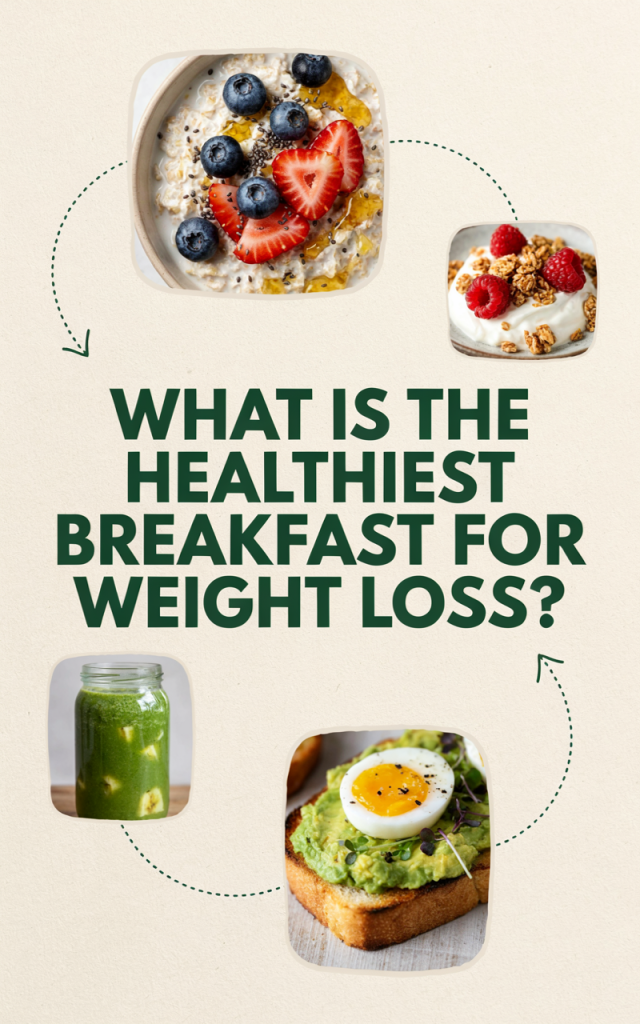
What Is the Healthiest Breakfast for Weight Loss?
An energizing breakfast can set the tone for your entire day — helping control hunger, stabilize blood sugar, and support steady weight loss. But is there a single “healthiest” breakfast that guarantees weight loss for everyone? The short answer: no. The best breakfast for weight loss is one that helps you maintain a calorie deficit while keeping you satisfied, nourished, and energized. In this article I’ll explain the science-backed components of an effective weight-loss breakfast, practical tips for building meals you’ll actually enjoy, and eight easy, delicious recipes that prioritize protein, fiber, healthy fats, and minimal added sugar.
This guide is practical and encouraging: use the principles here to build breakfasts that fit your tastes, schedule, and goals. If you like a savory start, great — if you prefer smoothies, that works too. Let’s break down what matters most and walk through recipes you can start making today.
What the research says about breakfast and weight loss
Research on breakfast and weight is complex. Some observational studies have linked regular breakfast eating with lower body weight and healthier eating patterns, while randomized controlled trials show mixed results — breakfast alone does not magically produce weight loss. The critical point is this:
- Long-term weight loss depends on total energy intake and expenditure. Total calories across the day matter most.
- Breakfast can be a strategic tool because a well-composed morning meal can reduce later overeating, improve food choices, and increase adherence to a calorie-controlled eating plan.
- Key nutritional features that help with weight control are high protein, adequate fiber, low added sugars, and moderate healthy fats. These improve satiety and reduce the likelihood of snacking on energy-dense foods later.
In short: breakfast can help you lose weight if it supports a sustainable calorie deficit and keeps you satisfied so you don’t overeat later.
Key components of a weight-loss-friendly breakfast
Here are the nutritional priorities to aim for when building breakfasts for weight loss.
Protein: the cornerstone
Protein increases fullness, preserves lean mass during weight loss, and has a higher thermic effect than carbs or fat. Aim for 15–30 grams of protein at breakfast when possible (adjust for your total caloric needs).
Fiber: fill up on bulky, low-calorie volume
Fiber slows digestion and extends satiety. Whole fruits, vegetables, oats, chia, and legumes are excellent choices. Aim for 5–10 grams of fiber at breakfast if you can.
Healthy fats: small amounts for satiety and flavor
Include moderate amounts of monounsaturated and polyunsaturated fats (avocado, nuts, seeds, olive oil). Fats slow digestion and add pleasure — don’t skip them, but keep portions mindful.
Low added sugar: prevent blood sugar spikes and cravings
High-sugar breakfasts (many cereals, pastries) can trigger hunger later. Choose naturally sweet options (berries, mashed banana) and keep added sugars low.
Volume/low energy density: eat more for fewer calories
Foods high in water and fiber (fruits, vegetables, soups, Greek yogurt with berries) provide volume and satisfaction with fewer calories.
Micronutrients: support overall health
Include foods with iron, calcium, vitamin D, B vitamins, and potassium — especially if you’re restricting calories. Eggs, dairy, leafy greens, and fortified whole grains help.
Practical tips to build weight-loss breakfasts
- Start with protein: eggs, Greek yogurt, cottage cheese, tofu, tempeh, or a protein shake.
- Add fiber: fruit, oats, chia, whole-grain toast, or vegetables.
- Include a small portion of healthy fat: 1/4 avocado, a tablespoon of nut butter, or a sprinkle of nuts/seeds.
- Keep an eye on portions: measure calorie-dense foods (nuts, oils, nut butters).
- Prep in advance: overnight oats, chia pudding, or pre-chopped vegetables make mornings easier.
- Balance convenience and whole foods: frozen berries, canned beans (rinsed), or ready-cooked eggs can save time.
- Aim for 300–500 kcal depending on your total calorie goal and activity level. Adjust to your needs.
8 Healthy Breakfast Ideas & Recipes
Below are eight concrete recipes/meal ideas. Each is built to be satisfying, relatively low in added sugar, and balanced for weight-loss-friendly nutrition. All recipes list ingredients (bulleted) and step-by-step instructions (numbered) so you can make them easily.
1) Greek Yogurt Berry + Nut Protein Bowl
A high-protein, high-satiety breakfast you can assemble in under 5 minutes.
Ingredients:
– 1 cup plain nonfat or 2% Greek yogurt (approx. 150–200 g)
– 1/2 cup mixed berries (fresh or frozen)
– 1 tablespoon chopped walnuts or almonds
– 1 tablespoon ground flaxseed or chia seeds
– Optional: 1 teaspoon honey or a sprinkle of cinnamon
Instructions:
1. Spoon the Greek yogurt into a bowl.
2. Top with berries and sprinkle with chopped nuts.
3. Add the ground flaxseed or chia seeds and cinnamon. Drizzle honey only if you need extra sweetness.
4. Stir slightly and enjoy immediately.
Why it works: high protein from yogurt plus fiber and omega-3s from seeds and nuts support fullness and balanced blood sugar.
2) Overnight Oats with Chia and Protein
Meal-prep friendly and customizable. Great for busy mornings.
Ingredients:
– 1/2 cup rolled oats
– 1 tablespoon chia seeds
– 3/4 cup milk or unsweetened plant milk
– 1/2 scoop (or 10–15 g) vanilla or unflavored protein powder (optional)
– 1/2 cup diced apple or berries
– 1/2 teaspoon cinnamon
– Optional: 1 teaspoon nut butter or a few chopped nuts for topping
Instructions:
1. In a jar or container, combine oats, chia seeds, protein powder, and cinnamon.
2. Pour in the milk and stir to combine thoroughly.
3. Stir in the diced fruit, seal the container, and refrigerate overnight (or at least 4 hours).
4. In the morning, stir again and top with nut butter or nuts if desired. Eat cold or warm briefly in the microwave.
Why it works: fiber from oats and chia plus added protein helps sustain energy and reduce mid-morning snacking.
3) Vegetable Omelet with Spinach and Tomato
A savory, low-carb option rich in protein and vegetables.
Ingredients:
– 2 large eggs (or 1 egg + 2 egg whites for lower calories)
– 1 cup fresh spinach, roughly chopped
– 1/2 small tomato, diced
– 1 tablespoon finely chopped onion (optional)
– 1 teaspoon olive oil or a non-stick cooking spray
– Salt and pepper to taste
– Optional: 1 tablespoon feta cheese or a sprinkle of shredded cheese
Instructions:
1. Whisk the eggs (and egg whites if using) with a pinch of salt and pepper.
2. Heat the olive oil in a non-stick skillet over medium heat, add onion, and sauté 1–2 minutes until translucent.
3. Add the spinach and tomato, sauté 30–60 seconds until spinach wilts.
4. Pour the eggs over the vegetables, tilting the pan to distribute evenly.
5. Cook until the eggs mostly set, then fold the omelet in half and slide onto a plate.
6. Sprinkle cheese if using and serve hot.
Why it works: eggs provide a high-quality, filling protein source and the vegetables add fiber and volume with minimal calories.
4) Tofu Scramble with Mixed Vegetables (Vegan)
A plant-based, protein-packed scramble that mimics eggs.
Ingredients:
– 200 g firm tofu, drained and crumbled
– 1/2 cup diced bell pepper
– 1/2 cup chopped spinach or kale
– 1/4 cup diced onion
– 1 clove garlic, minced
– 1/2 teaspoon turmeric (for color and mild flavor)
– 1 tablespoon nutritional yeast (optional, for a cheesy flavor)
– 1 teaspoon olive oil
– Salt and pepper to taste
– Optional: 1 tablespoon salsa or hot sauce
Instructions:
1. Heat oil in a skillet over medium heat. Add onion and garlic and sauté until fragrant.
2. Add bell pepper and cook 2–3 minutes until slightly softened.
3. Crumble the tofu into the pan, sprinkle with turmeric, nutritional yeast, salt, and pepper.
4. Stir-fry for 4–6 minutes, mixing in the spinach/kale until wilted and tofu is heated through.
5. Serve with a spoonful of salsa or hot sauce if desired.
Why it works: tofu provides complete plant protein; vegetables add fiber and volume without many calories.
5) Green Protein Smoothie
Fast, portable, and designed for satiety with protein and fiber.
Ingredients:
– 1 cup unsweetened almond milk (or milk of choice)
– 1 scoop (20–25 g) protein powder (plant or whey)
– 1 small frozen banana (or 1/2 medium)
– 1 cup fresh spinach or kale
– 1 tablespoon chia seeds or ground flaxseed
– 1/2 cup frozen berries (optional)
– Ice as needed
Instructions:
1. Add almond milk and protein powder to a blender and blend briefly to dissolve.
2. Add banana, spinach, chia seeds, and berries (if using).
3. Blend until smooth, adding ice to reach the desired thickness.
4. Pour into a to-go cup and drink within a few hours for best texture.
Why it works: provides concentrated protein, fiber, and micronutrients while being low in added sugars when you choose unsweetened ingredients.
6) Cottage Cheese with Pineapple and Flax
A simple, high-protein breakfast with a touch of sweetness and texture.
Ingredients:
– 1 cup low-fat cottage cheese
– 1/2 cup fresh or canned pineapple chunks (in juice, drained) or berries
– 1 tablespoon ground flaxseed
– Optional: a few sliced almonds or a sprinkle of cinnamon
Instructions:
1. Spoon the cottage cheese into a bowl.
2. Top with pineapple or berries.
3. Sprinkle the ground flaxseed and almonds or cinnamon if using.
4. Stir lightly and enjoy.
Why it works: cottage cheese is an inexpensive, high-protein base; fruit and flax add fiber and flavor.
7) Oat & Banana Pancakes (Two-Ingredient, Gluten-Free)
A filling pancake option made without flour — great when you crave something warm and hearty.
Ingredients:
– 1 ripe banana
– 1 large egg
– 1/4 teaspoon cinnamon (optional)
– Cooking spray or 1 teaspoon olive oil for the pan
– Optional toppings: fresh berries, plain Greek yogurt, or a light drizzle of nut butter
Instructions:
1. Mash the banana in a bowl until smooth.
2. Whisk in the egg and cinnamon to form a batter.
3. Heat a non-stick skillet over medium-low heat and grease lightly.
4. Pour small rounds of batter (about 2–3 inches wide) into the skillet and cook 1–2 minutes until bubbles form.
5. Flip and cook another 1 minute until golden and set.
6. Serve with berries and a dollop of Greek yogurt or a teaspoon of nut butter.
Why it works: this recipe is lower in calories than many pancakes, provides protein from the egg, and uses banana for natural sweetness and fiber.
8) Avocado Toast with Smoked Salmon and Egg
A balanced, flavorful breakfast with healthy fats, protein, and fiber.
Ingredients:
– 1 slice whole-grain bread, toasted
– 1/4–1/2 ripe avocado, mashed
– 1 large poached or soft-boiled egg
– 1–2 oz smoked salmon (optional but adds protein)
– Lemon juice, salt, pepper, and chopped chives or dill for garnish
Instructions:
1. Toast the whole-grain bread to your liking.
2. Mash the avocado with a squeeze of lemon juice and a pinch of salt.
3. Spread the mashed avocado on the toast.
4. Top with the poached or soft-boiled egg and smoked salmon.
5. Season with black pepper and sprinkle with chives or dill. Serve immediately.
Why it works: combines fiber-rich toast, satiating protein from egg and salmon, and heart-healthy fats from avocado for a well-rounded meal.
How to choose the healthiest option for your needs
- If you’re short on time: prep overnight oats, Greek yogurt bowls, or smoothies the night before.
- If you struggle with afternoon cravings: prioritize protein and fiber at breakfast (eggs, Greek yogurt, oats).
- If you’re vegetarian or vegan: focus on tofu, tempeh, legumes, protein powders, nuts, seeds, and whole grains.
- If you’re trying to lower calories: control portion sizes of calorie-dense foods (nuts, oils, avocado) and choose lean proteins and higher-volume vegetables.
- If you have blood sugar concerns: combine protein and fiber with low-glycemic carbohydrates to avoid spikes (berries, steel-cut oats, whole-grain bread).
Common breakfast mistakes that undermine weight loss
- Reaching for high-sugar cereals, pastries, or fast-food breakfasts — these are calorie-dense and low in satiety.
- Skipping protein: cereal alone is unlikely to keep you full and may lead to overeating later.
- Overdoing calorie-dense “healthy” foods like large amounts of nut butter or cheese without adjusting the rest of your intake.
- Rigid rules: expecting perfection every morning often leads to frustration. Focus on consistent patterns rather than one meal.
Final actionable checklist
- Include a quality protein source at breakfast.
- Add fiber-rich produce or whole grains.
- Keep added sugar low.
- Measure calorie-dense ingredients like nuts, oils, and avocado.
- Prepare one grab-and-go option for busy mornings.
- Track how different breakfasts affect your hunger and energy, and adjust.
Conclusion
There isn’t a single perfect breakfast that guarantees weight loss for everyone. The healthiest breakfast for weight loss is one that fits your preferences, helps you maintain a sustainable calorie deficit, and keeps you satisfied so you make better choices throughout the day. Prioritize protein, fiber, and whole foods; minimize added sugar; and use portion control for calorie-dense ingredients. The eight recipes above give you concrete, delicious options — mix and match them across your week, prep in advance, and tune portions to your goals.
Start with one change this week: add a palm-size serving of protein to your morning routine or swap a sugary cereal for a Greek yogurt and berry bowl. Small, consistent adjustments lead to lasting results. You’ve got this — a satisfying, healthful breakfast can be a powerful tool in your weight-loss journey.

