Top 10 Healthiest Foods To Buy At Costco: Nutritious, Affordable Picks For Busy Shoppers In 2026
Costco has long been a go-to for bulk savings, but as our schedules get busier and nutrition matters more, we’re more selective about what we bring home. In 2026, the warehouse retailer still offers excellent opportunities to stock a healthy pantry without very costly. In this guide we’ll walk through the top 10 healthiest foods to buy at Costco, choices that deliver nutrients, versatility, and value. For each item we’ll explain what to look for, how to use it, and storage or portion tips so nothing goes to waste. Whether you’re feeding a family, prepping weekly meals, or just trying to eat better on a budget, these picks will help you build balanced meals with minimal fuss.
Fresh Berries And Citrus: Antioxidant Powerhouses
We always reach for fresh berries and citrus at Costco because they’re high-impact nutrition for a low price. Look for organic strawberries, blueberries, and large bags of mixed berries during peak season: the packages are often sizable but freeze beautifully. Berries are dense in antioxidants like anthocyanins and vitamin C, which support immune function and inflammation control.
Citrus, navel oranges, mandarins, and grapefruit, provides reliable vitamin C, fiber, and bright flavors that lift many dishes. We use mandarins as grab-and-go snacks, slice oranges into salads, and zest lemons and limes for flavor without added sodium. To avoid waste, plan to eat what’s fresh in the first 4–7 days and transfer surplus berries to the freezer within 48 hours. Frozen berries retain most of their nutrients and are excellent in smoothies, yogurt, or oatmeal.
Buy strategy: Compare per-ounce prices and choose packages with fewer damaged fruits. If you have limited fridge space, buy one fresh and one frozen pack, fresh for immediate snacks, frozen for longer-term use.
Wild-Caught Salmon And Canned Sardines: Omega-3 Rich Proteins
We prioritize wild-caught salmon and canned sardines at Costco because they’re practical ways to get anti-inflammatory omega-3 fatty acids. Fresh or frozen wild salmon fillets offer versatile, nutrient-dense meals, high-quality protein, vitamin D, and long-chain EPA/DHA. Costco’s frozen wild salmon is often flash-frozen at peak freshness, which preserves texture and nutrients.
Canned sardines are an underrated bargain: shelf-stable, inexpensive, and packed with omega-3s, calcium, and B12. We keep several cans in the pantry for quick salads, toast toppers, or pasta add-ins. Look for sardines packed in water or olive oil (not heavy sauces) to limit added sugars and sodium.
Cooking tips: For salmon, roast or pan-sear with a simple herb crust, or portion into meal-prep servings. For sardines, mash with lemon and capers for a quick spread. Storage: Freeze individual salmon portions for up to 3 months: rotate canned goods by date. If you’re watching mercury, choose smaller fish (like sardines) more often and limit larger predatory fish.
Organic Leafy Greens: Spinach, Kale, And Salad Mixes
Leafy greens are foundational to healthy eating, and Costco makes it easy to buy them affordably. Organic baby spinach, chopped kale, and mixed salad greens offer vitamins A, C, K, folate, and fiber, plus phytochemicals that support long-term health. Large clamshells or tubs are economical, but they do require planning to avoid spoilage.
We recommend rotating greens into meals daily: blend spinach into smoothies, sauté kale as a warm side, or toss mixed greens with a simple vinaigrette. For longer life, store flats upright in the fridge and place a paper towel in the container to absorb excess moisture. If the package looks like it will outlast us, we wash and spin-dry portions and freeze some in smoothie bags: frozen greens are perfect for soups and blended drinks.
Buy strategy: If you’re feeding several people, buying the larger organic tubs makes sense: otherwise pick smaller formats when available. Look for crisp leaves, minimal browning, and secure seals on packaging.
Plain Greek Yogurt And Kefir: Probiotics And Protein
Plain Greek yogurt and kefir are among our top Costco picks because they combine high protein with beneficial probiotics. Greek yogurt delivers concentrated protein, often 15–20 grams per serving, making it excellent for satiety and muscle support. Kefir, a fermented milk beverage, contains a varied array of live cultures and is easier on digestion for some people compared with regular yogurt.
We favor plain, unsweetened varieties to control added sugars: add fruit, nuts, or a drizzle of honey at home. Costco carries large tubs and multipacks, portion the bulk into 4–6 ounce containers for grab-and-go breakfasts or snacks. Use Greek yogurt as a creamy base for dressings and marinades, and use kefir in smoothies or as a substitute for milk in baking.
Storage: Keep tubs tightly sealed and follow expiration dates: once opened, use within 7–10 days for best probiotic benefit. If you want dairy-free alternatives, Costco also stocks plant-based yogurts, check labels for protein and added sugars.
Bulk Nuts And Seeds: Almonds, Walnuts, Chia, And Flax
Nuts and seeds are nutrient-dense staples we always buy in bulk at Costco. Almonds and walnuts offer healthy monounsaturated and polyunsaturated fats, vitamin E, and plant protein: walnuts are particularly rich in alpha-linolenic acid (a short-chain omega-3). Chia and flax seeds are cheap, shelf-stable ways to add fiber, omega-3s, and a gel-like texture to puddings, smoothies, and baked goods.
Buying big bags saves money, but portion control matters since calories add up fast. We pre-portion nuts into single-serving bags (about 1 ounce) for lunches and snacks. For seeds, grind flax and store it in the fridge to preserve omega-3s. Chia can sit at room temperature longer and is great as an egg substitute or thickener.
Usage ideas: Sprinkle chopped walnuts on oatmeal, blend almonds into smoothie bowls, or stir chia into yogurt for a filling snack. Storage: Keep nuts in the fridge or freezer for extended freshness, especially walnuts, which can go rancid quickly due to their higher polyunsaturated fat content.
Frozen Vegetables And Fruit: Convenience Without Compromise
Frozen produce is one of our favorite buys at Costco because it’s convenient, affordable, and nutritionally comparable to fresh when frozen at peak ripeness. Mixed vegetable medleys, edamame, and individually quick-frozen (IQF) berries are pantry staples for smoothies, stir-fries, soups, and sides. Frozen vegetables lock in vitamins and reduce food waste since you can thaw only what you need.
We rely on bags of frozen broccoli, green beans, and mixed peppers to make weeknight cooking faster. Frozen fruit, blueberries, mango, and berry blends, work well in smoothies, breakfast bowls, and baking. Look for plain frozen packs without added sugars, sauces, or sodium. For legumes, frozen edamame is a handy source of plant protein and fiber.
Tip: Cook frozen vegetables straight from the freezer to preserve texture and nutrients, steam, roast, or sauté briefly. For fruit, pulse frozen berries in a food processor for quick compote or add directly to cold smoothies.
Whole Grains And Legumes: Quinoa, Brown Rice, And Lentils
Buying whole grains and legumes in bulk at Costco is smart: they’re shelf-stable, highly nutritious, and versatile. Quinoa provides a complete plant protein and cooks quickly. Brown rice is a fiber-rich base for bowls and stir-fries, and lentils are inexpensive, fast-cooking legumes with a high protein-to-cost ratio.
We cook big batches and portion them for meal prep, grain bowls, soups, and casseroles. Lentils are particularly forgiving: red or brown lentils cook in 15–20 minutes and fold into salads, stews, or veggie patties. For quinoa and rice, rinse before cooking to remove excess starch or saponins (quinoa) and to improve texture.
Storage: Keep bags sealed in a cool, dry pantry: use within recommended times for best flavor. Consider dividing bulk packages into smaller, resealable bags so you don’t repeatedly open the large bag and expose the contents to air and pests.
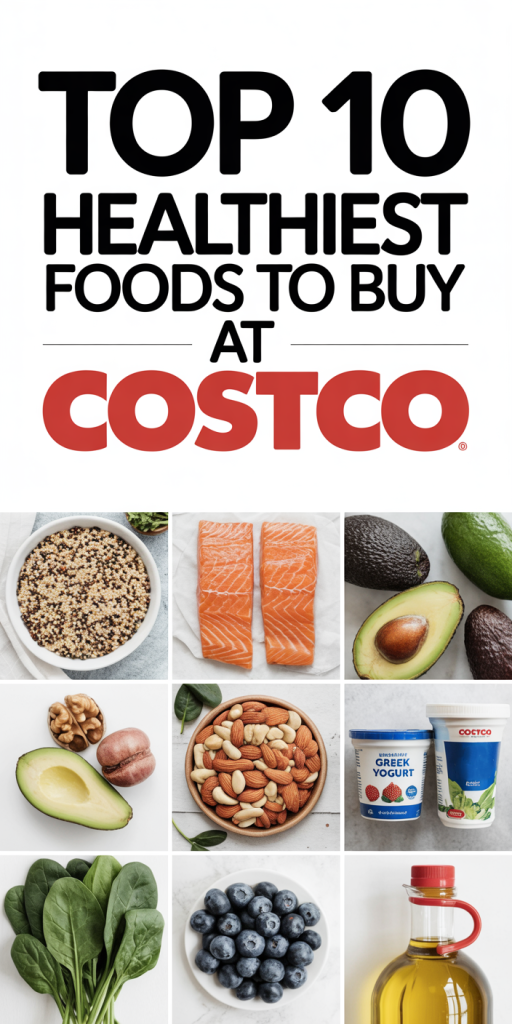
Olive Oil, Avocados, And Other Healthy Fats
Healthy fats are essential for nutrient absorption and satiety, and Costco stocks them affordably. Extra-virgin olive oil (EVOO) is our go-to for dressings and low-heat cooking: look for reputable brands with harvest date labeling if available. Large bottles or multi-packs make EVOO economical, but store it in a cool, dark place to preserve quality.
Costco’s avocados, often sold in multi-packs, are worth buying when on sale. They’re a great source of monounsaturated fats, fiber, and potassium. We slice avocado onto toast, mash into quick guacamole, or toss chunks into salads. Other healthy fat options include nut butters and small jars of coconut oil: be mindful of portions.
Usage: Use oil for dressings and finishing: reserve high-smoke oils for frying. For avocados, ripen them at room temperature and move to the fridge once ripe to lengthen shelf life by a few days. If we have extra, we cube and freeze avocado for smoothies or blended sauces.
Low-Sodium Canned Tomatoes, Broths, And Staples For Cooking
Pantry foundations like low-sodium canned tomatoes and broths are practical health-wise and cost-effective at Costco. Tomatoes are rich in lycopene, vitamin C, and flavor: choosing low-sodium or no-salt-added varieties lets us control sodium in soups, stews, and sauces. Similarly, low-sodium chicken, beef, or vegetable broths provide depth of flavor without excessive salt.
We keep multipacks of canned tomatoes, plain tomato paste, and cartons of low-sodium broth on hand for quick weeknight meals. These staples make it easy to build balanced dishes with whole grains, legumes, and vegetables. When a recipe calls for a full-sodium version, we add our own seasoning, herbs, citrus, or a splash of hot sauce, rather than relying on salt-heavy products.
Storage & usage: Rotate cans and cartons by date. If you open a can and don’t use it all, transfer leftovers to a sealed container and refrigerate for up to 3–4 days or freeze in portions. Low-sodium staples give us control over flavor and cardiovascular-friendly cooking.
How To Shop Smart At Costco For Healthier Choices (Buying, Storage, And Portion Tips)
Shopping smart at Costco turns bulk buying into healthier eating rather than excess. First, make a plan: shop with a loose meal-prep blueprint so bulk purchases match real needs. We create a simple list (proteins, produce, grains, staples) and resist impulse buys by sticking to the list.
Portioning helps prevent waste and overeating. Right after shopping, divide large packages into meal-sized portions: bagged fruit and vegetable packs, proteins, and single-serving yogurt or nuts. Label and date packages so rotation is simple. For perishables, use first-in, first-out and freeze extras immediately, fish, meats, and even bread freeze well in portions. For long-term pantry items like grains and legumes, store in airtight containers to keep out moisture and pests.
Read labels: choose plain, unsweetened, and low-sodium options. Compare unit prices to determine true value, sometimes smaller packages beat bulk if you’ll waste the surplus. Finally, remember that buying healthy in bulk is a commitment: we only save if we actually use the food. Match quantity to household consumption and try a mix of fresh and frozen to balance freshness with longevity.
Conclusion: Costco can be a powerful ally for healthful eating when we shop intentionally. By choosing nutrient-dense items, fresh and frozen produce, lean and omega-rich proteins, whole grains, legumes, healthy fats, and smart pantry staples, and using these practical buying and storage strategies, we make nutritious meals easier and more affordable all year. Commit to portioning and rotating, and the bulk model will work for both our budgets and our health.