10 Best Healthy Frozen Foods at Costco: Shopper-Tested Picks For Nutritious, Time-Saving Meals In 2026
We shop Costco for staples, snacks, and the occasional impulse buy, yet the freezer aisle is where we consistently find the best balance of nutrition, convenience, and value. In 2026 the club store still leads with large-format, quality frozen foods that help us eat better without spending hours in the kitchen. This guide walks through the 10 best healthy frozen foods at Costco we regularly buy and test, explaining why each item belongs in a health-minded freezer, how to use it, and what to watch for on labels. Whether you’re meal-prepping for the week, prioritizing protein, or building quick veg-forward dinners, these shopper-tested picks will save time and keep meals balanced.
1) Wild-Caught Salmon Portions And Skinless Shrimp (High-Protein, Omega-3 Rich)
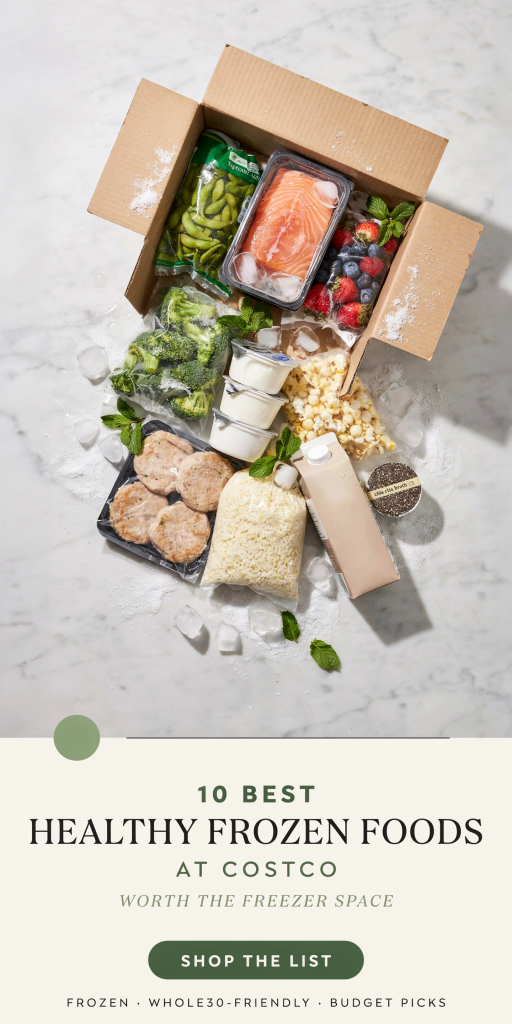
Frozen seafood from Costco delivers reliable quality and excellent nutrition per dollar, two reasons we always have a bag in our freezer. Wild-caught salmon portions (often sold under Kirkland Signature or reputable suppliers) are portioned, individually frozen, and retain most of their omega-3s and protein when cooked straight from frozen or thawed. A 4–6 oz portion gives ~22–25 g protein and 1–2 g of heart-healthy EPA/DHA per serving depending on species.
Skinless, deveined shrimp is another freezer mainstay: low-calorie, high-protein, and quick to prep. We like shrimp because it cooks in minutes and pairs with so many bases, veggies, riced cauliflower, whole-grain pasta. Buy peeled and tail-off varieties for convenience and check that the ingredient list is short: shrimp, perhaps a small amount of salt, and no antibiotic or filler additives.
Why these belong on our health-forward list:
- Protein density: both salmon and shrimp give substantial protein with minimal prep time.
- Nutrient profile: salmon supplies omega-3 fatty acids and vitamin D: shrimp offers iodine and selenium.
- Versatility: roasted, pan-seared, grilled from frozen, tossed into salads, or added to grain bowls.
Label tips and what we check at the store:
- “Wild-caught” vs “farmed”: wild typically has a better omega-3 profile and fewer additives but can be pricier: choose based on budget and sustainability labels.
- Sodium and preservatives: watch for added brines or sodium solutions, opt for plain frozen seafood where possible.
- Packaging date or frozen-at-sea claims: fresher-frozen can mean better texture and flavor.
Meal ideas: sheet-pan salmon with frozen asparagus, garlic shrimp tossed with riced cauliflower and chili flakes, or salmon and pea fried “rice.”
2) Riced Cauliflower And Vegetable Stir-Fry Mixes (Low-Carb, Veg-Forward Bases)
Riced cauliflower and mixed vegetable stir-fry blends are the lazy chef’s dream for adding volume, fiber, and micronutrients to meals. Costco’s bulk bags of riced cauliflower and mixed stir-fry vegetables save us prep time and drastically cut down on wasted fresh produce.
Why we trust them:
- Consistency: flash-freezing preserves texture and nutrients better than letting veg sit in the fridge for days.
- Low-carbohydrate option: riced cauliflower is ideal for lowering carbs while upping vegetable intake.
- Mix-and-match: stir-fry blends often include snap peas, carrots, bell peppers, and onions, everything you need for a quick sauté.
Practical tips for use:
- Sauté straight from frozen over medium-high heat to avoid sogginess. A hot pan helps evaporate excess moisture.
- Add protein (salmon, shrimp, tofu, or cooked chicken) in the final minutes so it warms through without overcooking.
- Season boldly: garlic, ginger, tamari or low-sodium soy sauce, and a splash of rice vinegar or sesame oil brighten up frozen veg.
Label and quality considerations:
- Ingredients: the shorter the ingredient list, the better, ideally just vegetables and perhaps citric acid as a preservative.
- Added sauces: some stir-fry mixes include sauces with sugar or sodium: buy plain mixes if you want control.
- Net weight vs. serving size: bulk bags look economical, but plan to divide into meal-size portions and reseal properly.
Meal ideas: cauliflower fried “rice” with scrambled egg and scallions: quick vegetable stir-fry with shrimp and a drizzle of chili-garlic sauce: blended cauliflower mash as a potato substitute for roast protein.
3) Frozen Berries And Smoothie Packs (Antioxidant-Packed Breakfast Staples)
Frozen berries are one of the highest-value, nutrition-dense buys at Costco. Large bags of mixed berries, blueberries, strawberries, raspberries, stay good for months and deliver antioxidants, fiber, and natural sweetness without the price premium of fresh seasonal fruit.
We often buy pre-portioned smoothie packs as well: they pair fruit with spinach, kale, or other ingredients so we can blend a nutrient-rich breakfast in under two minutes. Smoothie packs reduce waste and are ideal on hectic mornings.
Why they earned a spot on our list:
- Micronutrients and phytochemicals: berries are rich in anthocyanins and vitamin C, good for immune support and inflammation modulation.
- Convenience + portion control: frozen fruit locks in ripeness and simplifies meal prep.
- Long shelf life: we keep berries for smoothies, desserts, or topping oatmeal without worrying about quick spoilage.
Tips for best results:
- Blend frozen berries with a liquid base (water, milk, or plant milk) and a scoop of protein (Greek yogurt, protein powder, or silken tofu) to make the smoothie more balanced and filling.
- Defrost a handful briefly for compotes or to stir into yogurt.
- Watch added sugar: some branded packs include fruit syrups or sweeteners: choose unsweetened packs for lower sugar.
Recipe idea: a berry-spinach smoothie with a half-cup of frozen mixed berries, a cup of unsweetened almond milk, a scoop of vanilla protein powder, and a tablespoon of chia seeds, blend until smooth for a portable, antioxidant-rich breakfast.
Storage note: keep berries in the back of the freezer to avoid temperature fluctuations and refreeze only what you plan to use in a few days.
4) Edamame And Organic Green Peas (Plant Protein And Fiber Boosters)
Frozen edamame and organic green peas are underrated superstars in our freezer roster. Both offer a quick protein and fiber bump to bowls, soups, and salads and they thaw quickly without losing texture.
Edamame is particularly valuable for those seeking plant-based protein: a cup of shelled edamame provides roughly 17 g of protein, plus fiber and essential micronutrients like folate and iron. Green peas give about 8–9 g protein per cup and have a naturally sweet flavor that complements many dishes.
Why we buy them in bulk at Costco:
- Cost-effectiveness: buying large bags reduces the price per serving compared to small grocery-store packs.
- Prep flexibility: steam, boil briefly, or toss frozen into hot dishes for fast meals.
- Nutrient retention: frozen peas and edamame often retain vitamin and mineral content comparable to fresh.
How we use them:
- Add edamame to grain bowls for texture and protein: try brown rice or farro topped with edamame, chopped cucumber, pickled onion, and a sesame-tamari dressing.
- Puree green peas with mint, lemon, and a drizzle of olive oil for a quick bright spread on toast or as a pasta sauce base.
- Toss peas into soups in the last few minutes to retain color and snap.
Label and prep checks:
- Ingredient simplicity: ideally the bag contains only peas or shelled soybeans and maybe salt for edamame, no heavy sauces.
- Organic label: for peas, organic options reduce exposure to conventional pesticide residues and align with our preference for cleaner produce.
Snack idea: steam edamame, sprinkle with flaky sea salt and a pinch of chili for a satiating, protein-rich snack.
5) Whole-Grain Waffles And Multigrain Breads (Freezer-Friendly, Better-Carb Options)
We often underestimate how much carb quality affects daily satiety and blood sugar. Costco’s frozen whole-grain waffles and multigrain breads offer a quick carbohydrate base that’s usually higher in fiber and whole grains than standard options.
Why they make the list:
- Portion control and convenience: frozen waffles are ready in a toaster or oven and keep well in large quantities.
- Better carbohydrate profile: whole-grain and multigrain options deliver more fiber and micronutrients than white breads and refined products.
- Versatility: use waffles for savory or sweet meals: toast slices of multigrain bread for sandwiches, avocado toast, or paninis.
What to check on labels:
- Whole grain as the first ingredient: ensure whole wheat, oat, or another whole grain is listed first rather than enriched flour.
- Fiber and added sugar: higher fiber (3–5 g or more) and minimal added sugars are preferable.
- Fortification: some breads are fortified with added B vitamins and iron, helpful for certain diets but not required.
Serving suggestions:
- Top whole-grain waffles with ricotta, fresh berries, and a drizzle of honey for a balanced breakfast.
- Make a quick open-faced sandwich on multigrain bread: mashed avocado, smoked salmon (from our freezer), and a squeeze of lemon.
Storage advice: keep these items sealed in the original packaging or in airtight freezer bags to prevent freezer burn and split into meal-sized batches so you only defrost what you need.
How To Shop Smart At Costco For Healthy Frozen Foods
Costco is great value, but bulk shopping comes with responsibility: we don’t want to waste food or buy things that sound healthy but aren’t. Here’s how we shop smart and build a freezer that supports our nutrition goals.
Plan before you buy:
- Inventory first: check what you already have at home so you don’t double up on items that will expire.
- Think in portions: large bags are economical only if you’ll actually eat them. Consider repackaging into meal-size portions before refreezing.
Compare labels and unit prices:
- Use unit price on the shelf: Costco’s price per ounce or pound helps compare different brands or package sizes.
- Read the fine print: look for added sodium, sugars, or sauces that change the nutritional profile.
Choose multipurpose items:
- Favor versatile products that can be used across meals (e.g., riced cauliflower, frozen berries, and seafood).
- Pick a balance of proteins, vegetables, and whole-grain carbs so you can compose full meals without extra shopping.
Sustainability and sourcing:
- Look for credible certifications (MSC for wild-caught seafood, organic labels for produce) if those factors matter to your household.
- Seasonal or rotating stock at Costco can mean better deals on certain frozen items: check the freezer aisle regularly.
Storage and portioning strategy:
- Immediately divide bulk bags into smaller resealable bags or vacuum-seal portions, this reduces waste and keeps things fresher.
- Label with dates: while frozen goods last long, labeling helps rotate older items first and keeps your meal rotation fresh.
Budgeting tips:
- Prioritize staples first (vegetables, berries, proteins) and consider skipping novelty frozen items unless you truly love them.
- Track usage: if a bulk item sits more than a few months untouched, scale back on future purchases.
This approach helps us maximize Costco’s value while keeping our freezer stocked with genuinely healthy, usable foods.
What To Look For On Labels And Packaging When Choosing Frozen Foods
Reading labels quickly becomes a superpower in the freezer aisle. We pay attention to a few key elements that separate genuinely healthy frozen foods from those dressed up with added salt, sugar, or fat.
Ingredients list, keep it short:
- The fewer the ingredients, the better. Aim for single-ingredient items (frozen fruit, vegetables, plain fish) or short lists for prepared items.
- Watch out for “flavoring” or vague additives, manufacturers sometimes hide sodium or sugar under ambiguous terms.
Sodium and added sugar:
- Prepared frozen meals and sauced proteins can be sodium traps. Compare per-serving sodium and choose low- or reduced-sodium options when available.
- Added sugars are common in sauces and some frozen breakfasts, look for “no added sugar” on fruit and minimal sugar in grain products.
Serving size realism:
- Check the serving size because many packages understate it to make calorie and sodium look lower. Be honest about how much you’ll actually eat per sitting.
Fiber and whole grains:
- For waffles, breads, and other carbs, check that whole grain is listed first and fiber is at least 3–4 g per serving for a better-quality carbohydrate.
Allergens and cross-contamination:
- If allergies are a concern, scan for warnings about shared facilities. Costco packages typically include allergen information clearly.
Sustainability and sourcing notes:
- Certifications like MSC (Marine Stewardship Council), organic, or non-GMO can guide choices if you prioritize environmental impact or farming practices.
Eventually, we balance label scrutiny with practicality: some convenience items are fine occasionally even if they’re not perfect nutritionally, but most of our freezer should be composed of minimally processed, nutrient-dense choices.
Quick Meal Templates And Simple Recipes Using These Costco Finds
Here are quick templates and adaptable recipes that use the Costco frozen items we highlighted. These templates keep cooking time short while delivering balanced meals.
- 10-Minute Salmon Bowl
- Ingredients: 1 wild-caught salmon portion, 1 cup riced cauliflower, 1/2 cup frozen peas, 1 tablespoon olive oil, lemon, salt, pepper, fresh herbs.
- Method: Roast or pan-sear salmon (from frozen: 4–6 minutes per side depending on thickness, then finish in oven at 375°F until internal temp 125–130°F). Meanwhile, sauté riced cauliflower and peas in olive oil with garlic. Plate cauliflower, top with salmon, squeeze lemon and herbs.
- Why it works: high protein, omega-3s, fiber from cauliflower and peas.
- Shrimp & Veg Fried “Rice” (15 minutes)
- Ingredients: 8–10 shrimp, 2 cups riced cauliflower, mixed stir-fry veggies, 1 egg or tofu, 1 tbsp low-sodium soy sauce or tamari, scallions.
- Method: Sauté shrimp until just cooked: remove. Scramble egg in the pan, add riced cauliflower and veg, stir-fry until warm and slightly golden. Add shrimp back, toss with soy sauce and scallions.
- Why it works: quick complete meal with lean protein and veggies: minimal carbs.
- Berry Protein Smoothie (2 minutes)
- Ingredients: 1 cup frozen mixed berries, 1 cup plant milk, 1 scoop protein powder or 1/2 cup Greek yogurt, 1 tbsp flax or chia.
- Method: Blend until smooth. Add water to thin if needed.
- Why it works: portable, antioxidant-rich breakfast with protein and omega-3 support from seeds.
- Edamame & Grain Bowl (10 minutes prep if grains pre-cooked)
- Ingredients: 1 cup cooked brown rice or farro (we often pre-cook and freeze small portions), 1/2 cup shelled edamame, 1/2 cup mixed stir-fry veg, 1 tbsp sesame-tamari dressing, toasted sesame seeds.
- Method: Warm grains and veg, toss with edamame and dressing, top with sesame seeds.
- Why it works: balanced macro profile and high in plant protein and fiber.
- Quick Waffle Savory Sandwich (5–8 minutes)
- Ingredients: 2 whole-grain waffles, mashed avocado, leftover salmon or canned tuna, arugula.
- Method: Toast waffles, spread avocado, top with flaked salmon and arugula. Add hot sauce if desired.
- Why it works: faster than bread-based sandwiches, whole-grain carbs and healthy fats.
Batching and meal-prep tips:
- Double recipes and portion into airtight containers to freeze or refrigerate for 3–4 days.
- Use vacuum sealing or heavy-duty freezer bags for seafood and berries to avoid freezer burn.
- Keep a small “go-to” list on your phone: 3–5 quick recipes you rotate so grocery shopping and cooking become predictable and efficient.
These templates are flexible, swap proteins, change the grain base, and vary sauces so you don’t get bored while staying healthy and time-efficient.
Conclusion: Build A Balanced, Time-Saving Freezer That Keeps You Healthy
Costco’s frozen aisle is a powerful ally for anyone trying to eat well without spending hours every day cooking. By prioritizing minimally processed proteins (wild salmon, shrimp), nutrient-dense vegetables (riced cauliflower, peas, edamame), antioxidant-rich fruits (frozen berries), and smarter carb choices (whole-grain waffles and breads), we create a freezer that supports balanced meals, saves money, and reduces food waste.
Start small: pick three items from this list that match your weekly routine, portion them for ease, and build simple templates around them. Over time you’ll find your rhythm, one that keeps us full, nourished, and sane on busy days. Happy stocking.