Cutting Out Processed Foods: What Happens To Your Body, Energy, And Weight In 2026 (A Practical Guide)
We’ve all heard the advice to “eat less processed food,” but what actually happens when we act on it? In 2026, the evidence is clearer: reducing processed and ultra‑processed foods tends to improve energy, appetite control, markers of metabolic health, and even gut diversity, but results depend on how we replace them. In this guide we’ll walk through the simple rules for spotting processed foods, the immediate wins you can expect in the first week, the changes that unfold over the next three months, realistic expectations for weight and body composition, and the microbiome effects you’re likely to see. Finally, we’ll share practical, sustainable tips so we can cut processed foods without burning out. This is a practical, science‑forward look at what changing our plates really does, not moralizing, just useful.
What Counts As A Processed Food — Simple Rules To Tell The Difference
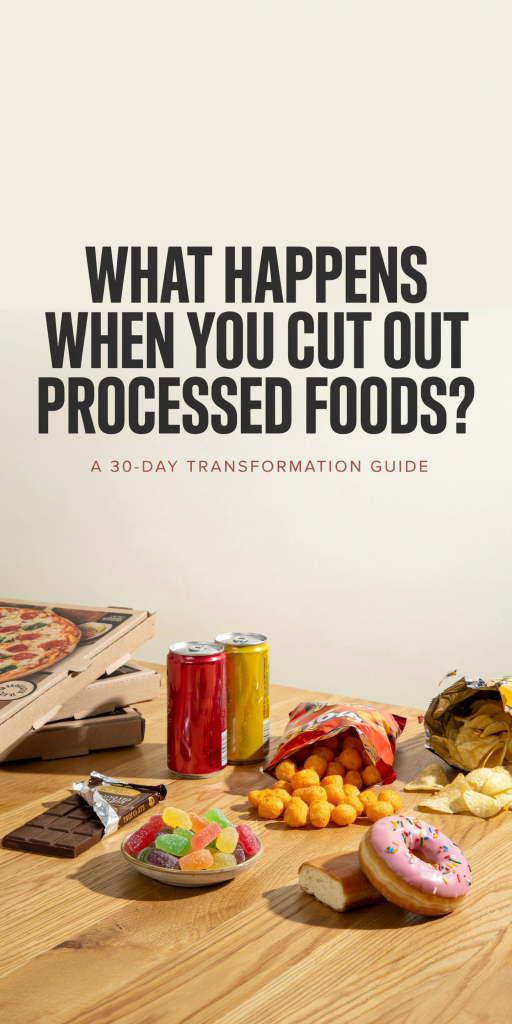
Processed foods exist on a spectrum. At one end are minimally processed items, washed, cut, frozen, or pasteurized foods that retain most nutrients and resemble whole foods. At the other are ultra‑processed products: multi‑ingredient, industrial formulations designed for convenience, long shelf life, palatability, and profit.
Simple rules to tell the difference:
- Look at the ingredient list: If you see more than five ingredients, unfamiliar chemical names, or several added sugars (sucrose, corn syrup, maltose), treat the product as processed. Whole foods usually have one or two ingredients.
- Check for industrial additives: Emulsifiers (carboxymethylcellulose), artificial sweeteners, flavor enhancers, and colorants are hallmarks of ultra‑processed items.
- Assess the packaging and claims: Lots of marketing (“meal replacement,” “fortified,” “ready‑to‑eat”) often masks heavy processing. Packaging that extends shelf life for months typically indicates significant processing.
- Consider the purpose: Is the product designed to replace a meal quickly or to be a culinary component? Meal replacements, soda, many snack bars, instant noodles, and frozen entrees are usually ultra‑processed.
We should also note that processing isn’t inherently bad, pasteurization and freezing can preserve nutrients. The issue lies with ultra‑processed foods that concentrate refined carbs, added fats, salt, and additives while stripping fiber, micronutrients, and natural food structure. For practical shopping, favor whole or minimally processed foods: fresh produce, whole grains, beans, nuts, eggs, dairy with short ingredient lists, and plain frozen fruits and vegetables.
Immediate Changes You’ll Notice In The First Week
The first week after cutting out processed foods often brings rapid, tangible changes, some welcome, some surprising.
Energy ups and downs: Within days we commonly notice steadier daytime energy. That’s because replacing sugary, refined items with whole foods stabilizes blood sugar swings. Initially we might also feel a slight dip in energy as our brains adjust to lower added sugar and artificial stimulants found in many processed snacks and drinks.
Appetite and cravings: Cravings for salty, engineered snacks usually decrease after 3–7 days. That’s partly physiological, taste receptors recalibrate, and partly behavioral: without constant exposure to hyper‑palatable foods, our preference for intense sweetness or salt fades.
Digestion and bloating: Many people report reduced bloating and gas in the first week, especially if they drop processed foods high in emulsifiers, sugar alcohols (xylitol, sorbitol), and large portions of refined grains. But, if we switch abruptly to a lot more fiber (beans, whole grains), we might see increased gas and bowel changes for several days as the microbiome adapts.
Sleep and mood: Some of us notice improvements in sleep quality and mood fairly quickly, likely from reduced caffeine, sugar crashes, and improved blood sugar stability. Others may experience irritability or low mood briefly as their bodies adjust, especially if they were consuming a lot of processed caffeine and sugar.
Sensible expectations: The first week is about recalibration, not miracles. We’ll feel differences, less brain fog, fewer sugar spikes, smaller midafternoon energy crashes, but dramatic weight loss or large leaps in fitness won’t happen yet. These early wins are important because they’re motivating and sustainable.
Short‑Term Changes (2–12 Weeks): What Improves And Why
Over the next two to twelve weeks the body continues to adapt, and measurable improvements often become clearer. This is where short‑term habits translate into real benefits for energy, metabolic markers, and overall wellbeing.
Energy, Mood, Sleep, And Cravings
Between weeks two and twelve we typically notice more consistent energy, better mood stability, and clearer sleep patterns. That’s not just anecdote, replacing refined carbs and added sugars with whole‑food carbohydrates and protein slows glucose absorption, reducing frequent insulin spikes that can trigger energy crashes and irritability.
Sleep often benefits because we’re less likely to consume late‑day sugar and processed caffeine. And since chronic inflammation is linked to poor sleep and depression, lowering inflammatory triggers in ultra‑processed foods may boost mood for some people.
Cravings continue to subside. Taste preferences shift: many people find formerly irresistible sweet or salty snacks taste too intense after a few weeks. That’s powerful for long‑term adherence.
Blood Sugar, Blood Pressure, Inflammation, And Lipids
Clinical markers commonly improve in this timeframe. Studies show that when people reduce ultra‑processed food intake and increase whole foods, fasting glucose and insulin levels tend to decrease within weeks. For people with prediabetes or insulin resistance, this change can be meaningful.
Blood pressure often falls modestly within a month or two, especially when cutting processed foods lowers sodium intake and increases potassium from fruits and vegetables. Lipid profiles improve as well: reductions in triglycerides and small improvements in HDL and LDL particle patterns are common when we cut refined fats and sugars and replace them with whole‑food fats (olive oil, nuts, fish).
Inflammation markers like C‑reactive protein (CRP) may decline, though changes vary depending on baseline inflammation and overall dietary pattern. We shouldn’t expect identical results for everyone, genetics, weight, medication use, and baseline diet modify outcomes, but the direction of change is consistently toward improved metabolic health when we prioritize minimally processed foods.
Practical note: If we’re on medication for blood pressure, diabetes, or lipids, we should monitor with our clinician when making big dietary changes: some meds may need adjustment as markers improve.
Weight, Appetite, And Body Composition: Realistic Expectations
Cutting processed foods often changes weight, but the magnitude and rate depend on what we replace them with, our calories, activity, and metabolic status. Let’s separate appetite behavior from physiological body‑composition changes so we have realistic expectations.
When we remove calorie‑dense, hyper‑palatable processed foods and replace them with whole foods rich in fiber and protein, two things typically happen: we naturally eat fewer calories and feel fuller between meals. That creates a calorie deficit that leads to weight loss without deliberate dieting for many people. But, if we replace processed items with equally calorie‑dense homemade treats or increase portion sizes of starchy foods, weight may plateau.
Short‑term weight loss is often partly water. Reducing refined carbs and processed sodium can drop glycogen stores and associated water weight in the first 1–2 weeks. After that, sustainable fat loss is slower and depends on a consistent calorie deficit.
We should expect steady, sustainable weight loss of roughly 0.5–1% of body weight per week for those in a modest calorie deficit, though individual results vary. Importantly, improvements in body composition, losing fat while preserving lean mass, require attention to protein intake and resistance exercise. Simply cutting processed foods without adequate protein and strength work can cause some lean mass loss, especially if weight loss is rapid.
Psychological aspects matter: removing processed foods can reduce mindless grazing and the hormonal drivers of overeating tied to sugar and refined carbs. That makes appetite easier to regulate. Still, we must be realistic: processed foods aren’t the sole driver of obesity, and cutting them doesn’t guarantee dramatic weight loss if overall calorie balance isn’t addressed.
How Satiety, Calories, And Food Quality Drive Weight Change
Satiety and food quality are central to why cutting processed foods often aids weight control. Whole foods, vegetables, legumes, whole grains, intact fruit, nuts, lean proteins, provide volume, fiber, and protein that increase fullness per calorie.
Calorie density matters. Many ultra‑processed foods pack high calories into a small volume (think chips, pastries, sugary drinks), making it easy to exceed daily energy needs before we feel full. Swapping these for low‑calorie‑density options (salad, broth‑based soups, fruit, nonstarchy vegetables) reduces energy intake naturally.
Protein is particularly satiating and protective of muscle during weight loss. A practical approach is to aim for a protein serving at every meal, eggs, dairy, legumes, fish, poultry, which helps preserve lean mass and makes us less likely to overconsume calories later.
Behavioral context: Processed foods are engineered to encourage repeated consumption through rapid sensory rewards and convenience. By restructuring our environment, preparing simple meals, keeping whole‑food snacks visible, and limiting at‑home stocks of ultra‑processed items, we change the default and make satiety‑based eating more likely.
Remember: quality complements quantity. Two diets with identical calories but different food quality can feel very different: the one with more whole foods usually leads to better satiety, less hunger, and easier adherence.
Lean Mass, Fat Loss, And Metabolic Rate Considerations
Maintaining lean mass during weight loss is crucial because muscle preserves metabolic rate and functional strength. When we cut processed foods, lean mass outcomes depend on protein intake, resistance training, and the pace of weight loss.
Protein target: We recommend aiming for roughly 1.2–1.6 g/kg body weight per day for most active adults during weight loss to protect muscle. That figure can be higher for older adults or those in intensive training. Whole‑food protein sources are ideal, but high‑quality dairy or fortified plant‑based options work too.
Resistance training: Without it, weight loss often includes a meaningful portion of lean tissue. Lifting weights or doing body‑weight resistance exercises 2–4 times per week preserves or builds muscle even while calories are reduced.
Metabolic rate: Resting metabolic rate declines modestly with weight loss, partly due to reduced body mass and partly from adaptations. Losing weight more slowly (0.5–1% body weight per week) and prioritizing protein and resistance exercise minimize metabolic slowdown.
Practical application: If our goal is fat loss and improved body composition, cutting processed foods is a strong foundation, but pairing that change with focused protein intake and regular strength work yields the best results. That combo helps us lose fat, keep muscle, and maintain long‑term metabolic health.
Gut Health And The Microbiome: What Cutting Ultra‑Processed Foods Does
Our gut microbiome responds to what we eat, and reducing ultra‑processed foods usually produces positive shifts within weeks to months.
Fiber diversity: Whole plant foods deliver diverse fibers that feed different microbes. Increasing fruits, vegetables, legumes, and whole grains typically raises microbial diversity and increases beneficial short‑chain fatty acids (SCFAs) like butyrate, which support gut lining integrity and have anti‑inflammatory effects.
Reducing harmful additives: Emulsifiers and some artificial sweeteners in processed foods have been linked in animal and in vitro studies to microbiome disruption and low‑grade inflammation. Cutting these additives removes a potential source of negative microbial shifts.
Symptoms: Many people experience fewer digestive complaints, less bloating, more regular bowel movements, and reduced reflux, after cutting heavily processed foods. That’s partly due to increased fiber and lower intake of irritating additives.
Timescale and variability: Microbiome changes begin quickly but stabilize over weeks. Individual responses vary widely: baseline diet, antibiotic history, genetics, and environment all shape outcomes. For those with existing GI conditions (IBS, IBD), changes should be personalized and possibly supervised by a clinician or dietitian.
Practical tip: To support the microbiome, combine reduced processed food intake with a variety of plant sources (aim for multiple fiber types weekly), fermented foods if tolerated (yogurt, kefir, kimchi), and gradual increases in fiber to minimize gas and discomfort.
Practical, Sustainable Tips For Cutting Processed Foods Without Burnout
We want changes that last. Radical restriction often backfires, so here are practical, sustainable strategies to cut processed foods without burning out.
- Start with swaps, not deprivation: Replace cola with sparkling water and a squeeze of citrus. Swap sugary cereal for overnight oats with fruit. Small wins keep momentum.
- Tame the environment: Reduce visibility and availability of ultra‑processed snacks at home and work. If it’s not within arm’s reach, we’re less likely to eat it.
- Prioritize protein and simple meals: Aim for an easy protein source at each meal, canned tuna, eggs, Greek yogurt, tofu, paired with a vegetable and a whole grain. That structure simplifies choices and improves satiety.
- Batch cook and use frozen produce: Preparing meals in advance avoids the convenience trap. Frozen fruits and vegetables are minimally processed and convenient, and they reduce reliance on packaged meals.
- Allow planned flexibility: We’re more likely to sustain changes if we permit occasional treats. Plan a weekly indulgence or a mindful portion of a favorite processed food so we don’t feel deprived.
- Read labels strategically: Focus on ingredient lists rather than nutrition claims. Shorter lists with recognizable ingredients are generally better.
- Build social support: Cooking with friends, sharing recipes, or joining a community challenge helps maintain motivation.
- Address convenience gaps: Identify processed items we use for speed (instant meals, snacks) and find whole‑food alternatives that match that need, like pre‑washed salad mixes, rotisserie chicken, or ready‑to‑eat hummus and cut vegetables.
- Increase fiber gradually: To avoid digestive discomfort, boost fiber intake over 1–2 weeks and drink sufficient water.
- Track outcomes that matter to us: Instead of obsessing over the scale, monitor energy, sleep quality, hunger between meals, and how clothes fit. These real‑world indicators often matter more for long‑term success.
Sustainable change is about replacing habits, not just removing foods. When we make practical swaps, plan for convenience, and allow flexibility, cutting processed foods becomes an achievable lifestyle shift rather than a short‑term diet.