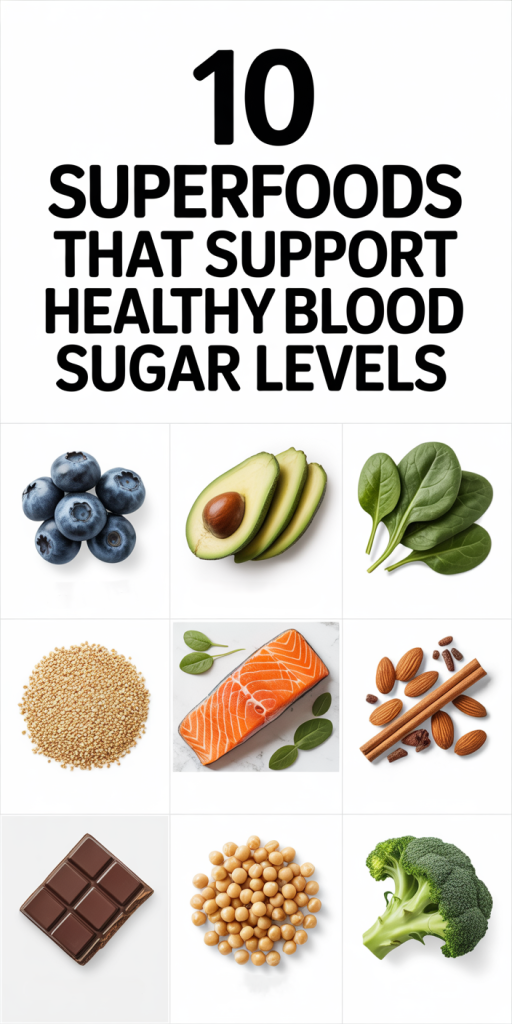
10 Superfoods That Support Healthy Blood Sugar Levels: Evidence-Based Picks For Stable Energy In 2026
Blood sugar regulation underpins our daily energy, mood, and long-term metabolic health. With rising rates of insulin resistance and type 2 diabetes, choosing foods that support steady glucose is one of the simplest, most effective steps we can take. In this guide, 10 Superfoods That Support Healthy Blood Sugar Levels, we focus on evidence-backed ingredients you can add to meals right away. Each section explains the mechanism, the research takeaways, and practical tips for how to use the food so it actually helps regulate post-meal glucose rather than just tasting good. Whether you’re aiming to prevent blood sugar spikes, improve insulin sensitivity, or maintain steady energy through the afternoon, these picks and strategies will make it easier to eat for balance in 2026 and beyond.
Why Keeping Blood Sugar Stable Matters For Health And Energy
Blood sugar, the concentration of glucose in our bloodstream, powers our brain and muscles. When it fluctuates widely, we feel it: energy crashes, irritability, foggy thinking, and cravings. Over months and years, repeated high spikes and compensatory insulin surges increase risk for insulin resistance, type 2 diabetes, cardiovascular disease, and certain cognitive declines.
Why focus on stability rather than just “low” sugar? Because chronically low glucose can be dangerous, while frequent high peaks promote inflammation, endothelial damage, and fat storage. Stable blood sugar means fewer reactive hunger episodes, steadier mood and performance, and less wear on metabolic systems.
From a practical perspective, food choices matter. Macros (carbs, fats, protein), fiber, the food matrix, and bioactive compounds all affect the speed and magnitude of glucose rises after a meal. We’ll highlight ten superfoods that consistently show benefits in human studies, either by slowing glucose absorption, improving insulin sensitivity, or reducing post-meal spikes. Each entry includes how it works and realistic ways to use it in everyday meals so you get stable energy without extreme dieting.
Cinnamon: How It Improves Insulin Sensitivity And Tips For Use
Cinnamon is one of the most studied spices for glucose control. Several randomized trials and meta-analyses suggest modest reductions in fasting blood glucose and improvements in insulin sensitivity when cinnamon is used daily, though results vary by dose and type (Ceylon vs. cassia). Mechanisms include enhanced insulin receptor signaling, delayed gastric emptying, and inhibition of digestive enzymes that break down carbohydrates.
Practical tips
- Dose: Studies often use 1–3 grams per day (roughly 1/2–1 teaspoon). We suggest starting at 1/2 teaspoon and working up if you enjoy it. Avoid excessive cassia cinnamon long term due to coumarin content: Ceylon is lower in coumarin.
- Use: Stir into oatmeal, Greek yogurt, coffee, or smoothies. Sprinkle on roasted sweet potatoes or apples for a blood-sugar friendly dessert.
- Combine: Cinnamon works best as part of a balanced meal, pair with protein and healthy fat to blunt glucose spikes further.
Caveats: Cinnamon isn’t a replacement for medication in diabetes, but it’s a low-risk adjunct that can modestly improve post-meal glycemia when used consistently.
Leafy Greens: Low-Carb, High-Fiber Vegetables That Lower Glycemic Load
Leafy greens like spinach, kale, Swiss chard, and arugula are nutritional powerhouses for blood sugar control. They’re very low in digestible carbohydrates, high in fiber and micronutrients (magnesium, vitamin K, polyphenols), and contribute minimal glycemic load when added to meals. Fiber slows carbohydrate absorption and promotes a steadier insulin response. Magnesium, abundant in many greens, is linked to better insulin sensitivity in observational and interventional studies.
Ways to eat more greens
- Bulk up meals: Add a generous handful of raw greens to sandwiches, soups, and grain bowls to dilute the carbohydrate load.
- Cook smart: Sauté spinach or kale with garlic and olive oil as a side that pairs well with protein, lowering the overall meal glycemic impact.
- Smoothies and salads: Blend greens into smoothies with berries and protein powder, or use mixed greens as the base for lunch to avoid refined carbs.
We find that making greens the largest visual component of a plate is a simple behavioral trick: it reduces portion sizes of starchy foods and naturally stabilizes post-meal glucose.
Berries: Antioxidant-Rich, Low-Glycemic Fruits (Blueberries, Raspberries)
Berries, especially blueberries, raspberries, and blackberries, are fruit choices that support blood sugar management. They’re relatively low on the glycemic index, high in soluble fiber, and rich in polyphenols like anthocyanins, which have been associated with improved insulin sensitivity and inflammation reduction in human and animal studies. Blueberry supplementation trials show small but consistent benefits on insulin resistance markers in adults at risk for metabolic syndrome.
How to use berries
- Portion control: A typical serving (about 1/2 to 1 cup) provides fiber and sweetness without a large glucose load.
- Pairing: Combine berries with protein or fat, Greek yogurt and berries, or berries with a few nuts, to further blunt glucose excursions.
- Frozen is fine: Frozen berries retain most nutrients: use them in smoothies or as a topping.
We recommend berries as a go-to fruit when you want dessert or a snack that supports steady energy. They satisfy sweet cravings with an advantage over high-sugar fruits or processed sweets.
Legumes: Beans, Lentils, And Peas For Fiber, Protein, And Slow Glucose Release
Legumes, including black beans, chickpeas, lentils, and peas, deliver a trio of benefits for glycemic control: resistant starch and soluble fiber that slow digestion, plant protein that improves satiety, and a low glycemic index compared with refined grains. Clinical trials and meta-analyses show that regular legume consumption reduces fasting glucose and HbA1c modestly and improves postprandial glucose responses when legumes replace higher-glycemic carbs.
Practical meal ideas
- Swap-ins: Use lentils or beans in place of rice or as the base for tacos and salads to reduce the meal’s glycemic load.
- Batch cook: Make a pot of beans or kilned lentils at the start of the week for easy additions to grain bowls and soups.
- Canned options: Rinse canned beans to lower sodium and use them directly in salads or stews.
Regular legume intake has also been associated with better weight management, which indirectly helps blood sugar. For many of us, half a cup of legumes several times per week is a practical, evidence-backed strategy.
Nuts And Seeds: Healthy Fats That Slow Carbohydrate Absorption
Nuts and seeds (almonds, walnuts, chia, flax) provide monounsaturated and polyunsaturated fats, fiber, and plant protein, a combination that slows carbohydrate absorption and reduces post-meal glucose spikes. Several randomized studies show that adding nuts to a carbohydrate-rich meal reduces postprandial glucose and insulin responses: long-term nut consumption correlates with lower risk of type 2 diabetes in cohort studies.
How we use them
- Snacks: A small handful (about 1 ounce) of mixed nuts keeps us satisfied between meals without promoting a sugar crash.
- Meal additions: Sprinkle chia or flax on cereal or yogurt to increase soluble fiber (chia forms a gel that slows gastric emptying).
- Baking swaps: Use ground nuts in place of some flour to lower the glycemic impact of homemade baked goods.
Portion awareness matters because nuts are calorie-dense. Still, their glycemic benefits and satiety value make them a high-impact, low-effort choice for daily blood sugar support.
Whole Grains (Like Oats And Barley): Beta-Glucan, Fiber, And Glycemic Benefits
Not all carbohydrates are created equal. Whole grains such as oats and barley contain beta-glucan, a soluble fiber that forms a viscous gel in the gut and slows glucose absorption. Meta-analyses of randomized controlled trials find that beta-glucan-rich foods lower postprandial glucose and modestly improve fasting glucose and insulin sensitivity. Compared with refined grains, whole grains reduce glycemic response and support long-term metabolic health.
Eating strategies
- Choose intact grains: Steel-cut oats and hulled barley have lower glycemic impact than instant oats or refined breakfast cereals.
- Breakfast wins: Start with overnight oats or cooked steel-cut oats topped with nuts and berries for a meal that sustains energy.
- Portion pairing: Combine whole grains with protein and fat, a grain bowl with salmon and avocado, for example, to further blunt glucose spikes.
We prefer whole grains as the default carbohydrate: they’re filling, versatile, and supply fiber and micronutrients that work together to stabilize blood sugar.
Avocado And Olive Oil: Monounsaturated Fats For Better Post-Meal Glucose Control
Monounsaturated fats, abundant in avocado and olive oil, improve postprandial glucose responses by slowing gastric emptying and improving insulin sensitivity. Randomized trials replacing saturated fat or refined carbohydrates with olive oil or monounsaturated fat-rich diets show improvements in glycemic markers and cardiovascular risk factors. The Mediterranean diet, high in olive oil and avocados, consistently links to lower diabetes incidence.
How we incorporate them
- Dressings and dips: Use extra-virgin olive oil in vinaigrettes and guacamole as a replacement for creamy, high-sugar dressings.
- Cooking: Sauté vegetables in olive oil rather than butter for a heart- and glucose-friendly fat source.
- Meal composition: Add avocado slices to sandwiches or salads to increase meal fat and reduce glucose excursions.
A practical tip: combine a starchy component (like sweet potato or whole-grain toast) with avocado or olive oil-based dressing to significantly blunt the glycemic rise compared with the starchy food alone.
Fermented Foods And Apple Cider Vinegar: Gut Health, Acetic Acid, And Post-Meal Glucose Reduction
Fermented foods (yogurt, kefir, sauerkraut, kimchi) and apple cider vinegar (ACV) influence blood sugar through different but complementary pathways. Fermented foods improve gut microbiome diversity and provide live cultures that may influence glucose metabolism and inflammation. ACV’s acetic acid has a direct, measurable effect: several small trials show that 1–2 tablespoons of vinegar taken with a high-carb meal can reduce postprandial glucose by slowing gastric emptying and inhibiting carbohydrate-digesting enzymes.
Practical guidelines
- Yogurt choice: Choose plain, unsweetened yogurt or kefir with live cultures: add fruit and nuts for flavor and glycemic balance.
- Vinegar routine: Dilute 1 tablespoon of ACV in water or use it in salad dressings to get acetic acid benefits without harshness.
- Fermented veggies: Use small portions of sauerkraut or kimchi as condiments to add flavor and potentially beneficial microbes.
Caveats: ACV can erode tooth enamel if consumed undiluted and might interact with certain medications. Fermented foods vary in sodium: check labels. Overall, adding a daily serving of fermented food and including vinegar-based dressings is a low-risk strategy to support post-meal glucose control.
Dark Chocolate And Cocoa: Flavonoids, Insulin Sensitivity, And Portion Guidelines
Dark chocolate and cocoa contain flavonoids, particularly epicatechin, which have been shown to improve endothelial function and insulin sensitivity in short-term trials. Observational studies suggest moderate intake of dark chocolate associates with lower risk of cardiometabolic disease. The key is cocoa percentage and portion control: higher cacao (70%+) provides more flavonoids and less sugar than milk chocolate.
How to enjoy intelligently
- Choose high-cacao options: Aim for chocolate with at least 70% cacao. Dark chocolate has lower sugar and more beneficial polyphenols.
- Portion control: Keep portions small, about 20–30 grams (a couple of squares), to reap benefits without excessive calories or sugar.
- Cocoa powder: Unsweetened cocoa powder can be added to smoothies or oatmeal to deliver flavonoids without the sugar in chocolate bars.
Closing note and actionable takeaway
We’ve walked through ten evidence-backed foods that help stabilize blood sugar by slowing carbohydrate absorption, improving insulin sensitivity, or supporting gut health. These aren’t quick fixes but practical components of a sustainable eating pattern. Start by picking two or three of these superfoods to integrate into your weekly meals (for example: overnight oats with berries and cinnamon, lentil salad with olive oil and greens, and a small square of dark chocolate after dinner). Those small, consistent swaps add up.
If you or someone you care for is managing diabetes with medication, we recommend coordinating dietary changes with your healthcare team, especially when introducing vinegars or concentrated supplements, so glucose-lowering interactions are monitored. Our goal is steady energy, improved metabolic resilience, and food choices that make both health and daily life easier.