
10 Foods That Naturally Reduce Inflammation: Evidence-Based Choices And Simple Ways To Add Them In 2026
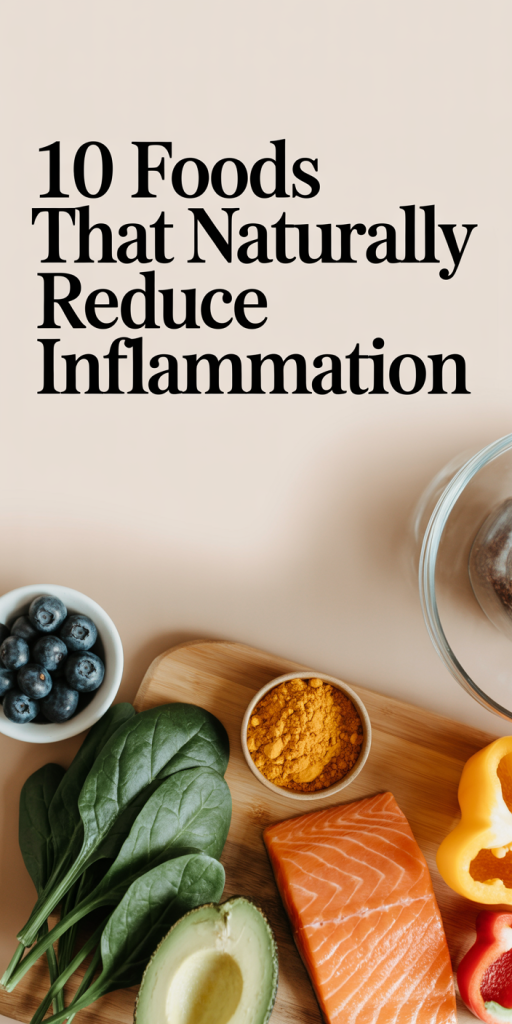
Inflammation is a normal immune response, but when it becomes chronic it quietly contributes to heart disease, diabetes, arthritis, and brain fog. In 2026 the research is clearer than ever: what we eat can raise or lower inflammatory signals in the body. In this guide we walk through 10 foods with strong evidence for anti-inflammatory benefits and show practical, everyday ways to add them to meals. We’ll focus on nutrient-dense choices, omega-3 rich fish, colorful berries, leafy greens, nuts and seeds, herbs and fermented foods, and explain the mechanisms behind their effects so you can make informed changes, not guesswork. Whether you’re looking to ease joint pain, support metabolic health, or just feel less bloated and sluggish, these evidence-based foods can be a simple, sustainable part of the solution.
How Inflammation Works And Why Food Matters
Inflammation begins as a protective response: immune cells rush to damaged tissue or invading pathogens, inflammation peaks, then resolves. Chronic inflammation, though, is low-grade and persistent, what we see with conditions like atherosclerosis and insulin resistance. Several measurable biomarkers track this state, including C-reactive protein (CRP), interleukin-6 (IL-6), and tumor necrosis factor-alpha (TNF-α). Diet influences those markers through three overlapping mechanisms:
- Modulating immune cell signaling. Certain nutrients change gene expression and the production of inflammatory cytokines.
- Altering oxidative stress. Antioxidants neutralize reactive oxygen species that otherwise amplify inflammation.
- Changing gut microbiome composition. Fermentable fibers and fermented foods encourage beneficial microbes that produce anti-inflammatory short-chain fatty acids (SCFAs) like butyrate.
We should also note the flip side: refined carbs, industrial seed oils high in omega-6, and ultraprocessed foods promote pro-inflammatory pathways. So when we talk about “anti-inflammatory foods,” it’s both about adding compounds that actively reduce inflammation and swapping out items that exacerbate it.
The evidence hierarchy matters. Randomized controlled trials (RCTs) and meta-analyses provide the strongest human data: mechanistic studies in cells and animals help explain how compounds work. Throughout this article we emphasize foods supported by clinical trials or consistent observational data, and we point out where effects are modest versus robust. That helps set realistic expectations: food is powerful, but it’s one part of a broader lifestyle approach that includes sleep, stress management, and physical activity.
Fatty Fish And Omega-3 Powerhouses (Salmon, Mackerel, Sardines)
Long-chain omega-3 fatty acids (EPA and DHA) are among the best-studied dietary anti-inflammatory agents. They compete with omega-6 fatty acids for the same enzymes, shifting eicosanoid production toward less inflammatory metabolites. Clinical trials show consistent reductions in CRP and other inflammatory markers when people increase omega-3 intake: meta-analyses link habitual fatty fish consumption with lower risk of cardiovascular events and improved inflammatory profiles.
Salmon, mackerel, and sardines are practical omega-3 powerhouses. A single 3–4 ounce (85–115 g) serving of salmon provides roughly 1–1.5 g of combined EPA+DHA, enough to affect inflammatory signaling over time when consumed regularly. For people who don’t like fish, high-quality fish oil supplements can be an alternative, though we prefer whole-food sources because they deliver vitamin D, high-quality protein, and other nutrients.
How to use them:
- Aim for 2 servings of fatty fish per week. That’s the amount used in many dietary guidelines and associated RCTs.
- Choose canned sardines or mackerel for budget-friendly options: they’re also lower on the mercury curve than some large predatory fish.
- Try time-saving methods: sheet-pan baked salmon with lemon and dill, or mackerel mashed with avocado on whole-grain toast.
Caveats: fish intake isn’t a magic bullet. The anti-inflammatory benefit is dose- and context-dependent, replacing highly processed meats and refined carbs with fatty fish amplifies benefits. And for those on anticoagulants or with bleeding disorders, we recommend checking with a clinician before starting high-dose omega-3 supplements.
Leafy Greens And Cruciferous Vegetables (Kale, Spinach, Broccoli)
Leafy greens and cruciferous vegetables are staples in anti-inflammatory diets for good reasons: they’re rich in vitamins (A, C, K), minerals, polyphenols, and distinct sulfur-containing compounds like sulforaphane that modulate inflammation and oxidative stress.
Clinical data show that higher intake of green leafy vegetables associates with lower levels of inflammatory biomarkers. Sulforaphane, abundant in broccoli and Brussels sprouts, activates the Nrf2 pathway, which upregulates phase II detoxification enzymes and antioxidant defenses, indirectly reducing cytokine production. Spinach and kale provide flavonoids and carotenoids that scavenge free radicals and support endothelial function.
Practical serving ideas:
- Start the day with a green smoothie: a handful of spinach, frozen berries, a scoop of yogurt or plant-based protein, and a tablespoon of ground flaxseed.
- Make salads more interesting by massaging kale with olive oil and citrus to soften its texture and make nutrients more bioavailable.
- Roast broccoli and Brussels sprouts with a sprinkle of chili flakes and lemon zest to boost polyphenol retention and flavor.
A few tips to maximize benefits:
- Light cooking (steaming or quick roasting) can increase the bioavailability of some compounds, like carotenoids, while minimizing nutrient loss.
- Combine crucifers with foods containing a bit of fat (olive oil, avocado) to improve absorption of fat-soluble vitamins.
- If you’re on blood thinners, consult your provider about large increases in vitamin K–rich greens, though routine intake is usually manageable with clinical oversight.
Overall, greens and crucifers offer a low-cost, high-impact way to lower dietary inflammatory load and increase micronutrient density.
Berries And Antioxidant-Rich Fruits (Blueberries, Strawberries, Cherries)
Berries and certain fruits are concentrated sources of polyphenols, anthocyanins, quercetin, and other flavonoids, that reduce oxidative stress and directly modulate inflammatory pathways. Several randomized trials have shown that daily consumption of blueberries or cherries lowers markers like CRP and IL-6 and improves vascular function in both healthy volunteers and people with metabolic risk.
Specific examples:
- Blueberries: Rich in anthocyanins that improve endothelial function and reduce oxidative damage. Daily portions (roughly 1 cup) used in trials improved vascular reactivity in middle-aged adults.
- Tart cherries: Studied for their benefit in exercise recovery and gout. Tart cherry juice has been shown in RCTs to reduce post-exercise muscle soreness and lower uric acid, and habitual consumption links to reduced inflammatory markers.
- Strawberries: Contain ellagic acid and other polyphenols that have modest anti-inflammatory effects in short-term interventions.
How we use them in practice:
- Snack smart: swap a sugary snack for a bowl of mixed berries: you get fiber, polyphenols, and a lower glycemic load.
- Breakfast upgrades: add berries to oatmeal, yogurt, or chia pudding.
- Recovery drink: mix tart cherry juice (in a modest serving to avoid excess sugar) with water or sparkling water after intense workouts.
Caveats and nuance: whole fruit is preferable to concentrates due to fiber and slower sugar absorption. Dried fruits are fine in moderation but can be calorie-dense. For people managing blood glucose, pair fruit with protein or healthy fats to blunt glucose spikes.
Nuts, Seeds, And Healthy Oils (Walnuts, Flaxseed, Extra-Virgin Olive Oil)
Nuts, seeds, and certain oils provide healthy fats, plant-based proteins, fiber, and bioactive compounds that together lower systemic inflammation. The Mediterranean diet, rich in extra-virgin olive oil (EVOO), walnuts, and seeds, has robust evidence from RCTs (including PREDIMED) showing reduced cardiovascular events and improvements in inflammatory markers.
Key players:
- Walnuts: High in alpha-linolenic acid (ALA, a plant omega-3), walnuts are linked to lower CRP and improved endothelial markers in RCTs when they replace less healthy snacks.
- Flaxseed: Ground flaxseed supplies ALA and lignans: several trials report reductions in CRP and improvements in lipid profiles, especially when added to whole diets rather than taken alone.
- Extra-virgin olive oil: Rich in monounsaturated fat and polyphenols (oleocanthal among them) that show NSAID-like activity in vitro and improve inflammatory profiles in humans when used as the principal cooking oil.
Practical tips we recommend:
- Use 1–2 tablespoons of EVOO daily as salad dressing or a finishing oil. Choose fresh, cold-pressed varieties and store them in a dark bottle.
- Sprinkle 1–2 tablespoons of ground flaxseed on yogurt or oatmeal: ground is key for absorption.
- Keep a small handful (about 1 ounce) of mixed nuts as a daily snack, walnuts, almonds, and pistachios offer complementary nutrient profiles.
Mindful portions are important: nuts and oils are calorie-dense, so we use them strategically, replace less healthy fats (butter, margarine, chips) rather than just adding on top of existing intake.
For those with nut allergies, seeds like chia and hemp offer similar benefits and can be included in smoothies and baking.
Herbs, Spices, And Fermented Helpers (Turmeric, Ginger, Kimchi)
Herbs and spices punch well above their weight when it comes to inflammation. Turmeric’s active compound curcumin and ginger’s bioactive gingerols are widely studied for anti-inflammatory and analgesic effects. Fermented foods, kimchi, kefir, yogurt, and sauerkraut, support the gut microbiome, which in turn helps regulate systemic inflammation.
Curcumin: Extensive research shows curcumin modulates NF-κB and other pro-inflammatory pathways. Clinical trials report modest to moderate benefits for osteoarthritis pain and reductions in CRP when curcumin is used long-term, especially formulations with improved absorption (piperine co-administration or specialized delivery systems).
Ginger: Trials indicate ginger can reduce pain and inflammatory markers in osteoarthritis and menstrual pain. Its anti-inflammatory effects are complementary to curcumin and can be applied in food or as a tea.
Fermented foods: These items introduce live microbes and fermentation-derived metabolites that enhance barrier function and encourage production of SCFAs. Randomized trials have shown fermented dairy (like kefir) improves markers of metabolic inflammation in people with metabolic syndrome, and small trials with kimchi or fermented vegetables suggest benefits in inflammatory markers and gut microbiome diversity.
Practical uses:
- Add fresh turmeric or ginger to smoothies, soups, and stir-fries: combine turmeric with a pinch of black pepper and some healthy fat to increase curcumin absorption.
- Keep a jar of kimchi or sauerkraut in the fridge for quick sides: add to grain bowls, eggs, or sandwiches.
- Use powdered turmeric and ginger in homemade spice blends for roasting vegetables or tofu.
Safety notes: high-dose supplements of curcumin or concentrated herbal extracts can interact with medications (anticoagulants, certain chemotherapy agents). We recommend discussing supplements with a clinician: incorporating these foods in culinary amounts is generally safe and beneficial for most people.
Practical Tips For Adding These Foods To Daily Meals
We recommend small, consistent changes rather than dramatic overhauls. Here are approachable, evidence-based strategies to weave these anti-inflammatory foods into everyday life:
- Build meals around plants and fatty fish. Make vegetables and greens the foundation of the plate, with a palm-sized portion of fatty fish twice a week. This simple swap reduces intake of pro-inflammatory processed meats.
- Use a Mediterranean-style template. Olive oil, nuts, whole grains, legumes, and daily vegetables are compatible with many cultures and backed by RCTs for inflammation and heart health.
- Batch prep and convenience hacks. Roast a tray of broccoli and cauliflower, wash and portion berries into single-serve containers, and keep canned sardines on hand for quick protein. Having anti-inflammatory options available reduces reliance on processed convenience foods.
- Flavor-first substitutions. Replace sugary sauces with herb-and-olive-oil–based dressings, and choose herbs and spices (turmeric, ginger, cinnamon) over salt-heavy seasonings. Flavor keeps adherence high.
- Add fermentables and fermented foods. Include a serving of fermented vegetables or plain probiotic yogurt a few times a week, and add a variety of fibers, beans, lentils, oats, and ground flaxseed, to feed the microbiome.
- Pair smartly to improve absorption. Combine fat-soluble nutrient sources (salmon, EVOO) with vegetables to enhance uptake of carotenoids and curcumin.
- Mind portions and replacements. When adding nuts, seeds, and oils, remove an equal-calorie snack or refined carbohydrate to avoid unintentional caloric surplus.
- Make it social and enjoyable. Cooking with friends or family, exploring recipes from Mediterranean, Japanese, or Middle Eastern cuisines, and trying new seasonal produce supports long-term change.
Sample daily plan we like:
- Breakfast: Greek yogurt with mixed berries, a tablespoon of ground flaxseed, and a few chopped walnuts.
- Lunch: Large salad of mixed greens and roasted salmon, drizzled with extra-virgin olive oil and lemon, and a side of kimchi.
- Snack: An apple with a small handful of almonds.
- Dinner: Stir-fry with tofu or mackerel, spinach, broccoli, ginger, garlic, and brown rice.
These small structural changes align food choice with inflammatory biology and make anti-inflammatory eating realistic even on busy days.
Conclusion
We’ve outlined 10 foods supported by human studies and plausible mechanisms to help reduce chronic inflammation: fatty fish, leafy greens, crucifers, berries, nuts, seeds, olive oil, and anti-inflammatory herbs, spices, and fermented foods. None of these is a quick cure, benefits accrue with consistent dietary patterns, portion awareness, and pairing with other healthy behaviors. Our practical tips emphasize swaps and habits that are sustainable: two servings of fatty fish weekly, a daily handful of nuts, regular servings of colorful fruits and greens, and small culinary uses of turmeric, ginger, and fermented foods.
If you want to prioritize one change, start by replacing one processed snack a day with a berry-and-nut option and cooking with EVOO instead of processed oils. Over weeks and months these cumulative swaps lower inflammatory load and improve how we feel. As always, if you have chronic disease or take medications, check with your healthcare provider before making major dietary changes or starting supplements.


