9 Nail Changes That May Point to Vitamin Deficiencies — What Your Nails Are Trying to Tell You
Our nails are more than cosmetic details, they’re a slow-motion health report. Over the years we’ve seen nails reflect everything from short-term illness to long-standing nutritional gaps. In 2026, with more widespread nutrient testing and clearer research connecting micronutrients to integumentary health, paying attention to nail changes gives us a low-effort window into possible vitamin and mineral shortfalls.
This article walks through nine common nail changes, the vitamin or mineral links most often associated with each, other non-nutritional causes to consider, and practical next steps. We’ll emphasize what’s actionable (diet tweaks, targeted tests, when to see a clinician) and where to be cautious, because not every nail oddity is a deficiency. Read on to learn what your nails might be trying to tell you and how to respond safely and effectively.
Brittle Or Splitting Nails (Possible Biotin, Iron, Or Vitamin A Links)
Brittle nails that chip, split longitudinally, or flake easily are one of the most common complaints we hear. When nails are dry and fragile, nutrient insufficiencies, especially biotin (vitamin B7), iron, and vitamin A, are worth investigating, but so are environmental and lifestyle factors.
Why these nutrients matter: Biotin is a cofactor for keratin production: low biotin intake or absorption issues have been associated with brittle nails in small studies. Iron contributes to oxygen delivery and cell turnover: iron-deficiency anemia can impair nail integrity. Vitamin A plays a role in epithelial maintenance and differentiation, and marked deficiency can affect keratinized tissues including nails.
What to look for clinically: Brittle nails that develop gradually, especially when accompanied by hair thinning or dry skin, raise the nutritional question. If brittle nails follow a period of dieting, gastrointestinal symptoms (which can impair absorption), or heavy menstrual bleeding, iron and biotin become higher-probability suspects.
Other causes to rule out: Repeated exposure to water, detergents, nail polish removers, acrylic nails, and harsh manicures frequently cause splitting. Fungal infections can sometimes lead to fragility, and hypothyroidism is another systemic cause.
Practical steps: Start with a simple dietary review, increase foods rich in biotin (eggs, nuts, legumes), iron (red meat, organ meats, lentils, fortified cereals) and vitamin A (sweet potato, liver, carrots, leafy greens). Avoid overuse of acetone and wear gloves for prolonged wet work. If symptoms persist after three months of conservative measures, ask your clinician for iron studies (ferritin, CBC), thyroid function tests, and consider a biotin status evaluation or a trial of low-dose biotin supplementation (commonly 2,500–5,000 mcg/day) under medical guidance. Remember: very high biotin doses can interfere with certain lab assays, so disclose supplementation before blood tests.
Spoon Nails (Koilonychia) And Iron Deficiency
Koilonychia, nails that are concave, thin, and cupped like a spoon, is a classic sign often taught in medicine as linked to iron deficiency. While it’s not exclusive to iron problems, its presence should prompt us to evaluate for anemia and underlying causes.
Mechanism and evidence: Iron plays a role in oxygen transport and enzymatic reactions involved in epithelial cell turnover. Chronic iron deficiency can alter nail matrix formation, producing the flattened or scooped appearance. Several case series and clinical reviews continue to place koilonychia on the differential for iron-deficiency anemia, particularly when paired with fatigue, pallor, or heavy menstrual bleeding.
Non-nutritional causes: Mechanical trauma (repetitive pressure), exposure to solvents, and hereditary nail dystrophies can mimic or cause spooning. Systemic conditions such as hemochromatosis or thyroid disease occasionally produce similar changes.
What we recommend: If we see pronounced spoon nails, we order iron studies, ferritin (most informative for iron stores), serum iron, TIBC, and a complete blood count. If ferritin is low or CBC shows microcytic anemia, investigate sources of blood loss (gastrointestinal screening, gynecologic evaluation) and dietary insufficiency. Dietary strategies include increasing heme iron intake (lean red meats, organ meats) and pairing non-heme iron sources (spinach, legumes) with vitamin C to boost absorption.
Treatment timeline and follow-up: Nail shape takes months to normalize: expect improvement in new nail growth over 3–6 months after iron repletion. Even after labs normalize, nails can lag. If iron studies are normal, broaden the workup to thyroid function and consider referral to dermatology for biopsy if the diagnosis remains unclear.
White Spots Or Patches (Leukonychia) And Zinc Or Protein Shortfalls
White spots (punctate leukonychia) or broader white bands and patches on the nails are usually benign and often due to minor trauma to the nail matrix. That said, persistent or generalized leukonychia can reflect systemic issues including zinc deficiency or low protein intake.
Zinc and nail health: Zinc is essential for cell division and protein synthesis: deficiency can cause paronychia, brittle nails, and white spots. In low- and middle-resource settings, nail findings are part of the clinical picture of zinc deficiency, but in high-resource settings isolated nail leukonychia from zinc shortfall is less common and typically occurs with other signs like poor wound healing, diarrhea, or taste disturbances.
Protein’s role: Nails are largely made of keratin, a protein. Inadequate total protein or amino acid intake, or conditions that impair protein absorption, may present with diffuse whitening or thin, fragile nails, especially when paired with muscle wasting or edema.
Differentiating causes: Trauma-related punctate leukonychia often grows out with the nail and is nonconcerning. True diffuse leukonychia that doesn’t move with growth, or combined with alopecia and dermatitis, raises systemic nutrient concerns. Nail fungal infections and onycholysis can also create pale patches and should be considered.
When to test and how to act: If leukonychia is persistent and accompanied by systemic symptoms, we check serum zinc, albumin/prealbumin (as proxies for nutrition), and a basic metabolic panel. Dietary adjustments include zinc-rich foods (oysters, beef, pumpkin seeds) and ensuring adequate high-quality protein (eggs, dairy, legumes, poultry). Zinc supplementation should be used thoughtfully, excess zinc can cause copper deficiency, so we recommend testing and clinician guidance before starting high-dose zinc.
Vertical Ridges And B-Complex Or Mineral Imbalances
Vertical ridges running from the cuticle to the nail tip are common, especially as we age. Often they’re a normal sign of nail matrix aging, but pronounced ridging, especially when accompanied by discoloration or fragility, can indicate B-complex vitamin shortfalls or mineral imbalances.
Why B vitamins matter: The B-vitamin family (B12, folate, riboflavin, niacin, biotin, and others) supports cellular metabolism and division. Deficiencies, particularly of B12 and folate, can alter rapidly dividing cells, including those in the nail matrix, and contribute to changes in texture and growth rate. Riboflavin and niacin deficiencies historically produced nail and skin changes in severe deficiency states.
Minerals and ridging: Zinc, iron, and magnesium play roles in keratinocyte function. Imbalances, not only outright deficiencies but also poor absorption due to gut disorders, can manifest as altered nail topography.
Clinical approach: If vertical ridges appear with other signs like numbness, fatigue (B12/folate concern), glossitis, or pale skin, we check a CBC with indices, serum B12, methylmalonic acid (if B12 borderline), folate, and ferritin. For isolated ridging in older adults without systemic symptoms, reassurance and moisturizing cuticle care are often sufficient.
Practical management: Encourage a balanced diet rich in B vitamins (whole grains, dairy, eggs, leafy greens, legumes) and minerals. If testing reveals deficiency, treat per standard protocols, for example, corrected B12 via oral or intramuscular supplementation depending on cause. For cosmetic relief, keep nails hydrated, use gentle filing, and avoid aggressive manicures that can exaggerate ridges.
Horizontal Ridges (Beau’s Lines) After Illness Or Nutrient Disruption
Beau’s lines, transverse depressions across the nail plate, indicate a temporary interruption of nail matrix growth. They’re a historical record: the depth and distance from the cuticle can sometimes be used to time the inciting event. Causes span systemic illness, severe stress, chemotherapy, and significant nutritional disruption.
How nutrient shortfalls fit in: Severe, prolonged nutrient deficiencies (caloric, protein, or multiple micronutrients) can halt nail production. After recovery, Beau’s lines appear as the nail resumes normal growth. Specific deficiencies less commonly cause isolated Beau’s lines: rather, they’re markers that a systemic insult (e.g., severe infection, crash diet, or major surgery) occurred.
Clinical clues: If we see Beau’s lines on multiple nails and can correlate with a recent hospitalization, high fever, or a period of anorexia or malabsorption, we consider systemic causes first. If malnutrition is suspected, we evaluate weight history, dietary intake, and lab markers (albumin, prealbumin, CBC, electrolytes, and targeted vitamin tests such as B12 and vitamin D if indicated).
Management and prognosis: Beau’s lines grow out as the nail grows, typically several months to a year depending on nail growth rate. Addressing the underlying cause is the priority: improve nutrition, treat chronic disease, and manage metabolic stressors. If there’s no clear trigger or if lines are deep and progressive, we seek dermatology input because similar appearances can rarely be caused by local nail matrix disease or systemic conditions like uncontrolled diabetes.
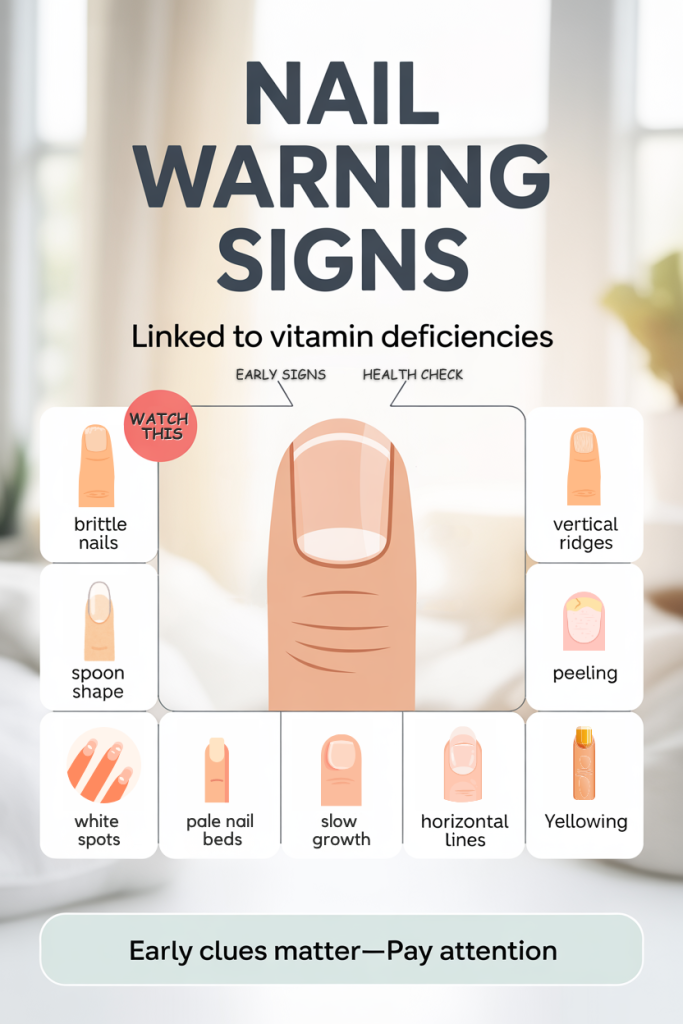
Pale Or Whitish Nails Suggesting Anemia, B12, Or Iron Issues
Pale, almost translucent nails, sometimes called ‘spooning’ of color rather than shape, can be a subtle sign of systemic anemia. When nails lose their normal pink hue and appear uniformly pale or whitish, iron deficiency and vitamin B12 deficiency are among the top nutritional considerations.
Physiology: Normal nail coloration comes from the vascular bed beneath the nail plate. When hemoglobin is low, that vascular blush diminishes. B12 deficiency can contribute to anemia with large, pale red blood cells (macrocytic anemia) while iron deficiency causes microcytic anemia: both can reduce nail color intensity.
Distinguishing features: With iron deficiency, we often see additional signs like fatigue, brittle nails, and pica. B12 deficiency may present with neuropathy, glossitis, and cognitive changes. Workup should include CBC with indices, reticulocyte count, ferritin, serum iron/TIBC, and B12 levels (plus methylmalonic acid if B12 results are borderline).
Treatment considerations: If iron deficiency is confirmed, identify and correct the cause (e.g., occult GI bleeding, menstrual losses) and replenish iron stores with oral or IV iron as indicated. B12 deficiency requires replacement, oral high-dose therapy can work for dietary causes, while absorption issues (pernicious anemia, intrinsic factor deficiency) need parenteral therapy. Nail color often improves as hemoglobin normalizes, but nail recovery can lag months behind hematologic correction.
When to act urgently: If pale nails are accompanied by shortness of breath, chest pain, syncope, or significant weakness, seek urgent care. For gradual pallor without severe symptoms, timely outpatient evaluation is still important because untreated anemia has systemic consequences.
Yellowing Nails And Possible Vitamin E Or Antioxidant Deficiency (Plus Other Causes)
Yellow nails are common and have many causes. In rare cases, they reflect antioxidant deficits such as vitamin E insufficiency, but more often they’re due to fungal infection, nail polish staining, smoking, lymphedema, or systemic conditions like thyroid disease. Still, yellow nails warrant a thoughtful approach.
Vitamin E and antioxidants: Vitamin E helps protect cell membranes from oxidative damage. Severe deficiency, which is uncommon in developed countries, can affect skin and nails among other tissues. More frequently, systemic oxidative stress and poor nutrition combined with chronic disease may contribute to altered nail color and texture.
Common causes to rule out first: Onychomycosis (fungal nail infection) is a leading cause of yellow, thickened nails and requires mycologic testing for confirmation. Nail polish or topical staining (tobacco) can cause persistent yellow discoloration that’s non-pathologic. The yellow nail syndrome, a rare condition with lymphedema and respiratory issues, is an unusual but important diagnosis when yellow nails are accompanied by swelling and chronic cough.
Testing and management: We usually start with a clinical exam and, if fungal infection is suspected, a KOH prep or fungal culture. For suspected nutritional contribution, we review diet for sources of vitamin E (nuts, seeds, vegetable oils, green leafy vegetables) and consider serum alpha-tocopherol testing if there are concurrent neurological symptoms or fat-malabsorption issues.
Treatment notes: If onychomycosis is confirmed, topical or oral antifungal therapy is used depending on severity. For suspected antioxidant-related changes, improving overall dietary quality and addressing malabsorption is a reasonable first step. Because many causes produce very similar appearance, correct diagnosis is key to effective treatment.
Dark Lines Or Hyperpigmentation Under The Nail And Nutrient Connections (With Caution)
Dark streaks, bands, or pigment under the nail, termed melanonychia when pigmented, can arise from benign causes (trauma, melanocytic activation) but also from concerning processes like subungual melanoma. Nutrient deficiencies aren’t common direct causes, though certain medications, heavy metals, and endocrine disorders that affect overall health can influence pigmentation indirectly.
When to be alarmed: Any new, single dark longitudinal band, especially if it’s widening, involves the nail fold (Hutchinson’s sign), or appears on a single nail, warrants urgent dermatology evaluation and often biopsy. The stakes are high because subungual melanoma is often diagnosed late.
Nutrient/medical associations to consider: Chronic adrenal insufficiency, endocrine disorders, and heavy metal exposure (arsenic can cause nail changes) may alter pigmentation patterns. Inflammatory conditions and post-inflammatory hyperpigmentation after trauma may present as dark areas under the nail. Nutrient deficiencies like vitamin B12 can cause hyperpigmentation of skin and nails in some cases, but this is relatively rare and usually accompanied by other signs.
Diagnostic approach: We don’t treat pigmentation empirically with supplements. Instead, we prioritize visual assessment, dermoscopy, and, if indicated, biopsy. If systemic disease is suspected based on history (fatigue, weight loss, systemic symptoms), we order appropriate labs including CBC, metabolic panel, and endocrine testing.
Practical advice: Don’t ignore new dark streaks. Prompt evaluation separates benign causes (trauma, fungal debris) from malignant ones. If a clinician finds no concerning features and suspects nutritional contribution, we investigate accordingly, but only after excluding dermatologic emergencies.
Frequent Hangnails, Peeling Cuticles, Or Slow Nail Growth (Vitamin C, Biotin, Or Protein)
Persistent hangnails, peeling cuticles, and slow nail growth often reflect cumulative marginal deficiencies or lifestyle factors. Vitamin C, biotin, and adequate protein intake are key contributors to nail and periungual tissue health and repair.
Vitamin C’s role: Vitamin C is essential for collagen synthesis and wound healing. Recurrent hangnails and fragile periungual skin may signal low vitamin C intake, particularly when combined with easy bruising, slow wound healing, or gum changes. Severe vitamin C deficiency (scurvy) is rare but illustrates the nutrient’s importance for connective tissue.
Biotin and protein: Biotin supports keratin structure, while sufficient dietary protein provides the amino acids necessary to build keratin. Low protein intake, or malabsorption states, can slow nail growth markedly. We’ve seen slow-growing nails in patients recovering from prolonged illness or restrictive diets where overall protein and micronutrient intake were insufficient.
Behavioral and environmental contributors: Frequent nail picking, overzealous cuticle cutting, and exposure to drying agents accelerate hangnails and cuticle damage. Occupational wet work or low humidity environments also play a role.
Management strategy: Address behavior first, moisturize cuticles daily with emollients or ointments, avoid cutting cuticles (gently push instead), and treat any paronychia promptly. Ensure a balanced diet with vitamin C-rich foods (citrus, berries, bell peppers), biotin sources (eggs, nuts), and adequate protein. If nail growth remains slow even though these measures, evaluate for malabsorption (celiac disease, inflammatory bowel disease), thyroid dysfunction, and consider targeted supplementation under clinician supervision.
Conclusion: When Nail Changes Warrant Nutritional Evaluation Or Medical Care
Nails provide helpful clues but are rarely diagnostic on their own. We should treat nail changes as signposts: they point us toward testing, dietary reassessment, or medical evaluation rather than giving definitive answers. For many issues, brittle nails, spooning, leukonychia, ridging, Beau’s lines, pallor, yellowing, pigmentation, and periungual problems, a thoughtful approach combines dietary improvement (whole-food sources of iron, B vitamins, biotin, vitamin C and E, zinc, and adequate protein), targeted lab testing, and attention to environmental factors.
When to escalate: urgent evaluation is needed for new dark streaks, rapidly progressing deformity, signs of systemic illness (shortness of breath, significant fatigue, syncope), or persistent changes even though three months of dietary and behavioral measures. For most nutritional concerns, lab-guided supplementation and addressing underlying causes lead to improvement, but nails grow slowly, expect measurable change over months.
Bottom line: Focusing and pairing observation with sensible testing and nutritional strategy, we can use our nails as an early, noninvasive window into our health. If you’re unsure, start with your primary care clinician or dermatologist, together we’ll decide which labs and interventions make sense for your specific nails and overall health.