14-Day Anti-Inflammatory Meal Plan To Reduce Bloating And Fatigue: A Simple, Delicious Reset
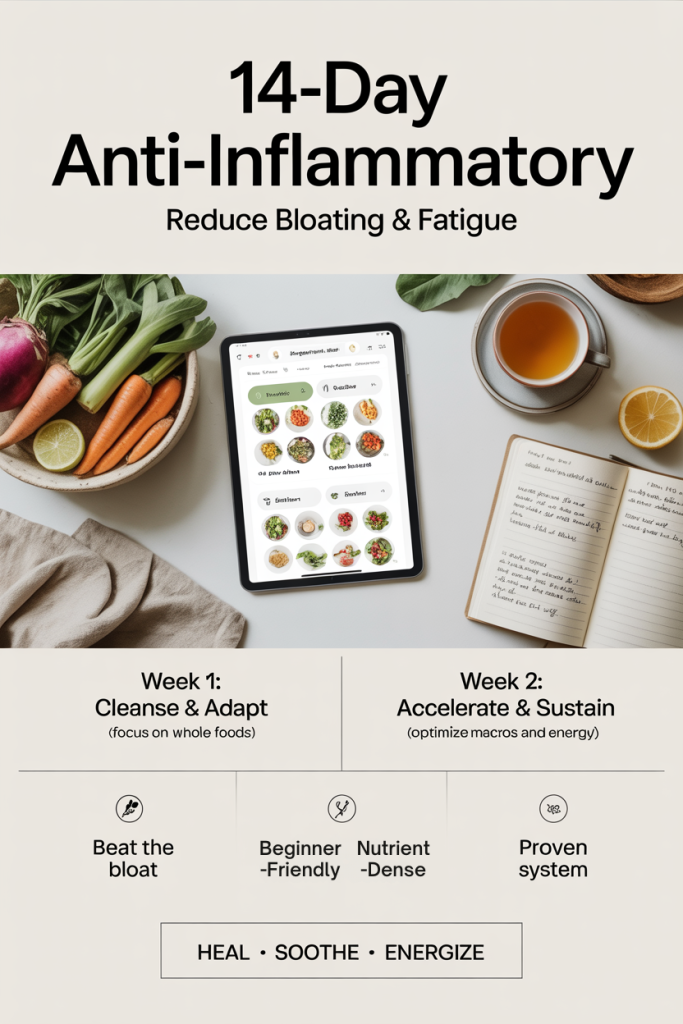
We’ve designed this 14-Day Anti-Inflammatory Meal Plan to Reduce Bloating and Fatigue as a practical, tasty reset you can actually stick with. Rather than a restrictive cleanse, this plan focuses on everyday whole foods that calm inflammation, support digestion, and stabilize energy. Over two weeks you’ll notice fewer bloating spells, steadier energy between meals, and improved food awareness, without complicated rules. We’ll explain the science behind the approach, walk you through portions and swaps, give detailed templates for week 1 and progressions for week 2, and finish with a shopping and batch‑prep guide so weekdays run smoothly. If you’re ready to feel lighter and more energetic, let’s get started.
Why An Anti-Inflammatory Approach Eases Bloating And Fatigue
Inflammation isn’t just joint pain or redness, it often shows up as low‑grade gut irritation, water retention, and the brain fog or fatigue we shrug off as “just tired.” When the immune system is chronically activated by diet, stress, or disrupted microbiome balance, we see two downstream effects that directly create bloating and fatigue.
First, inflammation alters digestive function. Pro‑inflammatory foods (refined sugars, highly processed oils, and excess ultra‑processed products) disturb gut flora and increase intestinal permeability in susceptible people. That imbalance can slow digestion, increase gas production from poorly digested carbs, and encourage fluid retention, classic bloating triggers. Choosing anti‑inflammatory foods supports a healthy microbiome, reduces gut irritation, and helps regularize digestion so bloating happens less often.
Second, systemic inflammation affects energy metabolism. Cytokines and inflammatory mediators shift how our cells use glucose and lipids: that can blunt mitochondrial efficiency and lead to the midday crashes many of us know too well. By prioritizing steadying proteins, fiber, healthy fats, and low‑glycemic carbohydrates, we help stabilize blood sugar and give mitochondria the substrates they prefer, translating into more even energy across the day.
Key anti‑inflammatory principles we use in this plan:
- Emphasize whole plant foods: leafy greens, cruciferous veggies, berries, and colorful vegetables bring antioxidants and polyphenols that dampen inflammation.
- Include omega‑3 sources: fatty fish, walnuts, and flax or chia seeds provide EPA/DHA precursors that modulate inflammatory pathways.
- Prioritize fiber and resistant starch: they feed beneficial bacteria that produce short‑chain fatty acids, protective for gut lining and energy balance.
- Limit refined carbs and industrial seed oils: they can exacerbate inflammation and fuel blood sugar swings.
- Use herbs and spices: turmeric, ginger, garlic, and cinnamon are small tweaks with big anti‑inflammatory effects.
We designed the 14‑day plan so these principles are practical. You won’t just read about the mechanism, we’ll show you how to make meals that feel good to eat and actually reduce the symptoms we target: bloating and fatigue.
How To Use This 14‑Day Plan: Structure, Portioning, And Easy Swaps
Before diving into the menus, here’s how to use the plan so it fits your life. We built it to be flexible, work with the templates rather than policing every bite.
Structure
- Three balanced meals and one optional snack per day. Meals combine lean protein, fiber‑rich carbs, vegetables, and healthy fats to stabilize blood sugar and support digestion.
- A consistent morning routine (protein + fiber + hydration) to reduce overnight cortisol spikes that can worsen bloating and fatigue.
- Dinner is lighter and earlier when possible, this helps overnight digestion and energy restoration.
Portioning (simple rules)
- Protein: Aim for a palm‑sized serving per meal (about 20–30g cooked protein) for most adults, adjust upward if you’re very active.
- Vegetables: Half your plate non‑starchy vegetables at meals.
- Carbs: A cupped‑hand portion of whole grains, starchy vegetables, or legumes at lunch and optional at dinner (smaller at dinner if sleep is disrupted by late meals).
- Fats: A thumb‑sized amount of added fat (1–2 tbsp olive oil, handful of nuts) to help satiety and absorb fat‑soluble nutrients.
Timing
- Aim for 3–4 hour spacing between meals: avoid long gaps that provoke over‑eating and blood sugar dips.
- If you experience late‑day fatigue, experiment with a small high‑protein snack (e.g., Greek yogurt + seeds) 60–90 minutes before the slump.
Hydration and digestion boosters
- Start the day with 12–16 oz warm water and lemon or a splash of apple cider vinegar to stimulate gastric juices (if tolerated).
- Include herbal teas, fennel, peppermint, and ginger, after meals when bloating occurs.
Easy swaps (common needs)
- Vegetarian protein: swap 3/4 cup cooked lentils or 1 cup tempeh for one palm‑sized fish/chicken portion.
- Gluten sensitivity: replace wheat-based grains with quinoa, brown rice, or buckwheat.
- Dairy intolerance: use fortified unsweetened plant milk and coconut or almond yogurt.
- Nightshade sensitivity: use squash or sweet potato instead of tomatoes, peppers, or eggplant.
Meal prep tips in one line: batch cook proteins and grains, pre‑chop a mix of veg, and portion sauces separately so plates come together in minutes. We’ll give a detailed prep plan later, but for now know this: the plan rewards consistency more than perfection, use swaps liberally and follow portioning rules to keep inflammation markers moving in the right direction.
Week 1 Meal Framework And Sample Day Templates
Week 1 is about resetting habits and reducing common inflammatory triggers (added sugar, excess alcohol, and ultra‑processed snacks). The meals are satisfying, fiber‑rich, and intentionally repetitive so we can build rhythm.
Daily Framework (applies to all days in Week 1)
- Breakfast: Protein + fiber + fruit + healthy fat
- Lunch: Vegetable‑forward bowl with whole grain or legume, protein, and anti‑inflammatory dressing
- Optional Afternoon Snack: Small protein + fiber to avoid crashes
- Dinner: Light protein, steamed/sautéed veg, small portion of starchy veg if needed
Sample Day A (Balanced Reset)
- Breakfast: Greek yogurt (or unsweetened plant yogurt) with 2 tbsp chia seeds, 1/2 cup berries, and 2 tbsp chopped walnuts. Add a sprinkle of cinnamon.
- Lunch: Brown rice bowl with 3–4 oz grilled salmon, sautéed spinach and roasted broccoli, 1/3 cup edamame, and a lemon‑tahini drizzle.
- Snack: Apple slices with 1 tbsp almond butter.
- Dinner: Lentil and vegetable stew (lentils, carrots, celery, kale) with a side salad (mixed greens, cucumber, olive oil).
Sample Day B (Lower Carb Focus for Sensitive Digestive Systems)
- Breakfast: Two scrambled eggs with sautéed mushrooms and arugula, plus half an avocado.
- Lunch: Big salad: mixed greens, 3–4 oz grilled chicken, roasted beets, 2 tbsp pumpkin seeds, olive oil + apple cider vinegar dressing.
- Snack: Carrot sticks and hummus (2–3 tbsp).
- Dinner: Baked cod with lemon, cauliflower rice, and steamed green beans.
Sample Day C (Plant‑Forward)
- Breakfast: Warm quinoa porridge made with almond milk, topped with sliced pear and 1 tbsp ground flaxseed.
- Lunch: Chickpea and roasted vegetable bowl with turmeric‑yogurt sauce (use plant yogurt if needed).
- Snack: Handful of mixed nuts.
- Dinner: Stir‑fry with tempeh, broccoli, snap peas, and garlic‑ginger sauce over small portion of brown rice.
Flavor and spice strategy
We intentionally use turmeric, ginger, garlic, fresh herbs, and citrus across these meals. Turmeric + black pepper in dressings, ginger in stir‑fries, and herbs like cilantro and parsley cut sodium needs and help digestion. If you’re new to turmeric, pairing it with a fat (olive oil, yogurt) and black pepper improves absorption.
Week 1 goals
- No sugary beverages or late‑night snacking (if you have a habit here, replace drinks with sparkling water and herbal tea).
- Prioritize sleep, aim for consistent bedtimes to help the inflammation cycle reset.
- Track symptoms daily (bloating scale 0–5, energy 0–5) so we can compare at the two‑week mark. Small, consistent wins compound quickly.
Week 2 Progressions, Variations, And When To Adjust
Week 2 builds on the habits from Week 1 and introduces purposeful variations to test tolerance and personalize the plan. This week we gently reintroduce certain foods (if you wish) and increase flavor diversity so the reset is sustainable beyond two weeks.
Progressions to add in Week 2
- Increase vegetable variety: add cruciferous vegetables like Brussels sprouts and kale, and try small portions of fermented foods (sauerkraut, kimchi) to support microbiome diversity. Start with a tablespoon and observe.
- Rotate proteins: if Week 1 emphasized fish and legumes, add grass‑fed beef or turkey for variety, and note any digestive changes.
- Introduce low‑FODMAP swaps (if you had bloating): swap onions/garlic for green onion tops and garlic‑infused oil: limit high‑FODMAP fruits like apples if they cause symptoms.
- Add seed cycling if hormonal fatigue is a concern: a tablespoon each of ground flax and pumpkin seeds daily can help provide lignans and healthy fats.
Sample progressive day
- Breakfast: Smoothie with unsweetened kefir (or plant milk + probiotic), spinach, 1/4 avocado, 1/2 banana (or 1/4 for low FODMAP), 1 tbsp chia.
- Lunch: Warm millet bowl with roasted carrots, pickled red cabbage (small amount), grilled trout, and parsley‑lemon dressing.
- Snack: Cottage cheese (or firm tofu) with cucumber and dill.
- Dinner: Stirred mushroom barley risotto with thyme and a side arugula salad.
When to adjust (listen closely)
- Persistent bloating after meals: try an elimination approach for 3–5 days, remove dairy, gluten, and beans one at a time to identify culprits. Keep a symptom journal during this test.
- Daytime fatigue not improving after 10 days: review sleep quality, iron status, B12, and thyroid function with a provider. Nutritional changes help many, but lab checks are appropriate when fatigue persists.
- Increased digestive discomfort when adding fermented foods: pause and reintroduce more slowly. If symptoms continue, consult a GI specialist, SIBO and other conditions need tailored protocols.
Sustainability tweaks
- Flavor boosters: make large jars of anti‑inflammatory dressings and pestos (olive oil, basil, lemon, garlic, turmeric) to add to meals without effort.
- Social eating: plan one flexible meal per week where you follow portioning rules but relax ingredient strictness, this helps long‑term adherence.
- Transition plan after Day 14: adopt the “80/20” principle, 80% anti‑inflammatory choices and 20% flexible. We want this to become a lifestyle, not a short, punishing stint.
Shopping List, Batch‑Prep Plan, And Troubleshooting Common Issues
A short shopping trip and two hours of batch prep turn this 14‑day plan from aspirational to realistic. Below is a targeted grocery list, a step‑by‑step prep plan, and quick fixes for frequent roadblocks.
Core shopping list (two‑week quantities for 2 people, adjust for household size)
Proteins
- Fresh or frozen salmon (6–8 filets)
- Chicken breasts or thighs (8 pieces)
- Canned or cooked lentils (8 cups cooked)
- Tempeh or firm tofu (4 blocks)
- Eggs (2 dozen)
Vegetables & Fruits
- Leafy greens (kale, spinach, mixed greens), 6–8 large bags/bunches
- Broccoli, cauliflower, 6 heads
- Carrots, beets, 4–6 each
- Bell peppers, zucchini, mushrooms, mixed (8–12 total)
- Onions and garlic (or garlic‑infused oil if sensitive)
- Avocado (6–8)
- Berries (fresh or frozen), 6–8 cups
- Bananas, apples, pears, 10–12 total
Pantry Staples
- Brown rice, quinoa, millet, or buckwheat, 6–8 cups dry
- Olive oil, extra virgin, 1 bottle
- Tahini, miso, low‑sodium soy or tamari
- Canned tomatoes (no sugar added), 4 cans
- Nuts and seeds (walnuts, almonds, chia, flax, pumpkin), mixed 3–4 cups total
- Turmeric, ginger, cinnamon, black pepper, cumin, paprika
Dairy/Alternatives
- Greek yogurt or unsweetened plant yogurt, 2–3 large tubs
- Unsweetened plant milk, 2–3 cartons
Batch‑prep plan (2 hours Sunday)
- Roast a tray of mixed root vegetables (carrots, beets, sweet potato) with olive oil, salt, and turmeric, use for lunches and dinners.
- Cook 4–6 cups dry whole grain (rice, quinoa, millet) and store in airtight containers.
- Bake or grill 6–8 portions of protein (salmon/chicken): cool and refrigerate. Keep one portion for immediate dinner.
- Rinse and portion 6 cups cooked lentils into meal‑sized containers.
- Wash and chop salad greens, store with paper towel to absorb moisture.
- Make two dressings: lemon‑tahini and turmeric‑ginger vinaigrette. Store in jars.
- Portion snacks: nut mixes, single‑serve hummus cups, and pre‑sliced apple packs with a squeeze of lemon.
Storage tips
- Use glass containers to preserve freshness: keep dressings separate to avoid soggy salads.
- Freeze individual portions of cooked grains and proteins for longer storage, defrost in fridge overnight.
Troubleshooting common issues
- “I’m still bloated after Day 3”: Evaluate high‑FODMAP foods, onions, garlic, beans, apples, and large portions of cruciferous veggies can temporarily increase gas. Reduce portions and add digestive tea (peppermint or ginger) after meals.
- “I feel hungry between meals”: Increase protein or healthy fats at the last meal or add a small snack of Greek yogurt + seeds. Also check meal timing, long gaps cause dips.
- “Meal prep feels overwhelming”: Start smaller, prepare for three days rather than a full two weeks. Use a grocery delivery or a healthy frozen item that aligns with the plan.
- “I can’t eat fish”: Use omega‑3 rich alternatives like walnuts, chia, ground flax, and consider an algae‑based supplement after discussing with a provider.
When to seek professional help
If bloating is severe, accompanied by sharp abdominal pain, unintentional weight loss, or bloody stools, contact a healthcare provider immediately. For persistent fatigue beyond two weeks even though diet and sleep improvements, check labs (CBC, ferritin, TSH, B12) with your clinician. Dietary changes help many people, but they’re not a substitute for medical evaluation when red flags are present.
Small accountability habit
We recommend a two‑minute nightly check: note today’s biggest win and one small tweak for tomorrow (swap, portion change, or sleep cue). That micro‑reflection keeps momentum strong through the 14 days and beyond.
Conclusion
This 14‑Day Anti‑Inflammatory Meal Plan to Reduce Bloating and Fatigue gives us a practical, evidence‑informed path to feeling lighter and more energized. Over two weeks we reduce common inflammatory drivers, stabilize blood sugar, and rebuild digestive resilience with whole foods, simple portion rules, and easy swaps. Remember: consistency beats perfection. Track symptoms, tweak based on how you feel, and use the shopping and batch‑prep roadmap to make healthy choices the easy choice. If you find clear triggers or persistent issues, pair this plan with medical guidance. Ready to start? Pick a Sunday, shop, prep for two hours, and let the reset begin, we’ll be cheering you on as you notice less bloat and more steady energy.