Transform Your Health: 21-Day Anti-Inflammatory Diet Plan to Heal Your Gut Naturally
If you’ve ever struggled with digestive issues or chronic inflammation, you know how debilitating it can be. I’ve been there too, searching for a solution that not only alleviates discomfort but also promotes long-term health. That’s where the 21-Day Anti-Inflammatory Diet Plan comes in, designed to reset your gut and reduce inflammation through simple, delicious meals.
This plan focuses on whole foods packed with nutrients that nourish your body and support gut health. By committing to this three-week journey, you’ll discover how the right foods can transform your well-being. Get ready to embrace a lifestyle change that can lead to more energy, better digestion, and a clearer mind. Let’s dive into the specifics of this powerful diet and how it can help you heal from the inside out.
Overview of the 21-Day Anti-Inflammatory Diet Plan
The 21-Day Anti-Inflammatory Diet Plan focuses on reducing inflammation through dietary choices. This structured plan emphasizes whole, unprocessed foods such as fruits, vegetables, whole grains, healthy fats, and lean proteins. Each food group plays a vital role in promoting gut health.
During this three-week period, I incorporate specific food items to maximize anti-inflammatory effects. For instance:
- Fruits: Berries, cherries, and apples provide antioxidants.
- Vegetables: Leafy greens, garlic, and broccoli support overall health.
- Whole Grains: Quinoa, brown rice, and oats offer essential fiber.
- Healthy Fats: Olive oil, avocados, and nuts reduce inflammation.
- Lean Proteins: Fish, chicken, and legumes help maintain muscle health.
Each week of the plan introduces distinct recipes and meal ideas tailored to promote variety and enjoyment. Weekly meal prep plays a crucial role in maintaining adherence and ensuring I have quick access to nutritious options.
Additionally, avoiding processed foods, refined sugars, and artificial ingredients is essential. These items can contribute to inflammation, hindering my health goals. Drinking plenty of water and herbal teas supports hydration and digestion throughout the diet.
As I follow this plan, I can monitor improvements in energy levels, digestion, and overall well-being. The 21-Day Anti-Inflammatory Diet Plan not only encourages a healthier gut but also fosters long-term habits for sustaining these benefits beyond the initial three weeks.
Benefits of an Anti-Inflammatory Diet
An anti-inflammatory diet offers numerous health benefits, particularly for gut health and inflammation reduction. By focusing on whole, nutrient-rich foods, it enhances well-being and promotes healing.
Improved Gut Health
Improved gut health stems from consuming foods that nourish the gut microbiome. I incorporate high-fiber foods like fruits, vegetables, and whole grains, which support digestion and encourage beneficial bacteria growth. Probiotic-rich foods such as yogurt and fermented vegetables also contribute positively. This balanced approach can alleviate symptoms of IBS, bloating, and other digestive disorders. Evidence shows that a healthy gut microbiome enhances nutrient absorption and strengthens the immune system, leading to overall better health.
Reduced Inflammation
Reduced inflammation becomes possible through specific dietary choices that target inflammatory pathways. I focus on including foods rich in antioxidants, like berries and leafy greens, which neutralize free radicals. Healthy fats from sources like olive oil and fatty fish provide omega-3 fatty acids, known for their anti-inflammatory properties. Research confirms that following an anti-inflammatory diet can lead to reduced levels of markers associated with chronic inflammation, such as C-reactive protein (CRP). This dietary strategy supports joint health, improves cardiovascular function, and minimizes the risk of chronic diseases.
Foods to Include in Your Diet Plan
Incorporating the right foods into the 21-Day Anti-Inflammatory Diet Plan promotes gut health and reduces inflammation. I’ll outline the key categories of foods that can enhance your diet and overall well-being.
Anti-Inflammatory Fruits and Vegetables
Anti-inflammatory fruits and vegetables provide essential vitamins, minerals, and antioxidants. I often focus on:
- Berries: Blueberries, strawberries, and raspberries are rich in antioxidants, which help combat oxidative stress.
- Leafy greens: Spinach, kale, and Swiss chard are high in vitamins A, C, and K, aiding in inflammation reduction.
- Cruciferous vegetables: Broccoli, cauliflower, and Brussels sprouts contain sulforaphane, known for its anti-inflammatory properties.
- Tomatoes: Tomatoes are an excellent source of lycopene, especially when cooked, which lowers inflammation.
- Avocados: Avocados are loaded with healthy fats and antioxidants that support heart health and reduce inflammation.
Whole Grains and Legumes
Whole grains and legumes supply dietary fiber and essential nutrients. I prioritize:
- Quinoa: Quinoa is a complete protein containing all nine essential amino acids and is also gluten-free.
- Brown rice: Brown rice is high in fiber and antioxidants, promoting better digestive health.
- Oats: Oats contain beta-glucans, which can help lower cholesterol and improve gut health.
- Lentils: Lentils are a great source of fiber and protein, supporting gut microbiome health.
- Chickpeas: Chickpeas provide protein, fiber, and a variety of vitamins and minerals, making them a versatile addition to meals.
Healthy Fats and Proteins
Healthy fats and proteins play a crucial role in reducing inflammation. I include:
- Fatty fish: Salmon, mackerel, and sardines are omega-3 fatty acids-rich, known for their anti-inflammatory benefits.
- Nuts: Walnuts, almonds, and chia seeds are great sources of healthy fats and antioxidants.
- Olive oil: Extra virgin olive oil is a healthier fat option loaded with antioxidants and anti-inflammatory compounds.
- Lean proteins: Skinless chicken, turkey, and tofu are excellent sources of protein lower in saturated fats.
- Fermented foods: Foods like yogurt and kefir contain probiotics that support gut health and enhance digestion.
Incorporating these foods into my diet aligns with the 21-Day Anti-Inflammatory Diet Plan, helping to enhance gut health and overall vitality.
Foods to Avoid
Avoiding certain foods is essential for reducing inflammation and promoting gut health. Here’s a breakdown of the categories to eliminate from your diet.
Processed Foods
Processed foods commonly contain additives, preservatives, and artificial ingredients that can trigger inflammation. Foods like chips, packaged snacks, and deli meats often lack essential nutrients. Instead of whole foods, these options usually rely on unhealthy fats and sugars. Read ingredient labels closely, and opt for whole, unprocessed foods whenever possible.
Sugar and Refined Carbohydrates
Sugar and refined carbohydrates raise blood sugar levels quickly, leading to inflammation. Foods such as soda, candy, white bread, and pastries contribute to insulin spikes and subsequent crashes, which can harm the gut. Transitioning to whole grains and natural sweeteners helps avoid these negative effects while maintaining energy and digestive health.
Inflammatory Oils
Inflammatory oils, such as corn, soybean, and canola oils, disrupt the balance of omega-6 and omega-3 fatty acids in the body. Using these oils in cooking can increase inflammation markers. Choosing healthier fats, like olive oil and avocado oil, supports gut health and reduces inflammation significantly.

Sample 21-Day Meal Plan
This section outlines a structured meal plan designed to support gut health through an anti-inflammatory diet over 21 days. Each week incorporates varied foods and recipes to ensure nutritional balance and sustained interest.
Weekly Breakdown
Week 1: Focus on Fruits and Vegetables
- Breakfast: Overnight oats topped with mixed berries and chia seeds.
- Lunch: Quinoa salad with spinach, cherry tomatoes, and lemon vinaigrette.
- Dinner: Grilled salmon with steamed broccoli and sweet potatoes.
- Snacks: Carrot sticks with hummus and apple slices with almond butter.
Week 2: Whole Grains and Legumes
- Breakfast: Smoothie with spinach, banana, and oats blended with almond milk.
- Lunch: Lentil soup with diced carrots, celery, and spices.
- Dinner: Stir-fried tofu with brown rice and mixed vegetables.
- Snacks: Whole grain crackers with avocado and nuts.
Week 3: Healthy Fats and Proteins
- Breakfast: Greek yogurt topped with walnuts and honey.
- Lunch: Chickpea salad with cucumber, parsley, and olive oil.
- Dinner: Baked mackerel with quinoa and asparagus.
- Snacks: Edamame and mixed nuts.
Introduction
Chronic, low-grade inflammation is one of the most significant — and most underappreciated — health challenges facing women over 40. As estrogen levels decline during perimenopause and menopause, the body loses one of its most potent natural anti-inflammatory agents, leaving cells more vulnerable to oxidative stress and inflammatory signaling [1]. The downstream effects are wide-ranging: joint stiffness, fatigue, brain fog, disrupted sleep, abdominal weight gain, and an elevated risk of cardiovascular disease, type 2 diabetes, and osteoporosis [2].
The most powerful tool for addressing this inflammation is not found in a pharmacy — it is found on your plate. Research consistently shows that a diet modeled on anti-inflammatory principles, particularly the Mediterranean dietary pattern, can significantly reduce circulating inflammatory markers such as C-reactive protein (CRP) and interleukin-6 (IL-6) [3]. The key is consistency: eating anti-inflammatory foods at every meal, every day, compounds over time into measurable improvements in energy, mood, joint comfort, and metabolic health.
This 21-day meal plan is designed to make that consistency effortless. Each day features three meals drawn from a library of 78 carefully curated anti-inflammatory recipes, all tailored to the specific nutritional needs of women over 40. The plan prioritizes omega-3 fatty acids from salmon, sardines, walnuts, chia seeds, and flaxseeds to reduce systemic inflammation [4]; polyphenols and antioxidants from berries, leafy greens, turmeric, ginger, and green tea to neutralize free radicals; fiber and prebiotics from legumes, vegetables, and whole grains to nourish the gut microbiome; phytoestrogens from soy, flaxseeds, and legumes to gently support hormonal balance; and lean protein to preserve the muscle mass that naturally declines after 40.
The full recipes for all 78 meals are provided in the second half of this document, organized by meal type. Each recipe includes a brief note on its key anti-inflammatory benefits, a complete ingredient list, and step-by-step instructions.
How to Use This Meal Plan
This plan is designed to be practical and flexible. A few guidelines will help you get the most from it.
Batch cooking saves time. Several of the breakfast recipes — such as the Baked Egg Muffins (Day 14), Overnight Oats (Day 6), and Chia Seed Pudding (Day 9) — can be prepared the night before or in large batches on the weekend. Similarly, soups and stews reheat beautifully and can be made in double portions for easy lunches the following day.
Hydration matters. Alongside these meals, aim to drink at least eight glasses of filtered water per day. Herbal teas — particularly ginger, chamomile, and green tea — are excellent anti-inflammatory additions between meals.
Snacks are optional but encouraged. If you feel hungry between meals, reach for anti-inflammatory snacks such as a small handful of walnuts, an apple with almond butter, celery with hummus, or a small bowl of mixed berries with plain Greek yogurt.
Listen to your body. This plan is a guide, not a rigid prescription. If a particular recipe does not suit your taste or dietary needs, swap it for another recipe from the same meal category. All 78 recipes are interchangeable within their respective meal slots.
Key Anti-Inflammatory Ingredients at a Glance
| Ingredient | Key Compound | Primary Benefit |
|---|---|---|
| Salmon / Sardines | EPA & DHA omega-3s | Reduces cytokine production, supports heart health |
| Turmeric | Curcumin | Inhibits NF-kB inflammatory pathway |
| Ginger | Gingerols & shogaols | Suppresses prostaglandins, aids digestion |
| Blueberries | Anthocyanins | Neutralizes free radicals, supports brain health |
| Leafy greens | Vitamins K, C, folate | Supports bone, immune, and cardiovascular health |
| Walnuts | ALA omega-3s, ellagic acid | Reduces CRP, supports brain and heart health |
| Flaxseeds | Lignans, ALA | Balances estrogen, reduces breast cancer risk |
| Broccoli | Sulforaphane | Supports liver detox, inhibits cancer pathways |
| Avocado | Oleic acid, lutein | Reduces LDL oxidation, supports eye health |
| Olive oil | Oleocanthal | Inhibits COX enzymes like ibuprofen |
The 21-Day Meal Plan
Week 1: Foundation — Building the Anti-Inflammatory Base
The first week introduces the core pillars of anti-inflammatory eating: omega-3-rich fish, leafy green vegetables, turmeric, and fiber-dense legumes. These foundational meals are designed to be approachable and straightforward, helping you build the habit of anti-inflammatory eating without feeling overwhelmed.
Day 1
Breakfast: 1. The Ultimate Anti-Inflammatory Green Smoothie
This spinach-based smoothie delivers a powerful first dose of chlorophyll, fiber, and ginger to kick off the plan. It takes under five minutes to prepare and sets a positive metabolic tone for the day.
Lunch: 27. Mediterranean Chickpea and Farro Bowl
A hearty, satisfying bowl built on ancient grains and plant-based protein. The olive oil dressing provides heart-healthy monounsaturated fats, while the chickpeas supply soluble fiber to feed beneficial gut bacteria.
Dinner: 53. Lemon Herb Baked Salmon
The flagship anti-inflammatory dinner. Wild-caught salmon is one of the richest dietary sources of EPA and DHA omega-3 fatty acids, which directly suppress the production of pro-inflammatory cytokines. Pair with a side salad or steamed greens.
Day 2
Breakfast: 2. Berry-Green Tea Antioxidant Smoothie
Green tea catechins and mixed berry anthocyanins combine to deliver a concentrated dose of polyphenols that help neutralize free radicals generated overnight.
Lunch: 28. Anti-Inflammatory Kale Caesar Salad
A dairy-free reinvention of a classic, using tahini dressing and roasted chickpeas. Kale provides vitamins K and C, both of which are important for bone health and immune function.
Dinner: 54. Turmeric and Ginger Glazed Cod
A lighter fish option that showcases the synergistic anti-inflammatory power of turmeric and ginger. The coconut aminos glaze adds depth of flavor without the sodium of traditional soy sauce.
Day 3
Breakfast: 3. Turmeric Golden Milk Latte
A warming, caffeine-free morning drink that delivers curcumin alongside black pepper, which enhances curcumin’s bioavailability by up to 2,000 percent [5]. This is an excellent option for women who prefer a lighter start to the day.
Lunch: 29. Creamy Avocado Tuna Salad
Wild-caught tuna provides lean protein and omega-3s, while avocado replaces inflammatory mayonnaise with heart-healthy monounsaturated fats. Serve over greens or with whole-grain crackers.
Dinner: 55. Mediterranean Baked Halibut with Tomatoes and Olives
A classic Mediterranean preparation that layers lycopene-rich tomatoes, polyphenol-dense olives, and lean white fish into a simple, elegant dinner.
Day 4
Breakfast: 4. Matcha Green Tea Breakfast Bowl
Matcha contains L-theanine, an amino acid that promotes calm, focused energy without the jitteriness of coffee. Combined with avocado and banana, this bowl provides a balance of healthy fats, natural sugars, and antioxidants.
Lunch: 30. Quinoa and Roasted Vegetable Salad
Roasting vegetables caramelizes their natural sugars and concentrates their antioxidant content. Quinoa provides all nine essential amino acids, making this a complete-protein plant-based meal.
Dinner: 56. Sardine and Zucchini Noodle “Pasta”
Sardines are among the most nutrient-dense foods available, providing omega-3s, calcium, vitamin D, and vitamin B12 in a single serving. Zucchini noodles keep the meal light and low in refined carbohydrates.
Day 5
Breakfast: 5. Ginger and Kale Detox Smoothie
A green, cleansing smoothie that uses coconut water for natural electrolytes. Ginger’s gingerols actively inhibit the production of pro-inflammatory prostaglandins and leukotrienes.
Lunch: 31. Salmon and Spinach Power Bowl
A double dose of omega-3s and iron in one bowl. Baby spinach provides folate and magnesium, two nutrients that are commonly depleted during periods of chronic stress and hormonal fluctuation.
Dinner: 57. Shrimp and Asparagus Sheet Pan Dinner
A quick, 20-minute dinner that requires minimal cleanup. Asparagus is a natural prebiotic that feeds Lactobacillus and Bifidobacterium species in the gut, supporting a healthy immune response.
Day 6
Breakfast: 6. Golden Milk Overnight Oats
Prepare this the night before for a completely effortless morning. The combination of oats, chia seeds, turmeric, and cinnamon provides slow-release energy, fiber, and anti-inflammatory spices in a single jar.
Lunch: 32. Edamame and Cabbage Crunch Salad
Purple cabbage contains anthocyanins — the same pigments found in blueberries — that have been shown to reduce inflammatory markers. Edamame provides phytoestrogens that may help ease hot flashes and mood fluctuations.
Dinner: 58. Ginger Turmeric Chicken Stir-Fry
A fast, weeknight-friendly dinner that packs two of the most studied anti-inflammatory spices into a lean protein meal. Broccoli adds sulforaphane, which supports the liver’s detoxification of excess estrogen.
Day 7
Breakfast: 7. Blueberry Walnut Oatmeal
End the first week with a comforting, classic breakfast. Blueberries are consistently ranked among the highest antioxidant foods available, and walnuts provide ALA omega-3 fatty acids and melatonin to support sleep quality.
Lunch: 33. Lentil and Beet Salad
Beets’ deep red color signals the presence of betalains, a class of antioxidants with unique anti-inflammatory and detoxifying properties. Lentils provide iron and folate, which are particularly important for women approaching menopause.
Dinner: 59. Healing Chicken Bone Broth Soup
A deeply nourishing soup to close out the first week. Bone broth is rich in glycine, proline, and hydroxyproline — amino acids that support gut lining integrity, joint cartilage, and skin collagen.
Week 2: Deepening — Expanding Variety and Nutrient Density
The second week introduces more diverse ingredients and cooking methods, expanding the range of anti-inflammatory compounds in your diet. Variety is itself an anti-inflammatory strategy, as different phytonutrients target different inflammatory pathways.
Day 8
Breakfast: 8. Quinoa Breakfast Bowl with Berries
A protein-rich, grain-free breakfast that provides all nine essential amino acids from quinoa alongside the antioxidant power of mixed berries. This bowl is particularly beneficial for maintaining muscle mass.
Lunch: 34. Black Bean and Mango Fiesta Bowl
Mango is rich in vitamin C and beta-carotene, while black beans provide resistant starch that feeds beneficial gut bacteria. This bright, colorful bowl is a reminder that anti-inflammatory eating can be genuinely joyful.
Dinner: 60. Baked Chicken Thighs with Rosemary and Lemon
Rosemary contains rosmarinic acid and carnosol, two compounds with demonstrated anti-inflammatory and neuroprotective properties. Chicken thighs provide more zinc and iron than breast meat, supporting immune function and energy.
Day 9
Breakfast: 9. Apple Cinnamon Chia Seed Pudding
Prepare this the night before. Chia seeds form a gel in liquid that slows digestion and stabilizes blood sugar — a critical benefit for women over 40, as blood sugar dysregulation is a key driver of inflammation. Cinnamon further enhances insulin sensitivity.
Lunch: 35. Golden Turmeric Lentil Soup
A deeply warming, protein-rich soup that delivers curcumin, ginger, and garlic — three of the most well-researched anti-inflammatory compounds — in a single bowl. This soup reheats well and can be made in advance.
Dinner: 61. Ground Turkey and Sweet Potato Skillet
A satisfying one-pan dinner that combines lean ground turkey with the complex carbohydrates of sweet potato. Sweet potatoes are rich in beta-carotene, which the body converts to vitamin A, a key regulator of immune function.
Day 10
Breakfast: 10. Warm Flaxseed and Almond Meal Porridge
A grain-free, hormone-supportive breakfast. Flaxseeds are the richest dietary source of lignans, which are phytoestrogens that can help modulate estrogen activity during perimenopause. Ground flaxseed is more bioavailable than whole seeds.
Lunch: 36. Immune-Boosting Miso Mushroom Soup
Shiitake mushrooms contain lentinan and beta-glucans, compounds that have been shown to enhance natural killer cell activity and reduce inflammatory cytokines. Miso provides live probiotic cultures that support gut health.
Dinner: 62. Chicken and Cauliflower Rice Bowl
Cauliflower rice is a low-carbohydrate, high-fiber alternative to white rice that avoids the blood sugar spike associated with refined grains. Tahini drizzle adds calcium and sesame lignans for additional hormonal support.
Day 11
Breakfast: 11. Turmeric Scrambled Eggs with Spinach
Eggs are one of the most complete foods available, providing choline for brain health, lutein for eye health, and high-quality protein for muscle maintenance. Adding turmeric transforms a simple scramble into a potent anti-inflammatory meal.
Lunch: 37. Anti-Inflammatory Chicken Bone Broth Soup
A lighter, quicker version of the bone broth soup from Day 7, using pre-made broth and shredded chicken for a fast, nourishing midday meal. The kale adds a fresh burst of vitamins K and C.
Dinner: 63. Anti-Inflammatory Coconut Vegetable Curry
A deeply satisfying plant-based dinner that showcases the anti-inflammatory power of curry spices. Coconut milk provides lauric acid, a medium-chain fatty acid with antimicrobial and anti-inflammatory properties.
Day 12
Breakfast: 12. Smoked Salmon and Avocado Bowl
A luxurious, nutrient-dense breakfast that provides omega-3s, healthy fats, and lycopene from cherry tomatoes. This meal is particularly supportive of cardiovascular health, which becomes an increasing priority after menopause.
Lunch: 38. Creamy Vegan Tomato Basil Soup
Cooked tomatoes release significantly more lycopene than raw tomatoes, and combining them with olive oil further enhances lycopene absorption. Fresh basil adds rosmarinic acid and eugenol, both of which have anti-inflammatory properties.
Dinner: 64. Healing Chickpea and Red Lentil Stew
A hearty, plant-based stew that provides a complete amino acid profile when chickpeas and lentils are combined. The smoked paprika adds capsaicin-related compounds that have mild pain-relieving properties.
Day 13
Breakfast: 13. Sardine and Avocado Toast
A bold, nutrient-dense breakfast that provides more omega-3s, calcium, and vitamin D per serving than almost any other breakfast option. Sourdough bread’s fermentation process reduces its glycemic impact compared to regular bread.
Lunch: 39. Sweet Potato and Ginger Bisque
A silky, warming soup that is naturally sweet and deeply satisfying. The combination of sweet potato’s beta-carotene and ginger’s gingerols creates a particularly effective anti-inflammatory pairing.
Dinner: 65. Roasted Butternut Squash and Black Bean Tacos
A fun, plant-based dinner that uses lettuce cups instead of tortillas to eliminate refined carbohydrates. Butternut squash is rich in vitamin A and vitamin C, both of which support skin and immune health.
Day 14
Breakfast: 14. Veggie-Packed Baked Egg Muffins
Make a full batch of six on Sunday and refrigerate for the week. These portable egg muffins ensure you always have a protein-rich, vegetable-dense breakfast ready in minutes, removing the most common barrier to healthy eating: time.
Lunch: 40. Green Detox Broccoli Soup
Broccoli contains sulforaphane, one of the most studied anti-cancer and anti-inflammatory compounds in the plant kingdom. This blended soup is an efficient way to consume a large quantity of broccoli in a single, satisfying serving.
Dinner: 66. Quinoa Stuffed Bell Peppers
A colorful, visually appealing dinner that combines the complete protein of quinoa with the vitamin C powerhouse of bell peppers. Vitamin C is essential for collagen synthesis, which supports joint, skin, and bone health.
Week 3: Sustaining — Reinforcing Habits and Celebrating Progress
By the third week, the anti-inflammatory eating pattern should begin to feel natural. Many women report noticeable improvements in energy, joint comfort, and digestive health by this point. The third week reinforces the habits built in the first two weeks and introduces the remaining recipes to complete the full 78-recipe library.
Day 15
Breakfast: 15. Mediterranean Baked Eggs in Tomato Sauce (Shakshuka)
A warming, savory breakfast that feels indulgent but is deeply nourishing. The lycopene in the cooked tomato sauce becomes more bioavailable when combined with olive oil, making this a particularly effective antioxidant meal.
Lunch: 41. Turkey and Avocado Lettuce Wraps
A light, refreshing lunch that eliminates refined carbohydrates entirely. The combination of lean turkey protein and avocado’s healthy fats provides sustained energy without the afternoon blood sugar crash.
Dinner: 67. Eggplant and Tomato Bake
A simple, Mediterranean-inspired bake that showcases nasunin, the powerful antioxidant found in eggplant’s purple skin. This is an excellent meatless dinner option that is satisfying without being heavy.
Day 16
Breakfast: 16. Sweet Potato and Black Bean Breakfast Hash
A hearty, savory breakfast that provides complex carbohydrates, plant-based protein, and fiber in a single skillet. This is an excellent option for active women who need more sustained energy in the morning.
Lunch: 42. Hummus and Veggie Collard Wrap
Collard greens are one of the best plant-based sources of calcium, providing approximately 268 mg per cup — critical for bone density maintenance after menopause. The hummus provides additional protein and tahini-derived calcium.
Dinner: 68. Sheet Pan Sausage and Root Vegetables
A simple, hands-off dinner that roasts beets and sweet potatoes alongside nitrate-free chicken sausage. Beets support nitric oxide production, which improves blood flow and cardiovascular health.
Day 17
Breakfast: 17. Banana Walnut Oat Pancakes
A weekend-worthy breakfast that uses oat flour instead of refined white flour, significantly reducing the glycemic impact. Walnuts provide ALA omega-3s and ellagic acid, an antioxidant with anti-inflammatory properties.
Lunch: 43. Sardine Salad on Sourdough
A second appearance for sardines, reinforcing their status as one of the most powerful anti-inflammatory foods available. The fermented sourdough base is gentler on the digestive system than conventional bread.
Dinner: 69. One-Pot Mediterranean Chicken and Quinoa
A deeply flavorful, one-pot dinner that requires minimal cleanup. Sun-dried tomatoes concentrate lycopene and glutamic acid, adding umami depth, while Kalamata olives provide oleocanthal — a compound with ibuprofen-like anti-inflammatory properties.
Day 18
Breakfast: 18. Anti-Inflammatory Carrot Cake Baked Oatmeal
A warming, dessert-inspired breakfast that is entirely wholesome. Grated carrots provide beta-carotene, while the combination of ginger and cinnamon delivers a meaningful anti-inflammatory spice dose in a comforting format.
Lunch: 44. Mediterranean Veggie Pita
A quick, satisfying lunch that brings together the flavors of the Mediterranean in a portable format. Choosing a whole-wheat pita ensures a steady supply of fiber and B vitamins.
Dinner: 70. Sheet Pan Tofu and Broccoli
A plant-based dinner that provides isoflavones from tofu alongside sulforaphane from broccoli — a powerful combination for hormonal balance and detoxification. The sesame-ginger glaze adds depth of flavor and additional anti-inflammatory compounds.
Day 19
Breakfast: 19. Almond Flour Blueberry Muffins
A low-glycemic baked treat that uses almond flour instead of refined flour, providing vitamin E, magnesium, and healthy fats alongside the antioxidant power of blueberries. Bake a batch on the weekend for easy weekday mornings.
Lunch: 45. Smashed White Bean and Dill Sandwich
White beans are an excellent source of soluble fiber, which binds to cholesterol and feeds beneficial gut bacteria. Fresh dill provides flavonoids and monoterpenes with mild anti-inflammatory activity.
Dinner: 71. One-Pan Lemon Garlic Shrimp and Zucchini
A light, bright dinner that comes together in under 15 minutes. Shrimp provides lean protein and astaxanthin, a carotenoid antioxidant that is significantly more potent than beta-carotene or vitamin E.
Day 20
Breakfast: 20. Sweet Potato Toast with Almond Butter
A creative, grain-free alternative to traditional toast that provides complex carbohydrates, healthy fats, and plant-based protein. Hemp seeds add gamma-linolenic acid (GLA), an omega-6 fatty acid with anti-inflammatory properties.
Lunch: 46. The Omega-3 Bento Box
A zero-cooking lunch that assembles in minutes. The combination of a hard-boiled egg, walnuts, cherry tomatoes, and avocado delivers a balanced profile of protein, healthy fats, and antioxidants in a portable format.
Dinner: 72. Sheet Pan Brussels Sprouts and Salmon
A powerful pairing of two of the most anti-inflammatory foods available. Brussels sprouts provide indole-3-carbinol, which supports estrogen metabolism, while salmon delivers the omega-3s needed to resolve existing inflammation.
Day 21
Breakfast: 21. Greek Yogurt Parfait with Pomegranate
A celebratory final breakfast that layers probiotic-rich Greek yogurt with pomegranate arils, which contain punicalagins — antioxidants so potent they have been shown to reduce arterial inflammation [6]. This parfait is a fitting conclusion to three weeks of intentional nourishment.
Lunch: 47. Smoked Salmon Roll-Ups
An elegant, protein-rich lunch that requires no cooking. Smoked salmon provides omega-3s and vitamin D, while asparagus delivers prebiotic fiber to support the gut microbiome you have been building over the past three weeks.
Dinner: 73. Warm Kale and Roasted Sweet Potato Salad
A warm, grounding dinner to close out the plan. Massaged kale with apple cider vinegar and roasted sweet potato is a deeply satisfying combination that provides vitamins A, C, and K alongside pumpkin seeds’ zinc and magnesium — minerals essential for sleep, immunity, and hormonal health.
Beyond 21 Days
Completing this plan is not an endpoint — it is the foundation of a sustainable lifestyle. The remaining five recipes in each category (Recipes 22–26 for breakfast, 48–52 for lunch, and 74–78 for dinner) are available to rotate into your meals in the weeks that follow, ensuring continued variety and nutritional breadth. The key principles to carry forward are straightforward: eat the rainbow, prioritize omega-3-rich foods at least three times per week, include a serving of leafy greens at every meal when possible, and minimize ultra-processed foods, refined sugars, and industrial seed oils.
The Recipes
All 78 anti-inflammatory recipes referenced in the meal plan above, organized by meal type.
Part 1: Breakfast Recipes (1–26)
Starting the day with anti-inflammatory foods sets a positive metabolic tone, stabilizes blood sugar, and delivers essential nutrients that combat oxidative stress.
Smoothies and Beverages
1. The Ultimate Anti-Inflammatory Green Smoothie
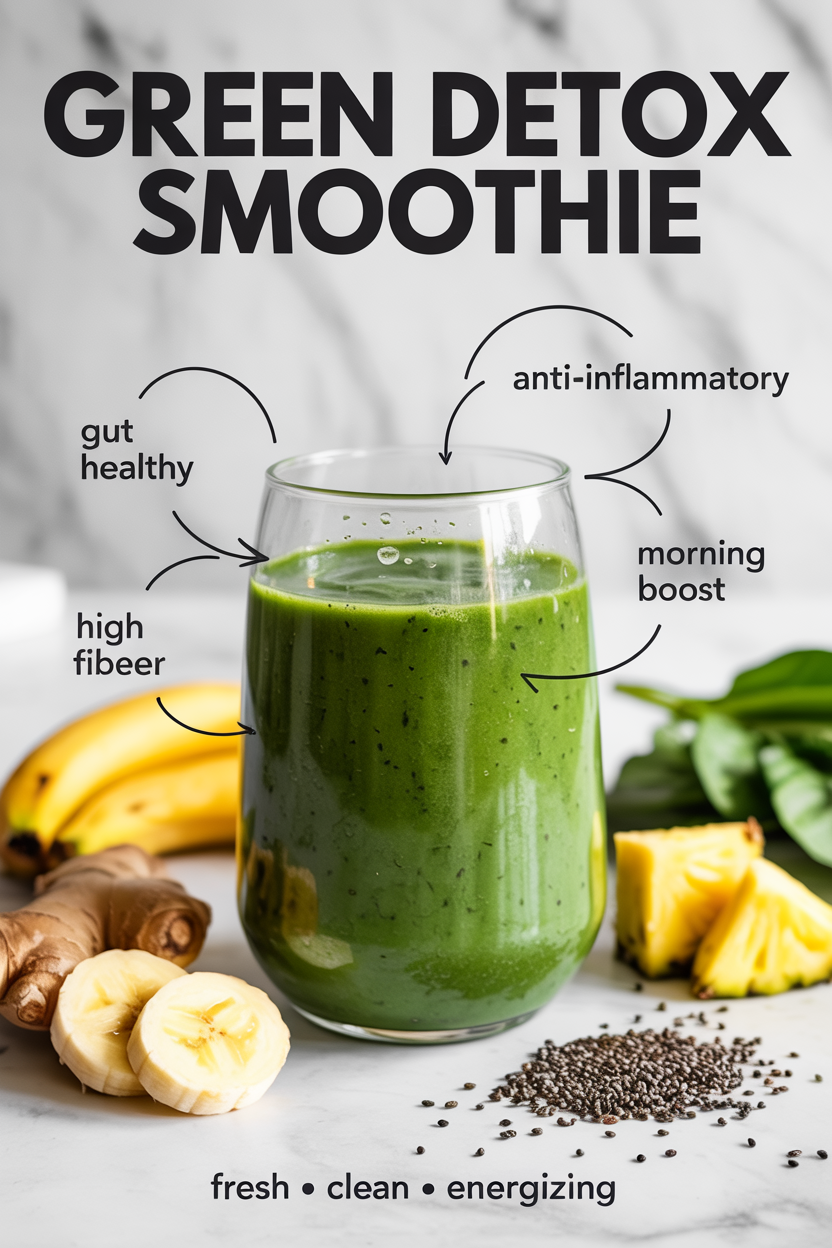
This smoothie is packed with leafy greens and chia seeds, providing a robust dose of fiber and antioxidants to start the day right.
Ingredients:
- 2 cups fresh spinach
- 1 cup unsweetened almond milk
- 1/2 frozen banana
- 1/2 cup frozen pineapple chunks
- 1 tablespoon chia seeds
- 1/2-inch piece of fresh ginger, peeled
Instructions:
- Place all ingredients into a high-powered blender.
- Blend on high until completely smooth and creamy.
- Pour into a glass and enjoy immediately.
2. Berry-Green Tea Antioxidant Smoothie
Green tea provides a gentle caffeine boost along with catechins, which are potent antioxidants that help reduce inflammation.
Ingredients:
- 1 cup brewed green tea, cooled
- 1 cup mixed frozen berries (blueberries, raspberries, strawberries)
- 1/2 cup plain Greek yogurt
- 1 tablespoon ground flaxseed
- 1 teaspoon raw honey (optional)
Instructions:
- Brew the green tea and allow it to cool completely (you can do this the night before).
- Add the cooled green tea, mixed berries, Greek yogurt, flaxseed, and honey to a blender.
- Blend until smooth and serve cold.
3. Turmeric Golden Milk Latte
A warming, soothing beverage that harnesses the powerful anti-inflammatory properties of curcumin found in turmeric.
Ingredients:
- 1 1/2 cups coconut milk (or milk of choice)
- 1 teaspoon ground turmeric
- 1/4 teaspoon ground cinnamon
- 1/4 teaspoon ground ginger
- A pinch of black pepper (enhances curcumin absorption)
- 1 teaspoon maple syrup
Instructions:
- In a small saucepan, whisk together all ingredients.
- Heat over medium-low heat until warm, but do not let it boil.
- Pour into a mug and enjoy as a comforting morning drink.
4. Matcha Green Tea Breakfast Bowl
Matcha is rich in polyphenols, which have been linked to reduced “inflammaging” in older adults.
Ingredients:
- 1 cup unsweetened almond milk
- 1/2 avocado
- 1 frozen banana
- 1 teaspoon high-quality matcha powder
- 1 tablespoon hemp seeds
Instructions:
- Combine the almond milk, avocado, frozen banana, and matcha powder in a blender.
- Blend until thick and creamy.
- Pour into a bowl and top with hemp seeds.
5. Ginger and Kale Detox Smoothie
Kale is a nutrient-dense leafy green that pairs perfectly with the digestive and anti-inflammatory benefits of fresh ginger.
Ingredients:
- 1 cup chopped kale leaves (stems removed)
- 1 cup coconut water
- 1/2 green apple, chopped
- 1/2-inch piece of fresh ginger, peeled
- 1 tablespoon lemon juice
Instructions:
- Add the kale and coconut water to a blender and blend until the leafy chunks are gone.
- Add the apple, ginger, and lemon juice.
- Blend again until smooth.
Oats and Grains
6. Golden Milk Overnight Oats
This recipe combines the convenience of overnight oats with the anti-inflammatory power of turmeric and ginger.
Ingredients:
- 1/2 cup rolled oats
- 3/4 cup almond milk
- 1/2 teaspoon ground turmeric
- 1/4 teaspoon ground cinnamon
- 1 tablespoon chia seeds
- 1 teaspoon maple syrup
Instructions:
- In a mason jar or container with a lid, combine all ingredients.
- Stir well to ensure the chia seeds and spices are evenly distributed.
- Cover and refrigerate overnight.
- In the morning, stir again and enjoy cold, or warm it up in the microwave.
7. Blueberry Walnut Oatmeal
Walnuts are an excellent source of plant-based omega-3 fatty acids, which are crucial for heart and brain health during perimenopause.
Ingredients:
- 1/2 cup rolled oats
- 1 cup water or milk of choice
- 1/2 cup fresh or frozen blueberries
- 2 tablespoons chopped walnuts
- 1/2 teaspoon vanilla extract
Instructions:
- In a small saucepan, bring the liquid to a boil.
- Stir in the oats and reduce heat to a simmer.
- Cook for 5-7 minutes, stirring occasionally, until the liquid is absorbed.
- Remove from heat and stir in the vanilla extract.
- Top with blueberries and chopped walnuts before serving.
8. Quinoa Breakfast Bowl with Berries
Quinoa is a complete protein and a great gluten-free alternative to traditional breakfast grains.
Ingredients:
- 1/2 cup cooked quinoa (warm or cold)
- 1/2 cup unsweetened almond milk
- 1/2 cup mixed berries
- 1 tablespoon sliced almonds
- A dash of cinnamon
Instructions:
- Place the cooked quinoa in a bowl.
- Pour the almond milk over the quinoa.
- Top with mixed berries, sliced almonds, and a dash of cinnamon.
9. Apple Cinnamon Chia Seed Pudding
Chia seeds are packed with fiber and omega-3s, making this pudding a perfect make-ahead anti-inflammatory breakfast.
Ingredients:
- 3 tablespoons chia seeds
- 3/4 cup coconut milk
- 1/2 apple, finely diced
- 1/2 teaspoon ground cinnamon
- 1 teaspoon maple syrup
Instructions:
- In a jar, mix the chia seeds, coconut milk, cinnamon, and maple syrup.
- Let it sit for 5 minutes, then stir again to prevent clumping.
- Fold in the diced apples.
- Cover and refrigerate for at least 2 hours or overnight.
10. Warm Flaxseed and Almond Meal Porridge
A low-carb, grain-free alternative to oatmeal that is rich in lignans from flaxseeds, which help balance hormones.
Ingredients:
- 1/4 cup almond meal
- 2 tablespoons ground flaxseed
- 3/4 cup boiling water or hot almond milk
- 1/4 cup raspberries
- 1 tablespoon pumpkin seeds
Instructions:
- In a bowl, combine the almond meal and ground flaxseed.
- Pour the hot liquid over the dry ingredients and stir continuously until it thickens into a porridge consistency.
- Top with raspberries and pumpkin seeds.
Eggs and Savory Breakfasts
11. Turmeric Scrambled Eggs with Spinach
Eggs provide choline and high-quality protein, while turmeric and spinach add a powerful anti-inflammatory punch.
Ingredients:
- 2 large eggs
- 1/4 teaspoon ground turmeric
- 1 cup fresh baby spinach
- 1 teaspoon olive oil
- Salt and pepper to taste
Instructions:
- In a small bowl, whisk the eggs with the turmeric, salt, and pepper.
- Heat the olive oil in a skillet over medium heat.
- Add the spinach and sauté until wilted (about 1-2 minutes).
- Pour the egg mixture over the spinach and scramble until cooked through.
12. Smoked Salmon and Avocado Bowl
Salmon is rich in EPA and DHA omega-3 fatty acids, which are essential for reducing cardiovascular risk factors and joint pain.
Ingredients:
- 3 oz smoked salmon
- 1/2 avocado, sliced
- 1/4 cup cherry tomatoes, halved
- 1 teaspoon fresh dill, chopped
- A squeeze of fresh lemon juice
Instructions:
- Arrange the smoked salmon and sliced avocado in a shallow bowl.
- Add the halved cherry tomatoes.
- Sprinkle with fresh dill and squeeze lemon juice over the top.
13. Sardine and Avocado Toast
Sardines are an underrated superfood, packed with omega-3s, calcium, and vitamin D for bone health.
Ingredients:
- 1 slice whole-grain or sourdough bread, toasted
- 1/2 avocado, mashed
- 1 tin of sardines in olive oil, drained
- 1 teaspoon lemon zest
- A pinch of red pepper flakes
Instructions:
- Spread the mashed avocado evenly over the toasted bread.
- Top with the drained sardines.
- Garnish with lemon zest and red pepper flakes.
14. Veggie-Packed Baked Egg Muffins
These make-ahead egg muffins are perfect for busy mornings and ensure you get a serving of vegetables right away.
Ingredients:
- 6 large eggs
- 1/2 cup finely chopped bell peppers
- 1/2 cup chopped broccoli florets
- 1/4 cup diced red onion
- 1/4 teaspoon garlic powder
- Salt and pepper to taste
Instructions:
- Preheat oven to 350°F (175°C) and grease a 6-cup muffin tin.
- In a bowl, whisk the eggs with garlic powder, salt, and pepper.
- Stir in the bell peppers, broccoli, and red onion.
- Pour the mixture evenly into the muffin cups.
- Bake for 20-25 minutes, or until the eggs are set.
15. Mediterranean Baked Eggs in Tomato Sauce (Shakshuka)
Tomatoes are rich in lycopene, an antioxidant that becomes even more bioavailable when cooked with olive oil.
Ingredients:
- 1/2 cup crushed canned tomatoes
- 1/4 cup diced bell peppers
- 1 tablespoon olive oil
- 2 large eggs
- 1 tablespoon fresh parsley, chopped
Instructions:
- Heat the olive oil in a small skillet over medium heat.
- Add the bell peppers and sauté until soft.
- Pour in the crushed tomatoes and simmer for 5 minutes.
- Make two small wells in the tomato sauce and crack an egg into each well.
- Cover the skillet and cook for 5-7 minutes until the egg whites are set.
- Garnish with fresh parsley.
16. Sweet Potato and Black Bean Breakfast Hash
A hearty, plant-based savory breakfast rich in fiber and complex carbohydrates.
Ingredients:
- 1/2 cup diced sweet potato
- 1/4 cup canned black beans, rinsed
- 1/4 cup diced red onion
- 1 tablespoon olive oil
- 1/2 teaspoon cumin
Instructions:
- Heat the olive oil in a skillet over medium heat.
- Add the sweet potato and red onion, cooking until the potatoes are tender (about 8-10 minutes).
- Stir in the black beans and cumin, cooking for another 2 minutes until heated through.
- Serve warm.
Pancakes and Baked Goods
17. Banana Walnut Oat Pancakes
These gluten-free pancakes use oats instead of refined flour, preventing blood sugar spikes that can trigger inflammation.
Ingredients:
- 1 ripe banana, mashed
- 2 eggs
- 1/2 cup oat flour (blended rolled oats)
- 1/4 cup chopped walnuts
- 1/2 teaspoon cinnamon
Instructions:
- In a bowl, mix the mashed banana and eggs until well combined.
- Stir in the oat flour and cinnamon until a batter forms.
- Fold in the chopped walnuts.
- Heat a lightly greased skillet over medium heat and pour 1/4 cup of batter per pancake.
- Cook for 2-3 minutes per side until golden brown.
18. Anti-Inflammatory Carrot Cake Baked Oatmeal
Carrots provide beta-carotene, while the spices offer anti-inflammatory benefits in a comforting baked dish.
Ingredients:
- 1/2 cup rolled oats
- 1/4 cup grated carrots
- 1/2 cup almond milk
- 1 tablespoon chopped pecans
- 1/4 teaspoon ground ginger
- 1/4 teaspoon ground cinnamon
Instructions:
- Preheat oven to 375°F (190°C) and lightly grease a small, oven-safe ramekin.
- In a bowl, mix all ingredients together.
- Pour the mixture into the ramekin.
- Bake for 25-30 minutes until the top is golden and the liquid is absorbed.
19. Almond Flour Blueberry Muffins
A low-glycemic baked good option that utilizes the antioxidant power of blueberries.
Ingredients:
- 1 cup almond flour
- 2 eggs
- 1/4 cup unsweetened applesauce
- 1/2 cup fresh blueberries
- 1/2 teaspoon baking soda
Instructions:
- Preheat oven to 350°F (175°C) and line a muffin tin with 4 paper liners.
- In a bowl, whisk the eggs and applesauce together.
- Stir in the almond flour and baking soda until combined.
- Gently fold in the blueberries.
- Divide the batter among the muffin cups and bake for 20-22 minutes.
20. Sweet Potato Toast with Almond Butter
A fantastic alternative to bread, sweet potato slices provide a nutrient-dense base for healthy fats.
Ingredients:
- 2 slices of sweet potato (about 1/4-inch thick, cut lengthwise)
- 2 tablespoons almond butter
- 1/2 banana, sliced
- 1 teaspoon hemp seeds
Instructions:
- Pop the sweet potato slices into a toaster and toast on high for 2-3 cycles, until tender and slightly browned.
- Spread almond butter evenly over the warm sweet potato slices.
- Top with banana slices and sprinkle with hemp seeds.
Quick and Easy Assemblies
21. Greek Yogurt Parfait with Pomegranate
Pomegranate seeds are bursting with polyphenols and vitamin C, making this a vibrant and healthy choice.
Ingredients:
- 3/4 cup plain Greek yogurt
- 1/4 cup pomegranate arils
- 1 tablespoon pumpkin seeds
- 1 teaspoon raw honey
Instructions:
- In a glass or bowl, layer half of the Greek yogurt.
- Add half of the pomegranate arils and pumpkin seeds.
- Repeat the layers and drizzle with honey before serving.
22. Cottage Cheese and Cherry Bowl
Cottage cheese is an excellent source of protein, which is vital for maintaining muscle mass during menopause.
Ingredients:
- 1/2 cup low-fat cottage cheese
- 1/2 cup pitted fresh or frozen (thawed) cherries
- 1 tablespoon sliced almonds
- A dash of vanilla extract
Instructions:
- Place the cottage cheese in a bowl and stir in the vanilla extract.
- Top with the cherries and sliced almonds.
23. Apple Slices with Walnut Butter and Cinnamon
A crunchy, satisfying breakfast that takes less than two minutes to prepare.
Ingredients:
- 1 medium apple, sliced
- 2 tablespoons walnut butter (or almond butter)
- 1/4 teaspoon ground cinnamon
Instructions:
- Arrange the apple slices on a plate.
- Spread or drizzle the walnut butter over the slices.
- Dust evenly with ground cinnamon.
24. Mediterranean Cucumber and Tomato Salad
A refreshing, savory breakfast common in Mediterranean cultures, providing hydration and antioxidants.
Ingredients:
- 1 cup diced cucumber
- 1/2 cup diced tomatoes
- 1/4 cup Kalamata olives, pitted and halved
- 1 tablespoon extra-virgin olive oil
- 1 teaspoon lemon juice
Instructions:
- In a bowl, combine the cucumber, tomatoes, and olives.
- Drizzle with olive oil and lemon juice.
- Toss gently to combine and serve immediately.
25. Edamame and Avocado Mash
Edamame provides plant-based protein and phytoestrogens, which can gently support hormone balance.
Ingredients:
- 1/2 cup shelled edamame, steamed and cooled
- 1/4 avocado
- 1 teaspoon lime juice
- A pinch of sea salt
Instructions:
- In a bowl, mash the edamame and avocado together with a fork.
- Stir in the lime juice and sea salt.
- Enjoy on its own or spread over a brown rice cake.
26. Papaya and Pistachio Chia Bowl
Pistachios offer a unique profile of antioxidants, including lutein and zeaxanthin, which support eye health.
Ingredients:
- 1/2 cup diced fresh papaya
- 2 tablespoons shelled pistachios, chopped
- 1/2 cup prepared plain chia pudding (chia seeds soaked in almond milk)
- 1 teaspoon coconut flakes
Instructions:
- Place the prepared chia pudding in a bowl.
- Top with the diced papaya and chopped pistachios.
- Sprinkle with coconut flakes before serving.
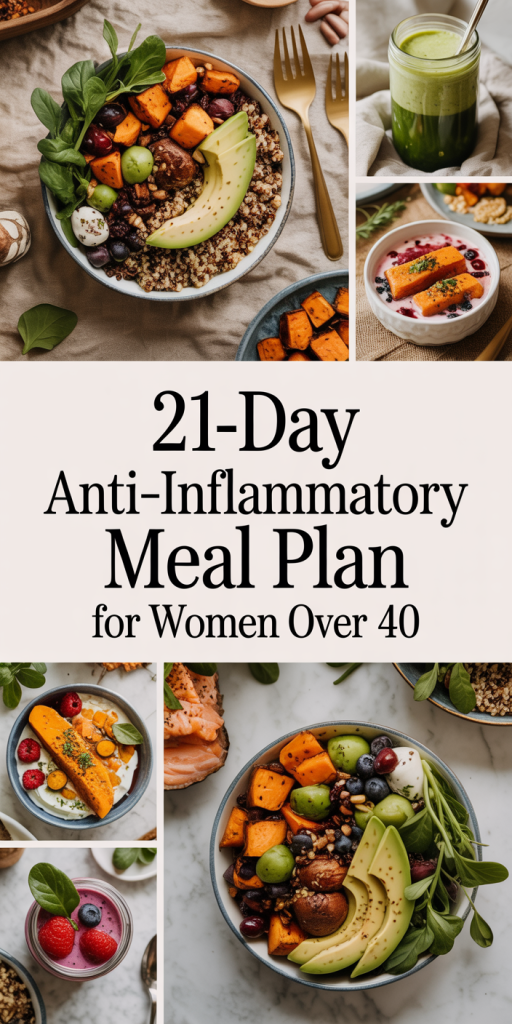
Part 2: Lunch Recipes (27–52)
A nutrient-dense, anti-inflammatory lunch provides sustained energy to beat the afternoon slump while actively fighting cellular stress.
Salads and Bowls
27. Mediterranean Chickpea and Farro Bowl
Farro is an ancient grain with a low glycemic index, while chickpeas provide plant-based protein and fiber.
Ingredients:
- 1/2 cup cooked farro
- 1/2 cup canned chickpeas, rinsed
- 1/2 cup cherry tomatoes, halved
- 1/4 cup diced cucumber
- 1/4 avocado, sliced
- 1 tablespoon extra-virgin olive oil
- 1 teaspoon lemon juice
Instructions:
- In a bowl, arrange the cooked farro as the base.
- Top with chickpeas, cherry tomatoes, cucumber, and avocado.
- Drizzle with olive oil and lemon juice. Toss gently before eating.
28. Anti-Inflammatory Kale Caesar Salad
Kale is rich in vitamins K and C, and this dairy-free dressing uses tahini for healthy fats instead of heavy mayonnaise.
Ingredients:
- 2 cups chopped kale, stems removed
- 1/4 cup roasted chickpeas (instead of croutons)
- 2 tablespoons tahini
- 1 tablespoon lemon juice
- 1 teaspoon Dijon mustard
- 1 clove garlic, minced
Instructions:
- In a small bowl, whisk together the tahini, lemon juice, mustard, and garlic to make the dressing. Add a splash of water if it’s too thick.
- Massage the dressing into the kale leaves until they soften.
- Top with roasted chickpeas.
29. Creamy Avocado Tuna Salad
Swapping mayonnaise for avocado provides heart-healthy monounsaturated fats while keeping the creamy texture you love.
Ingredients:
- 1 (5-oz) can wild-caught tuna, drained
- 1/2 ripe avocado, mashed
- 1/4 cup diced celery
- 1 tablespoon diced red onion
- 1 teaspoon lemon juice
Instructions:
- In a bowl, mix the drained tuna with the mashed avocado.
- Stir in the celery, red onion, and lemon juice.
- Serve over a bed of mixed greens or with whole-grain crackers.
30. Quinoa and Roasted Vegetable Salad
Quinoa is a complete protein, and roasting vegetables enhances their natural sweetness and antioxidant availability.
Ingredients:
- 1/2 cup cooked quinoa
- 1 cup mixed roasted vegetables (broccoli, bell peppers, sweet potatoes)
- 1 tablespoon pumpkin seeds
- 1 tablespoon balsamic vinaigrette
Instructions:
- Combine the cooked quinoa and roasted vegetables in a bowl.
- Drizzle with balsamic vinaigrette and toss to coat.
- Sprinkle pumpkin seeds on top for added crunch and zinc.
31. Salmon and Spinach Power Bowl
Salmon is one of the best sources of EPA and DHA omega-3 fatty acids, which are potent inflammation fighters.
Ingredients:
- 3 oz cooked or canned wild salmon
- 2 cups fresh baby spinach
- 1/4 cup sliced almonds
- 1/4 cup blueberries
- 1 tablespoon olive oil and lemon dressing
Instructions:
- Place the spinach in a large bowl.
- Flake the salmon over the greens.
- Add the almonds and blueberries.
- Drizzle with the dressing and toss lightly.
32. Edamame and Cabbage Crunch Salad
Edamame contains phytoestrogens, which can help balance hormones during perimenopause.
Ingredients:
- 1 cup shredded purple cabbage
- 1/2 cup shelled edamame
- 1/4 cup shredded carrots
- 1 tablespoon sesame oil
- 1 teaspoon rice vinegar
- 1 teaspoon grated fresh ginger
Instructions:
- In a bowl, combine the cabbage, edamame, and carrots.
- In a small jar, shake together the sesame oil, rice vinegar, and ginger.
- Pour the dressing over the salad and toss well.
33. Lentil and Beet Salad
Beets contain betalains, which are unique antioxidants with strong anti-inflammatory properties.
Ingredients:
- 1/2 cup cooked lentils
- 1/2 cup roasted or steamed diced beets
- 1/4 cup crumbled feta cheese (optional)
- 1 cup arugula
- 1 tablespoon apple cider vinegar
Instructions:
- Arrange the arugula on a plate.
- Top with lentils and diced beets.
- Sprinkle with feta cheese if using.
- Drizzle with apple cider vinegar.
34. Black Bean and Mango Fiesta Bowl
A vibrant, vitamin C-rich bowl that supports collagen production for joint and skin health.
Ingredients:
- 1/2 cup black beans, rinsed
- 1/2 cup diced fresh mango
- 1/4 cup diced red bell pepper
- 1/4 cup diced red onion
- 1 tablespoon fresh cilantro, chopped
- 1 tablespoon lime juice
Instructions:
- Combine all ingredients in a bowl.
- Toss well to ensure the lime juice coats everything.
- Let sit for 5 minutes before eating to allow flavors to meld.
Soups and Stews
35. Golden Turmeric Lentil Soup
Turmeric contains curcumin, a compound that matches the effectiveness of some anti-inflammatory drugs without the side effects.
Ingredients:
- 1/2 cup dry red lentils
- 2 cups vegetable broth
- 1/2 cup diced carrots
- 1/2 teaspoon ground turmeric
- 1/4 teaspoon ground ginger
- 1 clove garlic, minced
Instructions:
- In a small pot, combine all ingredients.
- Bring to a boil, then reduce heat, cover, and simmer for 20 minutes until lentils are tender.
- Serve hot.
36. Immune-Boosting Miso Mushroom Soup
Miso provides gut-friendly probiotics, while mushrooms offer immune-modulating beta-glucans.
Ingredients:
- 2 cups water
- 1 tablespoon white miso paste
- 1/2 cup sliced shiitake mushrooms
- 1/4 cup cubed firm tofu
- 1 green onion, sliced
Instructions:
- Bring the water to a gentle simmer in a pot. Add the mushrooms and tofu, cooking for 3 minutes.
- Remove from heat. Place the miso paste in a small bowl, add a ladle of the hot broth, and whisk until smooth.
- Stir the miso mixture back into the soup (do not boil miso, as it kills the probiotics).
- Garnish with green onions.
37. Anti-Inflammatory Chicken Bone Broth Soup
Bone broth is rich in collagen and amino acids like glycine, which help repair the gut lining and reduce systemic inflammation.
Ingredients:
- 2 cups high-quality chicken bone broth
- 1/2 cup shredded cooked chicken
- 1/2 cup chopped kale
- 1/2 teaspoon grated fresh turmeric
Instructions:
- Heat the bone broth in a saucepan.
- Add the shredded chicken, kale, and grated turmeric.
- Simmer for 5 minutes until the kale is wilted.
38. Creamy Vegan Tomato Basil Soup
Cooked tomatoes are an excellent source of lycopene, an antioxidant that protects against cellular damage.
Ingredients:
- 1 cup crushed canned tomatoes
- 1/2 cup unsweetened cashew milk or coconut milk
- 1 tablespoon fresh basil, chopped
- 1 clove garlic, minced
- 1 teaspoon olive oil
Instructions:
- Heat the olive oil in a small pot and sauté the garlic for 1 minute.
- Add the crushed tomatoes and simmer for 5 minutes.
- Stir in the cashew milk and heat gently.
- Top with fresh basil before serving.
39. Sweet Potato and Ginger Bisque
Ginger contains gingerols, which are potent anti-inflammatory compounds that also aid digestion.
Ingredients:
- 1 cup cubed sweet potato, steamed or roasted
- 1 cup vegetable broth
- 1 teaspoon freshly grated ginger
- 1/4 cup coconut milk
Instructions:
- Place the cooked sweet potato, broth, and ginger in a blender.
- Blend until completely smooth.
- Transfer to a pot, stir in the coconut milk, and heat until warm.
40. Green Detox Broccoli Soup
Broccoli is a cruciferous vegetable rich in sulforaphane, which helps the liver detoxify excess hormones.
Ingredients:
- 1.5 cups broccoli florets
- 1 cup vegetable broth
- 1/4 cup chopped onion
- 1 tablespoon olive oil
- A pinch of nutmeg
Instructions:
- Sauté the onion in olive oil until translucent.
- Add the broccoli and broth, simmering until the broccoli is very tender (about 10 minutes).
- Blend the soup until smooth and season with nutmeg.
Wraps and Sandwiches
41. Turkey and Avocado Lettuce Wraps
Using lettuce instead of bread reduces refined carbohydrates, which are known to spike blood sugar and drive inflammation.
Ingredients:
- 3 large romaine or butter lettuce leaves
- 3 oz sliced roasted turkey breast
- 1/4 avocado, sliced
- 1/4 cup shredded carrots
- 1 teaspoon Dijon mustard
Instructions:
- Lay the lettuce leaves flat on a plate.
- Layer the turkey, avocado, and carrots evenly among the leaves.
- Drizzle with mustard and roll up tightly.
42. Hummus and Veggie Collard Wrap
Collard greens are sturdy and packed with calcium, making them an excellent wrap alternative for bone health.
Ingredients:
- 1 large collard green leaf, stem trimmed flat
- 3 tablespoons hummus
- 1/4 cup sliced bell peppers
- 1/4 cup cucumber sticks
- 1 tablespoon sunflower seeds
Instructions:
- Spread the hummus evenly over the center of the collard leaf.
- Place the bell peppers and cucumber sticks on top of the hummus.
- Sprinkle with sunflower seeds.
- Fold the sides in and roll like a burrito.
43. Sardine Salad on Sourdough
Sourdough undergoes a fermentation process that breaks down gluten and phytic acid, making it easier to digest and less inflammatory.
Ingredients:
- 1 tin sardines in water or olive oil, drained and mashed
- 1 tablespoon tahini or avocado mayo
- 1 teaspoon lemon juice
- 1 slice toasted sourdough bread
- 1 slice tomato
Instructions:
- Mix the mashed sardines with tahini and lemon juice.
- Spread the mixture onto the toasted sourdough.
- Top with a slice of fresh tomato.
44. Mediterranean Veggie Pita
Opt for a whole-wheat or grain-free pita to keep this classic lunch anti-inflammatory.
Ingredients:
- 1 whole-wheat pita pocket, halved
- 2 tablespoons tzatziki sauce
- 1/4 cup spinach
- 1/4 cup roasted red peppers
- 2 tablespoons Kalamata olives, chopped
Instructions:
- Open the pita halves and spread tzatziki inside each.
- Stuff with spinach, roasted red peppers, and olives.
45. Smashed White Bean and Dill Sandwich
White beans provide a creamy texture and are loaded with soluble fiber, which feeds anti-inflammatory gut bacteria.
Ingredients:
- 1/2 cup cannellini beans, rinsed
- 1 tablespoon olive oil
- 1 teaspoon fresh dill, chopped
- 1 teaspoon lemon juice
- 2 slices of sprouted grain bread
Instructions:
- In a bowl, mash the white beans with the olive oil, dill, and lemon juice until chunky but spreadable.
- Spread the mixture between the two slices of sprouted grain bread.
Quick Bites and Bento Boxes
46. The Omega-3 Bento Box
A snack-style lunch that requires zero cooking and is packed with healthy fats.
Ingredients:
- 1 hard-boiled egg, sliced
- 1/4 cup walnuts
- 1/2 cup cherry tomatoes
- 1/2 avocado, sprinkled with everything bagel seasoning
Instructions:
- Arrange all ingredients in a bento box or on a plate.
- Enjoy cold.
47. Smoked Salmon Roll-Ups
A low-carb, high-protein lunch that feels elegant but takes minutes to assemble.
Ingredients:
- 3 slices smoked salmon
- 3 tablespoons dairy-free cream cheese or almond milk ricotta
- 3 asparagus spears, blanched
- Fresh black pepper
Instructions:
- Lay the smoked salmon slices flat.
- Spread 1 tablespoon of the cream cheese onto each slice.
- Place an asparagus spear at one end and roll the salmon around it.
- Season with black pepper.
48. Cottage Cheese and Pineapple Bowl
Cottage cheese is high in protein, while pineapple contains bromelain, an enzyme known for its anti-inflammatory properties.
Ingredients:
- 1/2 cup low-fat cottage cheese
- 1/2 cup fresh pineapple chunks
- 1 tablespoon chia seeds
Instructions:
- Place the cottage cheese in a bowl.
- Top with pineapple chunks and sprinkle with chia seeds.
49. Roasted Chickpea and Veggie Snack Plate
Crunchy, satisfying, and full of fiber.
Ingredients:
- 1/2 cup roasted chickpeas (tossed in olive oil and paprika, baked until crispy)
- 1/2 cup snap peas
- 1/2 cup baby carrots
- 2 tablespoons guacamole for dipping
Instructions:
- Arrange the roasted chickpeas, snap peas, and carrots on a plate.
- Serve with guacamole on the side.
50. Stuffed Bell Pepper Halves
Bell peppers are rich in vitamin C, which helps protect cells from oxidative damage.
Ingredients:
- 1 large bell pepper, halved and seeded
- 1/2 cup cooked quinoa
- 1/4 cup black beans
- 2 tablespoons salsa
Instructions:
- Mix the quinoa, black beans, and salsa in a bowl.
- Spoon the mixture into the bell pepper halves.
- Eat fresh, or bake at 350°F for 15 minutes if you prefer them warm.
51. Apple, Celery, and Walnut Salad
A refreshing, crunchy salad that provides a quick energy boost without the sugar crash.
Ingredients:
- 1 apple, diced
- 2 stalks celery, diced
- 1/4 cup chopped walnuts
- 1 tablespoon plain yogurt
- 1 teaspoon lemon juice
Instructions:
- In a bowl, combine the apple, celery, and walnuts.
- In a small dish, mix the yogurt and lemon juice.
- Toss the salad with the yogurt dressing.
52. Zucchini Noodle “Pasta” Salad
Zucchini noodles are a fantastic, low-carb alternative to traditional pasta, keeping the meal light and anti-inflammatory.
Ingredients:
- 1 cup spiralized zucchini noodles (zoodles)
- 1/4 cup cherry tomatoes, halved
- 1 tablespoon pesto (preferably dairy-free)
- 1 tablespoon pine nuts
Instructions:
- Place the raw zucchini noodles in a bowl.
- Add the cherry tomatoes and pesto.
- Toss well to coat the noodles in the pesto.
- Top with pine nuts.
Part 3: Dinner Recipes (53–78)
Dinner is the final meal of the day, making it a critical opportunity to supply the body with the nutrients it needs to repair and regenerate overnight.
Seafood and Fish
53. Lemon Herb Baked Salmon
Salmon is a premier source of omega-3 fatty acids (EPA and DHA), which are essential for reducing cardiovascular risk and joint inflammation.
Ingredients:
- 2 (6-oz) wild-caught salmon fillets
- 1 tablespoon extra-virgin olive oil
- 1 clove garlic, minced
- 1 tablespoon fresh dill, chopped
- 1 tablespoon fresh parsley, chopped
- 1/2 lemon, sliced
- Salt and pepper to taste
Instructions:
- Preheat oven to 400°F (200°C) and line a baking sheet with parchment paper.
- Place the salmon fillets on the baking sheet and brush with olive oil.
- Rub the minced garlic over the fillets, then sprinkle with dill, parsley, salt, and pepper.
- Top each fillet with lemon slices.
- Bake for 12-15 minutes, or until the salmon flakes easily with a fork.
54. Turmeric and Ginger Glazed Cod
Cod is another excellent source of anti-inflammatory omega-3s, and the turmeric-ginger glaze adds a powerful antioxidant boost.
Ingredients:
- 2 (6-oz) cod fillets
- 1 tablespoon coconut aminos (or low-sodium soy sauce)
- 1 teaspoon freshly grated ginger
- 1/2 teaspoon ground turmeric
- 1 teaspoon honey or maple syrup
- 1 tablespoon sesame oil
Instructions:
- In a small bowl, whisk together the coconut aminos, ginger, turmeric, honey, and sesame oil.
- Place the cod fillets in a shallow dish and pour the marinade over them. Let sit for 15 minutes.
- Heat a skillet over medium heat and cook the cod for 4-5 minutes per side, until opaque and cooked through.
55. Mediterranean Baked Halibut with Tomatoes and Olives
Tomatoes provide lycopene, while olives offer heart-healthy monounsaturated fats.
Ingredients:
- 2 (6-oz) halibut fillets
- 1 cup cherry tomatoes, halved
- 1/4 cup Kalamata olives, pitted and halved
- 1 tablespoon capers
- 1 tablespoon olive oil
- 1 teaspoon dried oregano
Instructions:
- Preheat oven to 375°F (190°C).
- Place the halibut in a baking dish.
- Surround the fish with tomatoes, olives, and capers.
- Drizzle everything with olive oil and sprinkle with oregano.
- Bake for 15-20 minutes until the fish is cooked through.
56. Sardine and Zucchini Noodle “Pasta”
Sardines are an underrated superfood, packed with omega-3s, calcium, and vitamin D for bone health.
Ingredients:
- 2 cups spiralized zucchini noodles (zoodles)
- 1 tin sardines in olive oil, drained and roughly chopped
- 2 cloves garlic, minced
- 1/4 teaspoon red pepper flakes
- 1 tablespoon lemon juice
Instructions:
- Heat a skillet over medium heat and add the garlic and red pepper flakes, sautéing for 1 minute.
- Add the zucchini noodles and toss for 2-3 minutes until just softened.
- Gently fold in the chopped sardines and lemon juice.
- Serve immediately.
57. Shrimp and Asparagus Sheet Pan Dinner
Asparagus acts as a prebiotic, feeding the good bacteria in the gut, which is crucial for a healthy immune response.
Ingredients:
- 1/2 lb large shrimp, peeled and deveined
- 1 bunch asparagus, tough ends trimmed
- 1 tablespoon olive oil
- 1 teaspoon smoked paprika
- 1/2 lemon, juiced
Instructions:
- Preheat oven to 400°F (200°C).
- On a sheet pan, toss the shrimp and asparagus with olive oil and smoked paprika.
- Spread into a single layer.
- Roast for 8-10 minutes until the shrimp are pink and the asparagus is tender.
- Squeeze fresh lemon juice over the top before serving.
Poultry
58. Ginger Turmeric Chicken Stir-Fry
This quick stir-fry combines lean protein with the potent anti-inflammatory properties of ginger and turmeric.
Ingredients:
- 1/2 lb chicken breast, thinly sliced
- 2 cups broccoli florets
- 1 tablespoon coconut oil
- 1 tablespoon freshly grated ginger
- 1 teaspoon ground turmeric
- 2 tablespoons coconut aminos
Instructions:
- Heat the coconut oil in a wok or large skillet over medium-high heat.
- Add the chicken slices and cook until browned (about 5 minutes).
- Add the broccoli, ginger, and turmeric, stirring constantly for 2 minutes.
- Pour in the coconut aminos and cook for another 3 minutes until the broccoli is tender-crisp.
59. Healing Chicken Bone Broth Soup
Bone broth is rich in collagen and amino acids like glycine, which help repair the gut lining and reduce systemic inflammation.
Ingredients:
- 4 cups high-quality chicken bone broth
- 1 cup shredded cooked chicken
- 1 cup chopped kale
- 1/2 cup sliced carrots
- 1/2 teaspoon grated fresh turmeric
Instructions:
- In a large pot, bring the bone broth to a simmer.
- Add the carrots and simmer for 5 minutes.
- Stir in the shredded chicken, kale, and grated turmeric.
- Simmer for another 5 minutes until the kale is wilted and the chicken is heated through.
60. Baked Chicken Thighs with Rosemary and Lemon
Chicken thighs provide more iron and zinc than breasts, and rosemary contains rosmarinic acid, a strong antioxidant.
Ingredients:
- 4 bone-in, skin-on chicken thighs
- 1 tablespoon olive oil
- 2 sprigs fresh rosemary
- 1 lemon, sliced
- Salt and pepper to taste
Instructions:
- Preheat oven to 400°F (200°C).
- Rub the chicken thighs with olive oil, salt, and pepper.
- Place in a baking dish and top with rosemary sprigs and lemon slices.
- Bake for 35-40 minutes until the internal temperature reaches 165°F.
61. Ground Turkey and Sweet Potato Skillet
Sweet potatoes are a complex carbohydrate that won’t spike blood sugar, helping to keep inflammation at bay.
Ingredients:
- 1/2 lb lean ground turkey
- 1 medium sweet potato, peeled and diced
- 1/2 cup diced bell peppers
- 1 tablespoon olive oil
- 1 teaspoon cumin
- 1/2 teaspoon chili powder
Instructions:
- Heat the olive oil in a large skillet over medium heat.
- Add the sweet potato and cook until tender (about 10 minutes).
- Push the potatoes to the side and add the ground turkey, cooking until browned.
- Stir in the bell peppers, cumin, and chili powder, cooking for another 5 minutes.
62. Chicken and Cauliflower Rice Bowl
Cauliflower is a cruciferous vegetable that supports the liver’s natural detoxification processes.
Ingredients:
- 1 cup cooked, diced chicken breast
- 2 cups cauliflower rice
- 1/4 cup chopped walnuts
- 1 tablespoon olive oil
- 1 tablespoon tahini
Instructions:
- Heat the olive oil in a skillet and sauté the cauliflower rice for 5 minutes until tender.
- Stir in the cooked chicken and walnuts until heated through.
- Drizzle with tahini before serving.
Plant-Based and Vegetarian
63. Anti-Inflammatory Coconut Vegetable Curry
Coconut milk provides medium-chain triglycerides (MCTs), while the curry spices offer a massive antioxidant boost.
Ingredients:
- 1 cup full-fat coconut milk
- 1 tablespoon red curry paste
- 1 cup cauliflower florets
- 1/2 cup diced sweet potato
- 1/2 cup spinach
- 1/2 teaspoon ground turmeric
Instructions:
- In a pot, whisk together the coconut milk, curry paste, and turmeric over medium heat.
- Add the cauliflower and sweet potato, bringing to a gentle simmer.
- Cover and cook for 15 minutes until the vegetables are tender.
- Stir in the spinach and cook for 1 minute until wilted.
64. Healing Chickpea and Red Lentil Stew
Legumes are rich in soluble fiber, which feeds the beneficial bacteria in the gut microbiome.
Ingredients:
- 1/2 cup dry red lentils
- 1/2 cup canned chickpeas, rinsed
- 2 cups vegetable broth
- 1/2 cup diced tomatoes
- 1 teaspoon cumin
- 1/2 teaspoon smoked paprika
Instructions:
- In a pot, combine the lentils, broth, tomatoes, cumin, and paprika.
- Bring to a boil, then reduce heat and simmer for 20 minutes.
- Stir in the chickpeas and simmer for another 5 minutes.
65. Roasted Butternut Squash and Black Bean Tacos
Using lettuce cups or grain-free tortillas keeps this meal anti-inflammatory while providing plenty of fiber.
Ingredients:
- 1 cup cubed butternut squash
- 1/2 cup black beans, rinsed
- 1 tablespoon olive oil
- 1/2 teaspoon chili powder
- 4 large lettuce leaves (for wrapping)
- 1/4 avocado, sliced
Instructions:
- Preheat oven to 400°F (200°C). Toss the squash with olive oil and chili powder, and roast for 20 minutes.
- Warm the black beans in a small saucepan.
- Fill the lettuce leaves with the roasted squash and black beans.
- Top with avocado slices.
66. Quinoa Stuffed Bell Peppers
Quinoa is a complete plant-based protein, and bell peppers are loaded with vitamin C.
Ingredients:
- 2 bell peppers, halved and seeded
- 1 cup cooked quinoa
- 1/4 cup corn kernels
- 1/4 cup diced red onion
- 1 tablespoon olive oil
- 1 teaspoon oregano
Instructions:
- Preheat oven to 375°F (190°C).
- In a bowl, mix the cooked quinoa, corn, red onion, olive oil, and oregano.
- Stuff the mixture into the bell pepper halves.
- Place in a baking dish and bake for 25-30 minutes until the peppers are tender.
67. Eggplant and Tomato Bake
Eggplant contains nasunin, an antioxidant found in its purple skin that protects cell membranes from damage.
Ingredients:
- 1 medium eggplant, sliced into rounds
- 1 cup crushed tomatoes
- 1 clove garlic, minced
- 1 tablespoon olive oil
- 1 tablespoon fresh basil, chopped
Instructions:
- Preheat oven to 400°F (200°C).
- Brush the eggplant slices with olive oil and roast for 15 minutes.
- Remove from oven, top each slice with crushed tomatoes and minced garlic.
- Return to the oven for 10 minutes.
- Garnish with fresh basil.
Sheet Pan and One-Pot Meals
68. Sheet Pan Sausage and Root Vegetables
Choose a high-quality, nitrate-free chicken or turkey sausage to keep this meal clean and anti-inflammatory.
Ingredients:
- 2 pre-cooked chicken sausages, sliced
- 1 cup cubed sweet potatoes
- 1 cup cubed beets
- 1 tablespoon olive oil
- 1 teaspoon dried thyme
Instructions:
- Preheat oven to 400°F (200°C).
- Toss the sweet potatoes and beets with olive oil and thyme on a sheet pan.
- Roast for 20 minutes.
- Add the sliced sausage to the pan and roast for another 10 minutes.
69. One-Pot Mediterranean Chicken and Quinoa
Cooking everything in one pot allows the quinoa to absorb the anti-inflammatory flavors of the broth and herbs.
Ingredients:
- 1/2 lb chicken breast, diced
- 1/2 cup dry quinoa, rinsed
- 1 cup chicken broth
- 1/4 cup Kalamata olives, halved
- 1/4 cup sun-dried tomatoes, chopped
- 1 tablespoon olive oil
Instructions:
- Heat the olive oil in a pot and brown the chicken for 5 minutes.
- Add the quinoa, broth, olives, and sun-dried tomatoes.
- Bring to a boil, then cover and simmer on low for 15 minutes until the liquid is absorbed.
70. Sheet Pan Tofu and Broccoli
Tofu provides plant-based protein and isoflavones, which can have a mild estrogenic effect that some women find helpful during perimenopause.
Ingredients:
- 1 block extra-firm tofu, pressed and cubed
- 2 cups broccoli florets
- 1 tablespoon sesame oil
- 1 tablespoon coconut aminos
- 1 teaspoon grated ginger
Instructions:
- Preheat oven to 400°F (200°C).
- In a bowl, toss the tofu and broccoli with sesame oil, coconut aminos, and ginger.
- Spread evenly on a sheet pan.
- Bake for 20-25 minutes until the tofu is golden and the broccoli is tender.
71. One-Pan Lemon Garlic Shrimp and Zucchini
A light, low-carb dinner that comes together in under 15 minutes.
Ingredients:
- 1/2 lb shrimp, peeled and deveined
- 1 medium zucchini, sliced into half-moons
- 1 tablespoon olive oil
- 2 cloves garlic, minced
- 1/2 lemon, juiced
Instructions:
- Heat the olive oil in a large skillet over medium heat.
- Add the zucchini and sauté for 3-4 minutes.
- Add the shrimp and garlic, cooking for another 3-4 minutes until the shrimp are pink.
- Squeeze lemon juice over the top before serving.
72. Sheet Pan Brussels Sprouts and Salmon
Brussels sprouts are cruciferous vegetables that help the body process and eliminate toxins.
Ingredients:
- 2 (6-oz) salmon fillets
- 2 cups Brussels sprouts, halved
- 1 tablespoon olive oil
- 1 teaspoon balsamic vinegar
- Salt and pepper to taste
Instructions:
- Preheat oven to 400°F (200°C).
- Toss the Brussels sprouts with olive oil, salt, and pepper, and spread on a sheet pan. Roast for 10 minutes.
- Push the sprouts to the side, add the salmon fillets to the pan, and drizzle the sprouts with balsamic vinegar.
- Roast for another 12-15 minutes until the salmon is cooked.
Salads and Light Dinners
73. Warm Kale and Roasted Sweet Potato Salad
Massaging the kale breaks down its tough fibers, making it easier to digest.
Ingredients:
- 2 cups chopped kale
- 1 cup roasted sweet potato cubes
- 1/4 cup pumpkin seeds
- 1 tablespoon olive oil
- 1 tablespoon apple cider vinegar
Instructions:
- In a large bowl, massage the kale with the olive oil and apple cider vinegar until softened.
- Toss in the warm roasted sweet potatoes and pumpkin seeds.
- Serve immediately.
74. Avocado and Black Bean Salad
A simple, fiber-rich dinner that requires no cooking.
Ingredients:
- 1/2 cup black beans, rinsed
- 1/2 avocado, diced
- 1/4 cup corn kernels
- 1/4 cup diced red onion
- 1 tablespoon lime juice
- 1 tablespoon fresh cilantro, chopped
Instructions:
- Combine all ingredients in a bowl.
- Toss gently to mix.
- Let sit for 5 minutes to allow flavors to meld.
75. Spinach, Walnut, and Strawberry Salad
Walnuts are an excellent source of plant-based omega-3s, and strawberries provide vitamin C.
Ingredients:
- 2 cups fresh baby spinach
- 1/4 cup sliced strawberries
- 1/4 cup chopped walnuts
- 1 tablespoon balsamic vinaigrette
Instructions:
- Place the spinach in a bowl.
- Top with strawberries and walnuts.
- Drizzle with balsamic vinaigrette and toss lightly.
76. Cucumber, Tomato, and Feta Salad
A hydrating, refreshing dinner option for warmer evenings.
Ingredients:
- 1 cup diced cucumber
- 1 cup cherry tomatoes, halved
- 1/4 cup crumbled feta cheese
- 1 tablespoon olive oil
- 1 teaspoon dried oregano
Instructions:
- In a bowl, combine the cucumber, tomatoes, and feta.
- Drizzle with olive oil and sprinkle with oregano.
- Toss gently.
77. Edamame and Carrot Slaw
A crunchy, satisfying slaw that provides a good dose of plant protein.
Ingredients:
- 1 cup shredded carrots
- 1/2 cup shelled edamame
- 1 tablespoon sesame oil
- 1 teaspoon rice vinegar
- 1 teaspoon sesame seeds
Instructions:
- In a bowl, combine the carrots and edamame.
- Drizzle with sesame oil and rice vinegar.
- Toss well and top with sesame seeds.
78. Arugula and Sardine Salad
A peppery, nutrient-dense salad that supports bone and heart health.
Ingredients:
- 2 cups fresh arugula
- 1 tin sardines in olive oil, drained
- 1/4 cup sliced radishes
- 1 tablespoon lemon juice
- 1 teaspoon Dijon mustard
Instructions:
- Place the arugula in a bowl.
- Top with the sardines and radishes.
- In a small dish, whisk the lemon juice and mustard, then drizzle over the salad.
Tips for Success on the Diet
To maximize the benefits of the 21-Day Anti-Inflammatory Diet, practicing effective meal preparation and maintaining motivation proves essential.
Meal Preparation Strategies
- Plan meals weekly: Design a meal plan that covers the week’s recipes and grocery lists. This approach simplifies your shopping and ensures you always have ingredients on hand.
- Batch cook: Prepare larger quantities of meals to save time. Cooking in bulk allows for easy reheating and reduces temptation to choose convenience foods.
- Organize storage: Use clear containers to label and store prepped ingredients or meals. This organization makes it easy to grab healthy options throughout the week.
- Create versatile recipes: Select recipes that feature flexible ingredients. This versatility allows for variation without starting from scratch each time.
- Incorporate seasonal produce: Choose fruits and vegetables that align with the season to ensure freshness and support local agriculture.
Staying Motivated
- Set specific goals: Define clear, achievable goals for your 21-day journey. Goals can include trying new recipes or incorporating a certain number of servings of vegetables.
- Track progress: Keep a journal of your daily meals and feelings. Tracking helps identify what works, celebrates successes, and provides insight into improvements in health and energy.
- Share experiences: Connect with others on the same journey, whether through social media or local groups. Sharing successes and challenges keeps the motivation high.
- Experiment regularly: Try new recipes and ingredients to maintain interest. The variety fosters excitement and helps avoid dietary boredom.
- Reward milestones: Celebrate reaching specific dietary goals with non-food rewards such as a new book or a day trip. Recognizing achievements reinforces commitment.
Conclusion
Embarking on the 21-Day Anti-Inflammatory Diet Plan can be a transformative journey for your gut health. By committing to whole foods and mindful eating, you’re not just addressing inflammation but also nurturing your overall well-being.
I’ve experienced firsthand how simple dietary changes can lead to profound improvements in energy and digestion. This plan equips you with the tools to create lasting habits that extend well beyond the three weeks.
Remember to enjoy the process and explore new flavors along the way. Here’s to a healthier gut and a vibrant life ahead!