
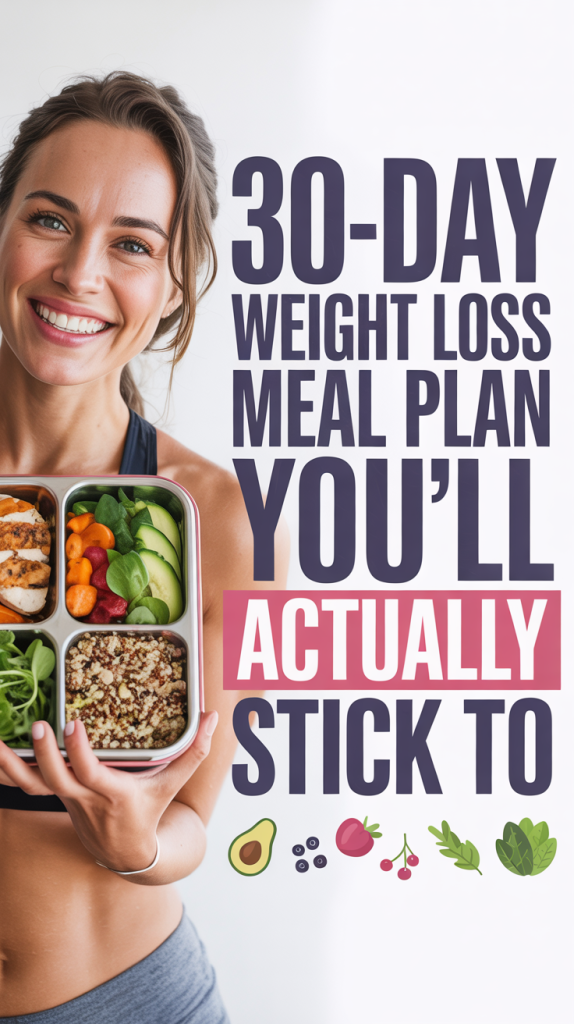
Achieve Your Goals: 30-Day Weight Loss Meal Plan You’ll Actually Stick To
Tired of diets that leave you feeling deprived and frustrated? I get it. Finding a weight loss meal plan that’s not only effective but also enjoyable can feel like searching for a needle in a haystack. That’s why I’ve put together a 30-day weight loss meal plan designed to help you shed those extra pounds without sacrificing flavor or satisfaction.
Understanding the 30-Day Weight Loss Meal Plan You’ll Actually Stick To
A well-structured meal plan can simplify the weight loss journey. It focuses on nutritious foods that satisfy hunger while supporting your weight loss goals.
Importance of Meal Planning
Meal planning streamlines grocery shopping and reduces food waste. It enables me to create balanced meals using whole, nutrient-dense foods, which promotes better health. By preparing meals in advance, I avoid impulsive eating choices that often derail weight loss efforts. Additionally, it helps maintain portion control, ensuring I stay within my daily caloric limits. This systematic approach allows for the incorporation of a variety of flavors and textures, making the diet enjoyable and sustainable.
Setting Realistic Goals
Setting realistic weight loss goals is crucial for success. I aim for a safe and sustainable weight loss of 1 to 2 pounds per week, which translates to 4 to 8 pounds in 30 days. By setting tangible milestones, I stay motivated and feel accomplished as I progress. Each goal focuses on specific dietary changes, such as increasing vegetable intake or reducing added sugars. I track my progress through simple metrics, allowing for adjustments as needed and reinforcing a sense of achievement throughout the month.
Key Components of a Successful Meal Plan
A successful meal plan combines balanced nutrition and portion control. These components enhance weight loss efforts while maintaining satisfaction and health.
Balanced Nutrition
Balanced nutrition involves incorporating a variety of food groups into daily meals. This includes:
- Fruits: Aim for at least two servings daily to provide essential vitamins and minerals.
- Vegetables: Include at least three servings, focusing on leafy greens and colorful choices for maximum nutrients.
- Lean Proteins: Integrate sources like chicken, turkey, fish, legumes, and tofu, targeting 20-30 grams per meal to support muscle maintenance.
- Whole Grains: Choose whole grains such as brown rice, quinoa, and whole grain bread for fiber, allowing at least three servings daily.
- Healthy Fats: Incorporate sources like avocados, nuts, and olive oil in moderation to enhance satiety.
Choosing high-quality, nutrient-dense foods ensures the body receives necessary fuel without excess calories.
Portion Control
Portion control prevents overeating and supports weight loss. These practices facilitate keeping portions in check:
- Measure Portions: Use a food scale or measuring cups to familiarize yourself with accurate serving sizes.
- Visual Cues: Employ smaller plates or bowls to create the illusion of fuller portions.
- Mindful Eating: Focus on eating slowly and savoring each bite. This practice signals fullness, preventing overeating.
- Pre-Portion Snacks: Prepare healthy snacks in advance to avoid impulse eating and maintain portion control.
- Avoid Distractions: Refrain from eating in front of screens, which can lead to mindless snacking.
Implementing these strategies can significantly support effective weight loss while promoting long-term habits.
Sample 30-Day Weight Loss Meal Plan You’ll Actually Stick To
This sample meal plan provides a structured approach to weight loss while ensuring satisfaction and flavor. Each week builds upon the last to foster sustainable habits and ongoing motivation.
Week 1: Getting Started
During the first week, focus on establishing a routine. Prioritize hydration and prepare simple meals that include lean proteins, whole grains, fruits, and vegetables. Here’s a sample meal plan:
| Day | Breakfast | Lunch | Dinner | Snack |
|---|---|---|---|---|
| Monday | Oatmeal with berries | Grilled chicken salad | Baked salmon with asparagus | Greek yogurt |
| Tuesday | Smoothie with spinach | Quinoa and black bean bowl | Stir-fried tofu and veggies | Almonds |
| Wednesday | Scrambled eggs and toast | Turkey wrap with veggies | Zucchini noodles with marinara | Hummus and carrot sticks |
| Thursday | Greek yogurt and honey | Lentil soup | Grilled shrimp with broccoli | Apple slices |
| Friday | Chia seed pudding | Spinach and feta salad | Chicken stir-fry | Mixed nuts |
| Saturday | Whole grain pancakes | Tuna salad | Veggie pizza on whole wheat | Cottage cheese |
| Sunday | Avocado toast | Roasted vegetable bowl | Stuffed bell peppers | Dark chocolate |
Week 2: Building Momentum
In the second week, introduce new recipes while maintaining the established routines. Continue focusing on hydration and aim to explore diverse flavors. Use the following meals for inspiration:
| Day | Breakfast | Lunch | Dinner | Snack |
|---|---|---|---|---|
| Monday | Smoothie bowl | Chickpea salad | Lemon herb chicken | Rice cakes with nut butter |
| Tuesday | Egg and spinach wrap | Grilled vegetable sandwich | Beef stir-fry with brown rice | Celery with peanut butter |
| Wednesday | Overnight oats | Miso soup | Baked cod with quinoa | Popcorn |
| Thursday | Fruit smoothie | Spinach and avocado wrap | Vegetable curry with whole grains | Trail mix |
| Friday | Quinoa porridge | Turkey and hummus wrap | Grilled salmon with sweet potatoes | Fruit salad |
| Saturday | Breakfast burrito | Shrimp taco salad | Chicken kebabs | Yogurt with berries |
| Sunday | Protein-rich smoothie | Farro and roasted veggie bowl | Vegetable stir-fry | Dark chocolate |
Week 3: Consistency and Variety
The third week emphasizes consistency while incorporating variety to keep meals exciting. Mix and match ingredients from previous weeks. Here’s a plan to follow:
| Day | Breakfast | Lunch | Dinner | Snack |
|---|---|---|---|---|
| Monday | Yogurt parfait | Grilled chicken and avocado | Quinoa stuffed peppers | Sliced cucumbers |
| Tuesday | Banana pancakes | Black bean tacos | Shrimp and vegetable skewers | Apple with cheese |
| Wednesday | Smoothie with protein | Salad with lentils | Whole wheat pasta with marinara | Cottage cheese |
| Thursday | Muffins with oats | Caprese salad | Baked chicken thighs | Dark chocolate square |
| Friday | Fruit salad | Grilled veggie sandwich | Fish tacos | Rice cakes |
| Saturday | Egg muffins | Chicken Caesar salad | Turkey burger with sweet potato fries | Carrot sticks |
| Sunday | Whole grain toast | Mixed greens with salmon | Vegetable stir-fry | Walnuts |
Week 4: Staying Motivated
In the final week, reinforce habits and celebrate progress. Reflect on achievements and maintain focus on nutrient-dense foods. Here’s a sample to conclude the month:
| Day | Breakfast | Lunch | Dinner | Snack |
|---|---|---|---|---|
| Monday | Smoothie with kale | Vegetable soup | Grilled chicken with veggies | Hummus and pita bread |
| Tuesday | Greek yogurt parfait | Quinoa salad | Baked tilapia with asparagus | Almonds |
| Wednesday | Omelet with tomatoes | Turkey and spinach wrap | Thai vegetable curry | Air-popped popcorn |
| Thursday | Chia pudding | Lentil and rice bowl | Stuffed zucchini | Mixed berries |
| Friday | Fruit and nut bowl | Chicken quinoa salad | Beef and broccoli stir-fry | Dark chocolate |
| Saturday | Whole grain waffles | Poached egg salad | Grilled pork chops | Yogurt with honey |
| Sunday | Avocado smoothie | Roasted chickpea salad | Grilled vegetable platter | Cheese slices |
This structured plan promotes balance, variety, and satisfaction while keeping weight loss goals achievable. Adapting meals based on preferences and seasonal ingredients enhances the overall experience.
Tips for Sticking to Your Meal Plan
Sticking to a meal plan requires dedication and strategy. Implementing practical tips can help maintain consistency and motivation throughout the 30 days.
Meal Prep Strategies
- Plan Weekly: I prioritize meal prepping once a week. Planning helps me create a shopping list based on recipes, ensuring I have all ingredients.
- Batch Cook: I prepare large portions of meals that keep well, like soups, stews, and grains. This approach saves time and provides quick options for busy days.
- Use Containers: I store meals in clear, labeled containers. Proper storage allows me to easily grab meals and helps track my portions.
- Prep Snacks: I set aside healthy snacks in grab-and-go portions. Pre-portioning snacks reduces temptations from unhealthy options when hunger strikes.
- Stay Flexible: I allow for recipe modifications based on preferences or seasonal ingredients. Flexibility keeps the meal plan enjoyable and sustainable.
Overcoming Challenges
- Identify Triggers: I recognize specific situations that lead to unhealthy eating. Understanding triggers helps me develop strategies to avoid them.
- Maintain Balance: I ensure my meal plan includes varieties of foods I love. This creates a balanced intake that satisfies cravings without compromising goals.
- Set Reminders: I use apps or alarms to remind myself of meal times. Timely reminders help me stay on track and prevent impulsive snacking.
- Stay Accountable: I share my goals with friends or family. Accountability increases my commitment and encourages support from others.
- Reflect on Progress: I regularly assess my journey and celebrate small wins. Recognizing achievements boosts motivation and reinforces my dedication to the plan.
Conclusion
Embarking on this 30-day weight loss meal plan can be a game changer for anyone looking to shed pounds while enjoying delicious food. By prioritizing balanced nutrition and portion control I can create a sustainable eating pattern that fits my lifestyle.
The structured approach not only simplifies meal prep but also keeps me motivated as I celebrate my progress week by week. Remember that it’s about making lasting changes rather than quick fixes.
With the right mindset and a bit of planning I’ll be well on my way to achieving my weight loss goals while savoring every bite along the journey. Here’s to a healthier me!


