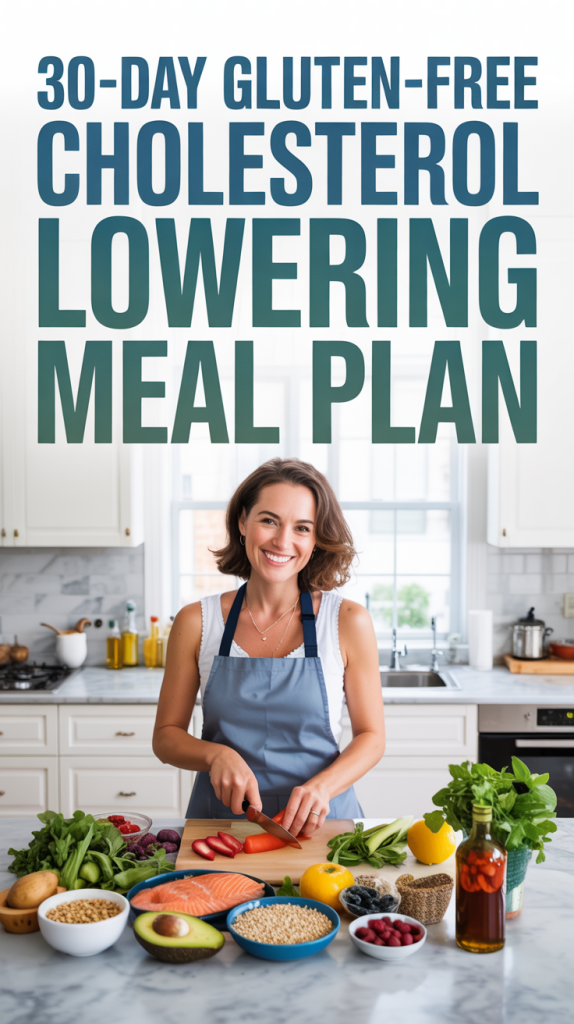
30-Day Gluten-Free Cholesterol Lowering Meal Plan
In an era where dietary choices profoundly impact our health, the convergence of gluten-free living and cholesterol management presents a unique, yet increasingly common, challenge. For many, adopting a gluten-free diet is a necessity due to celiac disease or gluten sensitivity, while simultaneously, a significant portion of the population grapples with elevated cholesterol levels, a primary risk factor for cardiovascular disease. This article aims to bridge these two critical dietary considerations, offering a comprehensive 30-day meal plan designed to lower cholesterol effectively within the confines of a gluten-free lifestyle.
Managing cholesterol is not merely about avoiding certain foods; it’s about embracing a holistic approach to nutrition that prioritizes heart health. For individuals adhering to a gluten-free diet, this task can be particularly nuanced. Traditional cholesterol-lowering advice often emphasizes whole grains like oats and barley, which, while beneficial, are typically off-limits for those avoiding gluten. Furthermore, many commercially available gluten-free products can be surprisingly high in unhealthy fats, sugars, and refined starches, potentially undermining efforts to maintain healthy cholesterol levels [1]. This plan addresses these complexities head-on, providing practical guidance and delicious, nutrient-dense options.
This 30-day meal plan is more than just a list of meals; it’s a strategic roadmap towards improved cardiovascular health. It offers a structured, week-by-week guide, complete with daily meal suggestions, sample recipes, and essential nutritional information. By focusing on naturally gluten-free whole foods, rich in soluble fiber, healthy fats, and plant-based proteins, this plan empowers individuals to take control of their cholesterol levels without compromising their gluten-free dietary needs. Prepare to embark on a journey that nourishes your body, protects your heart, and simplifies the path to a healthier you.
Understanding Cholesterol and Gluten-Free Living
A. What is Cholesterol and Why Does it Matter?
Cholesterol, a waxy, fat-like substance found in all cells of the body, is essential for good health. It plays a vital role in producing hormones, vitamin D, and substances that help you digest food. However, too much cholesterol, particularly certain types, can pose a significant risk to cardiovascular health. Cholesterol travels through the blood attached to proteins called lipoproteins. There are two main types:
- Low-Density Lipoprotein (LDL) Cholesterol: Often referred to as “bad” cholesterol, LDL contributes to fatty buildups in arteries (atherosclerosis), narrowing them and increasing the risk of heart attacks, strokes, and peripheral artery disease.
- High-Density Lipoprotein (HDL) Cholesterol: Known as “good” cholesterol, HDL helps remove excess cholesterol from the arteries and transport it back to the liver for removal from the body, thus protecting against heart disease.
- Triglycerides: While not cholesterol, triglycerides are another type of fat in the blood. High levels of triglycerides often occur with high LDL and low HDL cholesterol, further increasing the risk of heart disease.
High cholesterol typically presents no symptoms, making regular screening crucial. Unmanaged high cholesterol can lead to serious health complications, including coronary artery disease, heart attack, and stroke. Therefore, understanding and actively managing cholesterol levels through diet and lifestyle is a cornerstone of preventive health.
B. The Gluten-Free Diet: Benefits and Challenges for Heart Health
The gluten-free diet (GFD) has gained widespread attention, primarily as a medical necessity for individuals with celiac disease, an autoimmune disorder triggered by gluten consumption. It is also adopted by those with non-celiac gluten sensitivity. While essential for these populations, the GFD has both potential benefits and challenges when it comes to heart health.
Benefits for Heart Health:
- Reduced Inflammation: For individuals with celiac disease or gluten sensitivity, removing gluten can significantly reduce systemic inflammation, which is a known contributor to cardiovascular disease.
- Improved Gut Health: A properly managed GFD can lead to a healthier gut microbiome, which is increasingly recognized for its influence on metabolic health, including cholesterol regulation.
- Emphasis on Whole Foods: When approached correctly, a GFD encourages the consumption of naturally gluten-free whole foods like fruits, vegetables, lean proteins, and certain whole grains, all of which are beneficial for heart health.
Challenges for Heart Health:
- Lower Fiber Intake: Many traditional gluten-containing whole grains (wheat, barley, rye) are excellent sources of dietary fiber, particularly soluble fiber, which is crucial for lowering cholesterol. When these are eliminated without adequate replacement, fiber intake can drop significantly [1].
- Higher Processed Ingredients: To compensate for the absence of gluten, many commercially produced gluten-free products (breads, pastas, cookies) often contain higher amounts of refined starches, sugars, unhealthy fats, and fewer nutrients compared to their gluten-containing counterparts. These ingredients can negatively impact cholesterol levels and overall metabolic health [1].
- Nutrient Deficiencies: A poorly planned GFD can lead to deficiencies in essential nutrients like B vitamins, iron, magnesium, and fiber, which are important for cardiovascular well-being.
Synergy: How a Well-Planned GF Diet Can Support Cholesterol Lowering:
The key to leveraging a gluten-free diet for cholesterol lowering lies in mindful food choices. Instead of relying on processed gluten-free alternatives, the focus should shift to naturally gluten-free whole foods. By prioritizing fiber-rich gluten-free grains, an abundance of fruits and vegetables, lean protein sources, and healthy fats, a gluten-free diet can be incredibly supportive of heart health and effective in managing cholesterol levels. This plan is designed to guide you in making those synergistic choices.
Key Principles of the 30-Day Plan
Embarking on a 30-day journey to lower cholesterol while maintaining a gluten-free diet requires a clear understanding of fundamental dietary principles. This plan is built upon a foundation of nutrient-dense, whole foods that are naturally free of gluten and rich in compounds known to support cardiovascular health. The following guidelines will serve as your compass throughout this dietary transformation.
A. Dietary Guidelines for Lowering Cholesterol (Gluten-Free Edition)
To effectively lower cholesterol, particularly LDL, and improve overall heart health within a gluten-free framework, the following dietary pillars are emphasized:
- Emphasis on Soluble Fiber: Soluble fiber plays a crucial role in cholesterol management. It forms a gel-like substance in the digestive tract, which binds to cholesterol and prevents its absorption, carrying it out of the body. Excellent gluten-free sources include certified gluten-free oats, beans, lentils, psyllium husk, apples, pears, and citrus fruits. Aim for 5-10 grams or more of soluble fiber daily [2].
- Healthy Fats: Not all fats are created equal. This plan prioritizes monounsaturated and polyunsaturated fats, which can help lower LDL cholesterol and increase HDL cholesterol. These include avocados, nuts (almonds, walnuts, pecans), seeds (chia, flax, sunflower), and healthy oils like olive oil and avocado oil. Omega-3 fatty acids, a type of polyunsaturated fat found in fatty fish, flaxseeds, and walnuts, are particularly beneficial for reducing triglycerides and inflammation [3].
- Plant-Based Proteins: Incorporating a variety of plant-based proteins can significantly contribute to cholesterol lowering. Legumes (beans, lentils, chickpeas), tofu, tempeh, and edamame are excellent sources of protein and fiber, and they are naturally cholesterol-free. Replacing some animal proteins with plant-based alternatives can reduce saturated fat intake.
- Lean Animal Proteins: When including animal proteins, opt for lean cuts of poultry (skinless chicken and turkey) and fish. Fish, especially fatty fish like salmon, mackerel, and sardines, are rich in omega-3s. Limit red meat and processed meats, which are often high in saturated fat.
- Abundant Fruits and Vegetables: These are powerhouses of vitamins, minerals, antioxidants, and fiber. Their high fiber content aids in cholesterol excretion, while antioxidants protect against arterial damage. Aim for a wide variety of colors to ensure a broad spectrum of nutrients.
B. Foods to Embrace
Stocking your pantry and refrigerator with these heart-healthy, gluten-free staples will make adherence to the plan much easier:
- Naturally Gluten-Free Whole Grains: Quinoa, brown rice, wild rice, millet, buckwheat, amaranth, and certified gluten-free oats. These provide essential fiber, B vitamins, and minerals.
- Fruits: Berries (strawberries, blueberries, raspberries), apples, pears, oranges, grapefruits, peaches, and plums. Enjoy them fresh, frozen, or dried (in moderation).
- Vegetables: A vast array including leafy greens (spinach, kale, collard greens), cruciferous vegetables (broccoli, Brussels sprouts, cauliflower), eggplant, okra, sweet potatoes, carrots, bell peppers, and onions.
- Legumes: Lentils (red, green, brown), chickpeas, black beans, kidney beans, cannellini beans, and split peas. These are versatile and can be used in soups, stews, salads, and main dishes.
- Nuts and Seeds: Almonds, walnuts, pecans, pistachios, chia seeds, flaxseeds (ground for better absorption), pumpkin seeds, and sunflower seeds. Consume in moderation due to their calorie density.
- Healthy Oils: Extra virgin olive oil, avocado oil, and canola oil (in moderation). Use for cooking, dressings, and marinades.
- Lean Proteins: Fish (salmon, tuna, mackerel, cod), skinless chicken and turkey breast, eggs, tofu, tempeh, and unsweetened Greek yogurt (dairy or non-dairy).
C. Foods to Limit or Avoid
To optimize cholesterol reduction, it is equally important to be mindful of foods that can negatively impact your lipid profile:
- Saturated and Trans Fats: These are the primary dietary culprits for raising LDL cholesterol. Found in fatty cuts of red meat, poultry skin, full-fat dairy products (butter, cream, cheese), tropical oils (coconut oil, palm oil), and many processed and fried foods. Trans fats, often listed as
‘partially hydrogenated oil’ on labels, should be avoided entirely [4].
- Refined Gluten-Free Products: Many gluten-free breads, pastries, cookies, and snacks are made with refined flours (like white rice flour, potato starch) and can be high in sugar, unhealthy fats, and low in fiber. These can contribute to weight gain and negatively impact blood sugar and cholesterol levels. Choose whole, unprocessed gluten-free options whenever possible [1].
- High-Cholesterol Foods (in moderation): While dietary cholesterol has less impact on blood cholesterol than saturated and trans fats for most people, it’s still wise to consume high-cholesterol foods like organ meats and shellfish in moderation, especially if you are sensitive to dietary cholesterol. Eggs, while high in cholesterol, can be part of a heart-healthy diet for many, but individual responses vary.
The 30-Day Meal Plan: Week-by-Week Guide
This 30-day meal plan is meticulously designed to provide a balanced, delicious, and effective approach to lowering cholesterol while adhering to a gluten-free diet. Each day features three main meals (breakfast, lunch, and dinner) and 1-2 healthy snacks, ensuring consistent nutrient intake and satiety. The plan emphasizes variety, incorporating a wide range of naturally gluten-free whole foods, and focuses on ease of preparation to make healthy eating sustainable. Flexibility is key; feel free to swap meals within the same week or substitute ingredients based on availability and personal preference, always keeping the core principles of gluten-free and cholesterol-lowering nutrition in mind.
General Structure:
- Breakfast: Focus on fiber-rich options like certified gluten-free oats, smoothies with fruits and vegetables, or eggs with lean proteins and vegetables.
- Lunch: Often includes salads with lean protein, leftovers from dinner, or hearty gluten-free soups and stews.
- Dinner: Features a balance of lean protein, plenty of non-starchy vegetables, and naturally gluten-free whole grains.
- Snacks: Consist of fruits, vegetables, nuts, seeds, or gluten-free dairy/non-dairy options to keep hunger at bay and provide sustained energy.
Week 1: Foundation & Adaptation
This week introduces you to the core components of the plan, focusing on foundational gluten-free and cholesterol-lowering foods. It’s about establishing new habits and getting comfortable with new ingredients and meal structures.
Day 1
- Breakfast: Gluten-Free Berry & Chia Seed Oatmeal
- Lunch: Large mixed green salad with grilled chicken or chickpeas, olive oil and lemon dressing.
- Dinner: Baked Cod with Quinoa and Steamed Broccoli
- Snacks: Apple slices with almond butter, handful of walnuts.
Day 2
- Breakfast: Scrambled eggs with spinach and gluten-free toast (made from whole grains like brown rice or millet).
- Lunch: Leftover Baked Cod with Quinoa and Steamed Broccoli.
- Dinner: Lentil Soup (homemade, gluten-free) with a side of mixed greens.
- Snacks: Pear, small handful of pumpkin seeds.
Day 3
- Breakfast: Gluten-free yogurt (dairy or non-dairy) with berries and flaxseeds.
- Lunch: Tuna salad (made with olive oil mayo) in lettuce cups with carrot sticks.
- Dinner: Chicken and Vegetable Stir-fry with Brown Rice (use tamari instead of soy sauce).
- Snacks: Orange, rice cakes with avocado.
Day 4
- Breakfast: Smoothie with spinach, banana, gluten-free protein powder, and almond milk.
- Lunch: Leftover Chicken and Vegetable Stir-fry with Brown Rice.
- Dinner: Black Bean Burgers (homemade, gluten-free) on lettuce wraps with sweet potato fries.
- Snacks: Handful of almonds, celery sticks with hummus.
Day 5
- Breakfast: Certified gluten-free oatmeal with sliced banana and a sprinkle of cinnamon.
- Lunch: Large mixed green salad with hard-boiled eggs, avocado, and a vinaigrette dressing.
- Dinner: Turkey Meatloaf (gluten-free) with mashed cauliflower and green beans.
- Snacks: Berries, small handful of cashews.
Day 6
- Breakfast: Gluten-free pancakes (made with buckwheat flour) with fresh fruit.
- Lunch: Leftover Turkey Meatloaf with mashed cauliflower and green beans.
- Dinner: Chickpea Curry with Quinoa.
- Snacks: Greek yogurt (plain, low-fat) with a few berries.
Day 7
- Breakfast: Scrambled tofu with bell peppers and onions, side of gluten-free sweet potato hash.
- Lunch: Leftover Chickpea Curry with Quinoa.
- Dinner: Baked Chicken Breast with Roasted Root Vegetables (carrots, parsnips, sweet potatoes).
- Snacks: Edamame, rice crackers.
Week 2: Expanding Horizons
This week builds on the foundation, introducing more diverse gluten-free grains, plant-based meals, and a wider array of heart-healthy ingredients to keep your palate engaged and your nutrition optimized.
Day 8
- Breakfast: Gluten-Free Muesli with almond milk and mixed berries.
- Lunch: Large mixed green salad with grilled salmon, olive oil and balsamic vinaigrette.
- Dinner: Lentil Shepherd’s Pie (gluten-free, with sweet potato topping).
- Snacks: Apple, small handful of pecans.
Day 9
- Breakfast: Smoothie with kale, pineapple, chia seeds, and coconut water.
- Lunch: Leftover Lentil Shepherd’s Pie.
- Dinner: Shrimp Scampi with Zucchini Noodles (gluten-free pasta alternative).
- Snacks: Orange, gluten-free whole-grain crackers with avocado.
Day 10
- Breakfast: Gluten-free breakfast burrito with scrambled eggs, black beans, and salsa (in a gluten-free tortilla).
- Lunch: Quinoa salad with cucumber, tomatoes, olives, and feta cheese (optional, low-fat).
- Dinner: Turkey Chili (homemade, gluten-free) with a side of corn on the cob.
- Snacks: Handful of walnuts, bell pepper strips with hummus.
Day 11
- Breakfast: Certified gluten-free oats with sliced peaches and a drizzle of maple syrup.
- Lunch: Leftover Turkey Chili.
- Dinner: Baked Tofu with Roasted Asparagus and Wild Rice.
- Snacks: Banana, small handful of almonds.
Day 12
- Breakfast: Gluten-free avocado toast with everything bagel seasoning.
- Lunch: Large mixed green salad with hard-boiled eggs, kidney beans, and a light dressing.
- Dinner: Chicken and White Bean Soup (homemade, gluten-free).
- Snacks: Berries, rice cakes with peanut butter.
Day 13
- Breakfast: Gluten-free breakfast bowl with quinoa, berries, and a sprinkle of chopped nuts.
- Lunch: Leftover Chicken and White Bean Soup.
- Dinner: Fish Tacos (baked white fish) in gluten-free corn tortillas with cabbage slaw and avocado crema.
- Snacks: Pear, small handful of pistachios.
Day 14
- Breakfast: Scrambled eggs with sautéed mushrooms and gluten-free hash browns.
- Lunch: Leftover Fish Tacos.
- Dinner: Vegetarian Lasagna (using zucchini or eggplant slices instead of pasta, gluten-free marinara).
- Snacks: Edamame, gluten-free whole-grain pretzels.
Week 3: Flavor & Creativity
This week encourages more culinary exploration, experimenting with different herbs, spices, and cooking methods to keep meals exciting and flavorful, reinforcing the idea that healthy eating doesn’t have to be bland.
Day 15
- Breakfast: Gluten-Free Apple Cinnamon Baked Oatmeal.
- Lunch: Large mixed green salad with grilled shrimp, chickpeas, and a citrus vinaigrette.
- Dinner: Stuffed Bell Peppers (with ground turkey or lentils, brown rice, and gluten-free tomato sauce).
- Snacks: Orange, handful of almonds.
Day 16
- Breakfast: Smoothie with mixed berries, spinach, almond butter, and unsweetened almond milk.
- Lunch: Leftover Stuffed Bell Peppers.
- Dinner: Chicken and Vegetable Skewers with Quinoa.
- Snacks: Apple slices, small handful of sunflower seeds.
Day 17
- Breakfast: Gluten-free breakfast muffins (made with oat flour and berries).
- Lunch: Lentil and Vegetable Soup (homemade, gluten-free) with a side of gluten-free crackers.
- Dinner: Baked Cod with Sweet Potato Mash and Sautéed Kale.
- Snacks: Banana, rice cakes with hummus.
Day 18
- Breakfast: Scrambled eggs with diced bell peppers and gluten-free turkey bacon.
- Lunch: Leftover Baked Cod with Sweet Potato Mash and Sautéed Kale.
- Dinner: Gluten-Free Pasta with Pesto and Cherry Tomatoes (use gluten-free pasta made from corn or rice).
- Snacks: Handful of walnuts, cucumber slices.
Day 19
- Breakfast: Gluten-free toast with avocado and a sprinkle of chili flakes.
- Lunch: Large mixed green salad with grilled chicken, black beans, corn, and a lime vinaigrette.
- Dinner: Vegetarian Chili (homemade, gluten-free) with a side of gluten-free cornbread.
- Snacks: Berries, small handful of pecans.
Day 20
- Breakfast: Certified gluten-free oats with chopped apples and walnuts.
- Lunch: Leftover Vegetarian Chili.
- Dinner: Baked Salmon with Roasted Brussels Sprouts and Quinoa.
- Snacks: Pear, edamame.
Day 21
- Breakfast: Gluten-free breakfast bowl with quinoa, sliced mango, and coconut flakes.
- Lunch: Leftover Baked Salmon with Roasted Brussels Sprouts and Quinoa.
- Dinner: Turkey and Vegetable Meatballs (gluten-free) with zucchini noodles and marinara sauce.
- Snacks: Orange, gluten-free rice crackers.
Week 4: Sustaining Habits
The final week focuses on reinforcing the healthy eating patterns established, incorporating meal prepping strategies, and providing options for continued adherence to a heart-healthy, gluten-free lifestyle beyond the 30 days.
Day 22
- Breakfast: Gluten-Free Berry Smoothie Bowl (with gluten-free granola).
- Lunch: Large mixed green salad with chickpeas, cucumber, and a lemon-tahini dressing.
- Dinner: Lentil Loaf (gluten-free) with mashed sweet potatoes and green beans.
- Snacks: Apple, handful of almonds.
Day 23
- Breakfast: Scrambled eggs with sautéed kale and gluten-free sweet potato hash.
- Lunch: Leftover Lentil Loaf.
- Dinner: Chicken Stir-fry with plenty of vegetables and gluten-free rice noodles.
- Snacks: Banana, small handful of pumpkin seeds.
Day 24
- Breakfast: Gluten-free oatmeal with sliced pear and a sprinkle of chia seeds.
- Lunch: Tuna salad (made with olive oil mayo) on gluten-free crackers with cherry tomatoes.
- Dinner: Baked White Fish with Roasted Asparagus and Brown Rice.
- Snacks: Berries, gluten-free protein bar.
Day 25
- Breakfast: Smoothie with spinach, banana, almond butter, and unsweetened almond milk.
- Lunch: Leftover Baked White Fish with Roasted Asparagus and Brown Rice.
- Dinner: Black Bean and Corn Salsa Bowls with Quinoa (add grilled chicken or tofu for protein).
- Snacks: Orange, celery sticks with peanut butter.
Day 26
- Breakfast: Gluten-free breakfast tacos with scrambled eggs, avocado, and salsa.
- Lunch: Large mixed green salad with grilled turkey breast, kidney beans, and a light vinaigrette.
- Dinner: Hearty Vegetable and Bean Soup (homemade, gluten-free).
- Snacks: Handful of walnuts, cucumber slices with hummus.
Day 27
- Breakfast: Certified gluten-free oats with mixed berries and a drizzle of honey.
- Lunch: Leftover Hearty Vegetable and Bean Soup.
- Dinner: Gluten-Free Pizza (on a cauliflower or rice crust) with plenty of vegetables and light cheese.
- Snacks: Pear, edamame.
Day 28
- Breakfast: Gluten-free yogurt with granola and fresh fruit.
- Lunch: Leftover Gluten-Free Pizza.
- Dinner: Baked Chicken Thighs with Roasted Broccoli and Sweet Potato.
- Snacks: Apple, small handful of cashews.
Day 29
- Breakfast: Scrambled tofu with turmeric and black pepper, side of gluten-free toast.
- Lunch: Large mixed green salad with grilled shrimp, avocado, and a lemon-herb dressing.
- Dinner: Lentil and Vegetable Stir-fry with Brown Rice.
- Snacks: Berries, gluten-free rice crackers.
Day 30
- Breakfast: Gluten-free breakfast smoothie with protein powder, spinach, and mixed berries.
- Lunch: Leftover Lentil and Vegetable Stir-fry with Brown Rice.
- Dinner: Celebration Meal: Choose a favorite gluten-free, cholesterol-lowering meal from the past 30 days.
- Snacks: Handful of almonds, dark chocolate (small piece, 70% cocoa or higher).
References
[1] https://gluten.org/2025/02/10/i-heart-my-gluten-free-heart-tips-for-keeping-your-heart-healthy-on-a-gluten-free-diet/
[2] https://nationalceliac.org/celiac-disease-questions/what-can-i-eat-to-increase-my-fiber-intake-and-lower-my-cholesterol/
[3] https://www.bhf.org.uk/informationsupport/heart-matters-magazine/nutrition/cholesterol-lowering-foods
[4] https://www.health.harvard.edu/heart-health/11-foods-that-lower-cholesterol
V. Sample Recipes
To help you get started and illustrate the types of meals you’ll enjoy on this plan, here are a few sample recipes. These recipes are designed to be simple, delicious, and packed with cholesterol-lowering, gluten-free ingredients.
1. Gluten-Free Berry & Chia Seed Oatmeal
This breakfast is a powerhouse of soluble fiber and omega-3 fatty acids, perfect for starting your day with heart-healthy nutrients.
Yields: 1 serving
Prep time: 5 minutes
Cook time: 5-10 minutes
Ingredients:
- 1/2 cup certified gluten-free rolled oats
- 1 cup water or unsweetened almond milk
- 1/4 cup mixed berries (fresh or frozen)
- 1 tablespoon chia seeds
- 1/2 teaspoon cinnamon
- Optional: 1 teaspoon maple syrup or a few drops of stevia for sweetness, 1 tablespoon chopped walnuts for extra crunch and healthy fats.
Instructions:
- Combine oats and water (or almond milk) in a small saucepan. Bring to a boil, then reduce heat to low and simmer for 5-7 minutes, stirring occasionally, until oats are cooked and liquid is absorbed. If using quick oats, cook for 1-2 minutes.
- Remove from heat. Stir in chia seeds and cinnamon.
- Pour into a bowl and top with mixed berries. Add maple syrup/stevia and walnuts if desired.
2. Quinoa Salad with Roasted Vegetables and Chickpeas
This vibrant salad is rich in fiber, plant-based protein, and healthy fats, making it an ideal lunch option.
Yields: 2 servings
Prep time: 15 minutes
Cook time: 20-25 minutes
Ingredients:
- 1 cup cooked quinoa
- 1 cup mixed vegetables, chopped (e.g., bell peppers, zucchini, cherry tomatoes, red onion)
- 1/2 cup chickpeas, rinsed and drained
- 1 tablespoon olive oil
- Salt and black pepper to taste
- For the dressing:
- 2 tablespoons extra virgin olive oil
- 1 tablespoon lemon juice
- 1 teaspoon Dijon mustard
- 1 clove garlic, minced
- Salt and pepper to taste
Instructions:
- Preheat oven to 400°F (200°C). Toss chopped vegetables with 1 tablespoon olive oil, salt, and pepper. Spread on a baking sheet and roast for 20-25 minutes, or until tender and slightly caramelized.
- While vegetables are roasting, prepare the dressing by whisking together all dressing ingredients in a small bowl.
- In a large bowl, combine cooked quinoa, roasted vegetables, and chickpeas.
- Pour the dressing over the salad and toss gently to combine. Serve warm or chilled.
3. Baked Salmon with Asparagus and Brown Rice
This dinner provides a fantastic source of omega-3 fatty acids, lean protein, and complex carbohydrates, all contributing to heart health.
Yields: 1 serving
Prep time: 10 minutes
Cook time: 15-20 minutes
Ingredients:
- 4-6 oz salmon fillet
- 1/2 bunch asparagus, trimmed
- 1/2 cup cooked brown rice
- 1 tablespoon olive oil
- 1/2 lemon, sliced
- Salt, black pepper, and dried dill to taste
Instructions:
- Preheat oven to 400°F (200°C). Line a baking sheet with parchment paper.
- Place salmon fillet on one side of the baking sheet. Drizzle with 1/2 tablespoon olive oil, season with salt, pepper, and dill. Top with lemon slices.
- On the other side of the baking sheet, arrange the asparagus. Drizzle with remaining 1/2 tablespoon olive oil, and season with salt and pepper.
- Bake for 15-20 minutes, or until salmon is cooked through and flakes easily, and asparagus is tender-crisp.
- Serve immediately with cooked brown rice.
4. Apple Slices with Almond Butter
A simple yet satisfying snack, offering fiber, healthy fats, and protein to keep you full and energized.
Yields: 1 serving
Prep time: 2 minutes
Ingredients:
- 1 medium apple, sliced
- 2 tablespoons natural almond butter (check label for no added sugars or unhealthy oils)
Instructions:
- Slice the apple into wedges.
- Spread almond butter on the apple slices. Enjoy immediately.
Tips for Success
Adopting a new eating plan, especially one with specific dietary considerations like gluten-free and cholesterol-lowering, can feel daunting. However, with a few strategic tips and a proactive approach, you can navigate this 30-day plan successfully and seamlessly integrate these healthy habits into your lifestyle.
A. Meal Prep Strategies
Meal preparation is a game-changer for maintaining consistency and preventing reliance on less healthy, convenient options. Dedicate a few hours each week to:
- Batch Cooking Grains: Cook larger quantities of quinoa, brown rice, or millet at the beginning of the week. These can be easily added to salads, stir-fries, or as a side dish throughout the week.
- Pre-chopping Vegetables: Wash, chop, and store vegetables like bell peppers, onions, carrots, and broccoli florets. This saves significant time during meal assembly.
- Cooking Proteins: Grill or bake extra chicken breast, fish, or prepare a large batch of lentils or chickpeas. These can be used in various meals.
- Portioning Snacks: Divide nuts, seeds, and fruits into single-serving containers for quick grab-and-go options.
- Making Dressings/Sauces: Prepare homemade salad dressings or marinades in advance to avoid store-bought versions that may contain unhealthy oils or sugars.
B. Smart Shopping List
A well-organized shopping list is your best friend. Before heading to the grocery store, review your meal plan for the week and list all necessary ingredients. Focus on:
- Perimeter of the Store: This is where you’ll typically find fresh produce, lean meats, fish, and dairy/dairy alternatives.
- Naturally Gluten-Free Staples: Quinoa, brown rice, certified gluten-free oats, lentils, beans, nuts, seeds, fresh fruits, and vegetables.
- Healthy Fats: Extra virgin olive oil, avocados, and natural nut butters.
- Flavor Enhancers: Herbs, spices, lemon, lime, and vinegars to add taste without excess sodium or unhealthy fats.
- Reading Labels: Even for naturally gluten-free items, check labels for hidden ingredients that might contain gluten or unhealthy additives, especially for processed items like sauces or broths.
C. Hydration and Lifestyle Factors
Diet is a major component of health, but it’s part of a larger picture. Don’t overlook these crucial lifestyle factors:
- Hydration: Drink plenty of water throughout the day. Aim for at least 8 glasses (64 ounces), and more if you are active or in a warm climate. Proper hydration supports metabolic functions and overall well-being.
- Regular Exercise: Incorporate at least 150 minutes of moderate-intensity aerobic activity or 75 minutes of vigorous-intensity activity per week, along with muscle-strengthening activities on two or more days. Exercise helps improve cholesterol levels, manage weight, and reduce stress.
- Stress Management: Chronic stress can negatively impact health, including cardiovascular health. Practice stress-reducing techniques such as meditation, yoga, deep breathing exercises, or spending time in nature.
- Adequate Sleep: Aim for 7-9 hours of quality sleep per night. Poor sleep can affect hormones that regulate appetite and metabolism, potentially impacting weight and cholesterol levels.
D. Reading Food Labels
Becoming a savvy label reader is essential, especially when navigating the gluten-free market. Pay close attention to:
- **
Gluten-Free Certification:** Look for products with a ‘Certified Gluten-Free’ label to ensure they meet strict standards for gluten content.
- Saturated and Trans Fats: Check the ‘Nutrition Facts’ panel. Aim for foods with low saturated fat and zero trans fats. Remember that ‘partially hydrogenated oil’ indicates trans fats.
- Fiber Content: Compare fiber content, especially for gluten-free grains and breads. Opt for higher fiber options.
- Added Sugars: Be wary of high amounts of added sugars, which can be listed under various names (e.g., high-fructose corn syrup, dextrose, maltose).
- Sodium: High sodium intake can contribute to high blood pressure, another risk factor for heart disease. Choose low-sodium options.
VII. Conclusion
Embarking on a 30-day gluten-free cholesterol-lowering meal plan is a proactive and empowering step towards a healthier heart and a more vibrant life. This comprehensive guide has provided you with the knowledge, tools, and practical strategies to navigate the unique intersection of gluten-free living and cholesterol management. By prioritizing naturally gluten-free whole foods, rich in soluble fiber, healthy fats, and lean proteins, you can effectively reduce your cholesterol levels, mitigate cardiovascular risks, and enhance your overall well-being.
Remember, this 30-day plan is not just a temporary diet; it’s an invitation to cultivate sustainable eating habits that will serve you long-term. The benefits extend beyond cholesterol reduction, encompassing improved digestion, increased energy, and a deeper understanding of how food nourishes your body. While the journey may require initial adjustments, the rewards of a heart-healthy, gluten-free lifestyle are immeasurable.
We encourage you to approach this plan with an open mind and a commitment to your health. Listen to your body, enjoy the diverse flavors of whole foods, and celebrate each small victory along the way. For personalized advice and to ensure this plan aligns with your specific health needs, always consult with a healthcare professional or a registered dietitian. Your heart will thank you for it.