Transform Your Health: 21-Day Gut-Healing Meal Plan for IBS and Bloating Relief
Struggling with IBS and bloating can feel overwhelming, but you’re not alone. Many people face these uncomfortable symptoms, often searching for effective solutions that don’t involve endless medications. That’s where a gut-healing meal plan comes into play, offering a natural approach to reclaiming your digestive health.
Overview of Gut Health
Gut health plays a crucial role in overall well-being. A balanced gut microbiome, composed of trillions of microorganisms, contributes significantly to the digestive process, immune function, and nutrient absorption. When this balance is disrupted, individuals can experience symptoms like bloating, gas, and abdominal pain, often associated with conditions such as Irritable Bowel Syndrome (IBS).
Diets high in processed foods, sugars, and unhealthy fats can negatively impact gut health. These diets may lead to an imbalance in gut bacteria, resulting in inflammation and digestive issues. Incorporating prebiotics and probiotics can restore balance. Prebiotics, found in foods like garlic, onions, and bananas, nourish beneficial bacteria. Probiotics, found in yogurt, kefir, and fermented foods, introduce live beneficial bacteria into the gut.
Stress and insufficient exercise also affect gut health. Research shows that stress can lead to increased gut permeability, commonly referred to as “leaky gut,” allowing toxins to enter the bloodstream. Regular physical activity promotes healthy digestion and improves gut microbiome diversity, aiding in overall digestive health.
Hydration is vital for maintaining gut function. Drinking sufficient water aids digestion and prevents constipation. Aim for at least 8 glasses of water daily to support optimal gut health.
Understanding IBS and Bloating
Irritable Bowel Syndrome (IBS) and bloating significantly impact many individuals, leading to discomfort and a reduced quality of life. Recognizing the causes and symptoms of these conditions aids in crafting effective relief strategies.
Causes of IBS
IBS stems from various factors affecting gut health.
- Dietary Triggers: Foods high in FODMAPs, dairy, gluten, and processed sugars can provoke symptoms.
- Gut Microbiome Imbalance: An unhealthy gut microbiome disrupts digestive processes and leads to inflammation.
- Stress and Anxiety: Psychological factors can alter gut motility and increase sensitivity, aggravating IBS symptoms.
- Hormonal Changes: Fluctuations in hormones, especially during menstrual cycles, can trigger or exacerbate IBS symptoms.
- Genetic Predisposition: A family history of IBS or other gastrointestinal disorders may increase the likelihood of developing IBS.
Symptoms of Bloating
Bloating presents with several common symptoms that indicate digestive issues.
- Abdominal Distension: A noticeable expansion of the abdomen occurs, often accompanied by discomfort.
- Gas and Flatulence: Excess gas buildup in the intestines leads to increased belching and flatulence.
- Abdominal Pain: Cramping or sharp pain can arise in line with bloating, intensifying with food intake.
- Changes in Bowel Habits: Bloating often correlates with constipation or diarrhea, making bowel regularity challenging.
- Nausea: Feelings of queasiness may accompany bloating, further complicating daily activities.
The 21-Day Gut-Healing Meal Plan
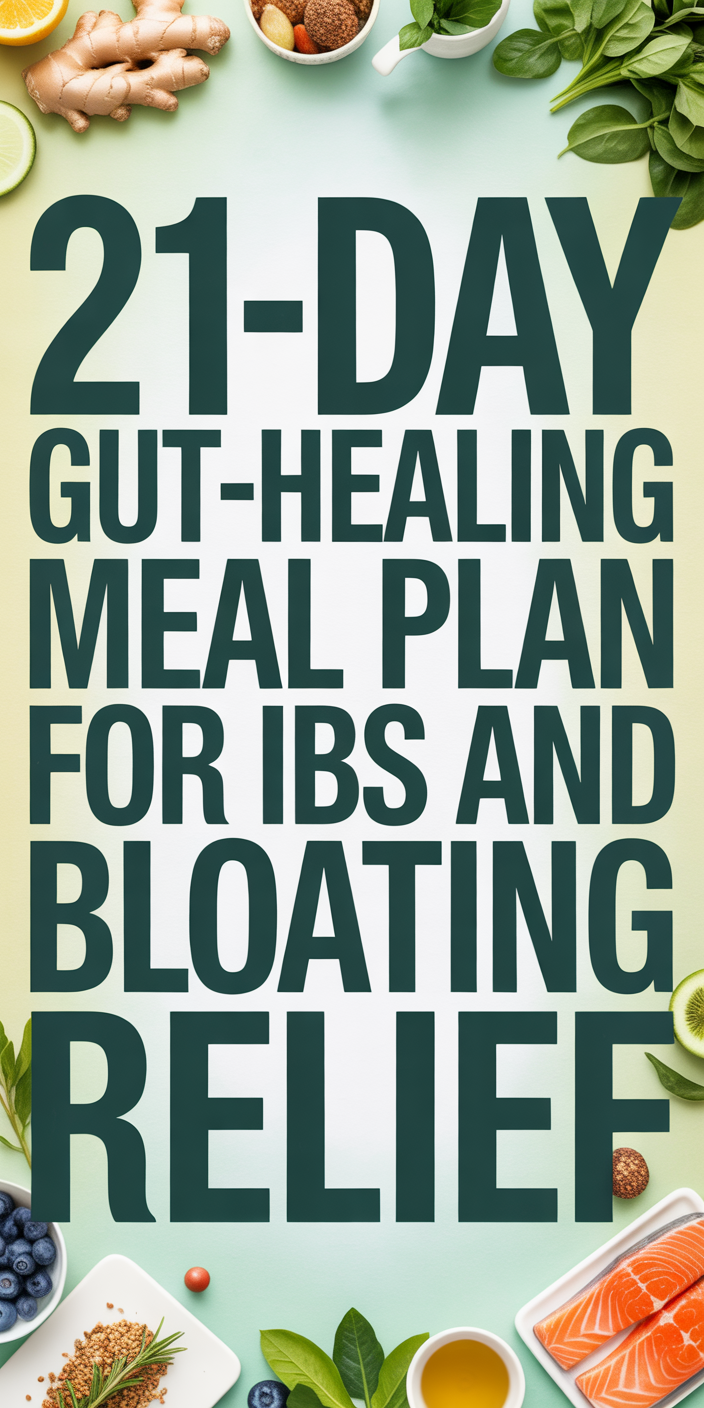
The 21-Day Gut-Healing Meal Plan guides individuals through dietary changes aimed at alleviating IBS and bloating symptoms. This structured approach includes specific considerations for each week to optimize gut health.
Week 1: Foods to Avoid and Incorporate
In Week 1, focus on eliminating high FODMAP foods and processed ingredients. High-FODMAP foods, such as garlic, onions, and certain legumes, can exacerbate symptoms. Incorporate low-FODMAP fruits like bananas and blueberries, along with gluten-free grains like quinoa and rice. Increase consumption of fiber-rich foods, including spinach and carrots, to foster a healthy gut environment. Hydration is crucial; aim for at least 64 ounces of water daily to support digestion.
Week 2: Recipes for Gut Health
In Week 2, I’ll introduce gut-friendly recipes that promote healing. For breakfast, try overnight oats made with almond milk, chia seeds, and blueberries. For lunch, prepare a quinoa salad with cucumbers, bell peppers, and olive oil. A dinner option includes grilled chicken with roasted sweet potatoes and steamed broccoli. Snacking on nuts like almonds or walnuts can provide additional nutrients beneficial for gut health. Each recipe prioritizes gentle ingredients that nurture the digestive system while avoiding triggers.
Week 3: Maintaining Gut Health
During Week 3, focus on maintaining gut health by solidifying new habits. Continue to prioritize low-FODMAP options while introducing fermented foods like yogurt and sauerkraut to bolster probiotic intake. Practice mindful eating by chewing food thoroughly and eating in a calm environment. Monitor individual responses to certain foods, adjusting the diet as needed. Stay active with regular exercise, aiming for at least 30 minutes daily to promote digestive function and overall wellness.
Tips for Success
- Stay Hydrated: I prioritize hydration by drinking plenty of water throughout the day. Proper fluid intake supports digestion and helps prevent bloating.
- Plan Meals Ahead: I find planning meals a week in advance effective. This approach reduces the temptation to choose unhealthy options during busy days.
- Incorporate Probiotics: I include probiotic-rich foods like yogurt and kefir in my diet. These foods help restore the balance of beneficial bacteria in my gut.
- Practice Mindful Eating: I focus on eating slowly and savoring my meals. Mindful eating improves digestion and reduces stress.
- Listen to My Body: I pay attention to how different foods affect my body. Noticing reactions helps me adjust my diet to avoid triggers.
- Limit Processed Foods: I avoid processed foods and added sugars. These items can exacerbate IBS symptoms and disrupt gut health.
- Keep a Food Diary: I maintain a food diary to track what I eat and any symptoms experienced. This record helps identify patterns and triggers for better management.
- Exercise Regularly: I incorporate regular physical activity into my routine. Exercise supports digestion and reduces stress, both of which are crucial for gut health.
- Manage Stress: I engage in stress-reducing activities such as yoga or meditation. Managing stress positively impacts gut health and overall well-being.
- Seek Support: I consider joining a support group or community focused on gut health. Connecting with others provides motivation and helpful tips.
- Gradually Reintroduce Foods: I reintroduce eliminated foods one at a time after the meal plan. This method helps determine which foods trigger symptoms effectively.
- Consult a Professional: I consult with a healthcare provider or nutritionist for personalized advice. Professional guidance ensures I am on the right path for my specific needs.
Conclusion
Embarking on a 21-day gut-healing meal plan can be a transformative journey for anyone struggling with IBS and bloating. By focusing on nourishing foods and mindful eating practices, I’ve found that it’s possible to regain control over digestive health.
Listening to my body and making gradual changes has been key to identifying triggers and fostering a balanced gut microbiome. The support from communities and healthcare professionals can also make a significant difference in this process.
As I continue to prioritize gut health, I’m excited to see how these habits positively impact my overall well-being. Taking this step not only alleviates discomfort but also enhances my quality of life.