11 Unexpected Signs Your B12 Might Be Low — Beyond Just Feeling Tired
We often think low vitamin B12 just makes us tired, and fatigue is real, but deficiency shows up in a lot of surprising ways. If we’ve been dismissing odd symptoms as stress, aging, or bad sleep, we might be missing a common and treatable cause. This article walks through 11 lesser-known signs of B12 deficiency, explains why they happen, and gives practical next steps so we can recognize problems early and get effective treatment. We’ll focus on what the symptoms actually feel like, how they connect to B12’s role in the body and brain, and when to see a clinician for testing or urgent care.
Why Vitamin B12 Matters: How Deficiency Affects The Body And Brain
Vitamin B12 (cobalamin) is a water‑soluble vitamin with outsized responsibilities: it helps form red blood cells, maintains myelin sheaths that insulate nerves, and participates in DNA and neurotransmitter synthesis. Because of these roles, a deficiency can create blood problems, neurologic damage, and cognitive or mood disturbances, sometimes before we notice classic fatigue or anemia. The causes range from poor dietary intake (common in strict vegans), pernicious anemia (an autoimmune attack on intrinsic factor), malabsorption after gastric surgery or with conditions like celiac or Crohn’s disease, and long‑term use of certain medications (e.g., metformin, proton pump inhibitors).
Clinically, low B12 presents along a spectrum. Early changes may be subtle: mild numbness, slight forgetfulness, or a tender tongue. Left untreated, neurologic symptoms can become persistent and, in some cases, irreversible. The trick is that standard blood tests (serum B12) don’t always tell the full story: methylmalonic acid (MMA) and homocysteine levels are often more sensitive markers of tissue‑level deficiency. Because B12 affects both the blood and nervous system, we can see hematologic clues (pale skin, macrocytic anemia) and neurologic or psychiatric signs simultaneously. Recognizing nonfatigue symptoms gives us an opportunity for earlier diagnosis and treatment, often simple oral supplements or B12 injections, preventing long‑term harm.
Numbness, Tingling, And Balance Problems (Peripheral Neuropathy)
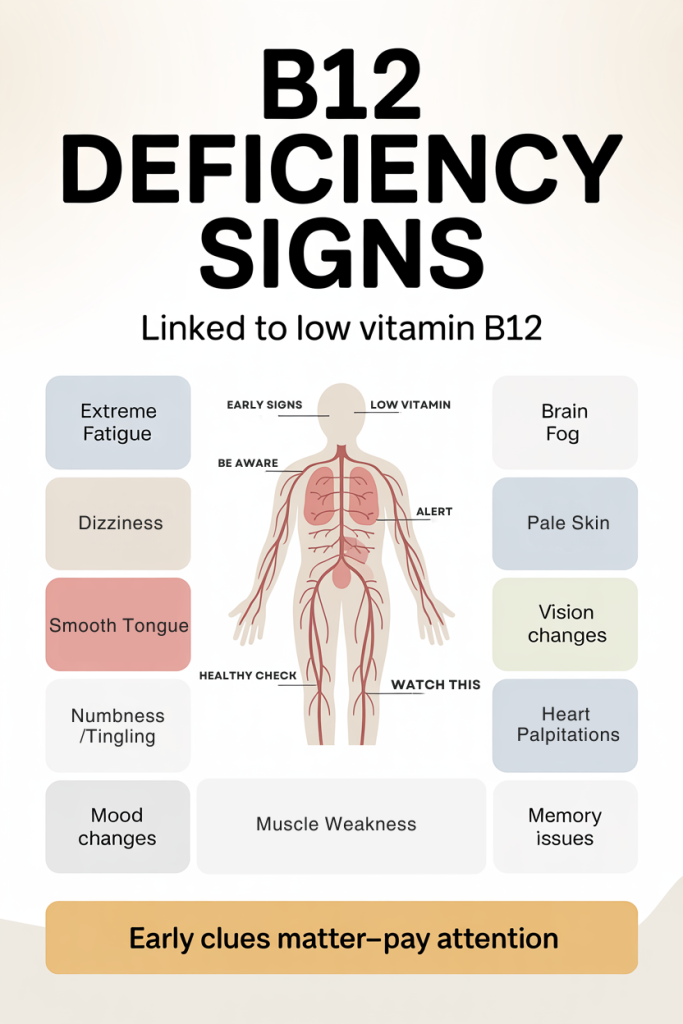
One of the most concerning nonfatigue signs of B12 deficiency is peripheral neuropathy: numbness, tingling, burning sensations in the hands and feet, or a pins‑and‑needles feeling that creeps up the legs. Patients commonly describe waking with “fallen asleep” feet that don’t regain feeling, or a persistent prickly sensation when walking. Because B12 is essential for myelin formation, low levels can cause demyelination of peripheral nerves and the dorsal columns of the spinal cord, the pathways that carry vibration and proprioception. When proprioception falters, balance becomes unreliable: we may find ourselves tripping on flat ground or feeling unsteady in the dark.
Neuropathy from B12 deficiency tends to be symmetric and progressive if untreated. It can mimic other conditions like diabetic neuropathy, alcoholic neuropathy, or vitamin B6 toxicity, so the clinical context matters. A simple screening neurologic exam often shows reduced vibration sense at the ankles, decreased two‑point discrimination, and slowed reflexes. Electromyography (EMG) or nerve conduction studies can document the neuropathy, but blood testing for B12, MMA, and homocysteine is critical and often diagnostic. Early recognition matters: the longer demyelination persists, the slower and less complete recovery tends to be. Treatment, high‑dose oral or intramuscular B12, often improves symptoms, especially when started before severe axonal loss develops.
Memory Loss, Brain Fog, And Cognitive Slowing
We all misplace keys or feel foggy from time to time, but persistent memory lapses, slowed thinking, or difficulty concentrating can be a red flag for B12 deficiency. Cognitive symptoms may appear gradually: trouble recalling recent conversations, struggling to follow multi‑step instructions, or a sense that mental tasks take longer than they used to. Research links low B12 and elevated homocysteine levels to poorer performance on tests of memory and executive function. In older adults, untreated deficiency is associated with faster cognitive decline and an increased risk of dementia‑like syndromes.
Mechanistically, B12 deficiency affects myelin integrity and methylation reactions necessary for neurotransmitter production and neuronal repair. That biochemical disruption can produce diffuse cognitive slowing rather than a single focal deficit. Importantly, cognitive changes from B12 deficiency are potentially reversible, particularly when identified early. In practice, if we notice sustained memory problems, especially alongside other B12 signs like neuropathy or mood shifts, we should pursue testing. Baseline cognitive testing and follow‑up after B12 repletion can show improvement, but recovery is less complete when deficiency has been long‑standing. For clinicians, checking MMA and serum B12 in unexplained cognitive decline is a low‑risk, high‑yield step.
Mood Changes, Depression, And Increased Irritability
Mood disturbances are surprisingly common with B12 deficiency. Patients report feeling more irritable, emotionally labile, or slipping into low mood and clinical depression without an obvious life stressor. Some people describe losing interest in hobbies or finding it harder to experience pleasure (anhedonia). The link between B12 and mood likely involves disrupted synthesis of serotonin, dopamine, and norepinephrine, plus elevated homocysteine, which may have neurotoxic effects.
Because mood symptoms are multifactorial, B12 deficiency can be overlooked in psychiatric evaluations. That’s a missed opportunity: correcting B12 can reduce depressive symptoms in some patients, especially when deficiency contributes to biochemical imbalance. We should be particularly alert when mood changes co‑occur with neurologic signs, unexplained fatigue, or a history suggesting malabsorption. Primary care and mental health clinicians increasingly screen B12 in new or worsening depressive episodes, especially for older adults, vegetarians, or people on long‑term metformin or acid suppression therapy. While B12 is not a standalone treatment for major depression, addressing a deficiency removes a reversible contributor and may enhance response to psychotherapy and medication.
Glossitis, Mouth Ulcers, Altered Taste, And Swallowing Issues
Oral and throat changes are common early clues to B12 deficiency that we might dismiss as minor. Glossitis, a swollen, smooth, painful tongue, is classic. The tongue may look glossy and red, with fissures or burning pain that makes eating spicy or acidic foods uncomfortable. We also see recurrent mouth ulcers, a metallic or altered taste (dysgeusia), and occasional difficulty swallowing when muscle coordination is affected.
These mucosal changes result from impaired DNA synthesis in rapidly dividing epithelial cells. Because the lining of the mouth turns over quickly, it’s one of the first locations to show deficiency. Patients sometimes report sore or “sensitive” gums and a general decline in oral comfort that’s not explained by dental disease. Clinically, we should inspect the tongue and oral mucosa when B12 deficiency is suspected, the findings are visible and sometimes dramatic.
Importantly, oral symptoms can respond rapidly to B12 therapy, often within days to weeks. If we see stubborn glossitis or unexplained mouth ulcers, testing B12 along with other micronutrients (iron, folate) makes sense. Referral to a dentist or ENT is useful when swallowing problems are prominent, but don’t overlook simple biochemistry: correcting a deficiency may resolve the issue without invasive procedures.
Shortness Of Breath, Palpitations, And Lightheadedness From Anemia
B12 deficiency frequently causes macrocytic anemia, fewer but larger red blood cells, which reduces oxygen delivery to tissues. The result? Shortness of breath on exertion, an awareness of our heart racing (palpitations), and lightheadedness or faintness with standing. These symptoms can appear disproportionate to physical activity: climbing a single flight of stairs may leave us breathless, or a short walk might produce noticeable dizziness.
Because anemia develops gradually, we may adapt and blame deconditioning or aging. But objective measures tell a different story: low hemoglobin and increased mean corpuscular volume (MCV) point to macrocytic anemia: coexisting low B12 confirms the cause. Severe anemia can produce chest pain from increased cardiac workload: if someone reports chest discomfort with anemia, immediate evaluation is necessary.
Treatment of B12‑related anemia typically reverses dyspnea and palpitations over weeks as hemoglobin rises. But, if anemia is severe or symptoms are acute (syncope, angina), we must treat urgently, sometimes with transfusion plus to B12 repletion. For persistent or unexplained anemia, checking B12, folate, and thyroid function gives a fuller picture before pursuing invasive testing.
Pale Skin, Jaundice, And Brittle Nails: Hematologic Clues
Beyond the symptoms of anemia, physical signs can hint at a B12 problem. Pale skin and mucous membranes reflect reduced circulating red cells. Conversely, mild jaundice, yellowing of the skin or eyes, can occur when ineffective erythropoiesis leads to increased breakdown of immature red cells and elevated bilirubin. Some people notice brittle, thin nails or hair changes: these are less specific but can accompany nutritional deficiencies.
Macrocytic anemia in B12 deficiency causes distinctive laboratory findings: low hemoglobin, high MCV, and sometimes hypersegmented neutrophils on a peripheral smear. Elevated lactate dehydrogenase (LDH) and indirect bilirubin support hemolysis from intramedullary destruction of defective red cells. These hematologic clues help differentiate B12 deficiency from iron deficiency anemia, which typically produces microcytic (small red cell) changes.
Clinically, observing pale conjunctiva or yellow sclera should prompt basic labs including complete blood count (CBC), reticulocyte count, serum B12, MMA, and folate. If skin changes persist after correcting B12, we’ll broaden the workup. But in many people, pigment and nail improvements follow nutritional correction, a simple, tangible benefit that reinforces the importance of diagnosis and treatment.
Vision Changes, Blurred Vision, And Eye-Nerve Symptoms
Visual symptoms are less common but clinically important manifestations of B12 deficiency. When the optic nerve or the visual pathways are affected by demyelination, patients may experience blurred vision, reduced visual acuity, or disturbances like color desaturation. Some describe a foggy visual field or trouble reading fine print even though normal eyeglass prescriptions.
Optic neuropathy from B12 deficiency may present bilaterally and progress slowly: it can be mistaken for glaucoma, macular disease, or age‑related changes. Ophthalmologic exam sometimes reveals optic disc pallor or decreased color vision on testing. Because vision loss from demyelination carries a risk of partial permanence, we should treat proactively. Visual symptoms accompanying other neurologic signs, numbness, gait problems, cognitive changes, raise the index of suspicion for a systemic deficiency.
Evaluation includes visual acuity, color testing, fundoscopy, and, when indicated, imaging or visual evoked potentials. Blood tests for B12, MMA, and homocysteine are essential. Treatment with parenteral or high‑dose oral B12 often halts progression and can lead to partial or full recovery, especially when initiated early. We’ll involve neuro‑ophthalmology for persistent or severe visual deficits.
Recurrent Infections, Appetite Loss, And Digestive Disturbances
B12 deficiency can subtly impair immune function and digestion. Some people notice they get sick more often, take longer to recover from infections, or have frequent colds. This can stem from ineffective hematopoiesis and impaired white blood cell function when B12 is low. Appetite loss and weight loss are common early signs: the oral discomfort we discussed (glossitis, altered taste) makes eating less pleasant, and digestive symptoms, nausea, bloating, constipation, or diarrhea, may follow.
Malabsorption syndromes that cause B12 deficiency (e.g., pernicious anemia, atrophic gastritis, or small intestinal disease) can also come with broader gastrointestinal symptoms. For example, someone with autoimmune gastritis might have dyspepsia or a history of anemia of unclear cause. On the flip side, long‑term proton pump inhibitor use can reduce gastric acidity and hinder B12 absorption, so medication history matters.
When appetite loss and recurrent infections occur together, we should check a CBC and B12 level and review recent weight trends and medication use. Addressing the deficiency often improves appetite and energy, and in some patients reduces infection frequency. If malabsorption is suspected, additional testing, intrinsic factor antibodies, endoscopy, or small bowel evaluation, will guide long‑term management.
Conclusion
Low vitamin B12 can masquerade as many common problems, mood changes, neuropathy, memory issues, mouth pain, or unexplained breathlessness, and missing the diagnosis risks lasting damage. We’ve outlined 11 unexpected signs that go beyond fatigue: taken together, they form a pattern that should prompt B12 testing, especially when multiple symptoms coexist or risk factors are present. For practical next steps: review diet and medications, ask your clinician about serum B12 plus MMA/homocysteine if symptoms fit, and start prompt repletion when deficiency is confirmed. Early recognition is our best defense: with timely treatment, most people recover function and avoid irreversible complications.