
10 Everyday Foods That May Help Lower Blood Sugar: Simple Choices Backed by Science (2026 Guide)
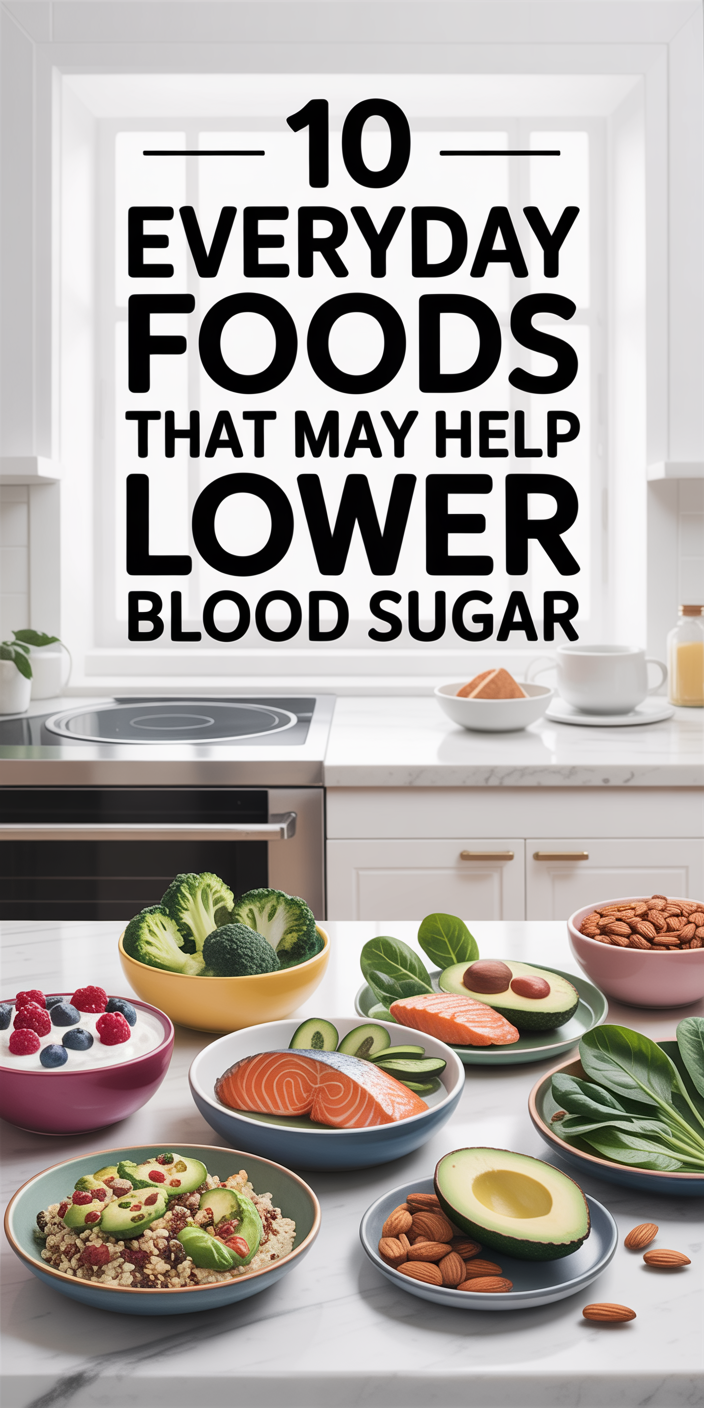
Managing blood sugar doesn’t have to mean strict deprivation or exotic supplements. In our experience working with people who want steady energy, better metabolic health, and fewer glucose spikes, small food swaps and smart additions often make the biggest difference. This 2026 guide highlights ten everyday foods, spices, vegetables, fruits, proteins, and pantry staples, that research and clinical experience show may help lower or stabilize blood sugar. We’ll explain how each food works, practical ways to include them in meals, and evidence-backed tips so you can use these choices without overcomplicating your routine. Whether you’re aiming to prevent prediabetes, support diabetes management, or just feel less like a roller coaster after meals, these simple options give us reliable, doable tools to try.
Cinnamon And Turmeric: Spices That Support Glucose Control
We often underestimate the metabolic power packed in our spice rack. Cinnamon and turmeric are two spices with the strongest clinical signals for supporting glucose control, and they’re easy to add to everyday meals.
Why they help:
- Cinnamon contains bioactive compounds (like cinnamaldehyde) that appear to improve insulin sensitivity and slow gastric emptying, which reduces post-meal glucose spikes. Several randomized trials show modest reductions in fasting blood glucose and HbA1c when cinnamon is added regularly, particularly in people with impaired glucose tolerance.
- Turmeric’s active component, curcumin, has anti-inflammatory and antioxidant effects. Trials have found curcumin can lower fasting glucose and improve pancreatic beta-cell function, likely by reducing chronic inflammation and oxidative stress that impair insulin signaling.
How to use them practically:
- Sprinkle ground cinnamon on oatmeal, Greek yogurt, coffee, or fruit, half to one teaspoon daily is a reasonable starting point.
- Add turmeric to soups, stews, scrambled eggs, or make a simple turmeric milk with black pepper (piperine significantly boosts curcumin absorption).
Safety and tips:
- Stick to culinary doses first: concentrated supplements can interact with medications (anticoagulants, diabetes drugs) and aren’t necessary for everyone.
- Choose Ceylon cinnamon when possible to minimize coumarin intake. If you have concerns about interactions or liver disease, check with our clinician or pharmacist before starting supplements.
Small, consistent use of these spices is an accessible strategy: they enhance flavor and may nudge glucose control in the right direction without a big lifestyle overhaul.
Leafy Greens And Cruciferous Vegetables: Low‑Carb, Nutrient‑Dense Picks
Leafy greens (spinach, kale, Swiss chard) and cruciferous vegetables (broccoli, Brussels sprouts, cauliflower) are metabolic allies: low in digestible carbs but high in fiber, vitamins, and phytonutrients that support insulin function.
Mechanisms we rely on:
- Fiber slows carbohydrate absorption and blunts postprandial glucose rises. Soluble fibers, in particular, form a viscous matrix in the gut that delays sugar uptake.
- These vegetables are rich in magnesium and vitamin K, micronutrients associated with better insulin sensitivity in observational studies.
- Cruciferous vegetables contain sulforaphane and related compounds that may reduce inflammation and improve insulin signaling: early human studies are encouraging.
Practical ways to include them:
- Aim for at least 2–3 cups of leafy greens most days. Toss spinach into smoothies, layer kale in sandwiches, or sauté chard with garlic and lemon as a side.
- Make roasted broccoli or cauliflower a default vegetable at dinner. Even frozen vegetables are effective, economical choices.
Meal patterns and combos:
- Pair vegetables with protein and healthy fat to further slow glucose absorption, think roasted salmon over a bed of kale, or a chickpea and broccoli stir-fry with sesame oil.
What we tell people:
These vegetables aren’t just low in carbs: they change the metabolic environment of a meal. By making them the largest portion on the plate, we reduce the glycemic load of the whole meal and add vitamins and minerals that help sustain insulin sensitivity over time.
Berries: Antioxidant‑Rich Fruits With A Low Glycemic Impact
Fruit gets a bad rap sometimes, but berries are among the best fruit choices when we’re focused on blood sugar. Blueberries, strawberries, raspberries, and blackberries are lower in sugar per serving, high in fiber, and loaded with polyphenols that may improve glucose metabolism.
Why we recommend berries:
- Glycemic profile: Berries have a relatively low glycemic index and glycemic load when eaten in typical portions, meaning they cause smaller, slower rises in blood sugar compared with many other fruits.
- Polyphenols like anthocyanins (especially in blueberries and blackberries) have been associated with improved insulin sensitivity and reduced inflammation in both observational and interventional studies.
- Fiber content, particularly in raspberries and blackberries, further slows carbohydrate digestion.
How to eat them:
- Use berries as a sweet component, not the main event. A half to one cup with breakfast or as a snack works well.
- Mix berries into plain Greek yogurt with a sprinkle of nuts and cinnamon, or fold into overnight oats to add sweetness without a big glucose hit.
Portion and pairing strategies:
- Pair with protein or fat (yogurt, cottage cheese, nut butter) to blunt glucose responses.
- Frozen berries are convenient, retain most nutrients, and are budget-friendly for year-round use.
Berries give us a practical way to include fruit without undermining blood sugar goals, delicious, versatile, and evidence-backed.
Legumes: Beans, Lentils, And Peas For Steady Blood Sugar
Legumes, such as black beans, chickpeas, lentils, and split peas, are staples in many cultures and excellent for steadying blood sugar. Their combination of complex carbohydrates, fiber, and plant protein slows digestion and creates lower post-meal glucose excursions.
What the evidence shows:
- Multiple randomized trials and meta-analyses demonstrate that consistent legume intake lowers fasting glucose and HbA1c modestly, and improves markers of insulin resistance.
- Legumes provide resistant starch and soluble fiber, both of which feed beneficial gut bacteria and produce short-chain fatty acids that help regulate glucose metabolism.
Practical tips for including legumes:
- Start with 1/2 to 1 cup cooked legumes per meal a few times a week. Add them to salads, soups, stews, or make a simple bean chili.
- Puree beans into dips (hummus, white bean spread) to use as a protein-rich accompaniment for vegetables rather than crackers.
Preparation and digestion notes:
- Canned legumes are convenient, rinse them well to reduce sodium. If you experience gas, introduce legumes gradually and pair with digestive aids (ginger, cumin) or soak/double-cook dried beans.
Why we favor them:
Legumes are cost-effective, nutrient-dense, and versatile. For people replacing refined grains or high-sugar sides with beans or lentils, the impact on daily glycemic load can be substantial without sacrificing satiety or enjoyment.
Nuts And Seeds: Healthy Fats, Fiber, And Blood Sugar Benefits
Nuts and seeds are compact sources of healthy fats, fiber, and plant protein, components that slow carbohydrate absorption and support metabolic health. Almonds, walnuts, pistachios, chia seeds, and flaxseeds are among our go-to picks.
Evidence and mechanisms:
- Several controlled trials show that including nuts regularly reduces postprandial glucose and improves long-term markers like HbA1c when nuts replace refined carbs or are added to meals.
- The combination of monounsaturated and polyunsaturated fats, plus fiber, reduces the glycemic effect of a meal and increases satiety.
- Seeds such as chia and flax also provide alpha-linolenic acid (a plant omega-3) and mucilage-forming fiber that slows digestion.
How to include them:
- Keep portion sizes in mind: a typical serving is about a small handful (1 oz or roughly 28 grams) for nuts, and 1–2 tablespoons for seeds.
- Add chopped nuts to salads, yogurt, or oatmeal: sprinkle ground flaxseed on smoothies or cereal: stir chia seeds into puddings or yogurts.
Practical swaps:
- Replace sugary snacks with a nut-and-berry mix or use nut butter on apple slices instead of jam on toast. These swaps lower glycemic load while keeping snacks satisfying.
Caveats:
- Nuts are calorie-dense, so portion control matters for weight management. For people with nut allergies, seeds offer similar benefits.
In short, nuts and seeds are an easy way to make meals more glucose-friendly while improving texture and flavor.
Whole Grains And Oats: Fiber‑Focused Carbs That Slow Sugar Spikes
Not all carbs are created equal. Whole grains and oats deliver fiber, vitamins, and minerals that reduce the glycemic impact compared with refined grains. Swapping white bread and sugary cereals for whole-grain bread, brown rice, quinoa, and steel-cut oats is one of the most practical changes we recommend.
Why they help:
- Intact grains have more fiber and a different physical structure that slows digestion and absorption of starch.
- Oats contain beta-glucan, a soluble fiber shown to lower postprandial glucose and improve insulin sensitivity when consumed regularly.
- Whole grains are associated with lower risk of type 2 diabetes in large prospective studies.
Practical meal ideas:
- Start the day with steel-cut oats topped with berries, nuts, and a sprinkle of cinnamon for a low-glycemic breakfast that keeps us full.
- Swap refined pastas for whole-grain or legume-based versions and choose brown rice or barley in place of white rice.
Label reading tips:
- Look for “100% whole grain” or check the ingredients list. Watch for products marketed as “multigrain” or “wheat” that may still be refined.
Portion and pairing:
- Even whole grains contain digestible carbs, so pair them with protein, healthy fat, and vegetables to reduce the meal’s overall glycemic load.
Whole grains and oats give us the benefits of satisfying carbohydrate foods without the same sugar spikes, practical, familiar, and backed by evidence.
Greek Yogurt And Fermented Foods: Protein, Probiotics, And Glycemic Support
Dairy and fermented foods play a useful role in blood sugar management when chosen wisely. Plain Greek yogurt, kefir, and fermented vegetables provide protein, probiotics, and sometimes lower lactose content, all of which can support steadier glucose responses.
Why they matter:
- Greek yogurt is higher in protein and lower in carbohydrate than many regular yogurts: the extra protein helps blunt post-meal glucose rises and increases satiety.
- Probiotics and fermented foods influence the gut microbiome, which emerging research links to glucose regulation, inflammation, and insulin sensitivity.
- Some fermented dairy products may enhance glycemic control more than non-fermented ones, possibly through their effects on microbial metabolites.
How to include them:
- Choose plain, unsweetened Greek yogurt or kefir and flavor it with berries, cinnamon, or a touch of nut butter.
- Add fermented vegetables (sauerkraut, kimchi) as condiments to meals: they add flavor and may benefit gut health without adding sugars.
Practical considerations:
- Watch for flavored yogurts, many have added sugars that negate benefits. Read labels and aim for <6 grams of sugar per serving, or better yet, zero added sugar.
- If dairy isn’t tolerated, look for cultured, unsweetened plant-based yogurts with added live cultures and adequate protein.
We find that swapping a sugary breakfast or snack for a protein-rich fermented option reduces energy crashes and supports consistent blood sugar throughout the day.
Conclusion: How To Use These 10 Foods In Practical, Sustainable Ways
These ten everyday foods, cinnamon and turmeric, leafy greens and crucifers, berries, legumes, nuts and seeds, whole grains and oats, and Greek yogurt and fermented foods, aren’t magic bullets, but they give us practical levers to improve meal quality and lower glycemic impact. Our approach is simple:
- Make small swaps (refined → whole grains, sugary snacks → nuts and berries).
- Build meals around nonstarchy vegetables and include a source of protein and healthy fat.
- Add flavor and function with spices and fermented foods to increase adherence.
When we combine these foods consistently, we lower the glycemic load of our diets, support insulin sensitivity, and improve fullness, steps that add up over weeks and months. If you’re on glucose-lowering medications or have a chronic condition, check with your healthcare team before making large dietary changes. Otherwise, try one new swap each week and notice how your energy and glucose patterns change, small, sustainable shifts often lead to the biggest wins.


