The 10 Best Healthy Foods At Whole Foods Market — Nutritious Picks To Buy In 2026
We’ve watched grocery shopping evolve over the last few years, and Whole Foods Market remains a reliable stop when we want high-quality, nutrient-dense ingredients. In this guide, The 10 Best Healthy Foods at Whole Foods Market, we’ll walk you through the specific items we consistently buy, why they belong in a healthy pantry, and how to use them in real meals. Our focus is practical: nutrient value, ingredient transparency, and everyday utility. Whether you’re stocking a new kitchen or optimizing an existing routine, these picks will help you eat healthier with less guesswork.
Top 10 Healthy Foods To Buy At Whole Foods (And Why They Matter)
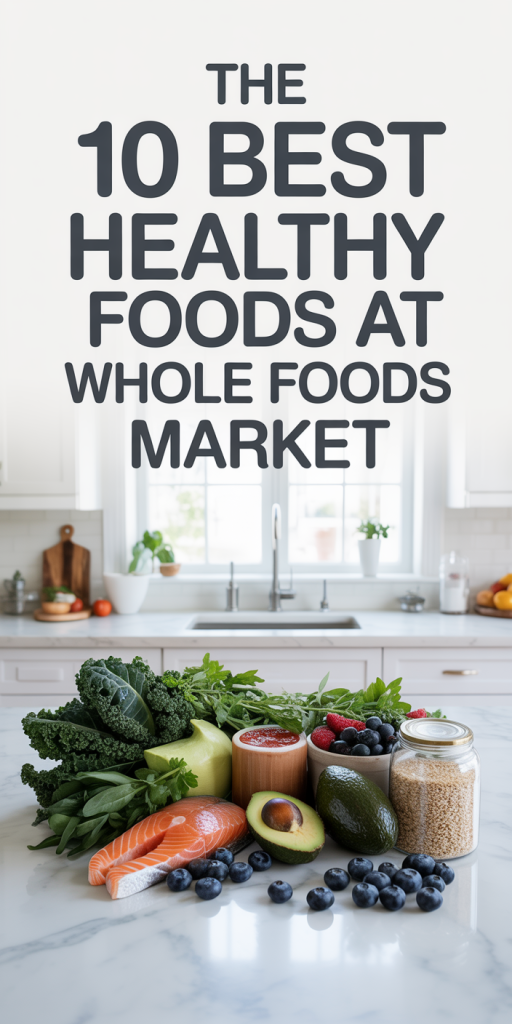
Here are the 10 foods we consider the best healthy buys at Whole Foods Market in 2026. For each item we explain the nutrition advantage, what to look for on the label, and quick usage ideas.
- Wild-Caught Salmon
- Why it matters: Rich in omega-3 fatty acids (EPA and DHA), high-quality protein, and vitamin D. Wild-caught varieties typically have lower contaminants and better omega profiles than many farmed salmon.
- What to look for: “Wild-caught” labeling, sustainable certifications, and minimal processing. Whole Foods often stocks line-caught or Alaskan wild options.
- Quick use: Grill or broil with lemon and dill, or flake into salads and grain bowls.
- Extra-Virgin Olive Oil (Cold-Pressed)
- Why it matters: A source of heart-healthy monounsaturated fats and polyphenols. Good quality EVOO adds flavor and satiety to meals without the inflammatory effects of some seed oils.
- What to look for: Cold-pressed, first-press, harvest date (if available), and origin.
- Quick use: Dressings, drizzle over steamed vegetables, or finish soups.
- Organic Leafy Greens (Kale, Swiss Chard, Spinach)
- Why it matters: Low-calorie sources of vitamins A, C, K, folate, fiber, and plant compounds. They’re foundation veggies for nutrient density.
- What to look for: Freshness (crisp leaves), organic when possible to reduce pesticide exposure, bagged greens for convenience.
- Quick use: Sauté as a side, blend into smoothies, or use as base for salads.
- Plain Greek Yogurt (Low-Fat or Full-Fat, Live Cultures)
- Why it matters: High protein, probiotics for gut health, and versatile for both sweet and savory dishes.
- What to look for: “Live and active cultures,” minimal added sugar, and simple ingredient list (milk, cultures).
- Quick use: Breakfast bowls, marinades, or swap for sour cream.
- Extra-Firm Organic Tofu or Tempeh
- Why it matters: Plant-based, complete protein sources (tempeh especially), with fiber (tempeh) and minerals. Fermented tempeh also supports digestion.
- What to look for: Organic, non-GMO, and for tempeh, minimal additives.
- Quick use: Stir-fries, sandwiches, or cubed and roasted for salads.
- Quinoa (Ancient Whole Grain)
- Why it matters: Complete plant protein, fiber, iron, and magnesium. Quick-cooking quinoa is a great base for bowls and salads.
- What to look for: Whole grain quinoa (not pre-seasoned), ideally rinsed or pre-rinsed to reduce bitterness.
- Quick use: Grain bowls, pilafs, or breakfast porridge with fruit.
- Canned Wild Sardines (in Water or Olive Oil)
- Why it matters: Shelf-stable source of omega-3s, calcium (with bones), vitamin D, and inexpensive compared to fresh fish.
- What to look for: Wild-caught, BPA-free cans, water or olive oil packing.
- Quick use: Toss into salads, mash with mustard for sandwiches, or add to pasta dishes.
- Nuts & Seeds (Raw Almonds, Walnuts, Chia, Flaxseed)
- Why it matters: Concentrated sources of healthy fats, protein, fiber, and micronutrients like magnesium and omega-3 ALA (flax, chia, walnuts).
- What to look for: Raw or dry-roasted, no added sugars or excessive salt. Freshness matters, check sell-by dates.
- Quick use: Snack portions, sprinkle on yogurt, or mix into oatmeal.
- Frozen Mixed Berries (Unsweetened)
- Why it matters: Antioxidant-rich, convenient, and often cheaper than fresh out of season. Freezing locks in nutrients and extends shelf life.
- What to look for: Unsweetened, single-ingredient packs.
- Quick use: Smoothies, oatmeal, or thawed into yogurt.
- Organic Beans and Lentils (Dry or Canned, Low Sodium)
- Why it matters: Affordable plant protein, fiber, iron, and B vitamins. Beans and lentils support blood sugar stability and gut health.
- What to look for: For canned, choose low-sodium or no-salt-added. For dried, pick varieties you’ll cook regularly (brown, green, red lentils).
- Quick use: Soups, chilis, salads, or blended into spreads like hummus.
Why these ten? Each item gives us a high nutrient return per dollar and can be used across multiple meals. Between protein, healthy fats, fiber, and produce, they form a flexible foundation for healthier eating at home.
Why Whole Foods Is A Good Choice For Healthy Shopping
Whole Foods Market has a reputation, and for good reasons that matter to shoppers focused on health. We choose Whole Foods when we want transparency, consistent quality, and options that support various dietary needs.
Stricter Product Standards
Whole Foods enforces its own ingredient standards that exclude certain artificial colors, flavors, and preservatives. That reduces the need to read fine-print ingredient decks for every packaged good and helps us avoid many additives linked to low nutritional value.
Wide Organic Selection
The store’s organic assortment is extensive. For produce, dairy alternatives, and packaged staples, seeing “organic” more often means lower conventional pesticide exposure and a clearer route to buying regenerative or eco-conscious products.
Specialty and Ethnic Options
Whole Foods stocks foods that support Mediterranean, plant-forward, paleo, keto, and vegan patterns. This makes it easier to adopt a pattern that fits our health goals while staying varied and interesting.
Reliable Prepared Foods and Bulk Sections
The prepared foods bar and bulk bins are practical advantages. We can sample new grains and seeds from bulk bins to avoid waste, and the hot bar offers healthy, chef-prepared options when we’re short on time. That convenience matters: healthy food needs to be accessible on busy days.
Sustainability and Sourcing Information
The store often provides sourcing info for meat, seafood, and specialty items, we can see certifications or origin notes that inform purchasing decisions. While sustainability isn’t the only consideration, it overlaps with product quality and sometimes nutrient profiles (e.g., wild-caught fish vs. some farmed varieties).
That said, Whole Foods isn’t the only place to find healthy food, local co-ops, farmers markets, and other grocers can match or beat prices and freshness. But for a consistent combination of quality, transparency, and selection, Whole Foods remains a strong option for our health-focused shopping.
How We Selected These 10 Foods (Nutrition, Quality, Value)
We approached the list with three filters: nutrition density, product quality/transparency, and everyday value. Here’s how those criteria shaped the picks.
- Nutrition Density, Maximize Return Per Bite
We prioritized foods that deliver multiple nutrients in meaningful amounts. Salmon, sardines, leafy greens, beans, and quinoa are examples, they provide protein, essential fatty acids, fiber, vitamins, and minerals without empty calories. We favored whole foods over ultra-processed items.
2. Quality and Sourcing, Less Guesswork, More Benefit
Whole Foods’ sourcing policies guided us to items where quality differences matter. For instance, wild-caught vs. farmed seafood, or extra-virgin olive oil vs. generic refined oils. For animal products, we leaned toward options with clear labeling: pasture-raised, humanely handled, or sustainably caught where available.
3. Value and Versatility, Real-World Use and Cost Efficiency
A food can be nutritious but impractical if it’s too expensive or single-purpose. We selected items that stretch across meals: frozen berries for breakfast or baking, quinoa for bowls or breakfast porridge, and beans for soups, salads, and sides. Canned sardines and dried beans especially score high for cost-per-nutrient.
4. Accessibility at Whole Foods, On-Shelf Regularity
We focused on items commonly stocked at most Whole Foods locations and from recognizable sub-brands (including store-brand 365 options where they meet our standards). That makes the list actionable: readers can usually find these items without hunting multiple specialty stores.
5. Evidence and Practical Experience
Our selections reflect current nutrition consensus: prioritize whole, minimally processed foods: eat fatty fish: include plant proteins and fiber-rich carbs: and choose healthy fats like olive oil and nuts. We also synthesized shopper experience, what we buy repeatedly because it keeps meals simple and nutritious.
Limitations and Trade-offs
We didn’t include every healthy option (e.g., specific superfood powders or niche supplements) because our aim was practicality. Price and availability vary by region, and individual dietary needs may change priorities (allergies, intolerances, or specific medical conditions). Use this list as a foundation and adapt it to personal preferences and nutrition guidance from a healthcare professional.
How To Use These Foods: Simple Meal Ideas And Pairings
We want items that translate easily into everyday cooking. Below are practical pairings and meal ideas using the top 10 foods, organized by meal type.
Breakfast
- Greek Yogurt + Frozen Berries + Chia: Layer full-fat Greek yogurt with thawed mixed berries, a spoonful of chia or ground flaxseed, and a sprinkle of walnuts. It’s balanced for protein, fiber, and healthy fats.
- Savory Tofu Scramble: Crumble extra-firm tofu and sauté with chopped kale, turmeric, black pepper, and a dash of olive oil. Serve with quinoa or a slice of whole-grain toast.
Lunch
- Sardine & Greens Salad: Toss mixed leaf greens, cherry tomatoes, quinoa, and drained canned sardines. Dress with olive oil, lemon, and cracked pepper for a quick, omega-rich meal.
- Lentil Bowl: Warm green lentils with roasted vegetables, a spoonful of plain yogurt, and a drizzle of olive oil.
Dinner
- Salmon & Swiss Chard with Quinoa: Pan-sear wild-caught salmon, sauté Swiss chard in olive oil and garlic, and serve over fluffy quinoa.
- Tempeh Stir-Fry: Marinated tempeh with mixed veg, soy or tamari, and sesame oil over brown rice or quinoa.
Snacks and Small Plates
- Nut & Seed Trail Mix: Portion raw almonds, walnuts, and a few dried fruits for an on-the-go snack.
- Hummus & Veggies: Use canned chickpeas (or homemade from dried), tahini, olive oil, lemon, and garlic. Serve with carrot sticks and cucumbers.
Quick Meal Hacks
- Bulk cook quinoa and lentils on Sunday: store in the fridge for fast bowls all week.
- Use frozen berries straight from the bag in a blender, no thawing necessary.
- Make a large jar of simple dressing (olive oil, lemon, Dijon, salt) to pull salads together.
Pairing Principles
- Aim for a protein + fiber + healthy fat at each meal to support fullness and blood sugar stability.
- Mix textures: creamy yogurt, crunchy nuts, and leafy greens make meals satisfying and nutrient-rich.
- Reuse components across meals to reduce decision fatigue and food waste, one roasted tray of veggies can show up in lunches and dinners throughout the week.
Smart Shopping Tips For Buying Healthy Items At Whole Foods
We’ve learned a few in-store strategies that save money and time while improving the quality of what we bring home.
- Use the Whole Foods App and Weekly Sales
Check the app or weekly ad before you shop. Whole Foods runs regional promotions and partners with Amazon Prime for additional discounts. We plan our list around sale items, buying frozen berries or bulk nuts on sale can cut costs substantially.
2. Shop the Bulk Bins
Bulk sections are great for trying new grains, seeds, and spices without committing to large packages. Bring your own container if your store allows it, it’s cheaper and reduces packaging. We often buy quinoa, chia, and nuts in bulk.
3. Inspect Produce Carefully
Whole Foods usually rotates produce fast, but quality varies. Look for crispness in leafy greens and avoid bruised fruit. If you’re buying for the week, pick items with longer shelf life or plan to use the most perishable items first.
4. Buy Frozen When It’s a Better Value
Frozen produce can be both cheaper and nutritionally comparable to fresh produce, and it lasts longer. Frozen wild-caught fish portions are sometimes more affordable and just as nutritious as fresh when sourced properly.
5. Read Labels, Less Is Better
For packaged goods, favor short ingredient lists you recognize. For yogurt, watch added sugars: for canned goods, look for low-sodium versions. Whole Foods’ house brand 365 often provides good-value, simpler-ingredient options.
6. Portion-Controlled Nuts and Seeds
Nuts are calorie-dense, so pre-portion single-serving bags or use small containers to avoid overeating. We recommend measuring rather than eating straight from a large bag.
7. Ask the Staff About Sourcing
If you’re unsure about a fish label, meat program, or a seasonal product, ask a crew member. Whole Foods staff can often point to sustainable options or note when a product is nearing the end of its shelf life (helpful for discounts).
8. Shop With a Plan (and a Flexible List)
We bring a short list built around meals. That keeps us from impulse-buying specialty items that don’t fit our weekly plan. Still, we leave room to pick up an in-season find or a bulk-bin deal, flexibility matters for value.
Seasonal And Budget-Friendly Alternatives To The Top Picks
Sometimes our preferred items aren’t available or fit the budget. Here are practical substitutes and seasonal switches that preserve nutrition without very costly.
- Salmon Substitute: Canned Wild Tuna or Frozen White Fish
If fresh wild salmon is expensive, canned tuna (look for pole-and-line or troll-caught) or frozen cod/haddock are good protein options. They lack the exact omega-3 profile of salmon but still provide lean protein and B vitamins.
2. Olive Oil Substitute: Avocado Oil (Cold-Pressed)
When olive oil is pricey, cold-pressed avocado oil is a suitable alternative for cooking and salads. It has a high smoke point and a neutral flavor while supplying monounsaturated fats.
3. Leafy Greens Substitute: Romaine, Cabbage, or Collard Greens
When kale prices spike, romaine and cabbage offer vitamin C and fiber at lower cost. Collards are inexpensive and nutrient-dense, braise them with garlic and olive oil.
4. Greek Yogurt Substitute: Cottage Cheese or Kefir
If yogurt is out of budget or unavailable, cottage cheese offers high protein and can be paired with fruit. Kefir provides probiotics and works well in smoothies.
5. Tofu/Tempeh Substitute: Edamame or Canned Beans
Edamame (fresh or frozen) and canned beans are accessible plant proteins. They’re often cheaper and are easy to toss into bowls and salads.
6. Quinoa Substitute: Brown Rice, Barley, or Bulgur
Brown rice and barley are often cheaper whole-grain bases. Bulgur cooks quickly and is great in salads like tabbouleh.
7. Sardine Substitute: Canned Mackerel or Herring
Other small oily fish like mackerel and herring provide similar omega-3 benefits and are often inexpensive.
8. Nuts & Seeds Substitute: Sunflower Seeds or Peanut Butter
Sunflower seeds are inexpensive and versatile: natural peanut butter is an affordable source of healthy fats and protein, pick versions with no added sugar or hydrogenated oils.
9. Frozen Berries Substitute: Seasonal Fresh Fruit or Apples
When berries aren’t on sale, apples, pears, or citrus can fill the role of fiber-rich fruit. Frozen stone fruit (peaches, cherries) is another good value.
10. Beans & Lentils Substitute: Split Peas or Chickpeas
Split peas cook quickly and are inexpensive: chickpeas are versatile for hummus, salads, and curries.
Seasonal Shopping Strategy
- Buy what’s local and in season: You’ll often get fresher produce at lower prices. Whole Foods sometimes highlights local produce sections.
- Rotate proteins by price: Plan meals around sales, if wild salmon is on sale, lean into it that week and use cheaper protein the next.
- Preserve surplus: Freeze extra berries, portion and freeze cooked beans, or make large batches of cooked grains to avoid waste and save money over time.
Conclusion
We’ve focused on utility: foods that deliver consistent nutrition, flexibility, and value from Whole Foods Market. The 10 Best Healthy Foods at Whole Foods Market, from wild-caught salmon and extra-virgin olive oil to canned sardines and frozen berries, form a reliable framework for healthier eating in 2026. Use the shopping tips, substitutions, and meal ideas here to build a weekly routine that’s nutritious, affordable, and enjoyable. Start with a few swaps this week, you’ll find momentum in simple changes that last.