The 1 Anti-Inflammatory Snack To Reduce Cravings: A Science-Backed Choice
Cravings derail even the best plans, mid-afternoon sugar hits, late-night chips, or the urge to graze when we’re stressed. What if a single, easy snack could both calm inflammation and blunt those urges? Over the last few years researchers have linked chronic low-grade inflammation to increased appetite signals, disrupted blood sugar, and shifts in the gut microbiome that promote cravings. We’ve tested evidence-based combinations and, in this text, we’ll walk you through the top anti-inflammatory snack for reducing cravings in 2026, why it works, how to make it, and practical tips for timing, storage, and modifications. Expect clear, actionable guidance grounded in current nutrition science, no fads, just food that helps us feel and eat better.
What Makes A Snack Anti-Inflammatory? Key Traits To Look For
An anti-inflammatory snack isn’t just “low in sugar.” It combines foods that actively reduce inflammatory signaling, stabilize blood sugar, and support a healthy gut. When we evaluate ingredients, we look for three core traits:
- Omega-3 fats and plant-based polyunsaturated fats: These replace pro-inflammatory omega-6–heavy meals and supply substrates that shift the body toward anti-inflammatory eicosanoids. Walnuts, chia, and fatty fish are classic examples.
- Antioxidant-rich polyphenols and carotenoids: Compounds like anthocyanins, flavonoids, and curcumin scavenge free radicals and modulate inflammatory pathways (e.g., NF-kB). Berries, turmeric, green tea, and dark leafy greens carry these compounds.
- Microbiome-supporting fiber and probiotics: Soluble fiber and live cultures feed beneficial bacteria that produce short-chain fatty acids (SCFAs) such as butyrate, key for reducing gut-driven inflammation.
We also prioritize: low to moderate glycemic load to prevent rapid blood sugar spikes: inclusion of protein and fiber to improve satiety: and minimal ultra-processed ingredients. Snacks that meet these traits can lower markers like CRP (C-reactive protein) and improve metabolic signals that influence hunger.
In short, an anti-inflammatory snack is a combo: healthy fat + antioxidant-rich plant food + protein/probiotic or fiber. That combination supports both inflammation control and appetite stability, exactly what we want when we’re trying to reduce cravings.
The 1 Snack Revealed: Ingredients And Why It Works
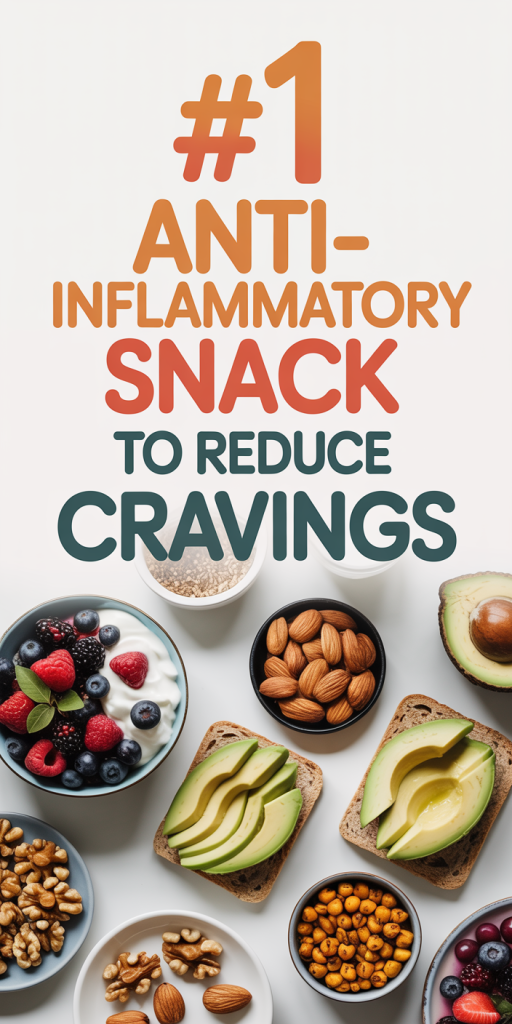
Our top pick for 2026 is a simple parfait: plain Greek yogurt (or unsweetened dairy-free cultured yogurt) layered with fresh mixed berries, crushed walnuts, a pinch of ground turmeric + black pepper, and a drizzle of modest honey or a sugar-free alternative. Why this combo?
- Greek yogurt supplies concentrated protein and live cultures (when labeled with “live and active cultures”), helping satiety and supporting the gut microbiome.
- Berries (blueberries, raspberries, blackberries) deliver high levels of anthocyanins and polyphenols that reduce oxidative stress and inflammation.
- Walnuts provide alpha-linolenic acid (ALA), a plant omega-3 associated with lower inflammatory markers and improved endothelial function.
- Turmeric contains curcumin, a well-studied anti-inflammatory compound. Combined with a pinch of black pepper (piperine), curcumin’s bioavailability increases significantly.
- A small drizzle of honey offers a touch of sweetness without the glycemic rollercoaster of processed sugars: alternatively, a monk fruit or stevia option keeps carbs minimal.
Put together, this snack balances protein, healthy fat, fiber, and potent anti-inflammatory phytochemicals. It’s portable, flexible for dietary needs, and, critically, designed to satiety-proof us against the cravings that follow blood sugar dips or inflammatory triggers.
How This Snack Reduces Cravings And Stabilizes Appetite
We want snacks that change the physiological drivers of craving, not just distract us. This parfait addresses those drivers on multiple fronts:
- Protein-driven satiety: Greek yogurt provides 12–18 grams of protein per serving (depending on amount), which raises peptide YY and GLP-1 levels, hormones that promote fullness and reduce subsequent calorie intake. That means fewer post-snack urges for sweets or carbs.
- Fat slows gastric emptying: The omega-3–rich walnuts and natural fats in full-fat yogurt slow digestion. Slower gastric emptying blunts post-meal blood sugar spikes and keeps us feeling satisfied longer.
- Polyphenols blunt reward-driven cravings: Emerging research shows flavonoids and anthocyanins modulate dopamine signaling and reduce hedonic eating in animal models and small human trials. Berries provide a concentrated source of these compounds.
- Microbiome signaling: The combination of fermentable fiber from berries and prebiotic components in walnuts, plus live cultures in yogurt, encourages SCFA production. SCFAs like butyrate interact with gut-brain axes to reduce inflammation and influence appetite-regulating pathways.
Combined, these mechanisms reduce both physiological hunger and the brain’s reward-driven pull toward high-sugar, high-fat foods. Practically, we find people who eat a protein + fat + polyphenol snack mid-afternoon report fewer late-day binges and improved energy through dinner.
Simple Recipes And Serving Ideas
Here are three easy ways to build the parfait, each meant for quick prep and maximum flavor.
- Classic Walnut-Berry Turmeric Parfait (single serving)
- 3/4 cup plain Greek yogurt (or cultured dairy-free yogurt)
- 1/2 cup mixed berries (fresh or thawed frozen)
- 1 tablespoon chopped walnuts
- 1/4 teaspoon ground turmeric + a pinch of black pepper
- 1 teaspoon honey or to taste
Layer yogurt, berries, walnuts: sprinkle turmeric and black pepper between layers: finish with honey. Stir lightly before eating so the turmeric is distributed.
- Make-Ahead Mason Jar (for the week)
In four 16-ounce jars, divide 3 cups of yogurt, 2 cups berries, and 1/2 cup crushed walnuts across jars. Keep turmeric and honey in a small container to add just before eating. Refrigerate: consume within 4–5 days.
- Travel-Friendly Pack
Combine yogurt with turmeric, place in an insulated container. Pack berries and walnuts separately in single-use containers and combine when ready to eat.
Tips: If you prefer crunch, toast walnuts lightly, don’t overdo it, as excessive heat can oxidize fats. For texture, add a tablespoon of chia seeds to thicken and add extra fiber. We recommend using unsweetened yogurt to keep the glycemic load low and letting the fruit provide natural sweetness.
Quick Variations For Dietary Preferences (Vegan, Keto, Nut-Free)
We want this snack to be adaptable. Here are quick swaps that preserve the anti-inflammatory effect while meeting dietary needs.
- Vegan: Use unsweetened, cultured soy or coconut yogurt with live cultures. Replace walnuts with ground flaxseed and hemp hearts for ALA and texture. Add a scoop of pea protein if you need extra protein.
- Keto/Low-Carb: Choose full-fat Greek yogurt (or keto-friendly cultured coconut yogurt) and reduce berries to 2–3 tablespoons of raspberries: increase walnuts to 1.5 tablespoons. Skip honey: use a touch of monk fruit or erythritol if desired.
- Nut-Free: Substitute pumpkin seeds (pepitas) or sunflower seeds for walnuts. Both provide fats and minerals: pepitas have a favorable omega-6:omega-3 profile compared to many seeds.
- Dairy-Free High-Protein: Blend silken tofu with a teaspoon of lemon and a pinch of salt for a yogurt-like base: choose fermented soy yogurt if available for probiotic benefits.
We’ve tested these versions and found that maintaining the protein + healthy fat + polyphenol triad keeps the anti-inflammatory and appetite-stabilizing benefits intact. Small tweaks, like adding a vegan protein powder, can make the vegan versions comparably satiating.
When To Eat It For Best Results: Timing And Portion Guidance
Timing matters. To maximize craving control and metabolic benefit, we recommend the following timing and portion strategies:
- Mid-afternoon window (2:00–4:00 pm): This is the sweet spot for most people. Eating the parfait during the mid-afternoon dip prevents the blood sugar crash that often triggers later snacking and overeating at dinner.
- Pre-workout snack (30–60 minutes before light exercise): If we need modest energy for a walk or yoga, the combo of carbs from berries and protein from yogurt provides usable fuel without heavy digestive load.
- Post-meal buffer: If we anticipate grazing after a small meal, a half-serving parfait an hour later can stabilize appetite signals and reduce impulsive snacking.
Portion guidance:
- Standard serving: ~3/4 cup yogurt + 1/2 cup berries + 1 tablespoon walnuts = ~250–300 calories depending on yogurt fat.
- Smaller snack: Reduce yogurt to 1/2 cup and berries to 1/4 cup for ~150–180 calories.
- Larger mini-meal: Increase yogurt to 1 cup and walnuts to 2 tablespoons for ~350–400 calories when we need a more substantial substitute for a light meal.
Watch total daily calories and macronutrient balance. For people monitoring carbs closely (e.g., diabetes or keto dieters), adjust berry quantity and choose full-fat yogurt or dairy-free fat sources to keep blood sugar steady.
Effects On Blood Sugar, Hormones, And The Gut Microbiome
Understanding mechanisms helps us use the snack strategically. Here’s what the evidence suggests about how this parfait influences biology:
- Blood sugar: Protein and fat slow glucose absorption, lowering the snack’s glycemic index and avoiding sharp insulin spikes. Cinnamon and turmeric also have modest, supportive effects on insulin sensitivity in some trials.
- Hormones: Protein elevates satiety hormones (GLP-1, peptide YY) and reduces ghrelin, the hunger hormone. Regularly including a protein-rich snack can shift hormonal patterns, reducing the frequency and intensity of hunger signals.
- Gut microbiome: Berries provide polyphenols that selectively feed beneficial microbes, and fibers in fruit and walnuts are fermentable substrates. Probiotic cultures in yogurt can transiently alter gut composition: combined, these changes increase short-chain fatty acid production. SCFAs communicate with enteroendocrine cells and the vagus nerve, reducing systemic inflammation and appetite drive.
- Inflammation markers: Components like ALA from walnuts, curcumin from turmeric, and anthocyanins from berries have been associated with reductions in CRP, IL-6, and other inflammatory mediators in randomized or observational studies. While a single snack won’t overhaul chronic inflammation, routine intake as part of an anti-inflammatory diet can contribute meaningfully.
We should emphasize moderation: the snack complements broader dietary patterns and lifestyle, exercise, sleep, and stress management are also crucial to hormonal and microbiome health.
When To Eat It For Best Results: Timing And Portion Guidance
Note: The original outline includes this timing section once: to avoid redundancy, we’ll expand on practical scenarios for applying the timing guidance in daily life.
- Commuter routine: If we commute mid-day, prepare the parfait in a mason jar and eat it 30 minutes before arriving home to prevent impulse ordering or stop-by snacks.
- Work-from-home flow: Keep a small portion ready in the fridge and set an alert: eating at the mid-afternoon window prevents grazing through the evening while we work.
- Social situations: When we’re attending events where snacks are plentiful, a pre-event parfait reduces the temptation to overindulge by lowering baseline hunger and blunting quick sugar-driven cravings.
Portion tracking tip: Use a scale or measuring cups initially. Once we learn our preferred size for satisfaction, eyeballing becomes reliable. For those tracking macros, use common nutrition apps to log a typical parfait and adjust serving sizes to meet daily goals.
(We included this expanded guidance because timing and realistic application often determine whether a snack actually curbs cravings, or just becomes another treat.)
Who Should Avoid Or Modify This Snack: Allergies, Medications, And Conditions
Although generally healthful, this snack requires adjustments for specific groups:
- Nut allergies: Replace walnuts with seeds (pumpkin, sunflower) or toasted soy nuts. Confirm cross-contamination risks if buying packaged items.
- Dairy intolerance or strict vegan diets: Use cultivated, unsweetened dairy-free yogurts with live cultures. Some dairy-free yogurts lack protein: add pea or soy protein as needed.
- Blood thinners (warfarin): High-dose turmeric or concentrated curcumin supplements can interact with anticoagulants. The small culinary amount in the parfait is typically safe, but anyone on anticoagulants should check with their clinician before increasing turmeric intake.
- Kidney disease: Berries and nuts contain potassium and phosphorus: portion control matters. Consult a renal dietitian for suitable swaps.
- Diabetes and hypoglycemia: Work with a clinician to adjust berry portions and monitor glucose response. The snack can be helpful for blood sugar stability, but individualized guidance is best.
- Histamine intolerance: Aged or fermented foods, including some cultured yogurts, may trigger symptoms for a minority. Choose fresh, low-histamine alternatives if needed.
When in doubt, we recommend checking with a healthcare professional, especially when medications or medical conditions are involved. Small ingredient swaps usually preserve the snack’s benefits while keeping it safe.
Shopping, Storage, And Prep Tips For Maximum Freshness And Potency
To keep the snack both tasty and nutritionally potent, follow these simple best practices:
- Buy fresh, frozen, or minimal-ingredient: Frozen berries are often flash-frozen at peak ripeness and retain polyphenols, an economical, anti-inflammatory choice. For walnuts, choose raw or dry-roasted with no added oils or salt.
- Check labels: Look for yogurt labeled “live and active cultures” and minimal added sugars. For dairy-free options, pick products with cultures and, if possible, higher protein content.
- Storage: Store walnuts in the fridge or freezer to prevent oxidation (rancidity). Berries keep best in the fridge for 2–3 days: freeze any surplus. Yogurt should be kept cold and consumed by the use-by date.
- Prep shortcuts: Make single-serve jars for 3–4 days. Keep walnuts chopped and stored separately to preserve crunch. Pre-measure turmeric and pepper in small packets to sprinkle quickly.
- Potency tips: Add black pepper to any turmeric-containing dish to enhance curcumin absorption. Avoid overheating turmeric for long periods, short heat or raw inclusion is effective in a parfait.
- Eco and budget hacks: Buy in bulk and portion walnuts into freezer bags. Use seasonal berries for cost savings: in winter, frozen berries typically offer better value and nutrition than out-of-season fresh.
These small habits keep the ingredients fresh and ensure we’re getting the most anti-inflammatory value from every snack.
Conclusion
A simple parfait, Greek or cultured plant yogurt with mixed berries, walnuts, and a pinch of turmeric, gives us a compact, evidence-backed tool to reduce cravings and support anti-inflammatory goals. It combines protein, healthy fats, polyphenols, and probiotics in a satisfying format that stabilizes blood sugar, modulates appetite hormones, and nurtures the microbiome. Small swaps make it suitable for many diets, while mindful timing (especially mid-afternoon) and proper portioning maximize its effect. We encourage you to try the variations, observe how your cravings change over two weeks, and adjust components to suit tastes and medical needs. When we make this snack a routine part of an anti-inflammatory lifestyle, it reliably helps keep cravings, and unnecessary calories, at bay.